Practical answers / Technical FAQs

Technical FAQs for CHENDA Industrial Equipment

These answers explain how to prepare, operate and support configured industrial equipment. Machine-specific manuals, labels, technical agreements and service instructions take priority over this general page.

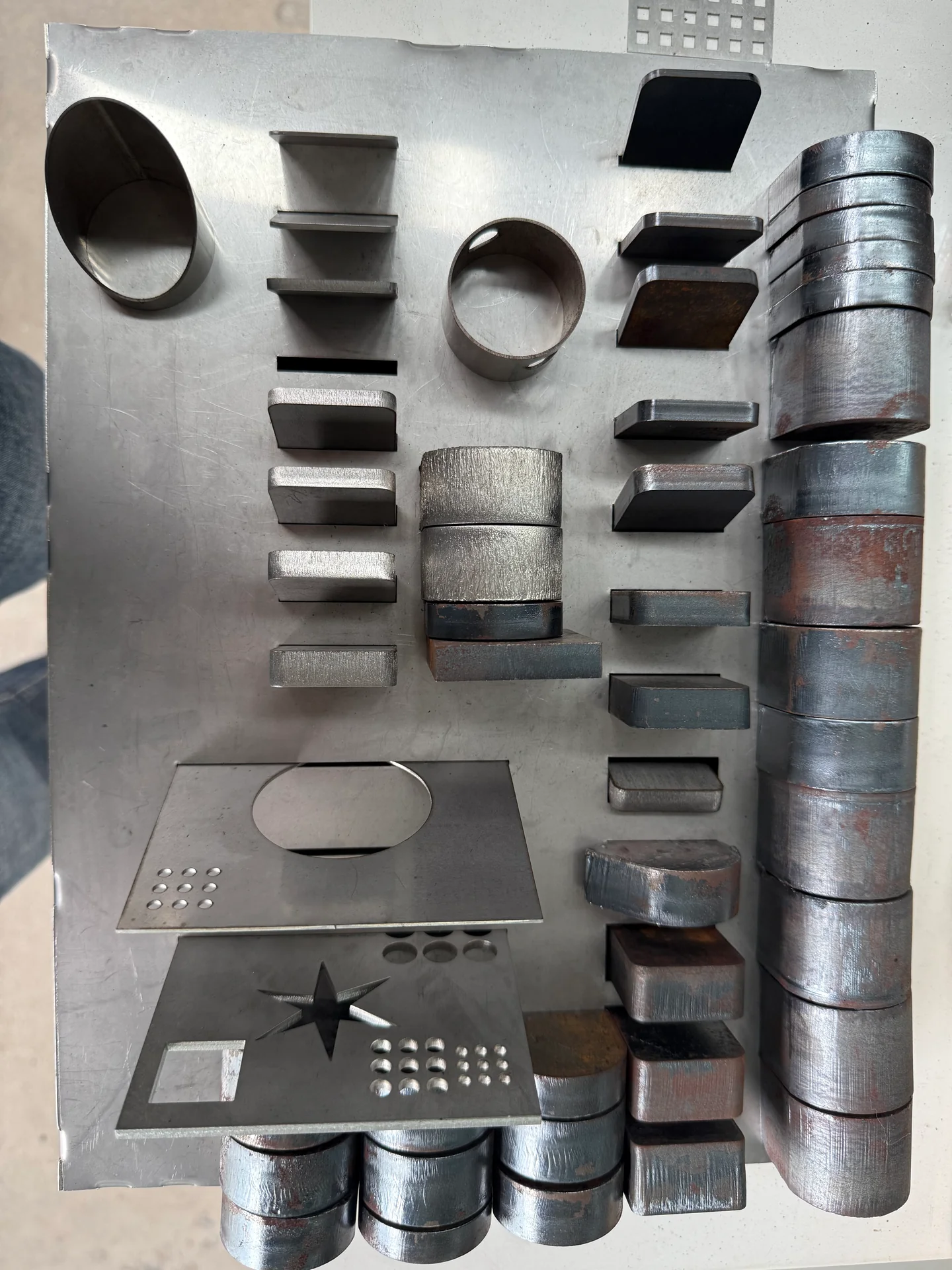
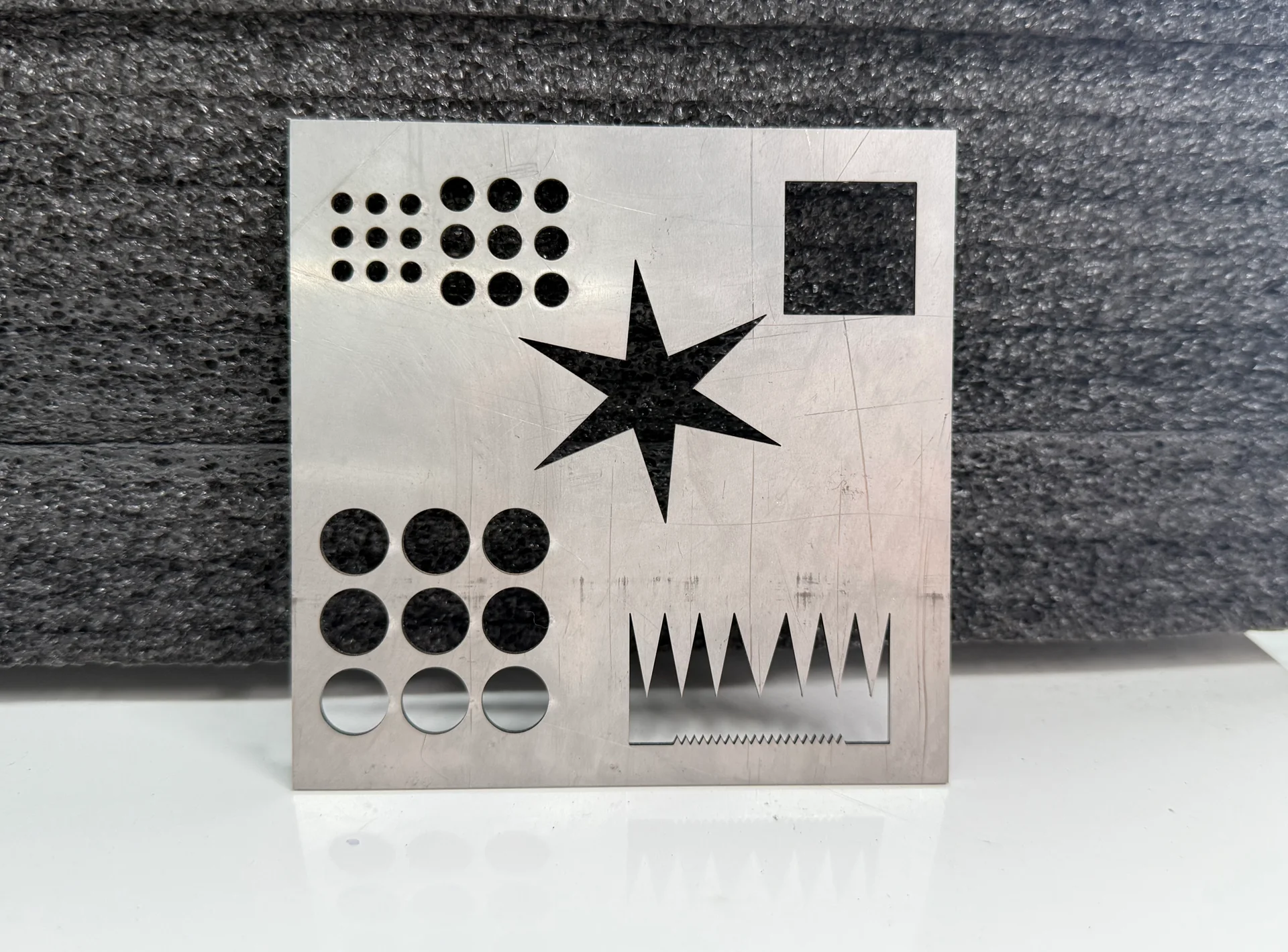
Metal sample with holes, contours and fine cut features
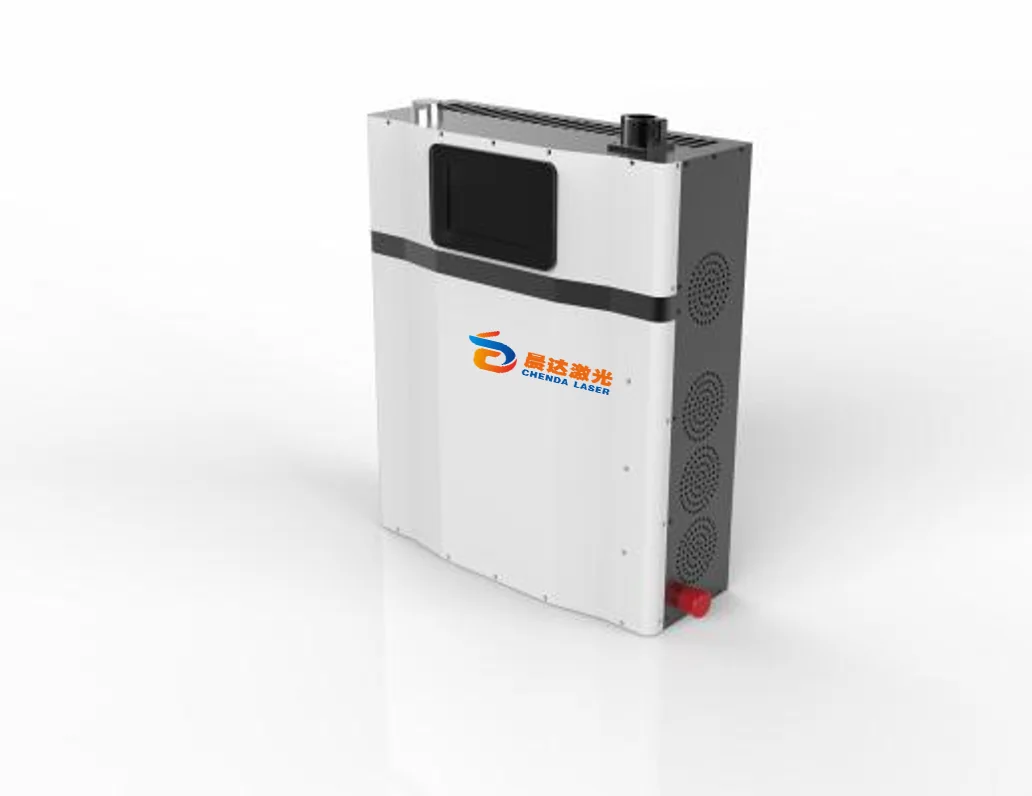
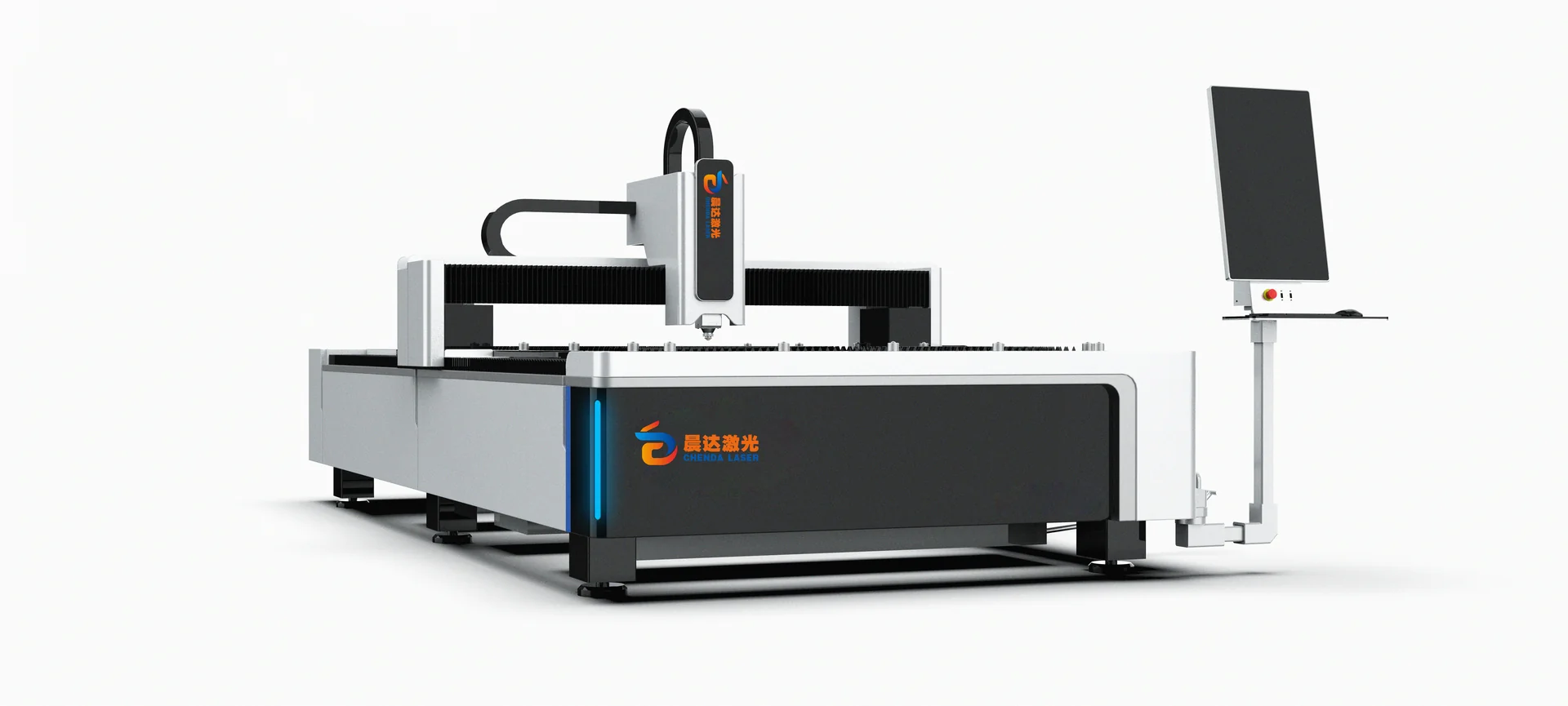
CHENDA open laser cutting machine

Equipment Selection

What information does CHENDA need before recommending a machine?

Provide the material, grade, thickness or profile range, dimensions, representative drawings, required result, normal output, batch mix, loading method, site utilities and destination. For bending, include the finished part and tooling. For welding, include the joint and fit-up. For digital cutting, send actual material samples.

Use the Technical RFQ Checklist

Why is the highest power or capacity not always the best choice?

Maximum capability may add cost, utilities, floor space or handling requirements without improving normal production. Real output depends on the whole process. A high-power laser can still wait for loading and part removal. A high-tonnage press brake can still lack the tooling or daylight for a box part.

Can CHENDA confirm suitability from a photo?

A photo can start the discussion but usually does not define material, scale, tolerances, internal geometry or production conditions. Add measured dimensions, material information and a drawing or sample before configuration approval.
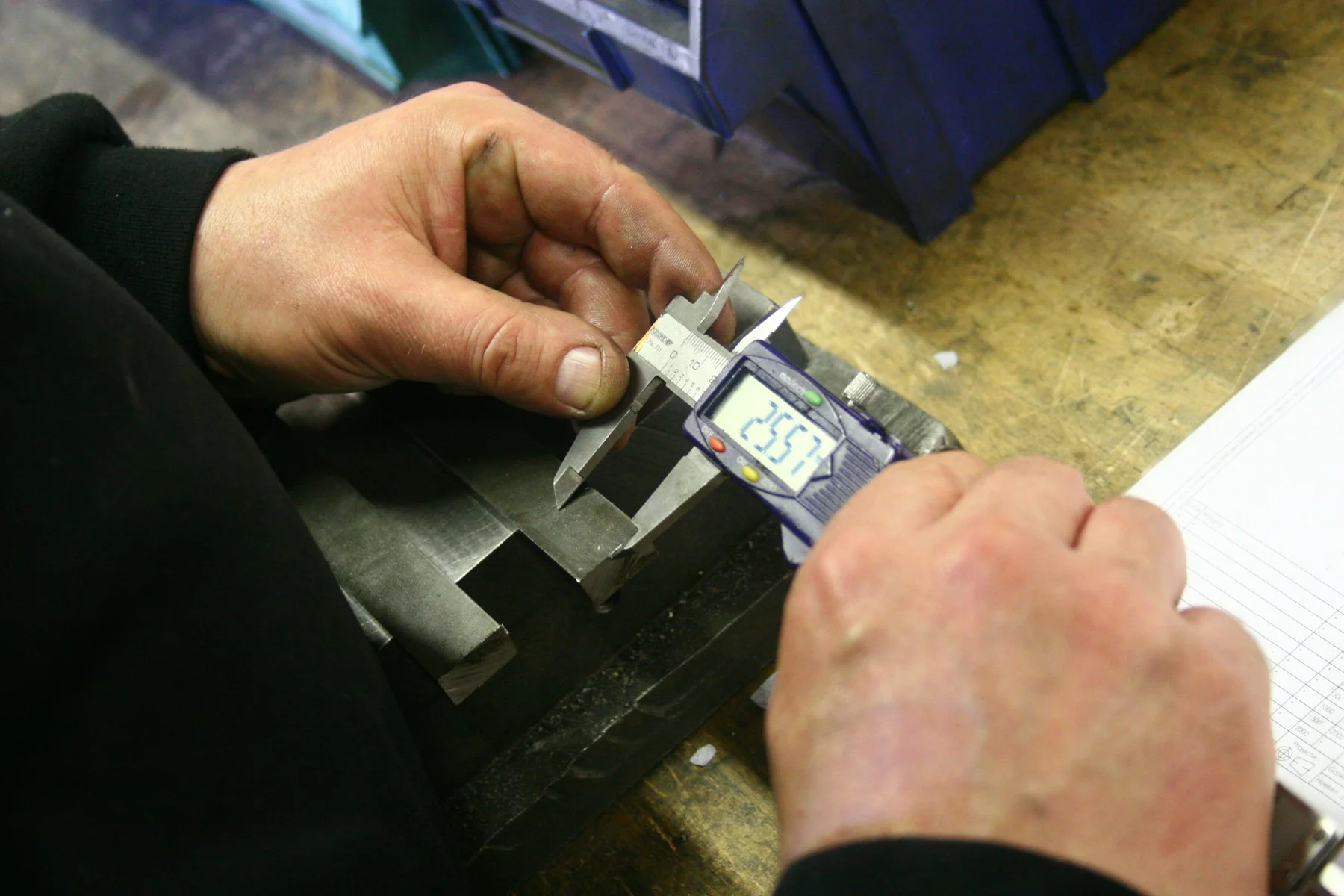
Inspection of a metal component; reference

Samples and Factory Acceptance

When should we request a sample test?

Request testing when material behavior or finished quality will decide the purchase. Examples include reflective or coated metal, visible welds, controlled substrate cleaning, machine-readable marks, edge rounding and porous or elastic digital-cut material.

What makes a sample test credible?

Record the machine configuration, drawing revision, material, tooling or head, relevant parameters, number of trials and inspection method. Use a representative difficult part rather than a convenient simple coupon.

What is the difference between a demonstration and FAT?

A demonstration shows a process or machine. A factory acceptance test checks the ordered machine against an agreed checklist. FAT should identify the machine, functions, material, measurements, evidence and treatment of open items.

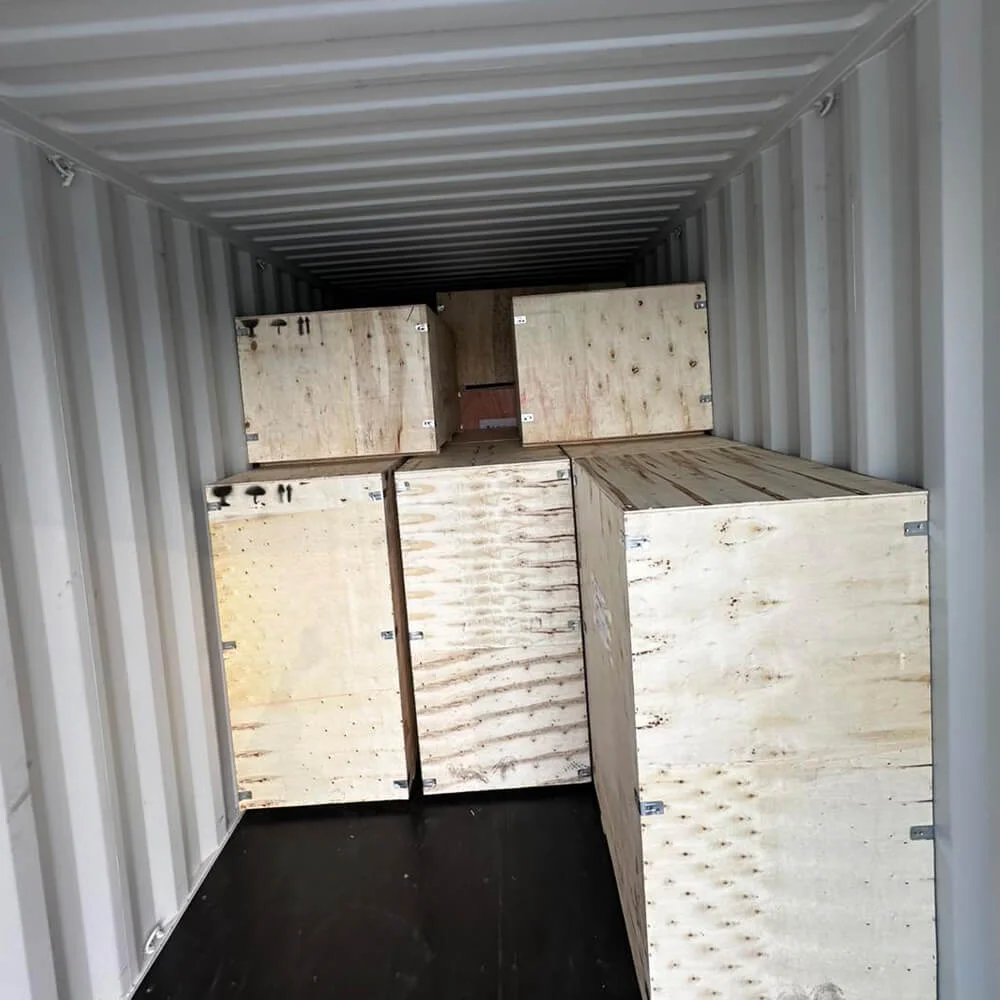
Crated equipment in a shipping container; reference

Site Preparation and Installation

What should be prepared before delivery?

Confirm package dimensions and weights, unloading and lifting, route to the final position, floor and clearance, power and grounding, gases or air, cooling, extraction, network, representative material and qualified personnel. Use the approved machine documents for final values.

Review Installation and Training

Can we connect the machine immediately after unloading?

Inspect package and machine condition first. Allow for storage, temperature or condensation requirements, remove transport restraints according to instructions and use qualified personnel for connections. Do not energize visibly damaged or wet equipment.

Who should perform electrical and gas connections?

Qualified personnel who understand the machine requirements and local rules. They should verify supply, protection, grounding, phase, pressure, piping and leak condition before commissioning.

Does commissioning mean the machine is released for production?

Commissioning verifies installation and controlled operation. Production release should also require active safety functions, trained operators, stable utilities, closed or documented actions and the customer’s operating procedures.

Operation and Process

Cut metal edges and profiles

Why do cutting results differ from a catalogue table?

Laser source, material quality, gas, optics, nozzle, focus, motion, pattern, maintenance and site conditions affect results. Catalogue values are references. Use the actual material and required edge for process confirmation.

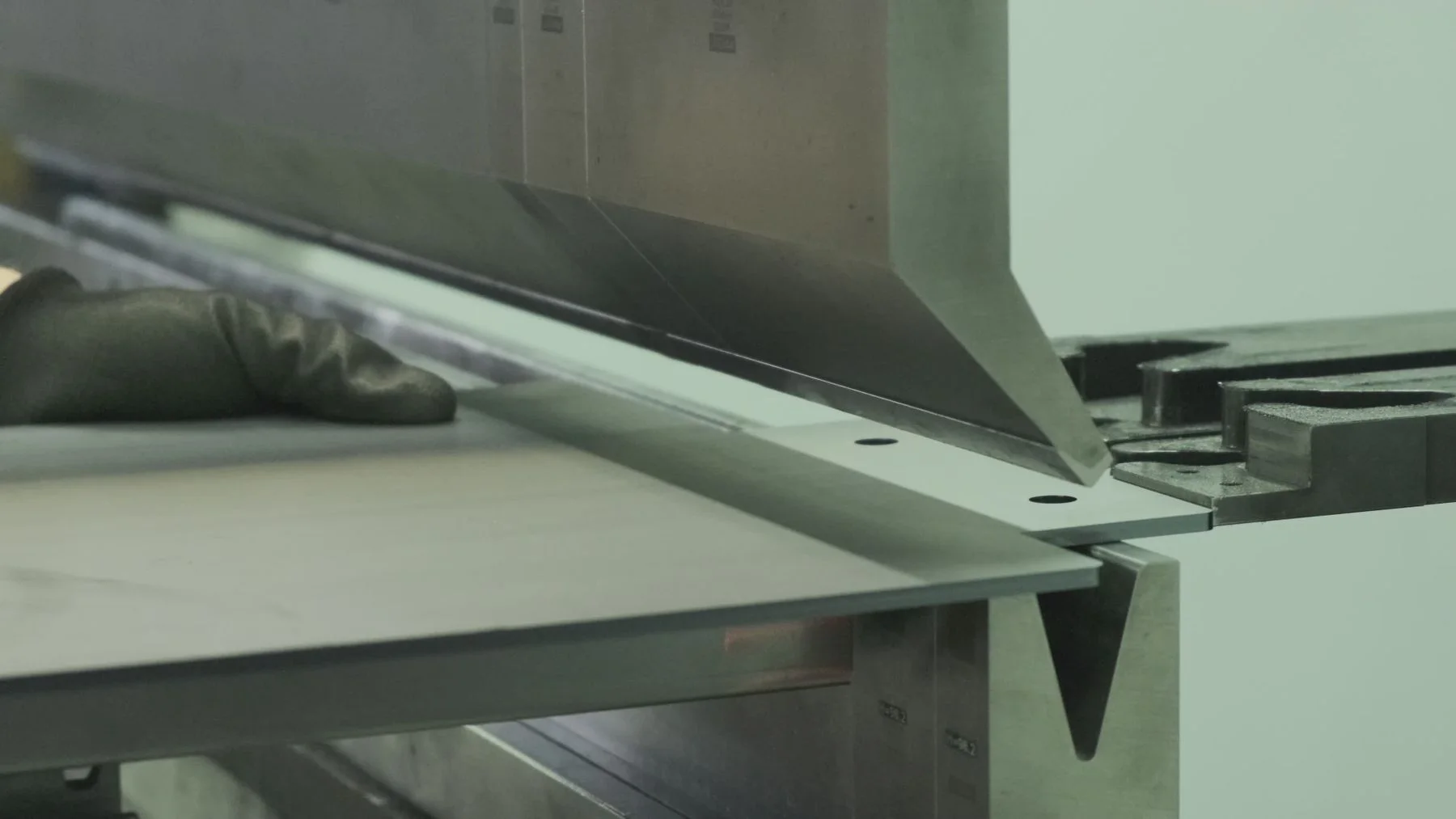
Sheet forming with press tooling; reference

Why do press-brake angles change between material batches?

Thickness, strength, grain direction, tooling, die opening, lubrication, temperature and springback can vary. Control the material, use the correct bend data and apply the machine’s verified compensation or correction method.

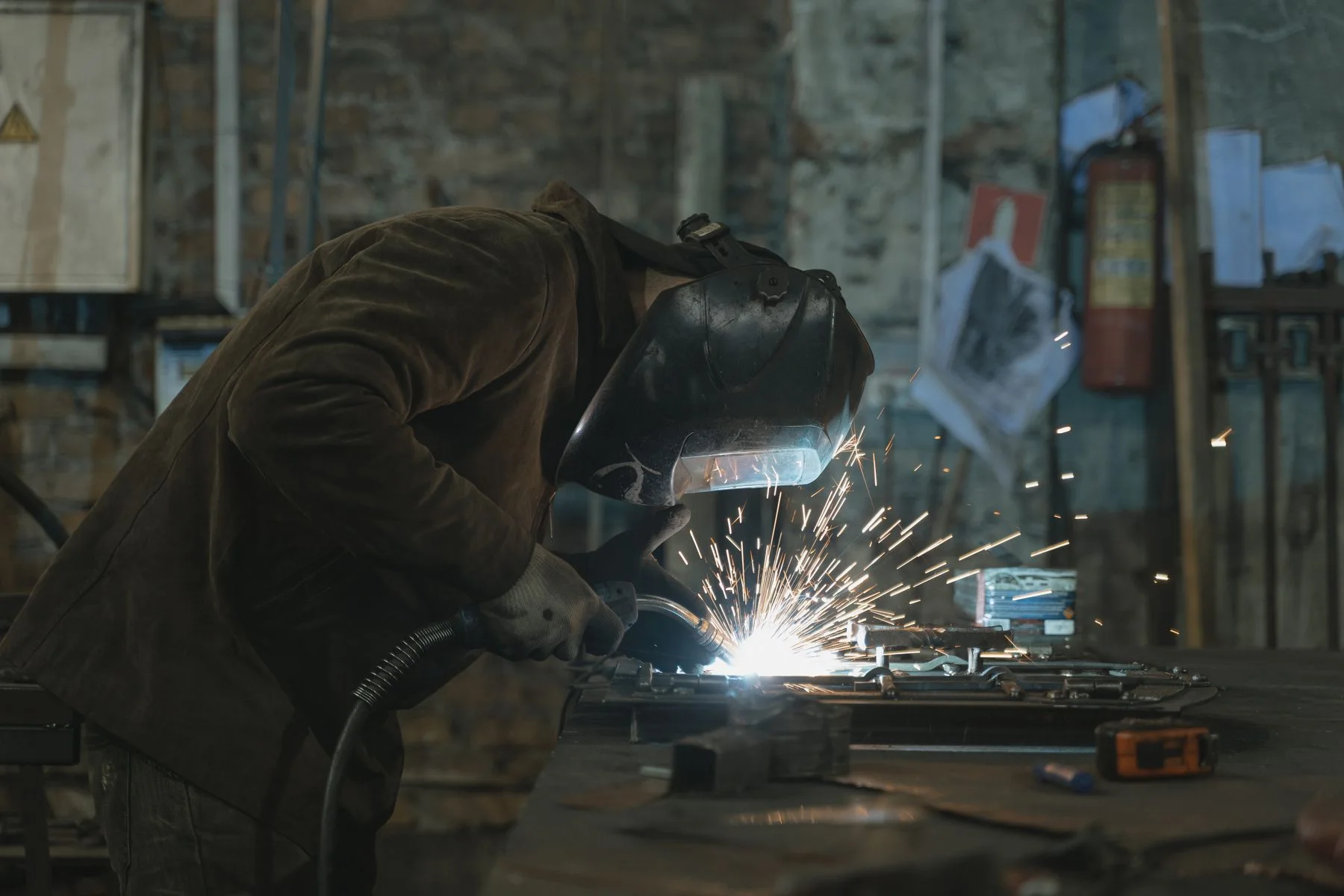
Arc welding at a work fixture; process reference

Why does robotic welding still need a fixture?

The robot repeats a path. The fixture establishes where the joint is and controls the gap. If the part moves or fit-up varies beyond the process window, the robot can repeat the wrong relationship accurately.

CHENDA laser cleaning machine

Is laser cleaning safe for every metal surface?

No. The laser can change the substrate, finish or coating when energy and scanning do not match the application. Test the actual surface and define what change is acceptable. Provide extraction and laser-safety controls for the selected system.

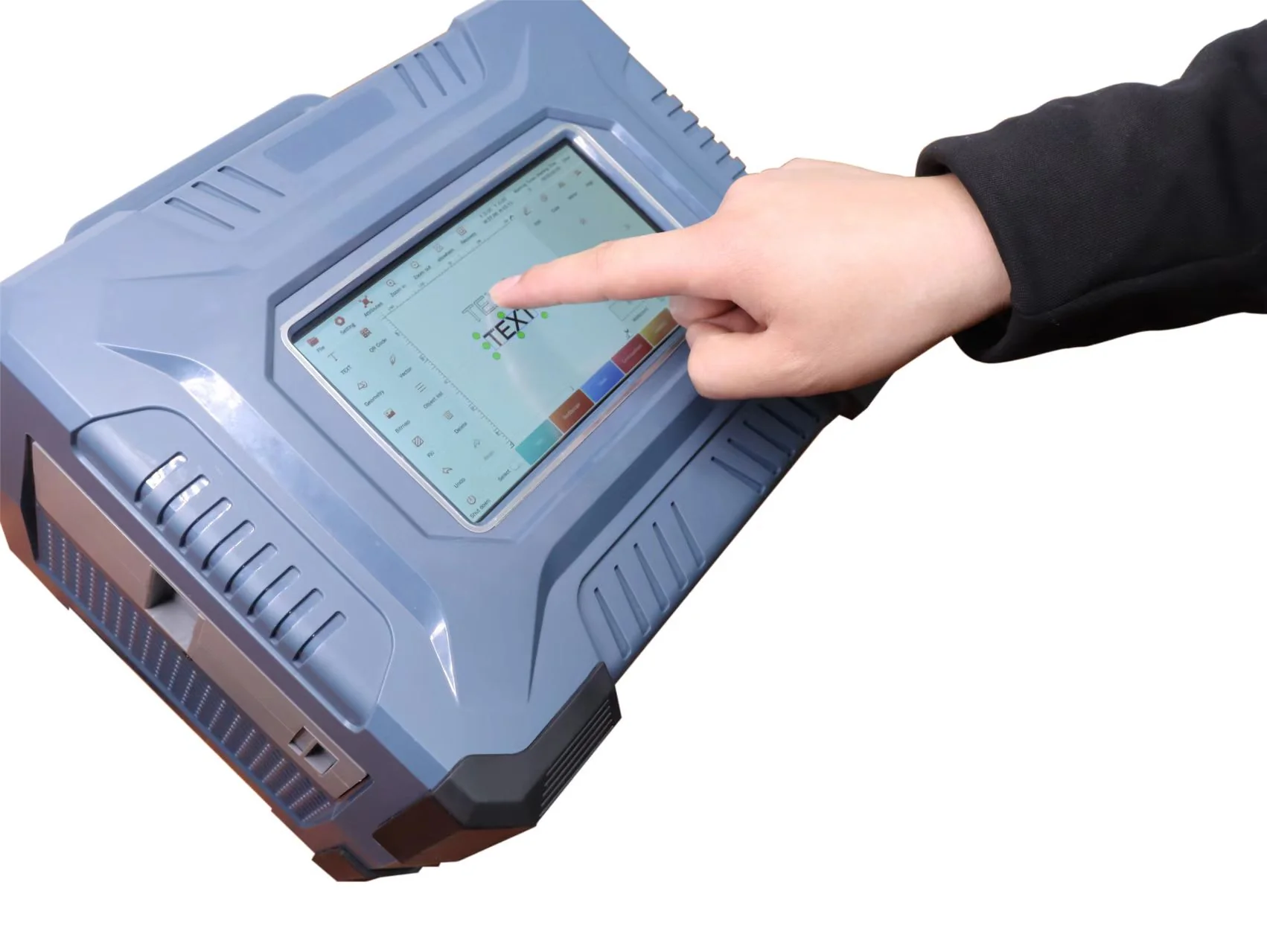
Laser marking system and program display

Can one marking program work on all metals and plastics?

No. Material and surface interact differently with wavelength, power, frequency, speed and focus. Define the required contrast, depth and durability and validate each material family.

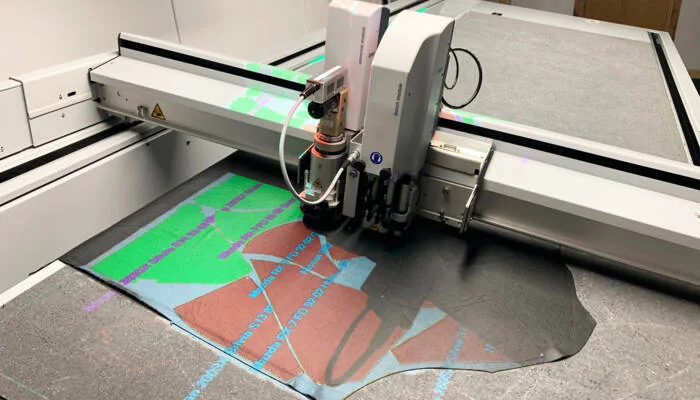
Digital cutting head above flexible material; reference

Why do digital knife materials move during cutting?

Common causes include porous or warped stock, insufficient vacuum coverage, leaks, excessive material tension, the wrong blade, high tool force or a toolpath that releases small parts too early.

Alarms and Troubleshooting

Technician reviewing equipment information; illustration

What should we do when an alarm appears?

Stop if continued operation could be unsafe or increase damage. Photograph the full alarm and screen, record the event sequence and preserve the program or parameters. Identify the machine and send the evidence through Request Technical Support.

Should we reset the alarm and continue?

Only when the manual or qualified guidance permits it and the cause is understood. Repeated resets can hide an intermittent problem or increase damage. Never bypass a guard, interlock, emergency circuit, pressure protection or grounding condition.

What video is useful for troubleshooting?

Start with an overview that shows the machine and operating state, then record the controller or alarm and the affected area. Capture the complete movement or sound, not a two-second clip after the event. Do not enter a hazard zone to improve the view.

Can CHENDA diagnose from a video alone?

Sometimes a video narrows the cause, but reliable diagnosis may also require machine identity, logs, labels, utility readings, maintenance history and controlled tests by qualified personnel.

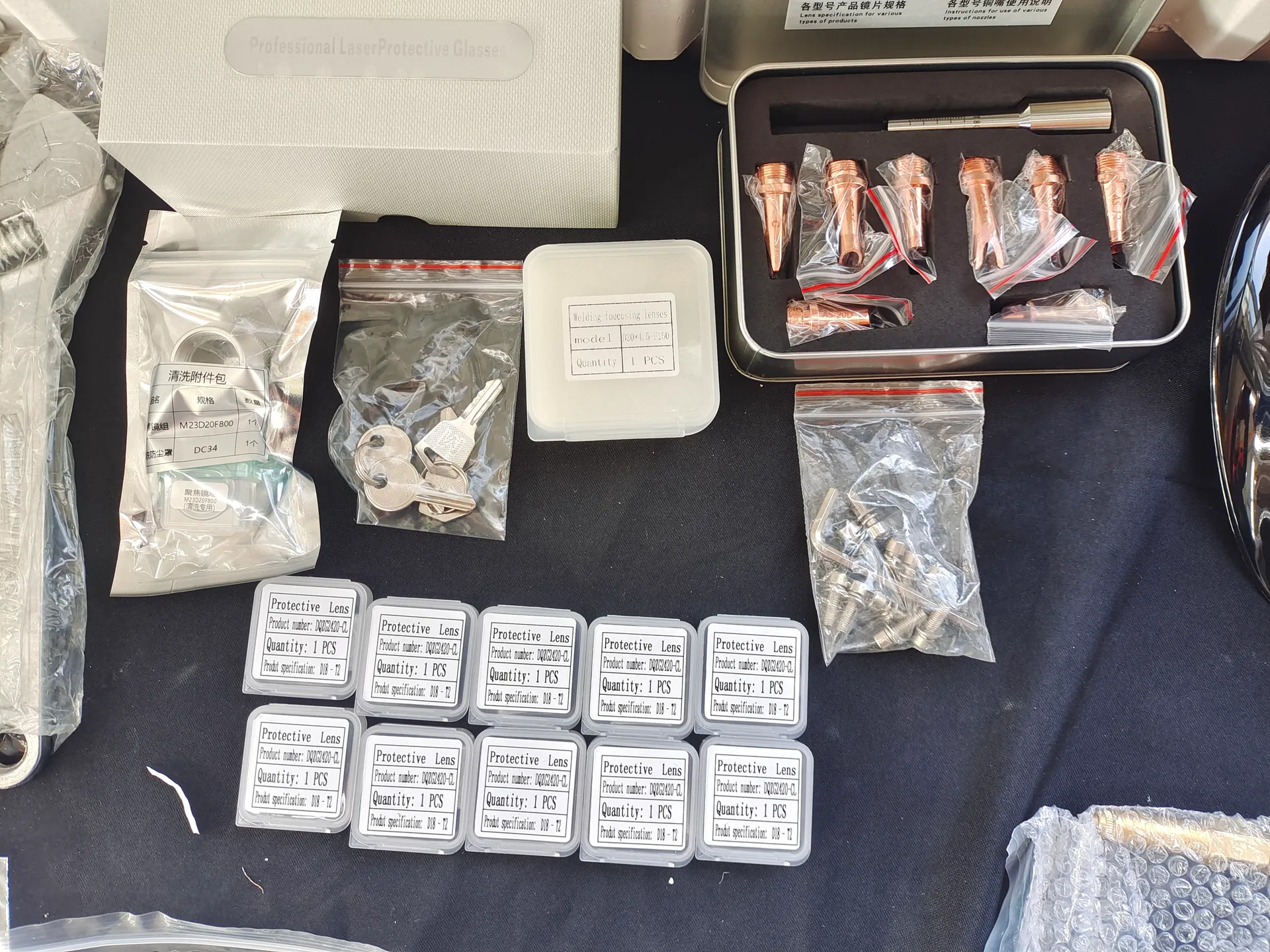
Process consumables and spare accessories

Maintenance

How often should maintenance be performed?

Use the delivered machine and component manuals. Frequency depends on hours, load, dust, temperature, process residues and environment. Daily observation and complete records help identify trends between scheduled services.

Which records should we keep?

Record inspections, cleaning, lubrication, filters, coolant or water, optics, abrasives, knives, hydraulic care, backups, alarms and replaced parts. Include date, machine hours where available, person and part numbers.

Why does the same consumable fail repeatedly?

The repeated failure may come from contamination, alignment, pressure, cooling, utilities, collision, parameters, installation or handling. Replacing the item without root-cause review can repeat the damage.

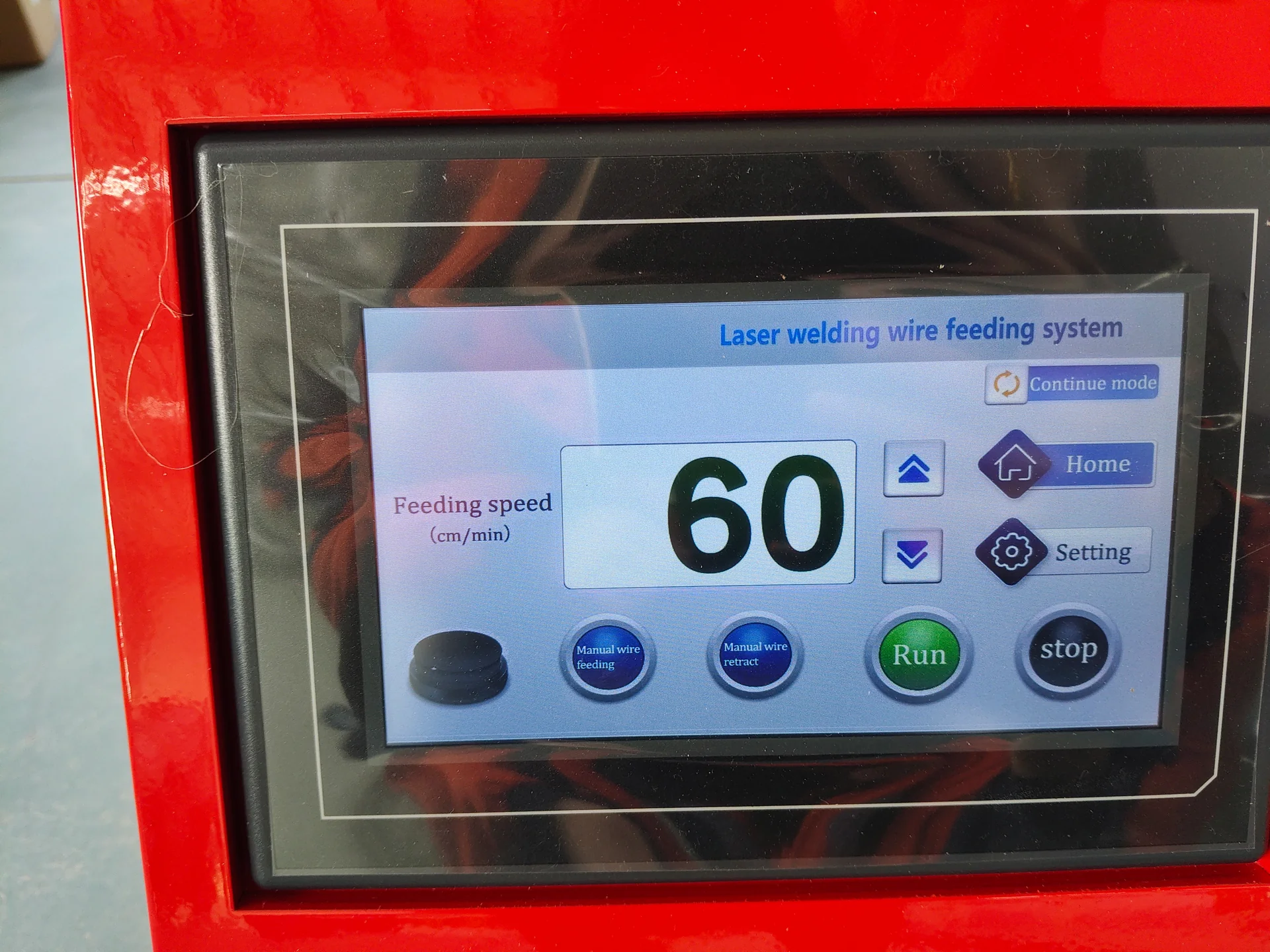
Equipment touchscreen showing process settings

Software and Parameters

Should we update software whenever a new version appears?

Not automatically. Confirm compatibility with the controller, drives, options, programs, licenses and backups. Record the current version and change reason. Follow the approved update method and retain a recovery path.

Can we copy parameters from another machine of the same model?

Do not assume the configuration is identical. Hardware, calibration, axis direction, options and revisions can differ. Use the machine-specific backup and qualified guidance.

What should be backed up?

Depending on the machine, retain controller parameters, PLC or configuration files, tool and material libraries, programs, robot jobs, offsets, calibration data and license information. Store a protected copy with the machine identity and date.

Reviewing written terms; reference

Warranty and Spare Parts

Does a failed component automatically qualify for warranty?

No. Diagnosis identifies the failed item and cause. Warranty review then compares the evidence with the terms for the order. Consumables, wear, utilities, maintenance, external damage, unauthorized changes and third-party terms may be treated differently.

Read Warranty and Service

How do we order the correct spare part?

Send the machine model and serial number, order reference, component label, part number, location, connectors and photographs. Spare Parts Identification explains the complete request.

Should we keep critical spares?

Evaluate failure impact, lead time, wear, local availability and storage life. Keep exact part and revision records. A small sensor can be more production-critical than an expensive assembly.

Training and Responsibility

Engineers at a machining installation; illustration

What should operator training cover?

Safe startup and shutdown, controls, program or file handling, loading, tooling, process setup, inspection, alarms, routine care and the boundary between operator work and qualified maintenance. Training should include supervised hands-on tasks.

Can a trained operator repair electrical or laser systems?

Operator training does not automatically qualify someone for restricted electrical, optical, gas, hydraulic or safety work. Use personnel with the required competence and authority.

CHENDA open laser cutting machine

Still Need Help?

For an installed-machine issue, submit a technical support request. For a new project, contact CHENDA or request a technical quote.