The correct spare part is defined by the installed machine and component revision, not by appearance alone. CHENDA uses the machine model, serial number, order reference, component label, location and connector or interface details to identify a replacement. This reduces the risk of receiving a part that looks similar but cannot be installed, configured or supported.
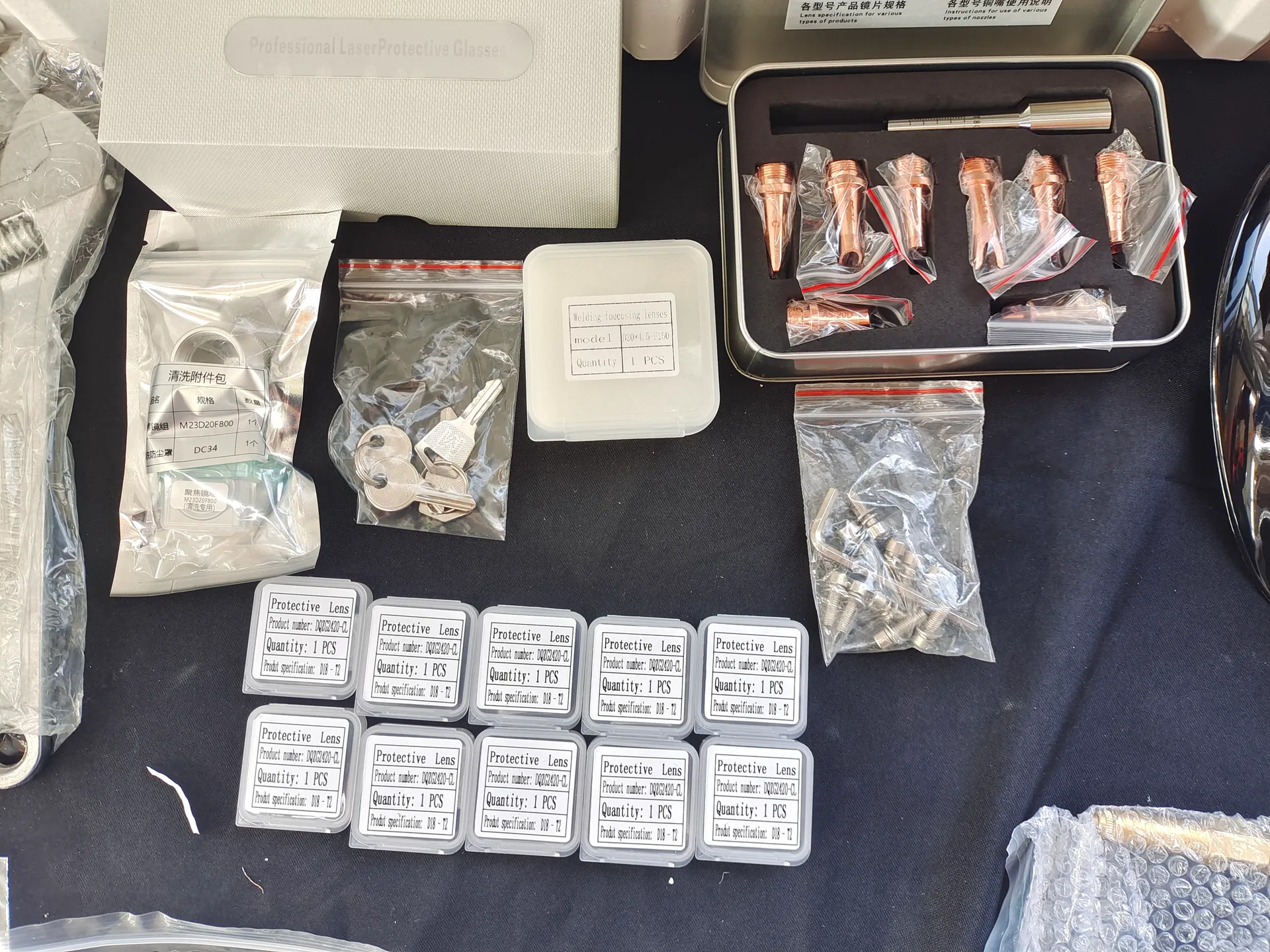
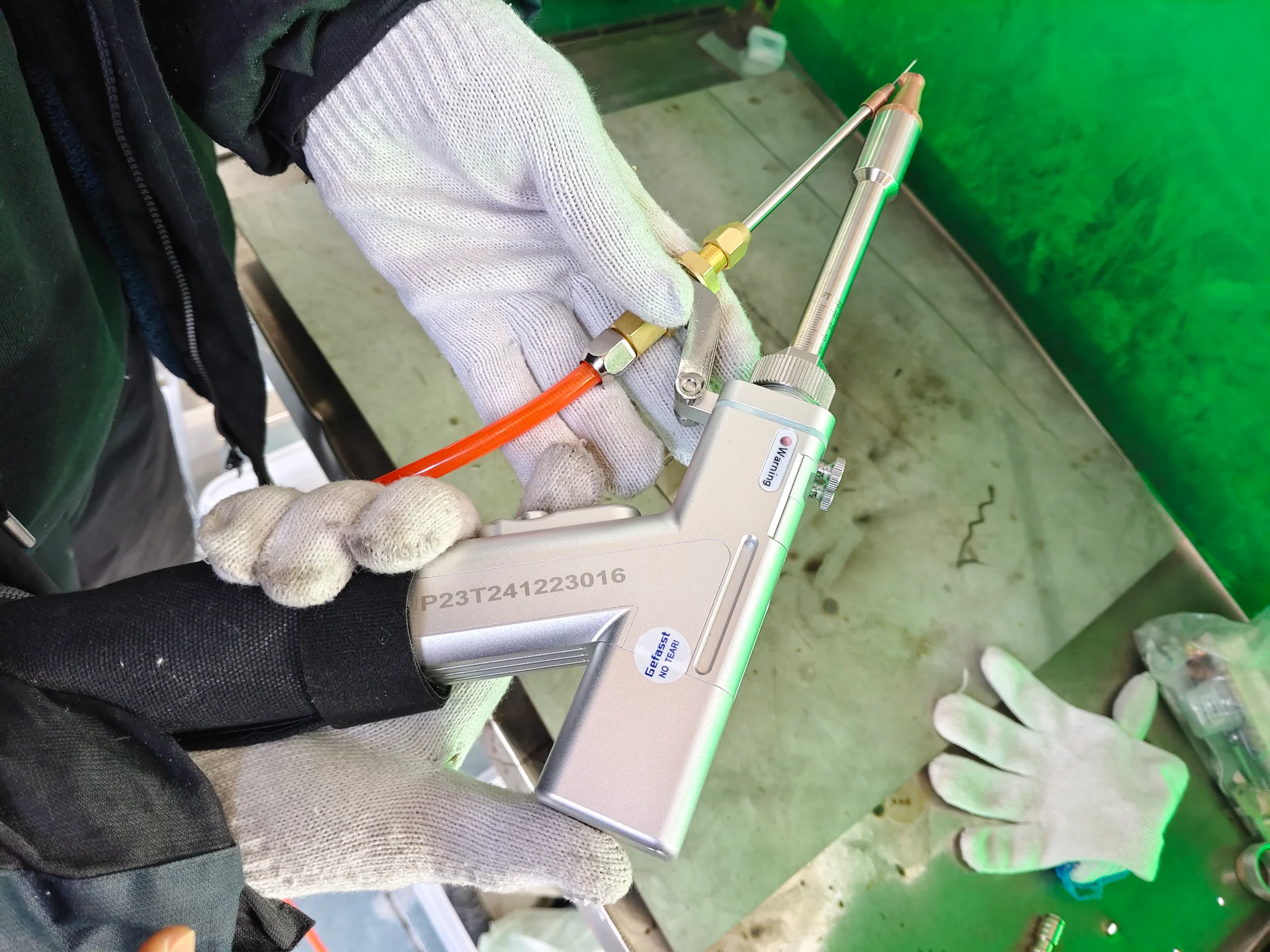
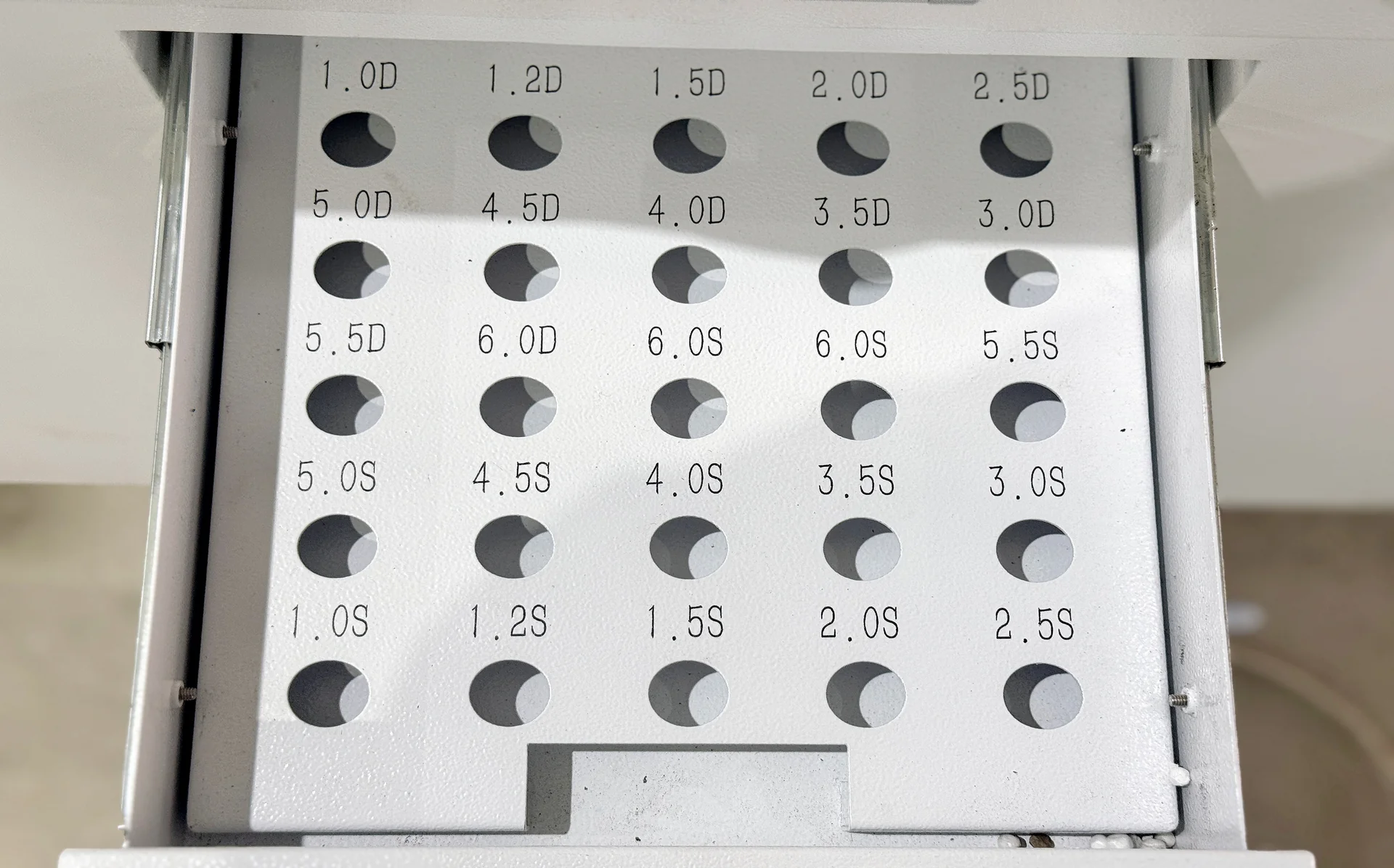
Welding nozzles, protective optics and accessories
Information Required for Every Request
Send one complete record:
Company, site and contact person
Machine model and serial number
Order, invoice or project reference if available
Component name and its location on the machine
Manufacturer, model, part number and serial number from the label
Clear overview and close-up photographs
Connector faces, cable labels and mounting arrangement
Dimensions when no readable part number exists
Quantity required
Whether the part failed, is damaged, is worn or is being stocked preventively
Current machine status and any alarm or diagnosis
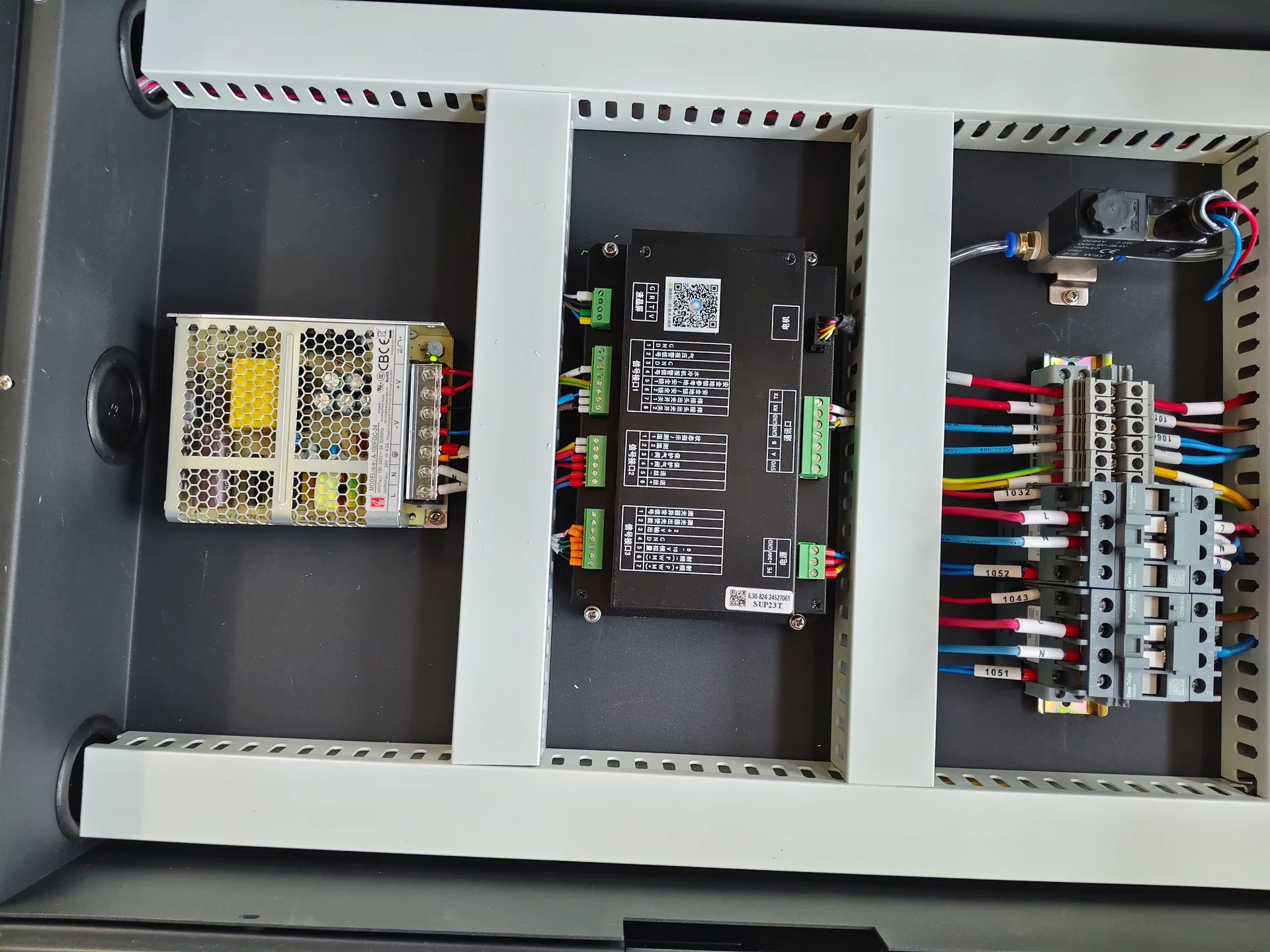
Include the installed assembly and readable component labels
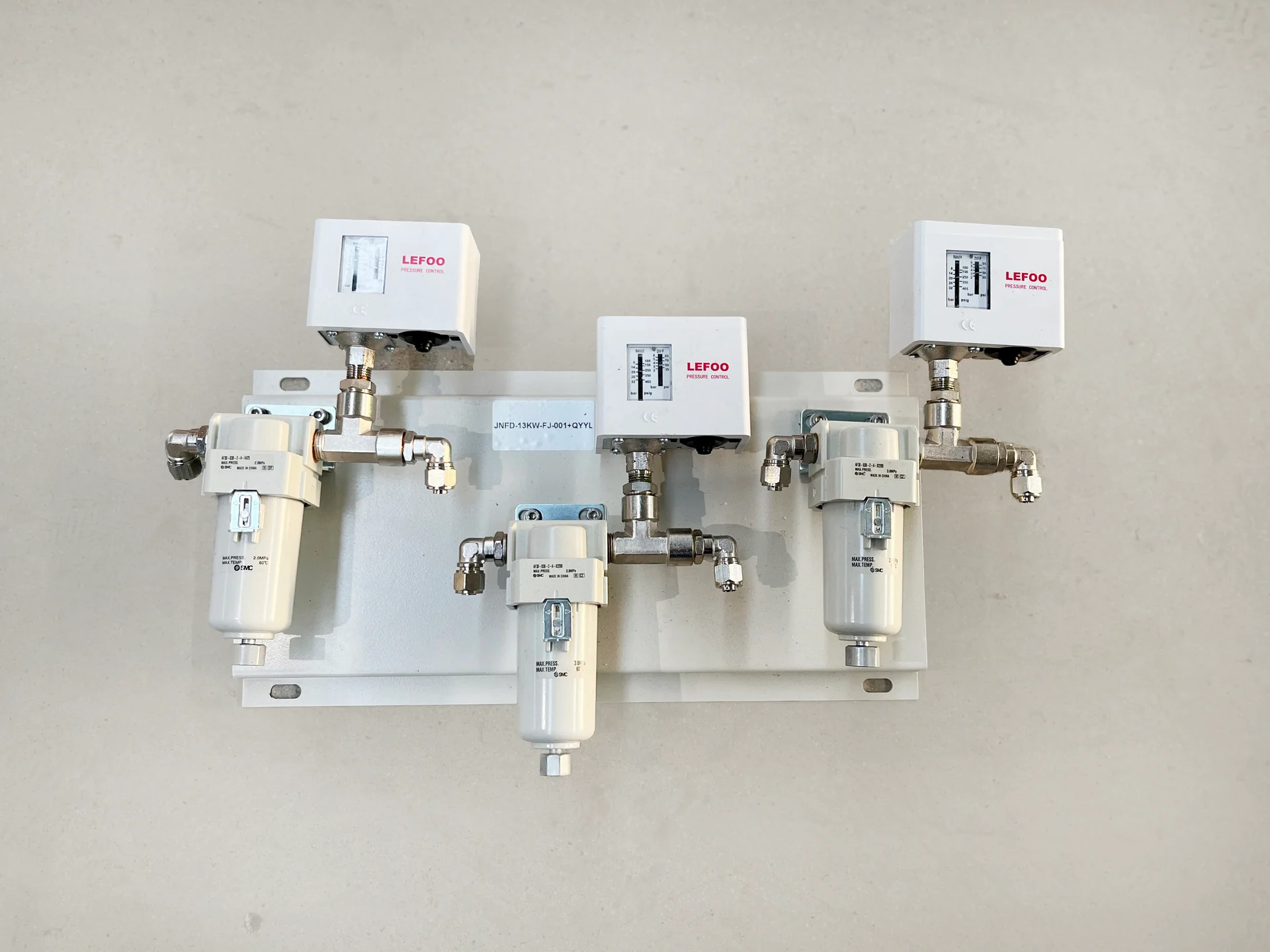
Photograph the label straight on and in focus. A cropped image of one code can hide the manufacturer, voltage, revision or connector option needed for identification.
Consumable, Wear Part or Repair Part
These categories require different planning.
Process consumables
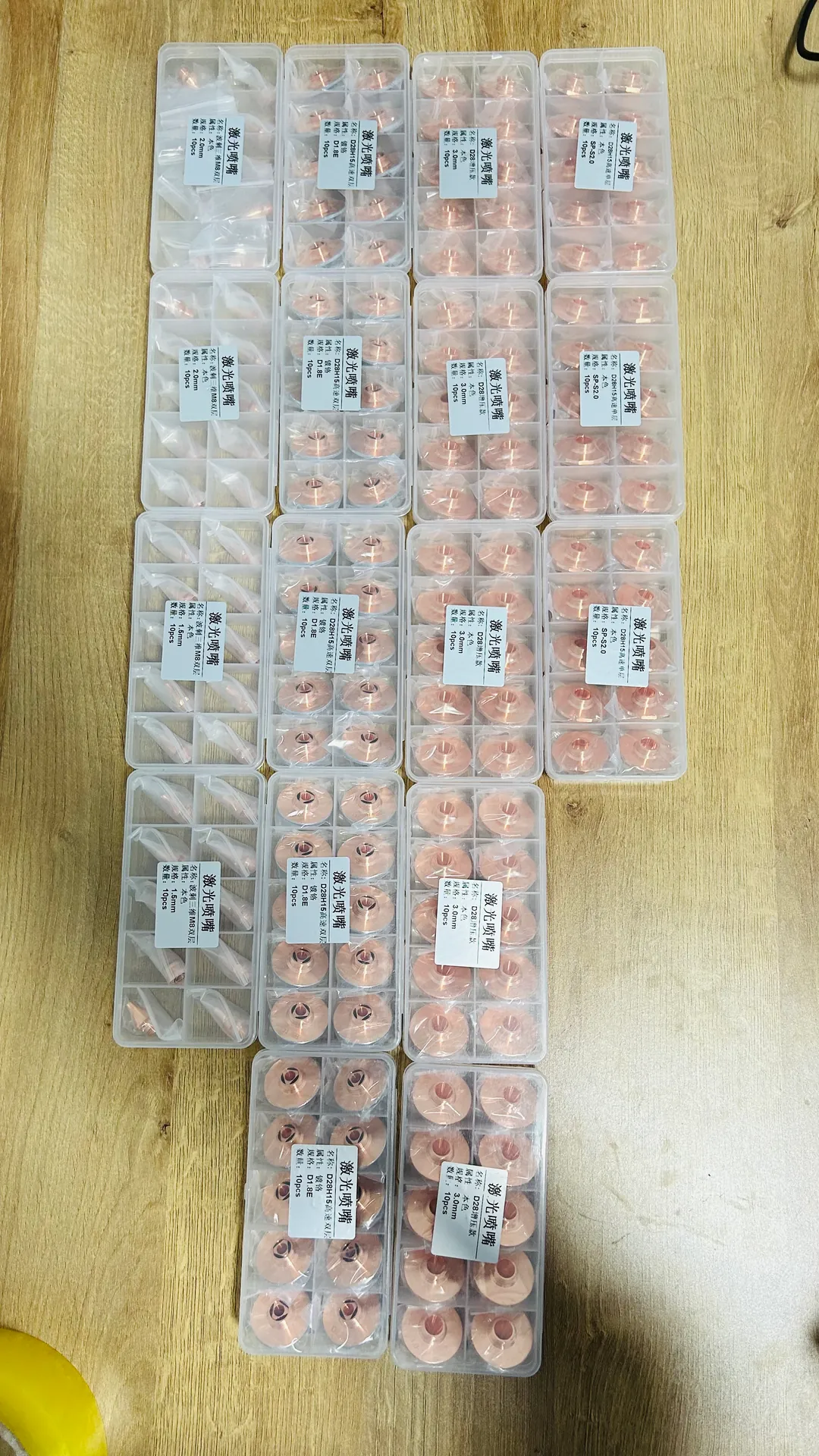
Consumables contact the process or need regular replacement. Depending on the machine, examples can include laser nozzles and protective optics, welding wire and torch items, filters, abrasives, knives or creasing tools. The correct item depends on head, holder, thread, diameter, material, coating or revision.
Wear and maintenance parts
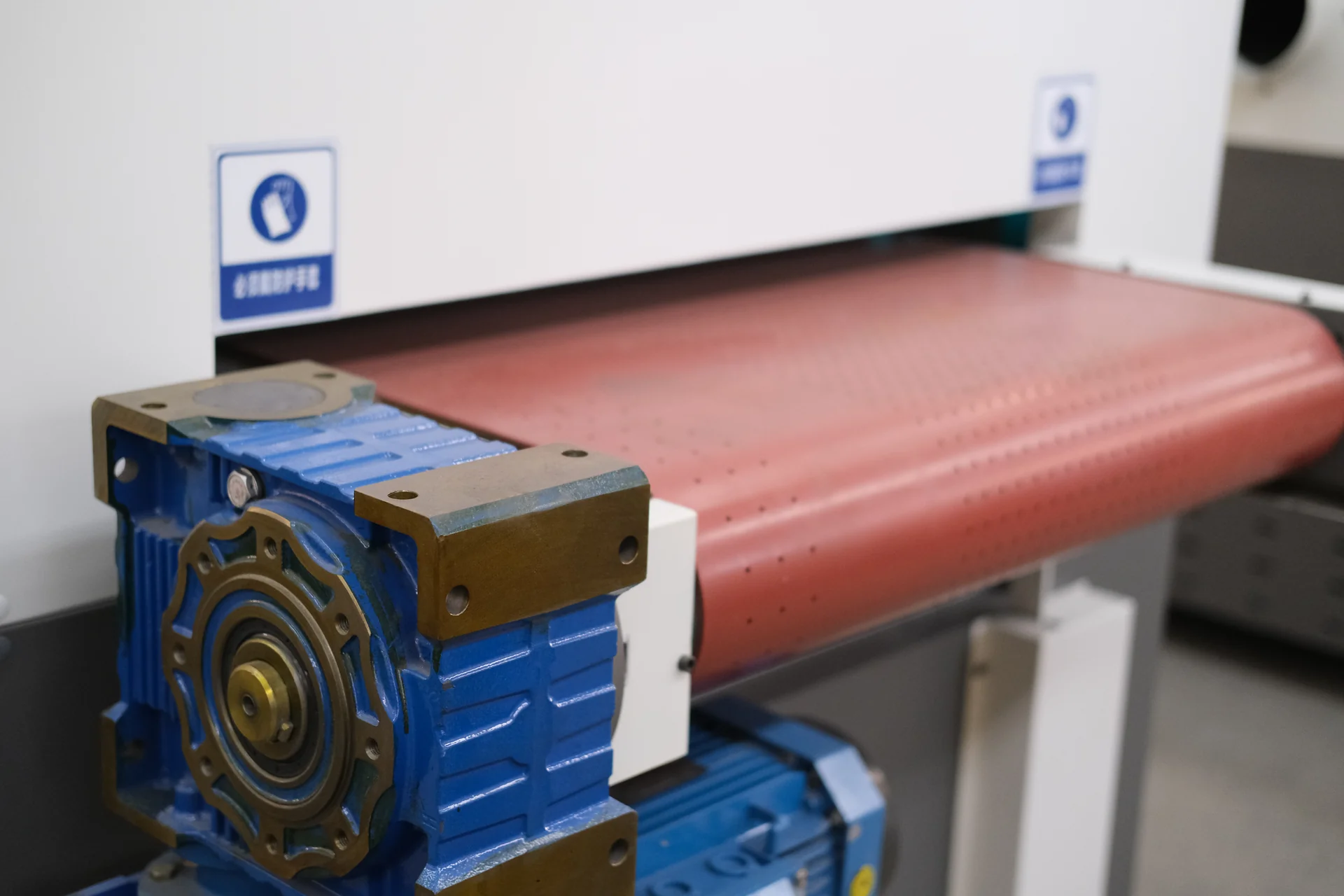
Wear items lose performance through normal use. Examples can include seals, belts, brushes, bearings, conveyor surfaces, filters and selected lubrication items. Replacement intervals depend on hours, load, environment and maintenance. Use the delivered manual and inspection condition rather than a universal schedule.
Failure and repair parts
Drives, sensors, valves, motors, control modules, power supplies and other components should normally be diagnosed before replacement. A fault code can point to a detected condition without proving which part failed. Incorrect utilities, wiring, contamination, alignment or parameters can make a healthy replacement appear faulty.
Why Model and Serial Number Matter
Industrial machines can change during their production life. Two machines with the same commercial model may use a different cable, software version, voltage, mounting plate or supplier revision. Order-specific options can also change compatibility.
Machine identity allows CHENDA to compare the request with the project configuration where records are available. Component identity then confirms the installed revision. If the original label is missing, provide the surrounding assembly, wiring references and measurements and expect additional review.
Evidence for Diagnosis
When a part has failed, include the conditions that could explain the failure:
Full alarm and event sequence
Voltage, phase, grounding or utility changes
Gas, air, cooling, hydraulic or lubrication condition
Recent maintenance, cleaning or replacement
Collision, overload, leak, overheating, unusual sound or odor
Software, parameter or wiring changes
Photos of damage and the installation environment
Do not energize a visibly damaged part or bypass protection to test it. Preserve the failed item and label until CHENDA confirms whether inspection or return is needed.
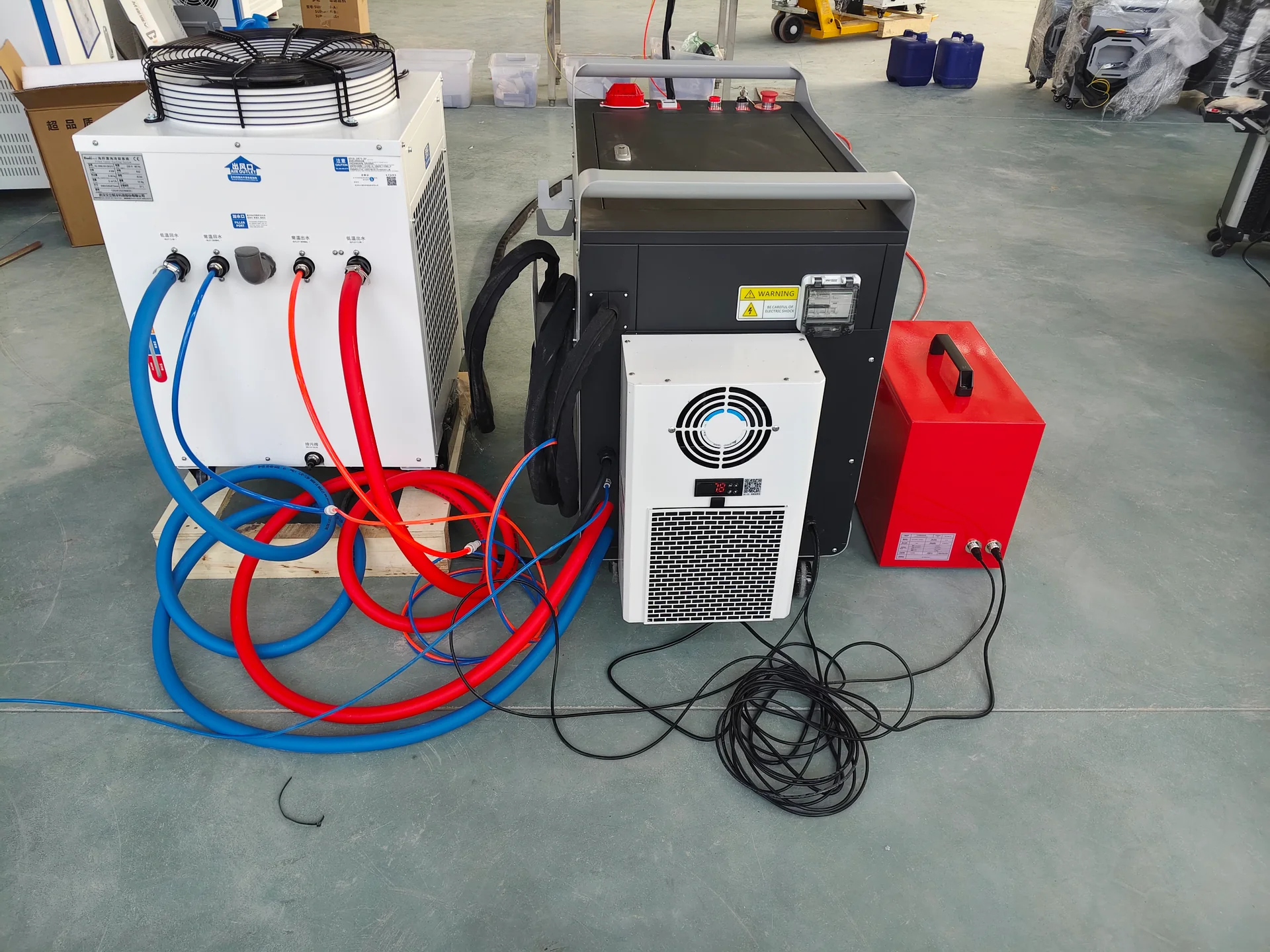
Technical inspection · reference photograph
Category-Specific Identification
Laser cutting
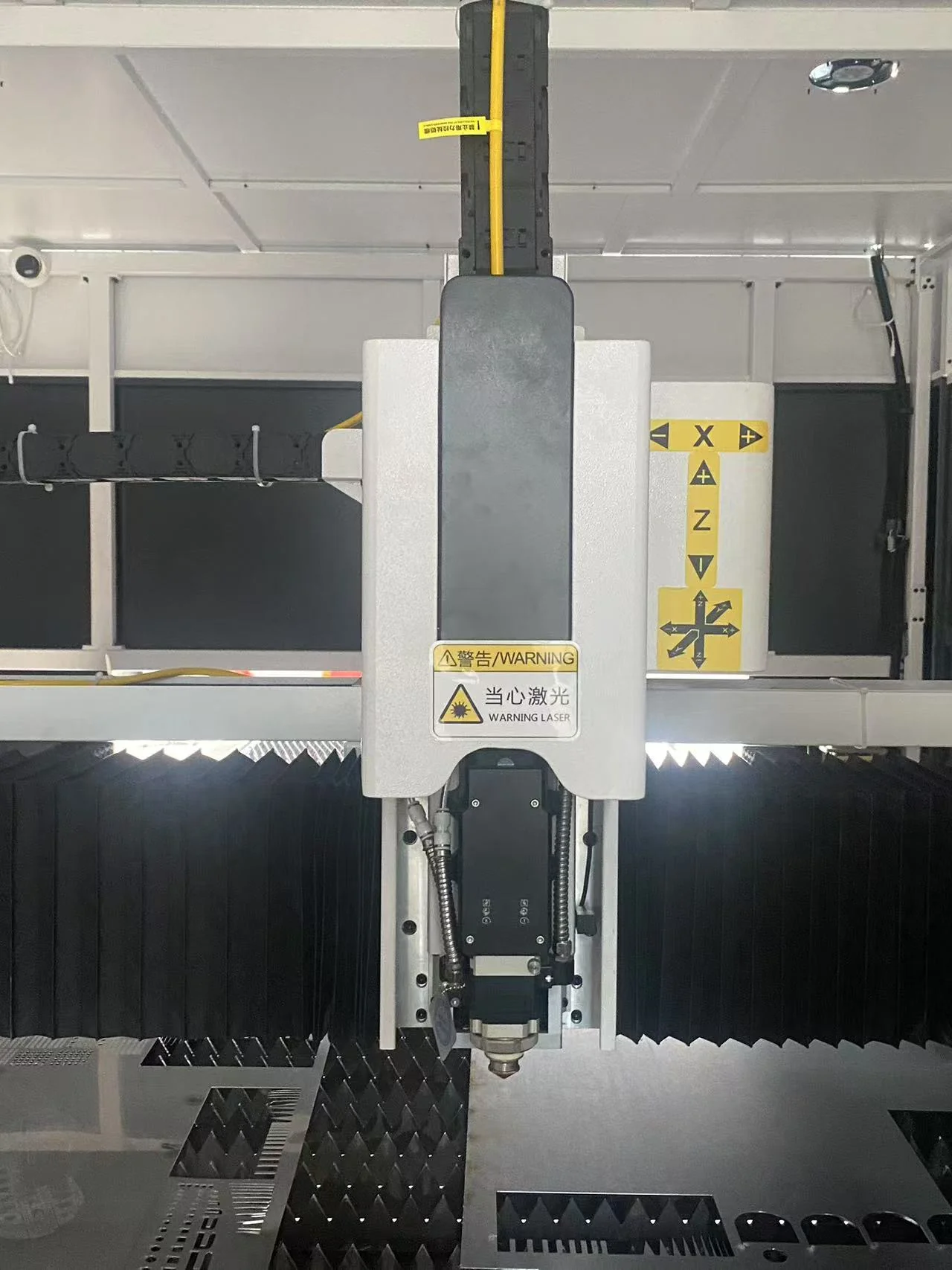
State the cutting head model, laser source, controller and machine. For nozzles or lenses, include holder, diameter, thread, focal or protective position and existing package code. For motion or electrical parts, show the label and cable or connector.
Press brakes
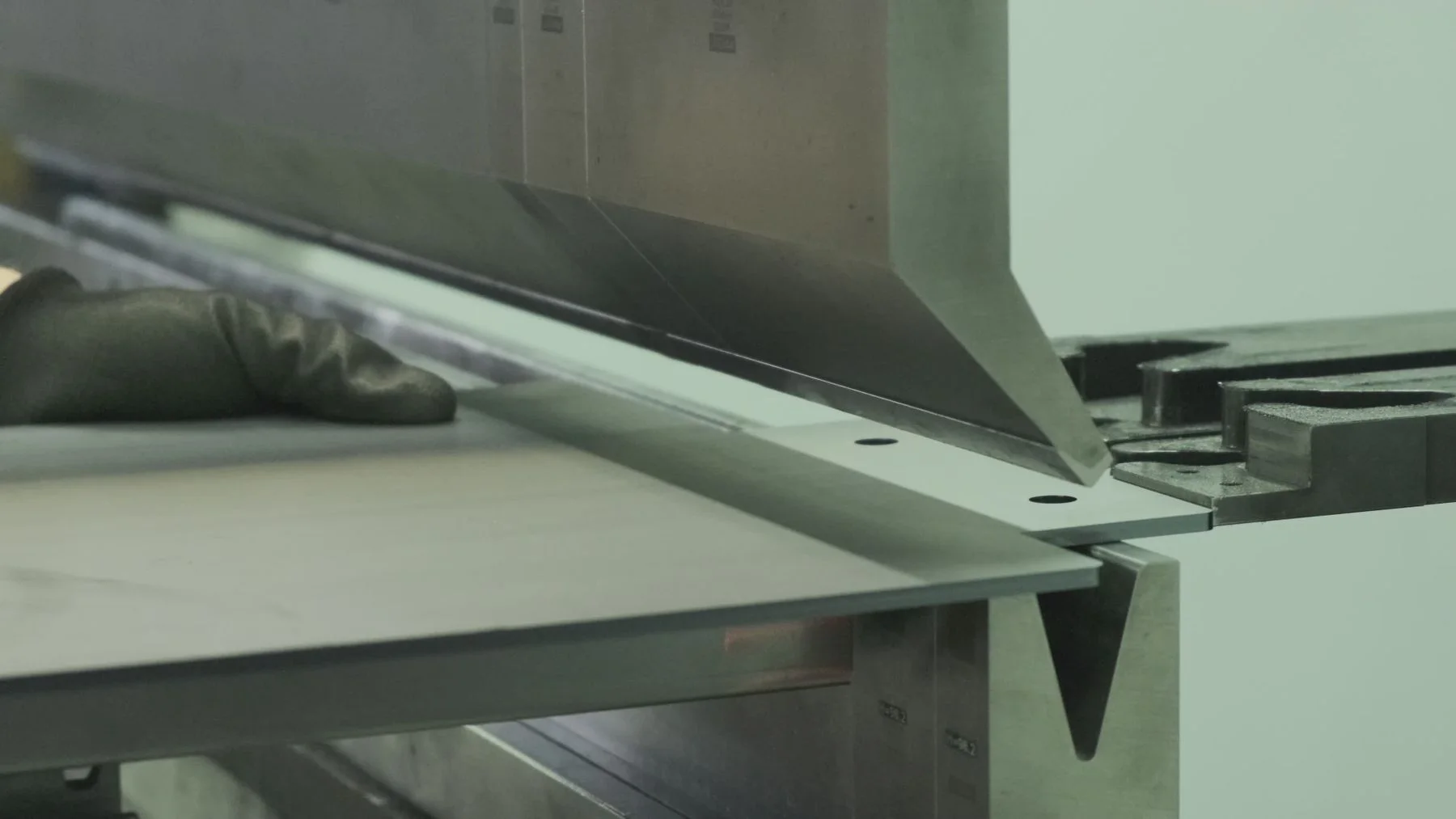
For tooling, provide machine length, clamping type, punch and die profile, material, die opening, segment lengths and drawing. For hydraulic or backgauge parts, send the machine and component labels plus installation views.
Welding systems
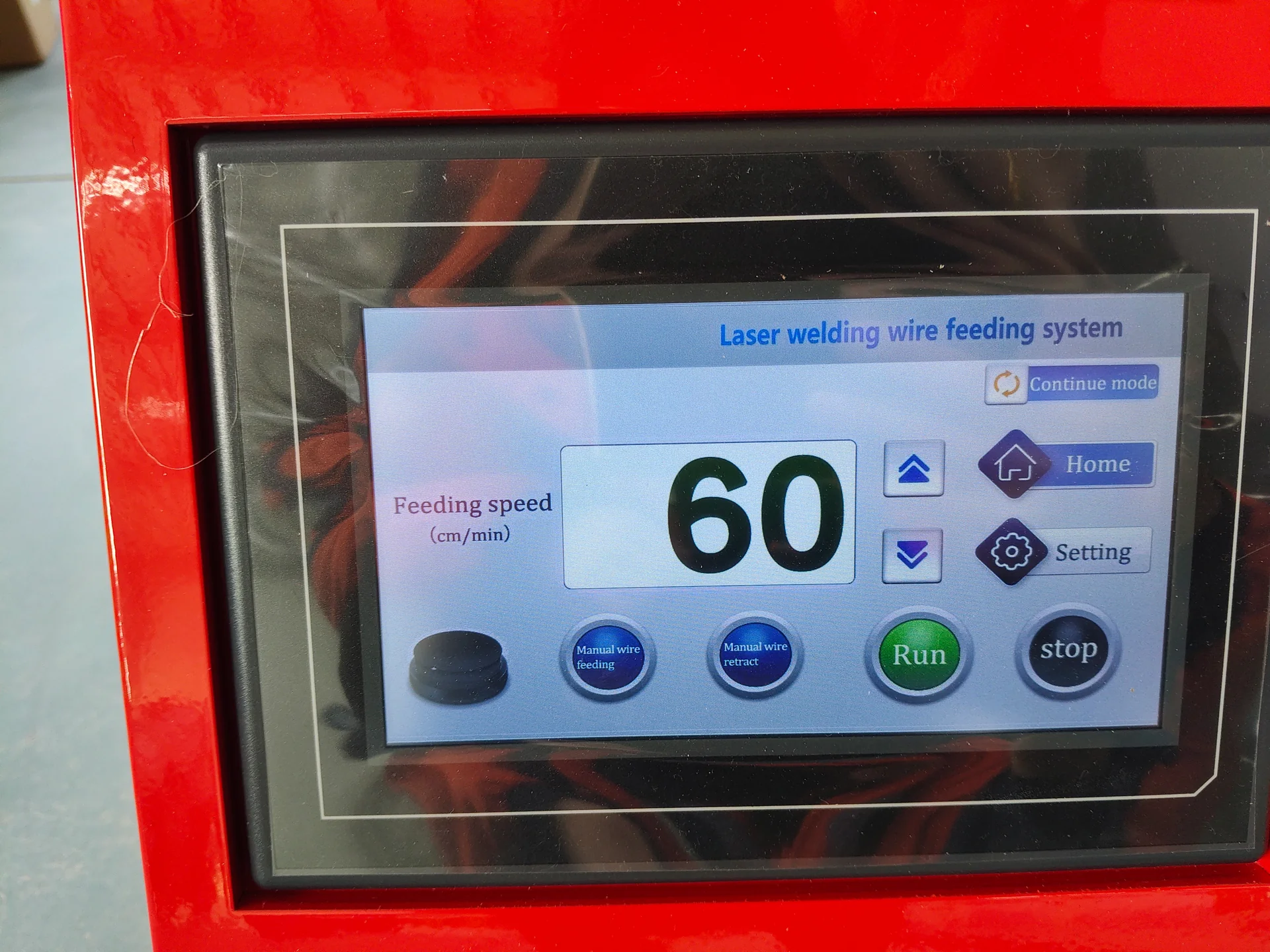
Identify whether the system is laser or MIG/MAG. State the power source, torch or head, wire feeder, robot and cooling system as applicable. Similar-looking torch consumables can have different current, cooling and wire compatibility.
Laser cleaning and marking
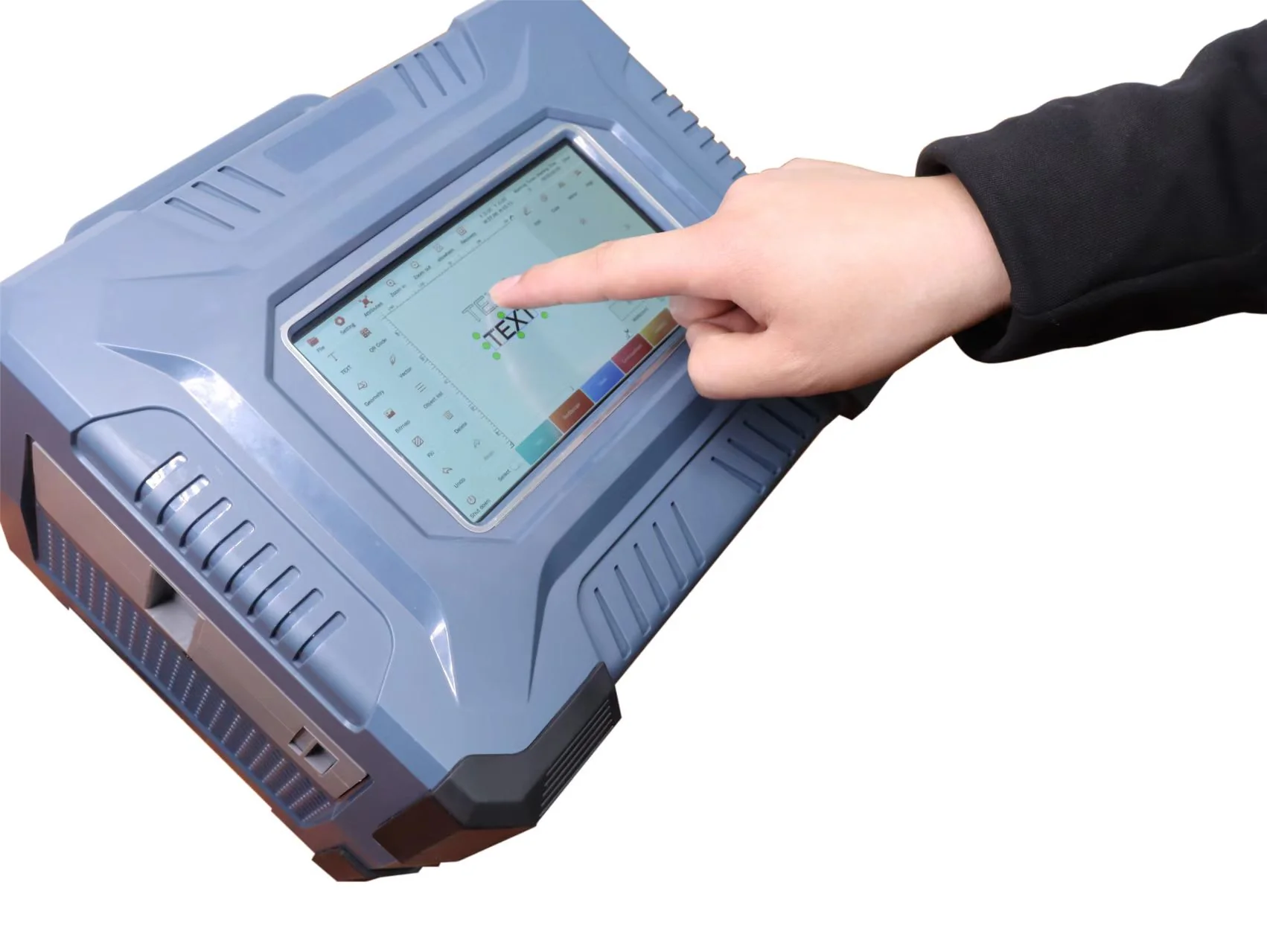
Provide source, scan head, lens, field or working area and connector information. Optics and heads should be handled in a clean environment according to the manual.
Deburring and digital cutting
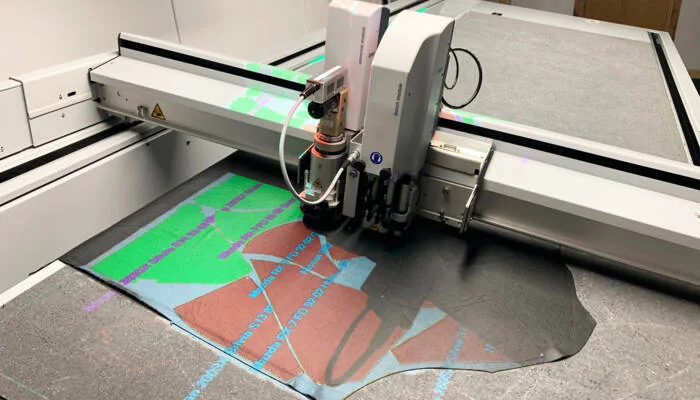
For abrasives, brushes and belts, provide dimensions, backing and grit or type. For digital tools, provide holder, blade or wheel type, angle, dimensions and intended material. Include a photo of the installed assembly.
Air compressors
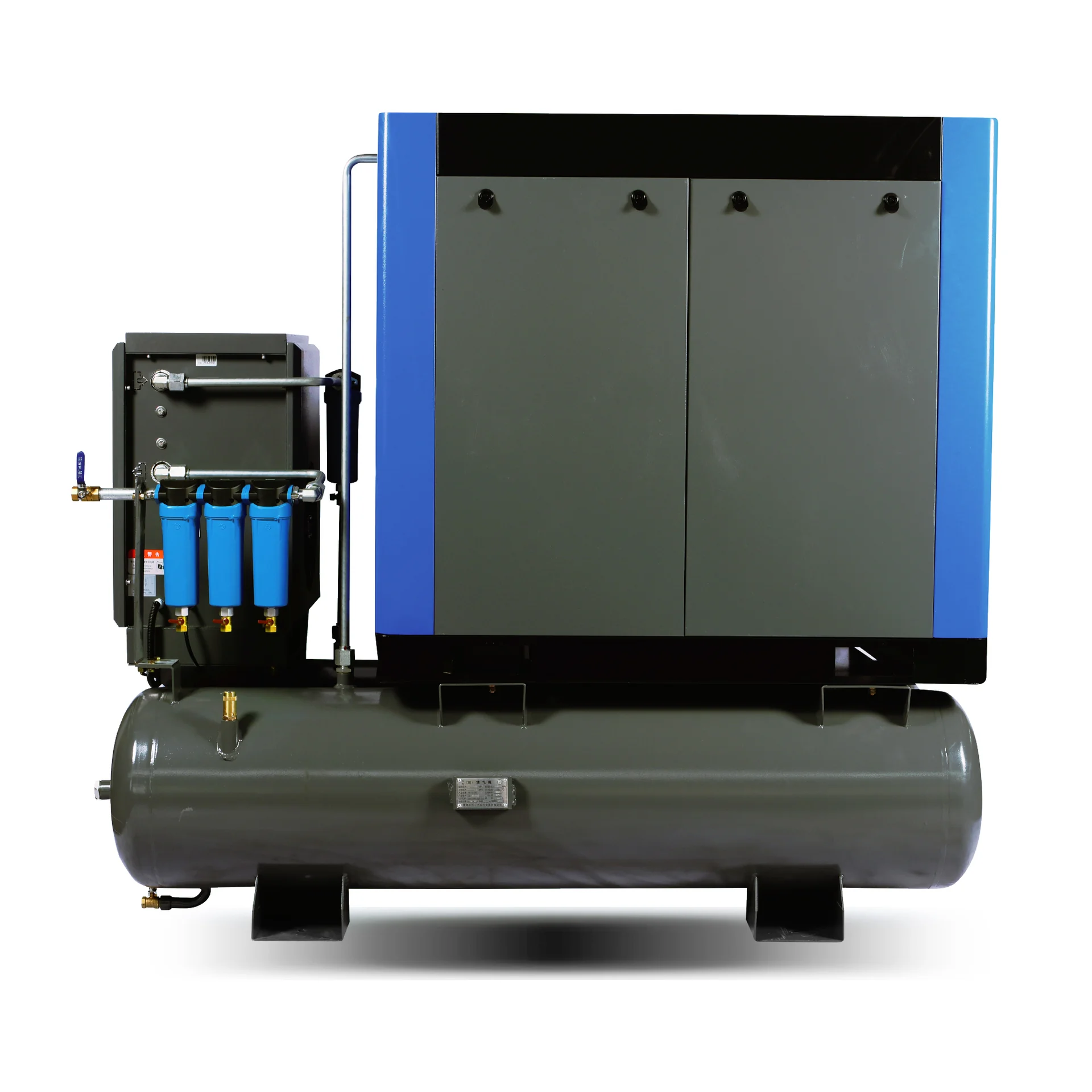
State compressor model, serial number, pressure, motor and controller information. For filters or service kits, identify the exact stage and installed element code.
Critical Spare-Part Planning
Choose stock from failure impact, lead time, wear rate and local availability. A practical plan can separate:
Daily or regular process consumables
Scheduled maintenance kits
Low-cost sensors and electrical items that can stop production
Unique imported or configured components with long replacement paths
Items that should not be stored without controlled temperature, humidity or shelf-life management
Do not build a critical-spares list only from price. A small connector or sensor may stop the line, while an expensive assembly may be locally repairable or unlikely to fail.
For each stocked item, record the machine, part number, compatible revision, quantity, storage condition and date received. Keep electronics dry and protected from static or corrosion. Protect optics, blades and seals from contamination and deformation.
Compatibility and Substitution
If the original part is unavailable, a proposed substitute should be reviewed for physical fit, electrical rating, signals, communication, software, performance, safety and documentation. A motor with the same power may use a different encoder. A sensor with the same thread may have a different output. A controller may require parameter conversion or license support.
Do not authorize a substitution from a marketplace photo. Ask CHENDA to state what has been checked and whether configuration, wiring, programming or commissioning is required.
Ordering and Shipping Questions
The quotation for a part should identify the part, quantity, price, availability basis, shipping term and any programming, return or exchange condition. Confirm:
Whether the item is new, repaired or exchange
Whether software, parameters or calibration are included
Whether old parts must be returned
Required packaging for a return
Import, dangerous-goods or battery restrictions
Who pays freight and customs costs
How transport damage will be documented
Availability and delivery timing are confirmed per request. This page does not promise that every historic or third-party component remains in stock.
After Replacement
Record the date, machine hours if available, part number, old and new serial numbers, reason for replacement, person completing the work and any parameters or tests. Check the root cause before returning the machine to production. Repeated replacement of the same fuse, lens, seal, sensor or belt indicates an unresolved condition.
Only qualified personnel should work inside electrical cabinets, laser paths, hydraulic systems, gas systems or guarded areas. Restore covers and protective functions before production.
Copyable Spare-Part Request
Company and site:
Contact person:
Machine model:
Machine serial number:
Order reference:

Part name or function:
Installed location:
Manufacturer and model:
Part number and serial number:
Quantity:

Reason for request:
Alarm or symptom:
Recent maintenance or event:
Machine stopped safely: yes / no

Attachments:
- Machine nameplate
- Part label
- Installed overview
- Connectors and mounting
- Damage or alarm evidence