CHENDA · Furniture & cabinet production

Equipment for Metal Furniture and Cabinet Manufacturing

Metal furniture and cabinet production depends on repeatable flat patterns, clean edges, controlled bends, consistent corners and surfaces ready for coating or final assembly. Typical products include electrical and network cabinets, storage systems, lockers, workbenches, shelving, drawers, doors, frames and furniture components.

A strong equipment plan connects sheet metal laser cutting, deburring, bending, welding and marking. The production mix determines whether flexible manual handling or higher automation creates more value.

01 / Group the parts that repeat

Start With the Product Family

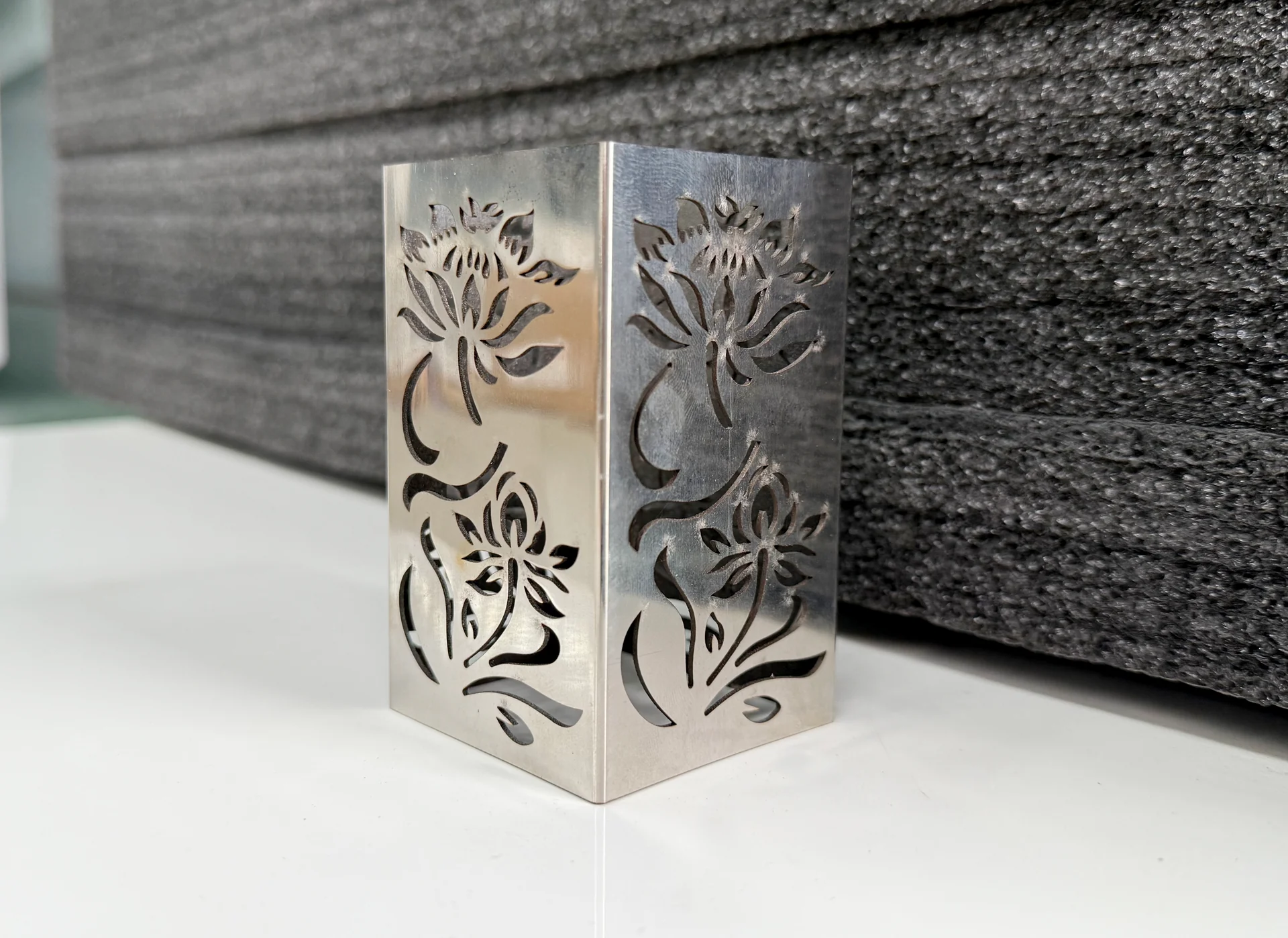
Sheet metal sample with a formed angle and floral cutout features
Cut and bent sheet sample

Cabinet and furniture factories often make many sizes from shared construction details. Group parts by process rather than product name:

  • Large visible panels and doors
  • Side, top and bottom panels with repeated bends
  • Shelves and drawers with shallow forms
  • Frames and tube structures
  • Small brackets, hinges and mounting parts
  • Reinforcements and concealed structural parts
  • Decorative or customer-specific panels

For each group, record material, thickness, finish, largest flat blank, bend sequence, visible faces, joining method and normal batch. This shows whether one general-purpose line or separate cells will schedule better.

02 / Geometry meets appearance

Cutting for Fit and Appearance

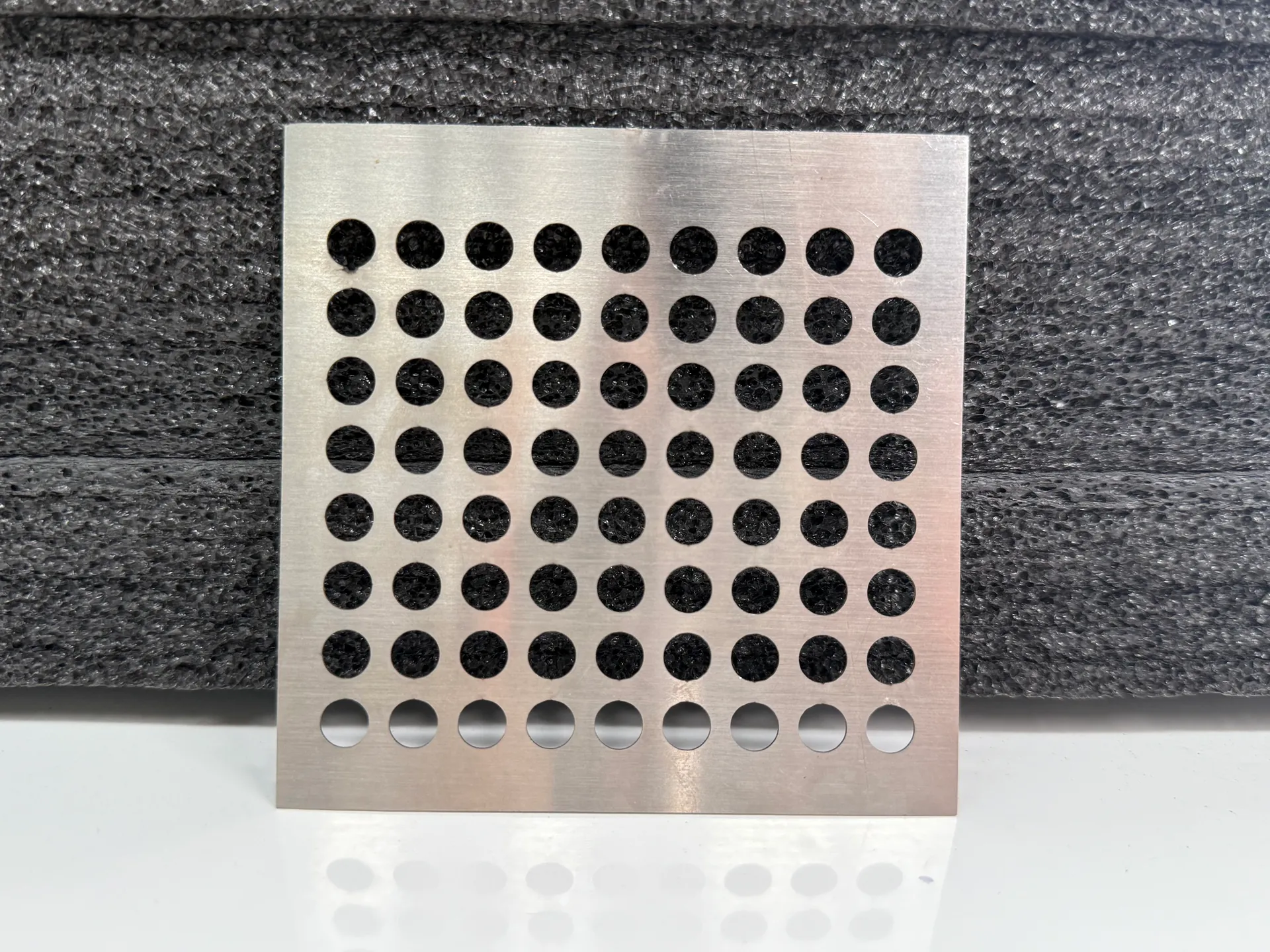
Metal plate with repeated round holes and a visible brushed surface
Hole pattern and visible surface · sample detail

Laser cutting creates the flat blank, mounting holes, ventilation patterns, tabs, slots and location features. Quality should be defined by the next operation:

  • Hole and slot positions must support assembly and hardware
  • External dimensions must fit the bend deduction and finished box
  • Cut edges should not damage operators, cables or coatings
  • Visible surfaces should remain protected from scratches
  • Small decorative features should remain stable without excessive heat effect
  • Tabs and locating features should improve fit-up without becoming visible defects

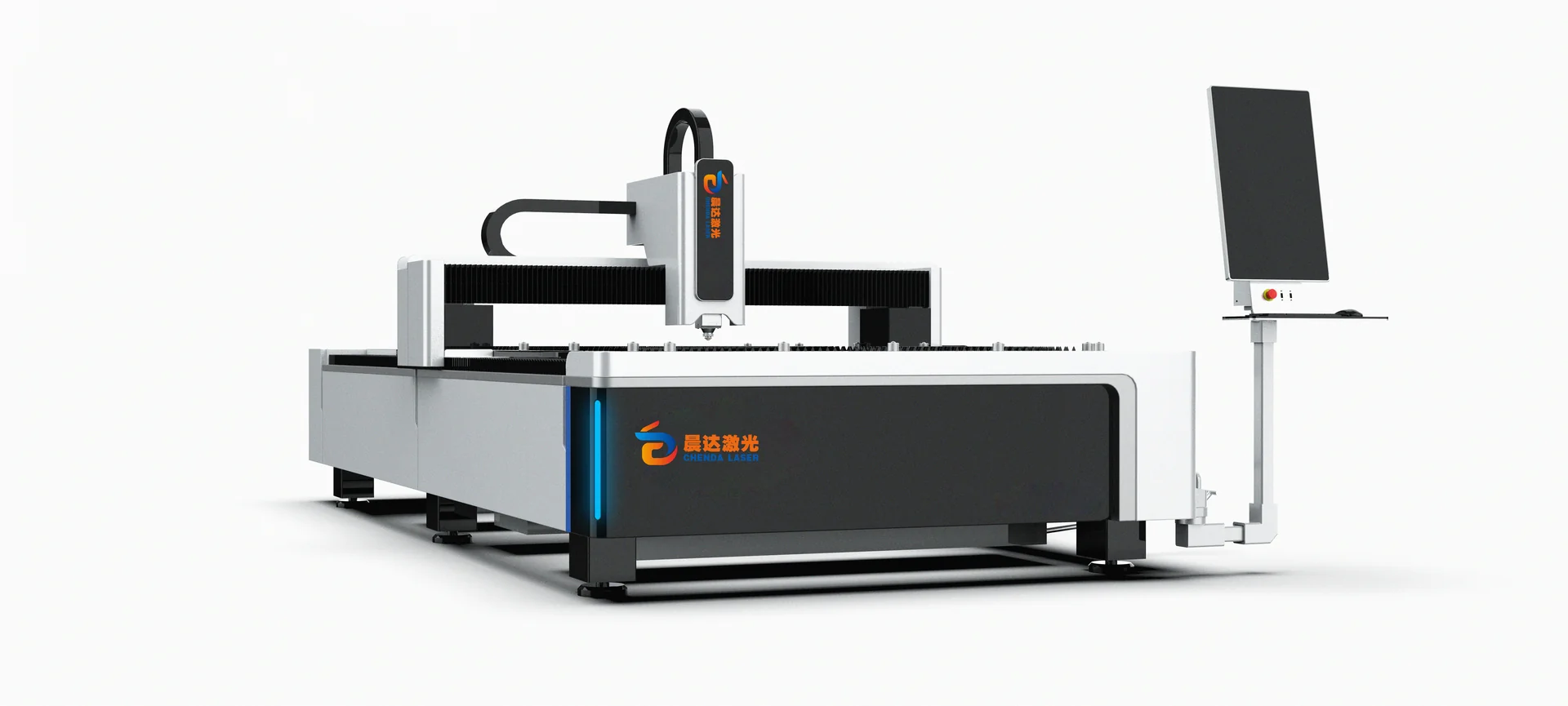
An open sheet laser can suit varied parts and direct loading. An exchange-table configuration can support loading and removal while cutting continues. An enclosed configuration can improve process separation and extraction when specified appropriately. For repeated thin-sheet parts, evaluate sheet automation or coil processing only after checking flatness, surface protection and downstream sorting.

Nesting should consider more than material utilization. Mix parts so that operators can identify and route them. Avoid nests that save sheet area but create sorting errors or leave delicate panels buried under small hot parts.

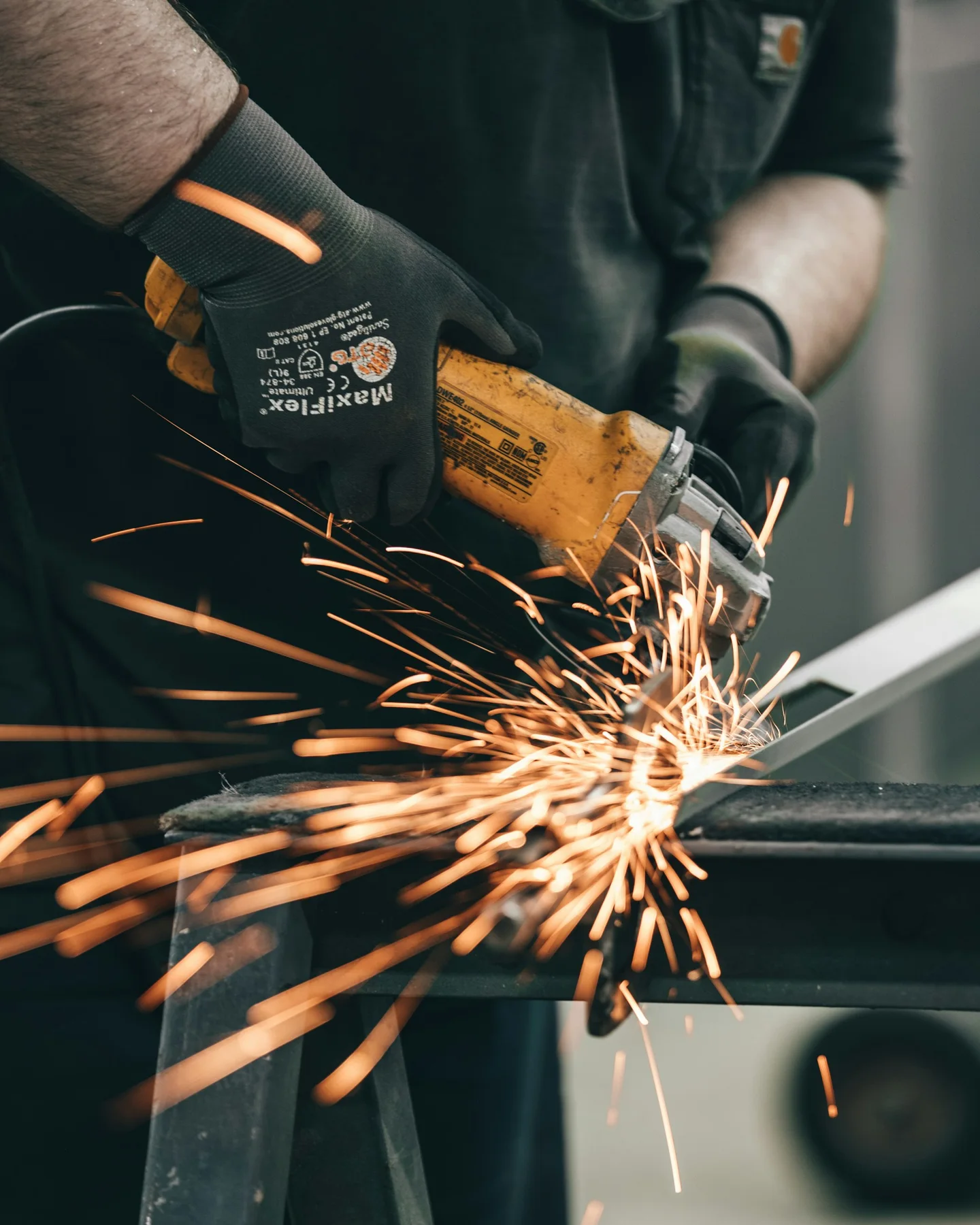
Metal edge grinding with an abrasive wheel; industry process illustration
Metal edge finishing · process illustration

03 / Prepare the contact edge

Edge Preparation Before Bending and Coating

Manual grinding often becomes a hidden labor and consistency problem. A deburring and finishing machine may remove burrs, round edges or create a controlled surface finish. Test actual doors, small brackets and film-protected parts because the workpiece-holding requirement differs.

Define the acceptable edge by use:

  • Touch-safe for manual assembly
  • Suitable for wiring and cable access
  • Prepared for powder coating or paint
  • Uniform on visible edges
  • Minimal rounding where tight fit or hardware location matters

Excessive edge rounding can change small features. Heavy abrasive work can damage film or directional finishes. Specify both what must be removed and what must be preserved.

04 / From the blank to the box

Press-Brake Selection and Bend Control

Cabinets often require long bends, short flanges, return bends, hems and box shapes. Send finished and developed drawings so the bend sequence and collision envelope can be reviewed.

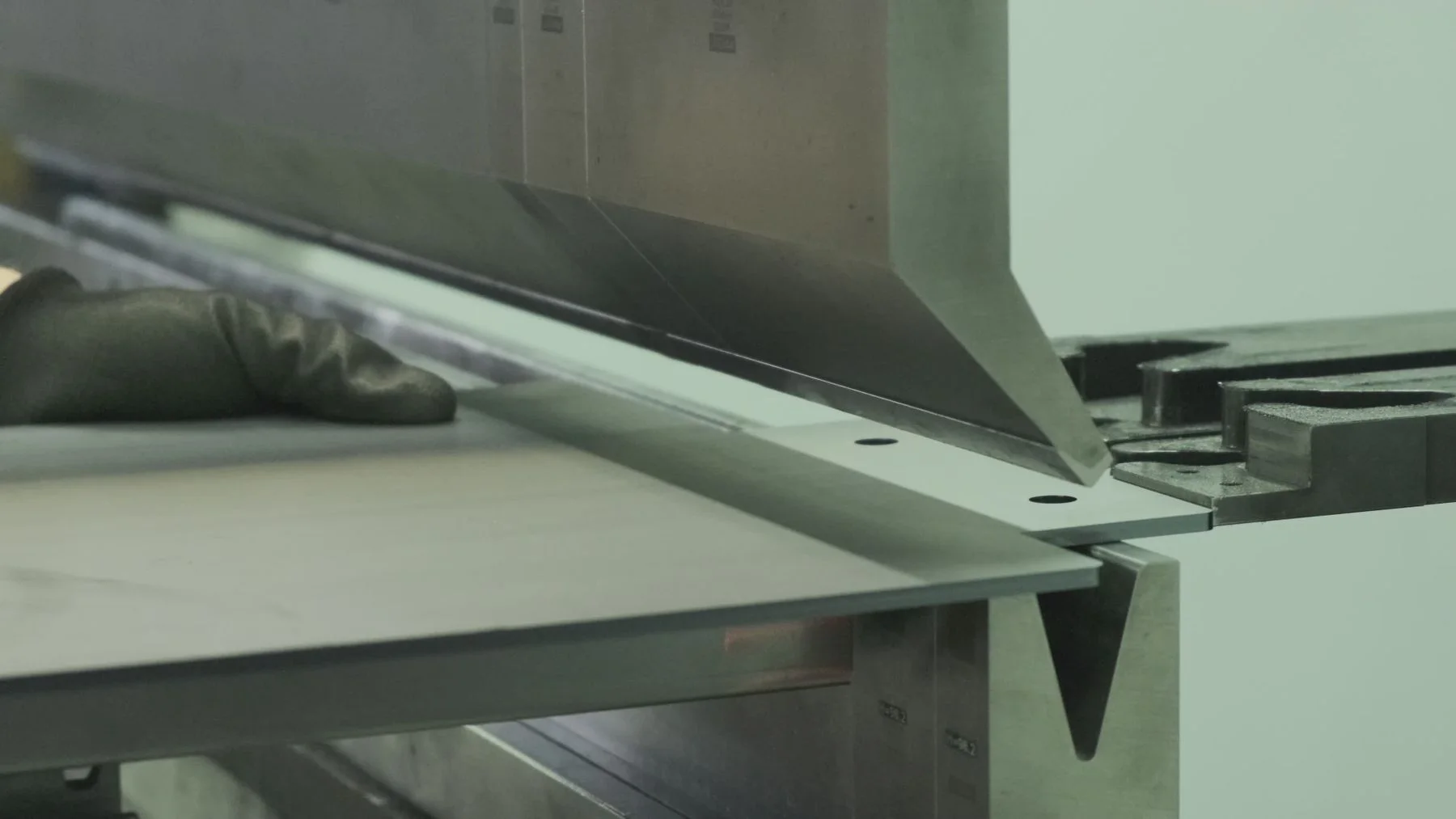
Press-brake tooling forming sheet metal; industry process illustration
Sheet forming at the punch and die · process illustration

Key selection inputs include:

  • Material and thickness
  • Maximum and normal bend length
  • Inside radius and die opening
  • Shortest flange and deepest box
  • Number of bends per part
  • Part weight and support
  • Angle and flange tolerance
  • Visible-surface tooling marks
  • Tool changes and product variation

Torsion-bar press brakes may suit simpler work. Electro-hydraulic CNC machines provide a different control and axis direction for varied or precision work. Electric press brakes may suit selected part sizes and production priorities. Confirm the actual capacity, tooling, backgauge, compensation and safety configuration in the quote.

Material springback and bend deduction should be controlled by material lot, tooling and a verified program. Reusing a nominal value across different grades or coatings can shift finished dimensions.

05 / Keep the panel true

Joining Without Losing the Panel Geometry

Cabinet assemblies may use spot welding, arc welding, laser welding, fasteners or tabs. The right method depends on strength, visible surface, seam length, material, coating and production rate.

Handheld laser welding can support flexible thin-metal joining on suitable joints, but fit-up and laser safety matter. Automatic laser welding or robotic welding becomes more relevant when the part datum, seam and fixture repeat. Robotic MIG/MAG may suit a different frame or heavier joint than a laser process.

Fixture design should hold critical dimensions without blocking the torch or trapping heat. Use a welding sequence that controls distortion. Evaluate the assembly after cooling, not only the appearance of the hot seam.

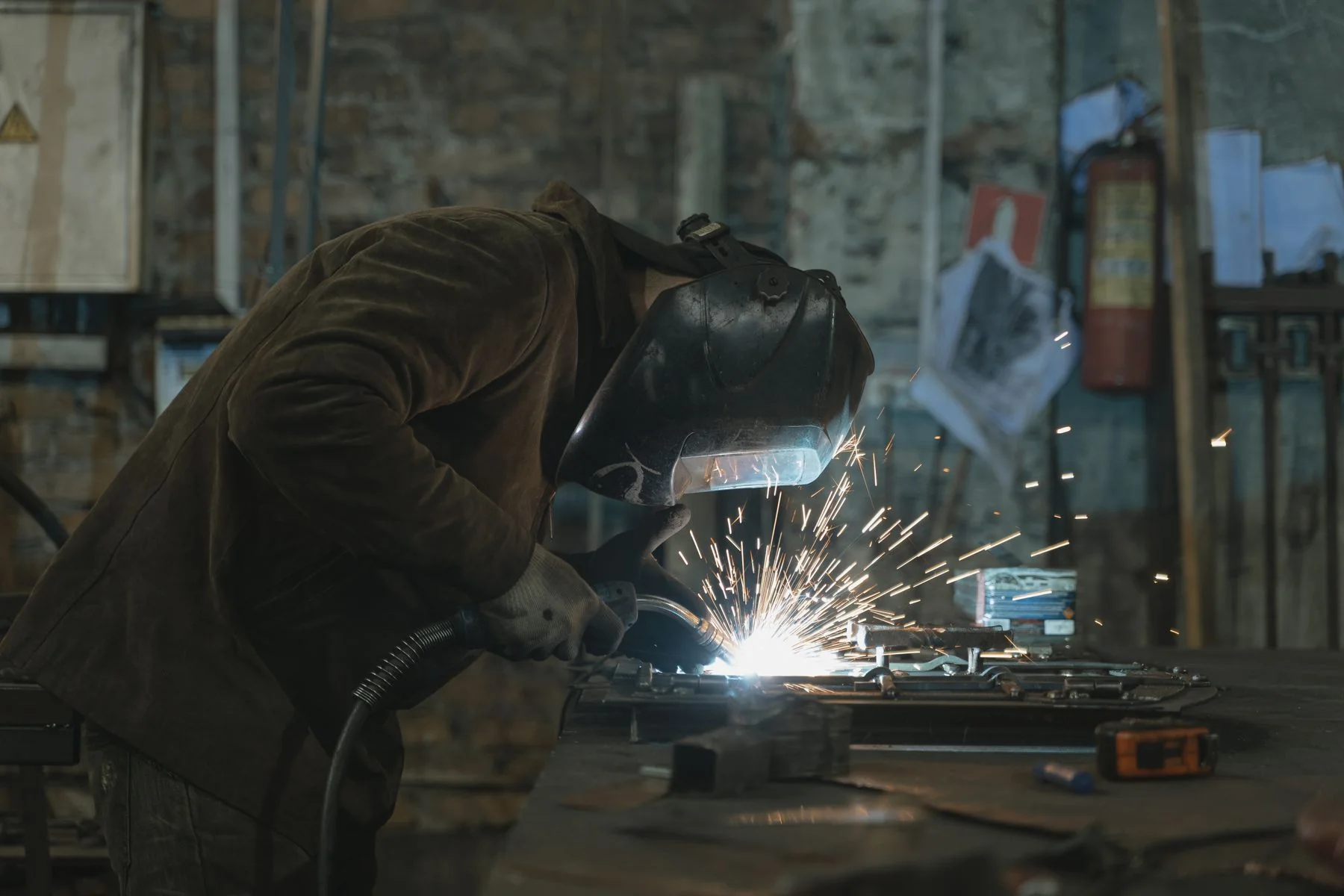
Arc welding a metal assembly on a fixture table; industry process illustration
Arc welding at a fixture table · process illustration

06 / Finish and identify

Surface Preparation and Identification

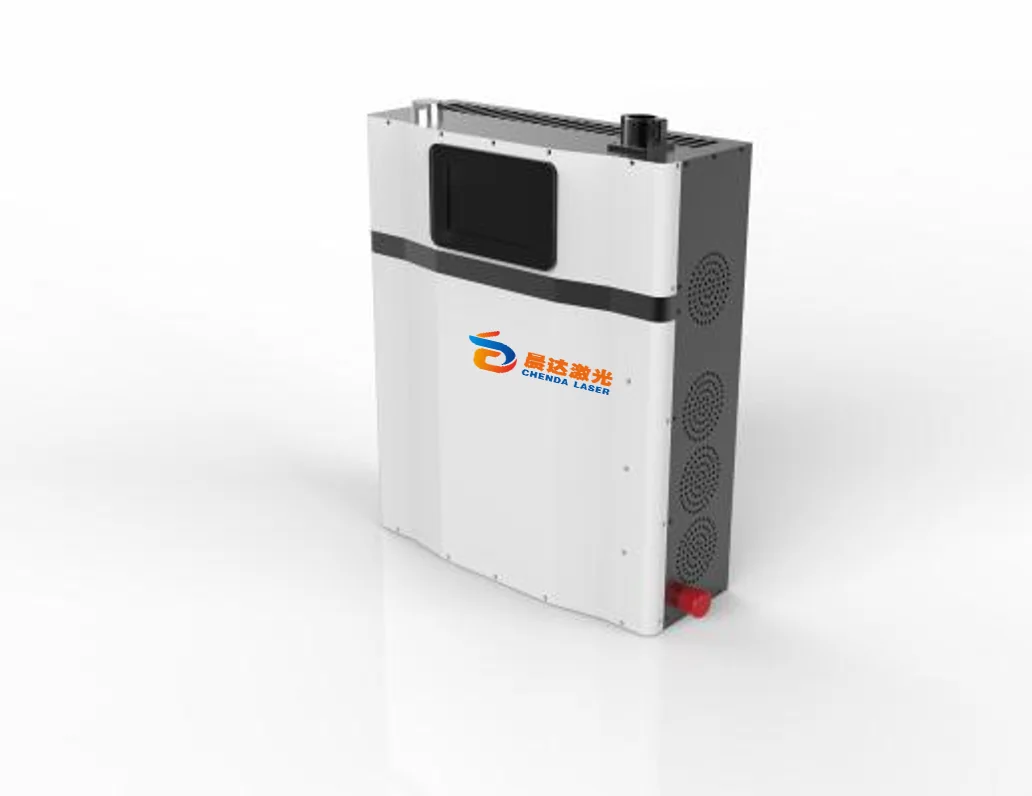
CHENDA laser cleaning machine cabinet, equipment illustration
CHENDA laser cleaning equipment

Oil, oxide, spatter and residue can affect coating or visible finish. Laser cleaning may be evaluated for selected surface-preparation tasks when the substrate and required condition are validated. It is not an automatic replacement for every washing, blasting or chemical process.

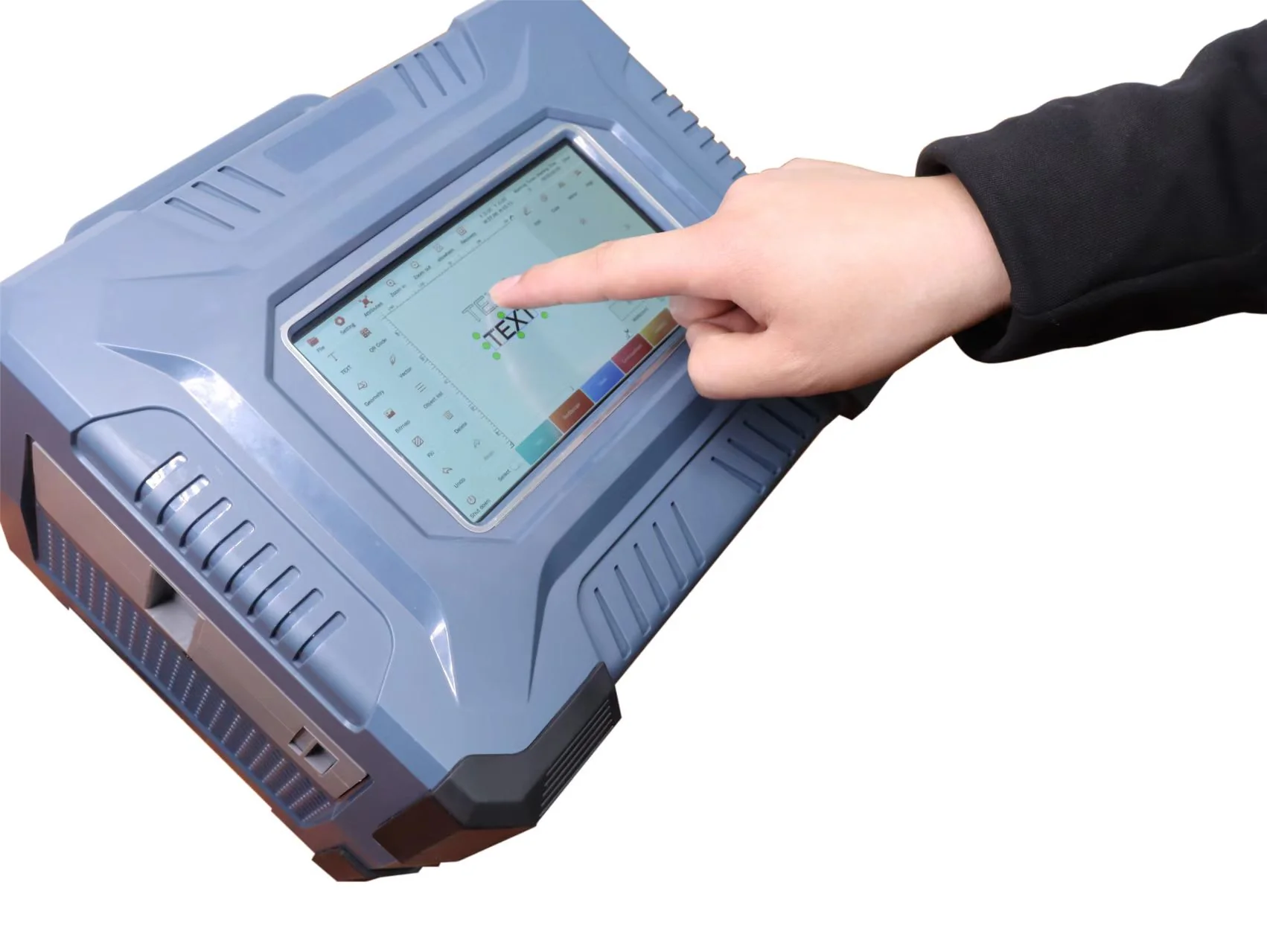
Text being prepared on a laser marking controller
Laser marking · text preparation interface

Laser marking can add part numbers, assembly references, batch codes or branding on compatible parts. Decide whether marking occurs before or after bending, welding and coating. A mark that disappears under powder coating does not support final traceability.

07 / Choose the production rhythm

Three Production Models

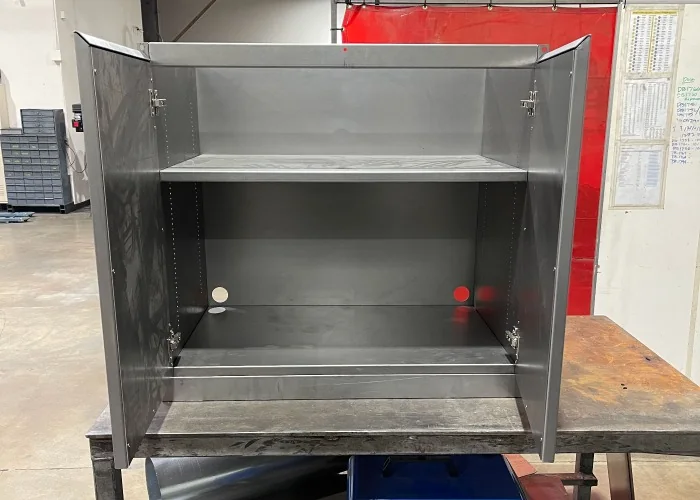
Uncoated sheet metal cabinet showing hinges, folded edges and mounting holes; application reference
01 / FLEXIBILITY

High-mix workshop

Prioritize flexible programming, accessible loading, clear part identification, rapid tooling changes and operator guidance. Measure setup and sorting time as carefully as cutting speed.

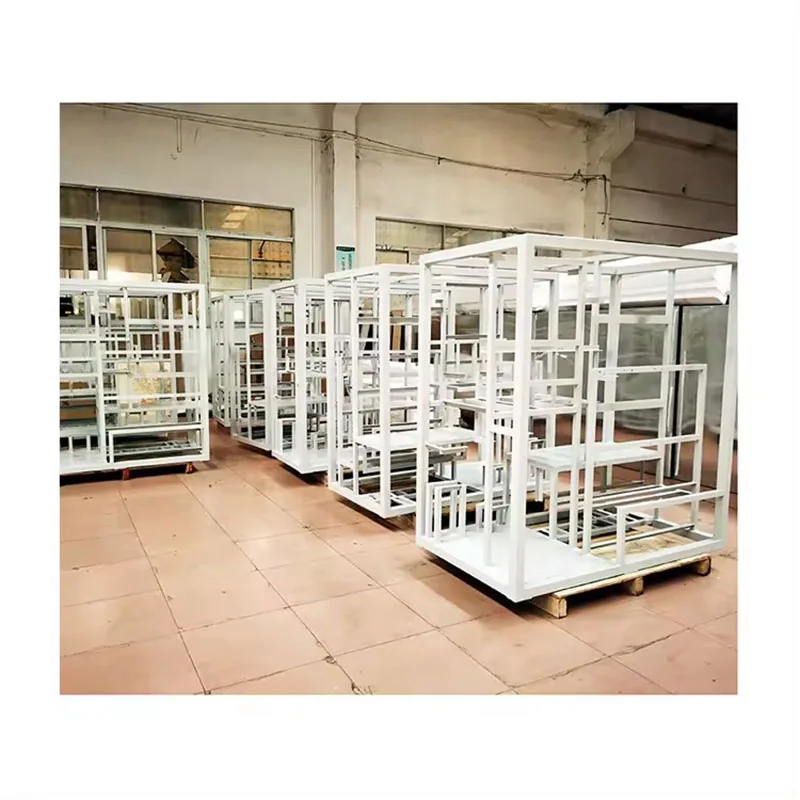
Repeated welded and coated metal furniture frames; application reference
02 / REPEATABILITY

Repeated cabinet families

Standardize material, flat patterns, tooling and fixtures. Exchange tables, sheet handling or more automated bending and welding may improve output when the product variants share stable datums.

Sheet metal sample with a formed angle and floral cutout features
03 / APPEARANCE

Visible premium furniture

Surface protection, directional grain, edge uniformity, tool marks, weld finishing and distortion may outweigh maximum speed. Include appearance standards and signed samples in acceptance.

08 / Prepare the part family

Information to Send CHENDA

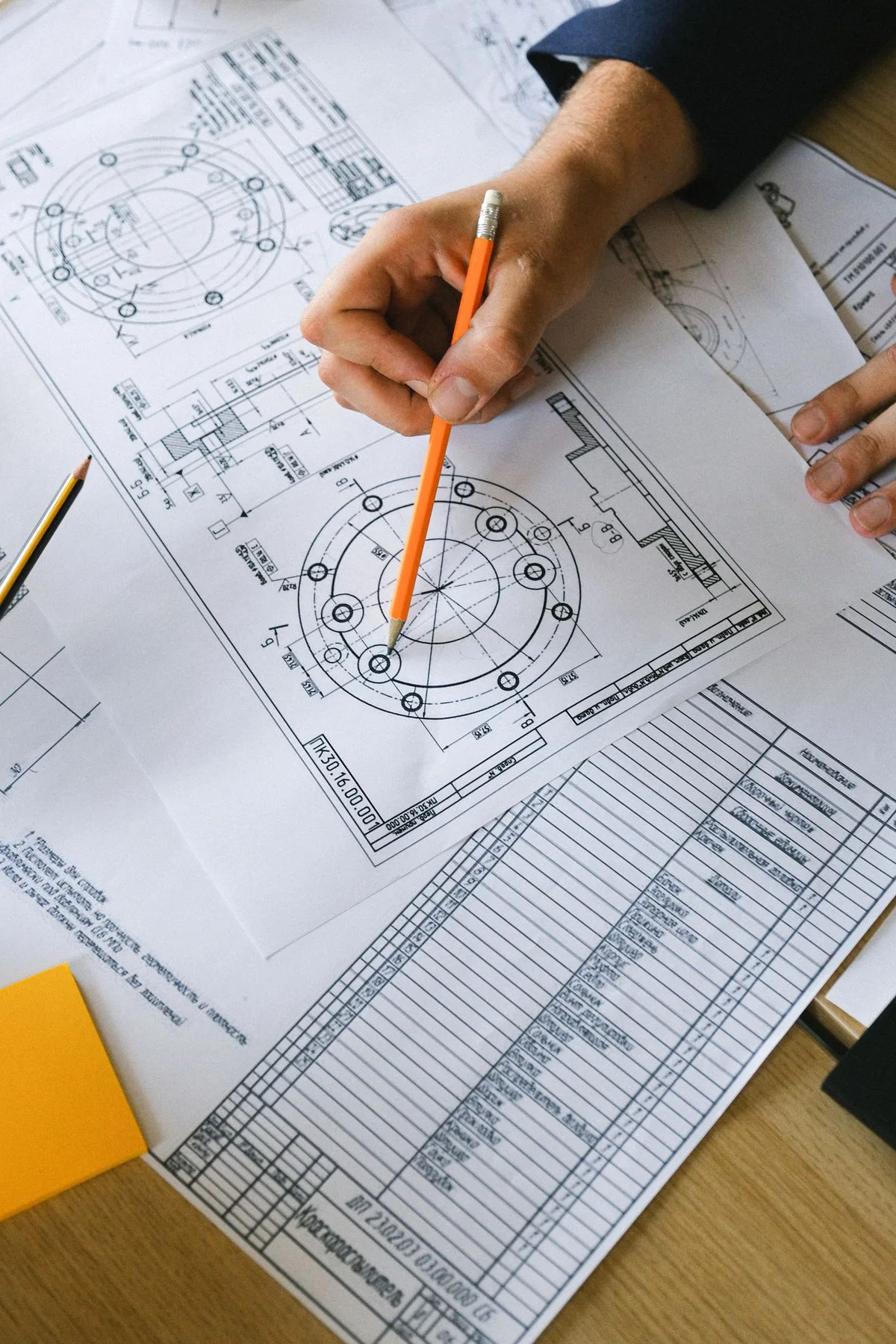
Mechanical drawing review using a pencil; industry illustration
Dimensional drawing review · industry illustration
  • Product family and annual or monthly mix
  • Flat and finished drawings
  • Materials, coatings, grain and protective film
  • Typical and maximum sheet sizes and thicknesses
  • Critical holes, ventilation patterns and hardware interfaces
  • Bend sequences, short flanges, boxes, hems and returns
  • Joining method, seam visibility and strength requirement
  • Edge and surface standard before coating
  • Current labor, rework and bottlenecks
  • Loading, sorting and factory-space constraints

09 / Make quality visible

Acceptance Parts

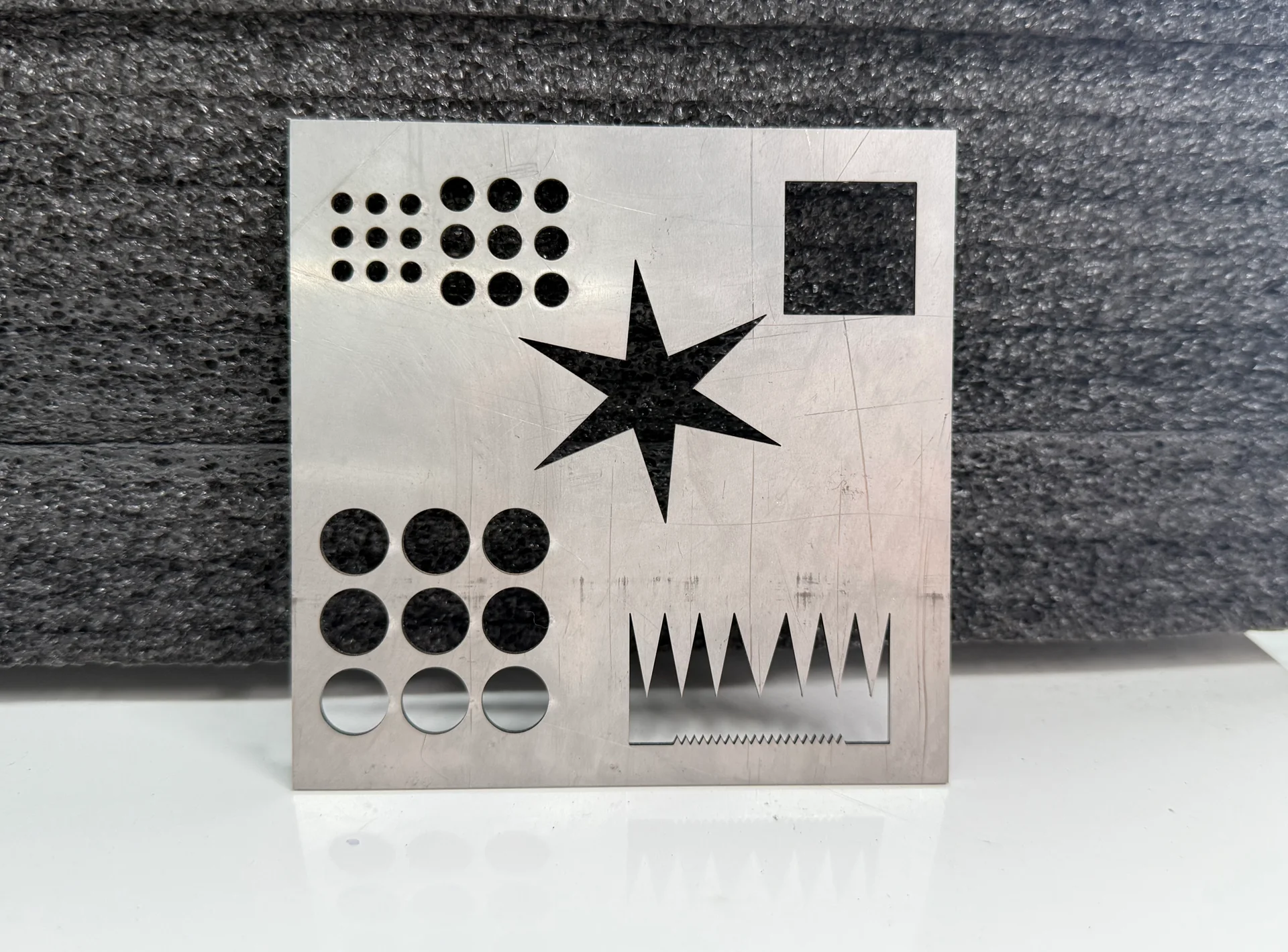
Metal sample containing small holes, internal corners and narrow cuts
Cut features · sample plate
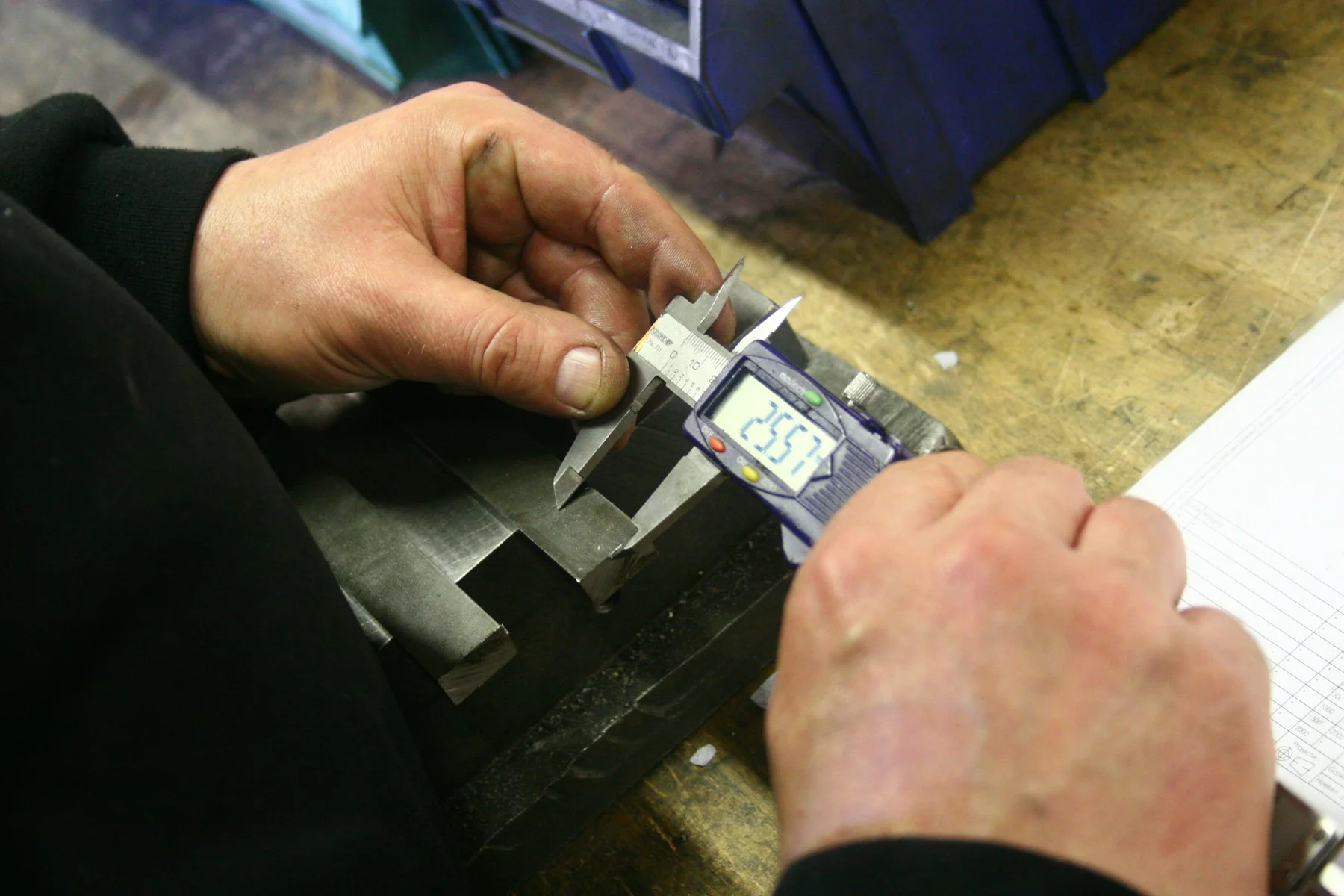
Digital caliper measuring a component in a vise; industry illustration
Dimensional measurement

Use a part or small assembly that combines the real risks: visible panel, dense hole pattern, long bend, short return, corner joint and hardware fit. Inspect flat dimensions, bend angle, flange size, diagonal or squareness, door gap, fixture location, weld distortion, edge safety and surface condition.

If throughput matters, time the complete batch from loading through sorting. Include tooling and program changes. A single ideal part does not represent a mixed cabinet schedule.

10 / Production questions

Frequently Asked Questions

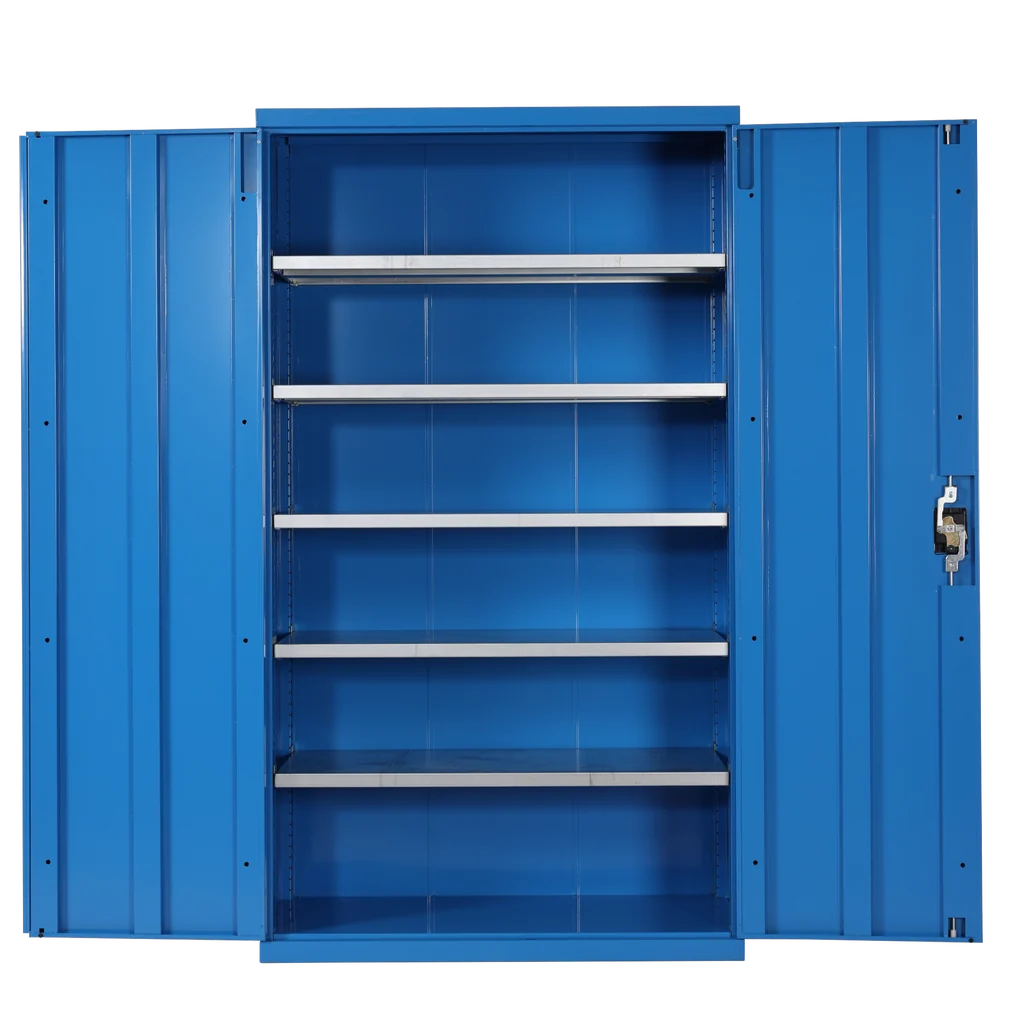
Blue steel storage cabinet with doors and shelves; furniture application reference
Cabinet faces, hinges and shelf alignment · application reference

Should we cut locating tabs into every assembly?

Tabs and slots can improve repeatability, but they can also leave visible features, trap coating or restrict adjustment. Use them where they support the fixture and inspect the finished appearance.

Which press brake is best for cabinets?

The answer depends on part length, thickness, box depth, bend sequence, tolerance, tooling and mix. Send the most difficult finished drawing for collision and capacity review.

Can robotic welding handle many cabinet sizes?

It can handle programmed variants when datums, fixtures and seam access are consistent. Frequent unpredictable fit-up changes can reduce the benefit and increase programming or fixture work.

How do we protect visible surfaces?

Control material storage, protective film compatibility, table and conveyor contact, part stacking, deburring method, tooling and fixture surfaces. Put acceptable scratch and mark criteria in the inspection plan.

CHENDA open sheet laser cutting machine, equipment illustration
CHENDA sheet laser · equipment illustration

Plan the next production step

Build a Repeatable Cabinet Process

Explore the wider sheet metal fabrication route, review machine videos as evidence and plan quality-control checkpoints.