Resources / A buyer’s viewing guide

CHENDA Machine Video Evidence Guide

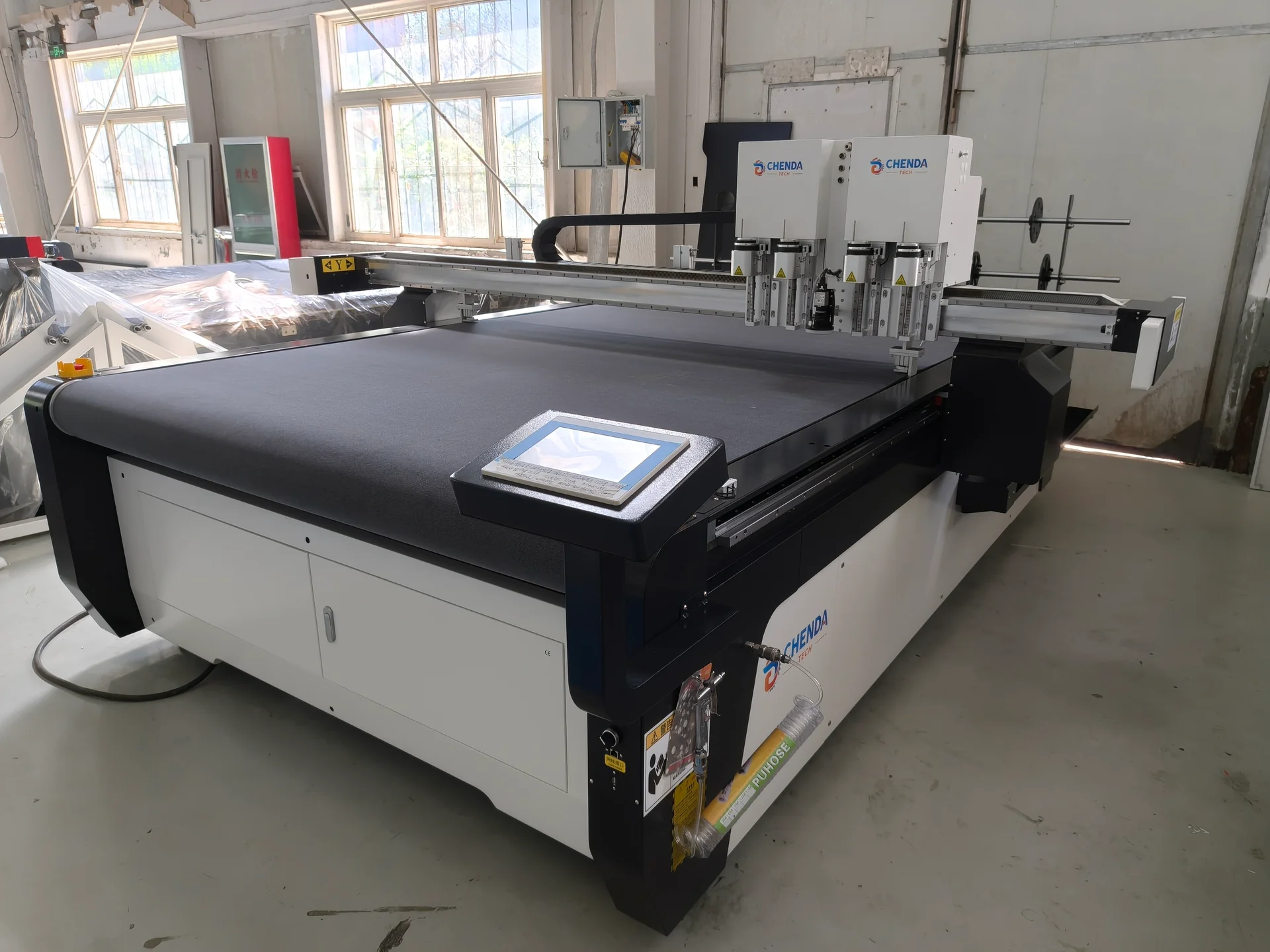
CHENDA digital cutting machine shown with its work area and controls
Equipment context / Process detail / Measured result

An industrial machine video is useful when it answers a specific verification question. It is weak evidence when it shows a few seconds of sparks, a finished sample with no process context, or a machine that does not match the proposed configuration. This page organizes the video evidence you can request and explains what a buyer should observe before using a clip in a purchasing decision.

CHENDA does not present this page as a public gallery of clips that have not been checked for permissions, configuration or revision. Tell us your process, material and critical question. We can then identify relevant available footage or discuss an application-specific demonstration. Customer names, drawings and factory details are not published without authorization.

Choose the Evidence Level You Actually Need

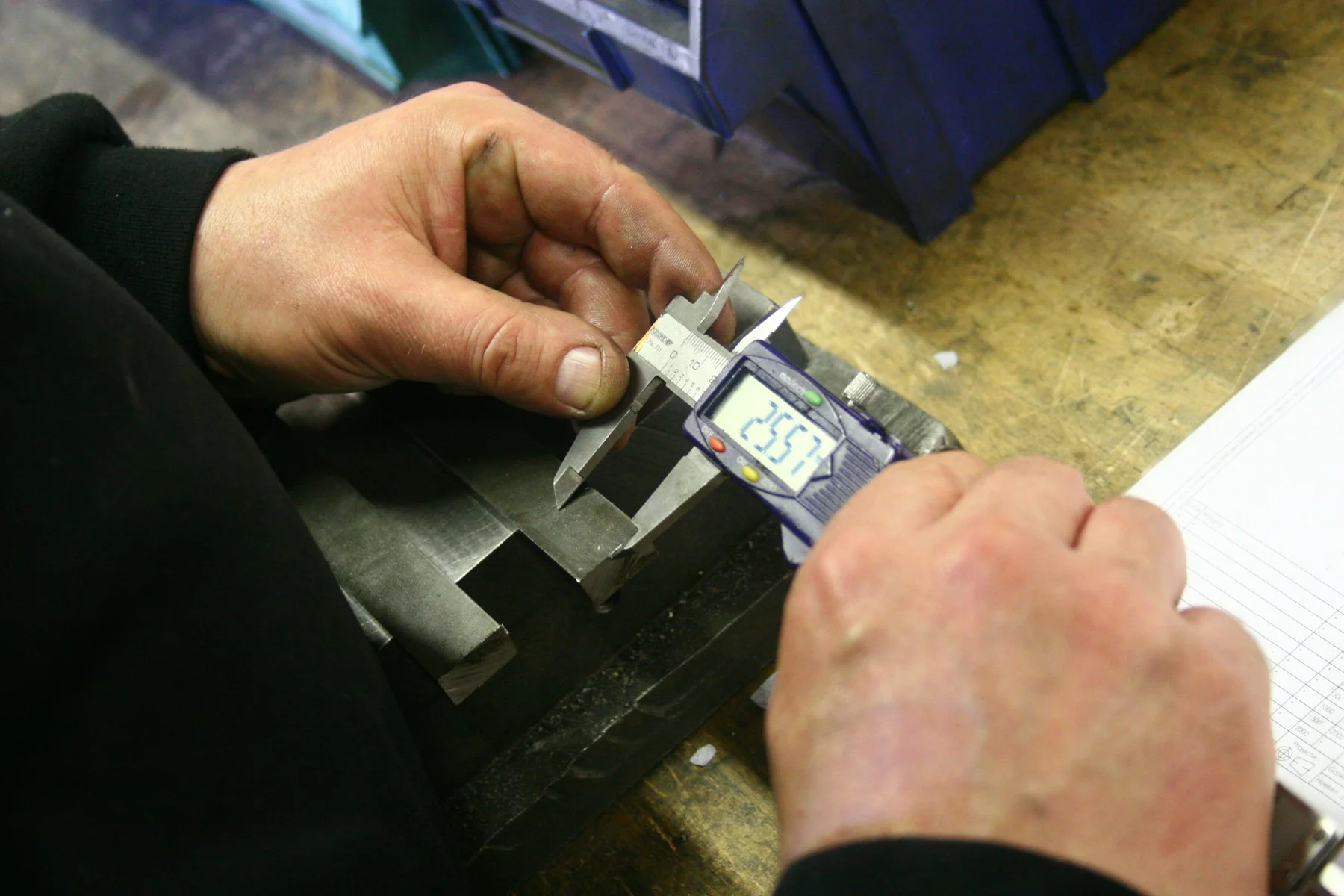
Measurement of a processed component; reference
Evidence level What it can show What it cannot establish alone Appropriate use
Product overview Machine architecture, access and visible functions Your material result, ordered scope or sustained performance Early category research
Process clip A defined operation on identified material Repeatability, setup burden or full-cycle output Initial process screening
Continuous application test Setup and an uninterrupted critical cycle Long-term reliability or every production condition Technical comparison and sample review
Measured sample record Process plus inspection of agreed features Complete machine scope or site readiness Quality feasibility review
Configuration walkthrough Major systems and options on one machine Performance on your work unless paired with a test Quotation clarification
FAT-linked video record Ordered machine, agreed checks and recorded results Future performance outside the agreed conditions Remote participation or acceptance record support

Do not ask one montage to perform all six jobs. Name the evidence level in your request so the response can match the decision.

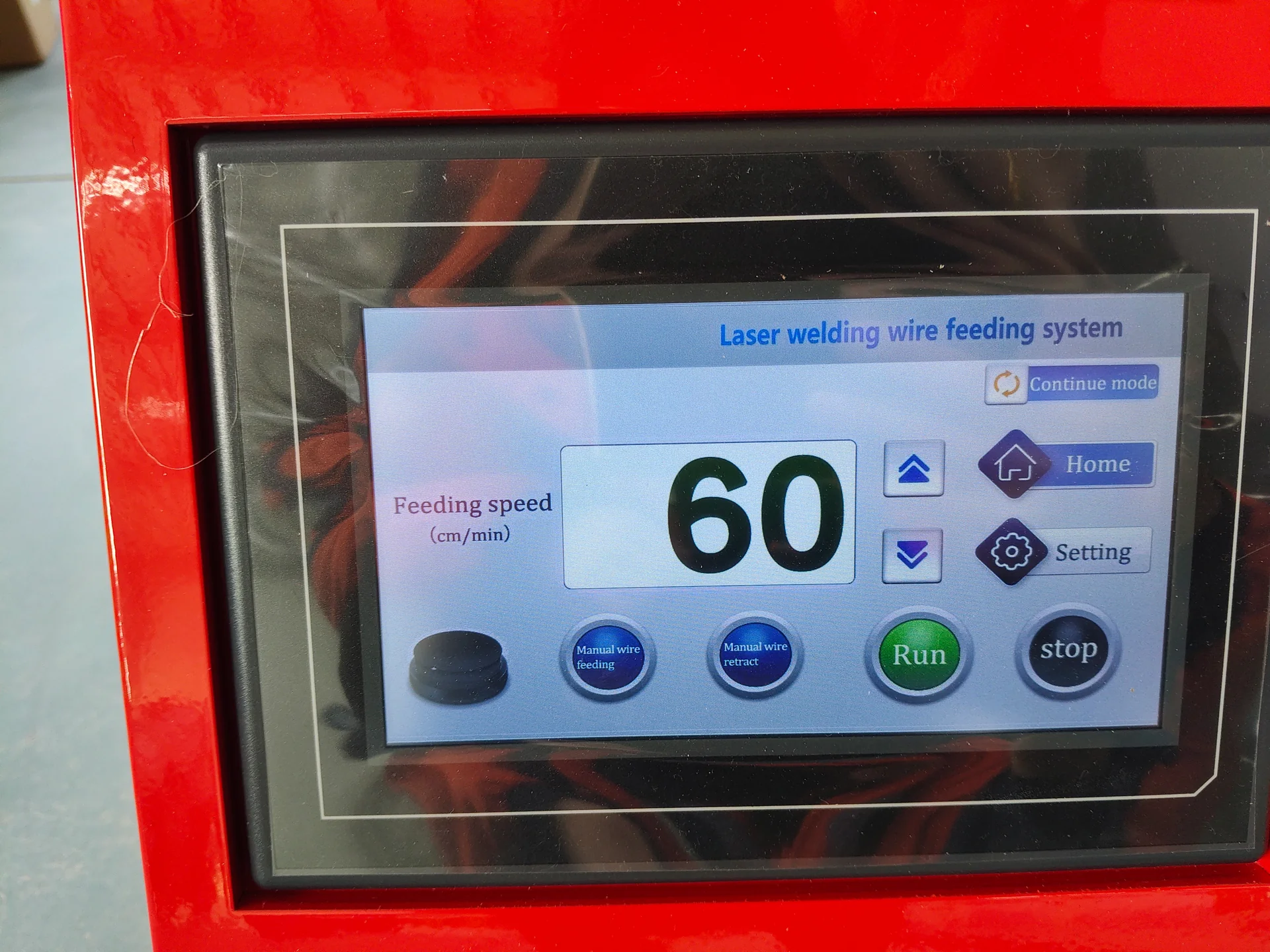
Equipment control display showing process settings

The Minimum Context for Any Credible Clip

A useful title or evidence sheet should identify:

  • Equipment family and machine configuration shown
  • Recording date or project stage, when available
  • Demonstration, production or acceptance context
  • Material grade, thickness and starting condition
  • Workpiece dimensions, profile or joint design
  • Relevant tool, head, nozzle, gas, wire, abrasive or fixture
  • Program and setup boundaries
  • Whether the sequence is continuous or edited
  • Number of trials represented
  • Visible result and the inspection method used
  • Differences between the recorded machine and the proposed quotation
  • Permission status for any customer-identifying content

If these facts are missing, treat the clip as a visual reference and request clarification before citing it as process evidence.

Viewing Index: Laser Cutting Machines

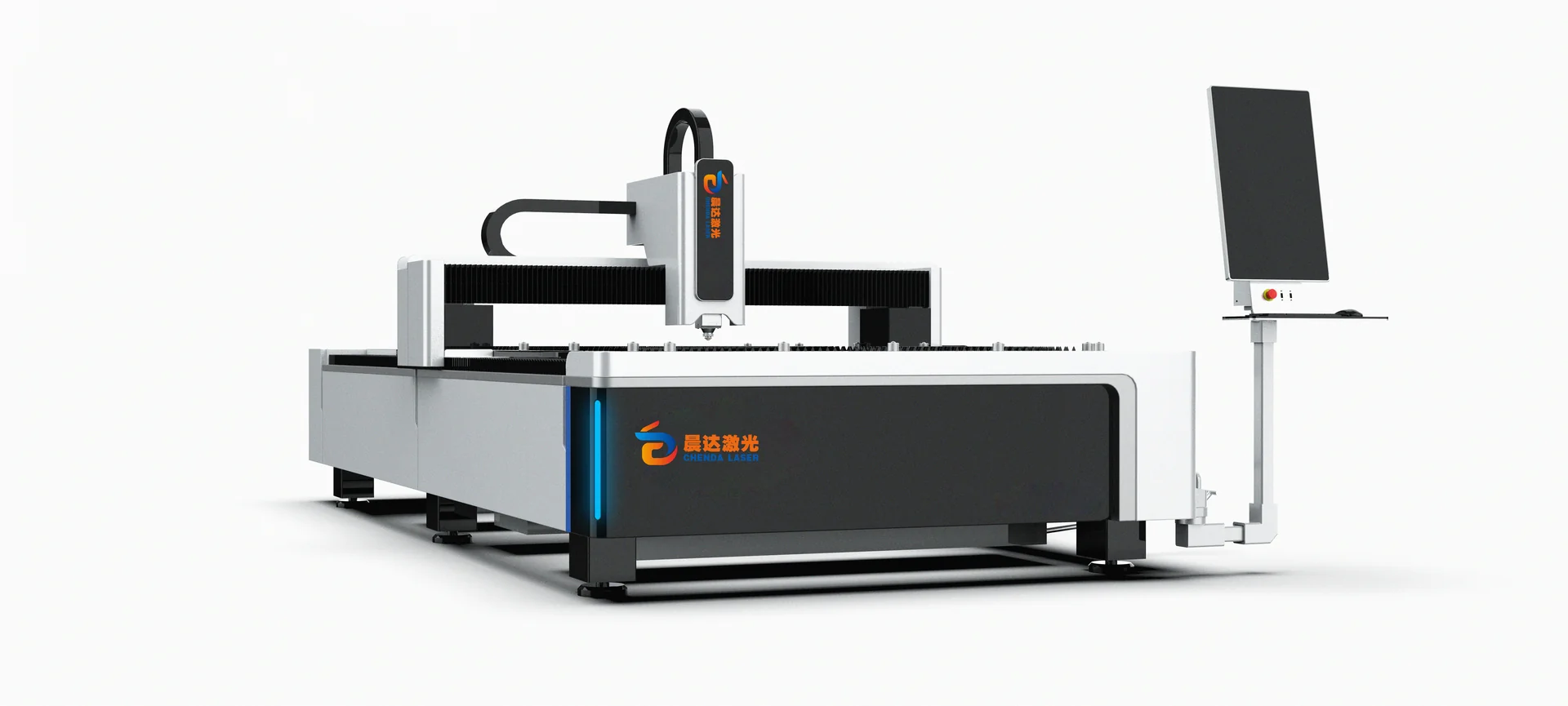
CHENDA open flat-sheet laser cutting machine

Flat-sheet cutting

Show the material record, loading, nesting, pierce behavior, difficult features, extraction, part removal and both cut faces. Where dimensions matter, measure after the part has cooled. Watch for dross, unstable corners, part tip-up and manual rework. A speed overlay without material, gas and quality context does not establish production output.
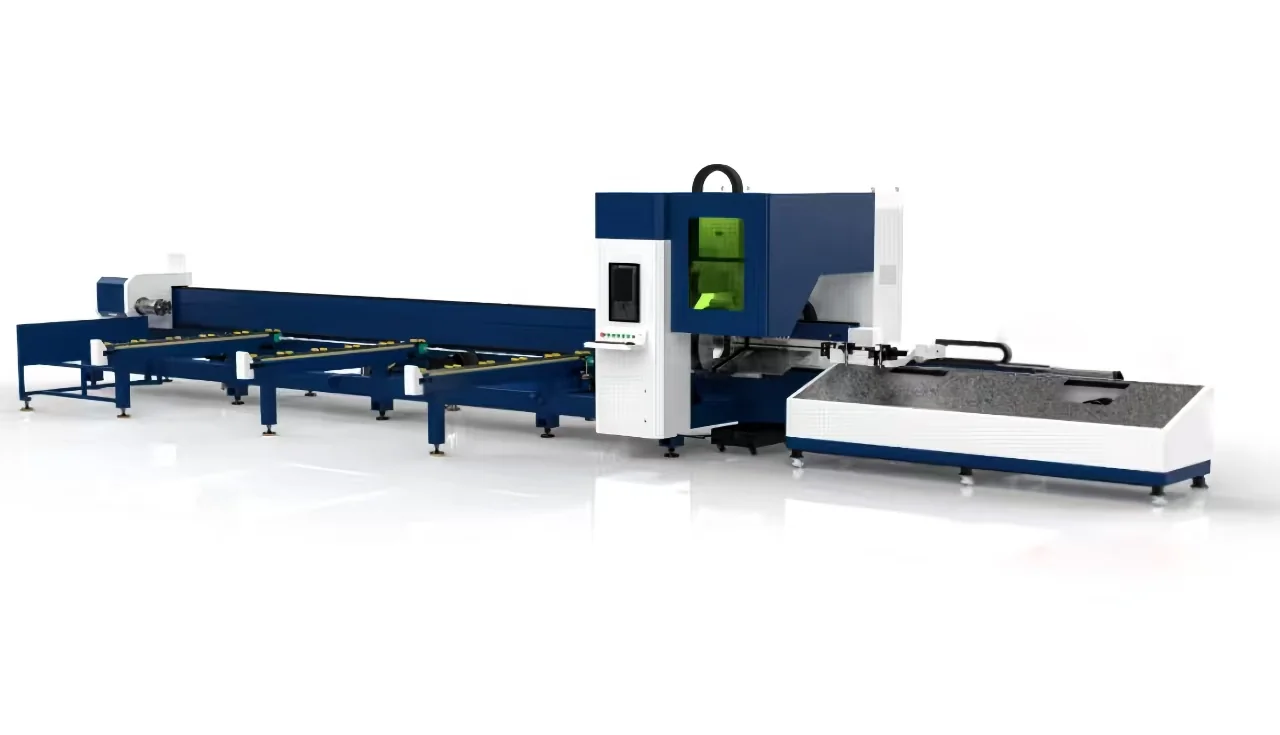
Tube laser cutting equipment and material supports

Tube and profile cutting

Show stock loading, chucking, centering, supports, rotation, critical cuts, discharge and remnant handling. Ask whether profile, wall thickness and length match your work. Look for clamping marks, vibration, support transitions and end-feature quality. For complex joints, a fitted assembly is stronger evidence than isolated pieces.

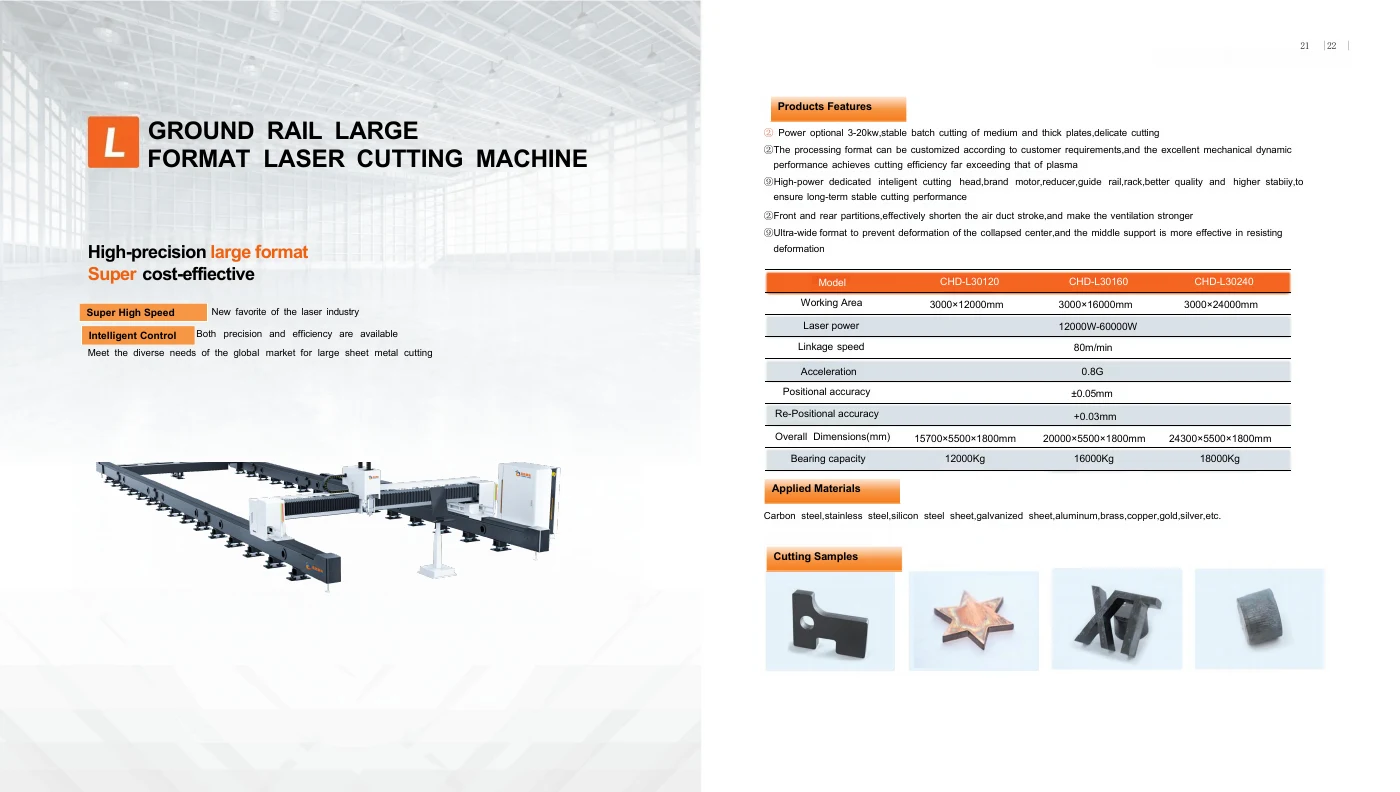
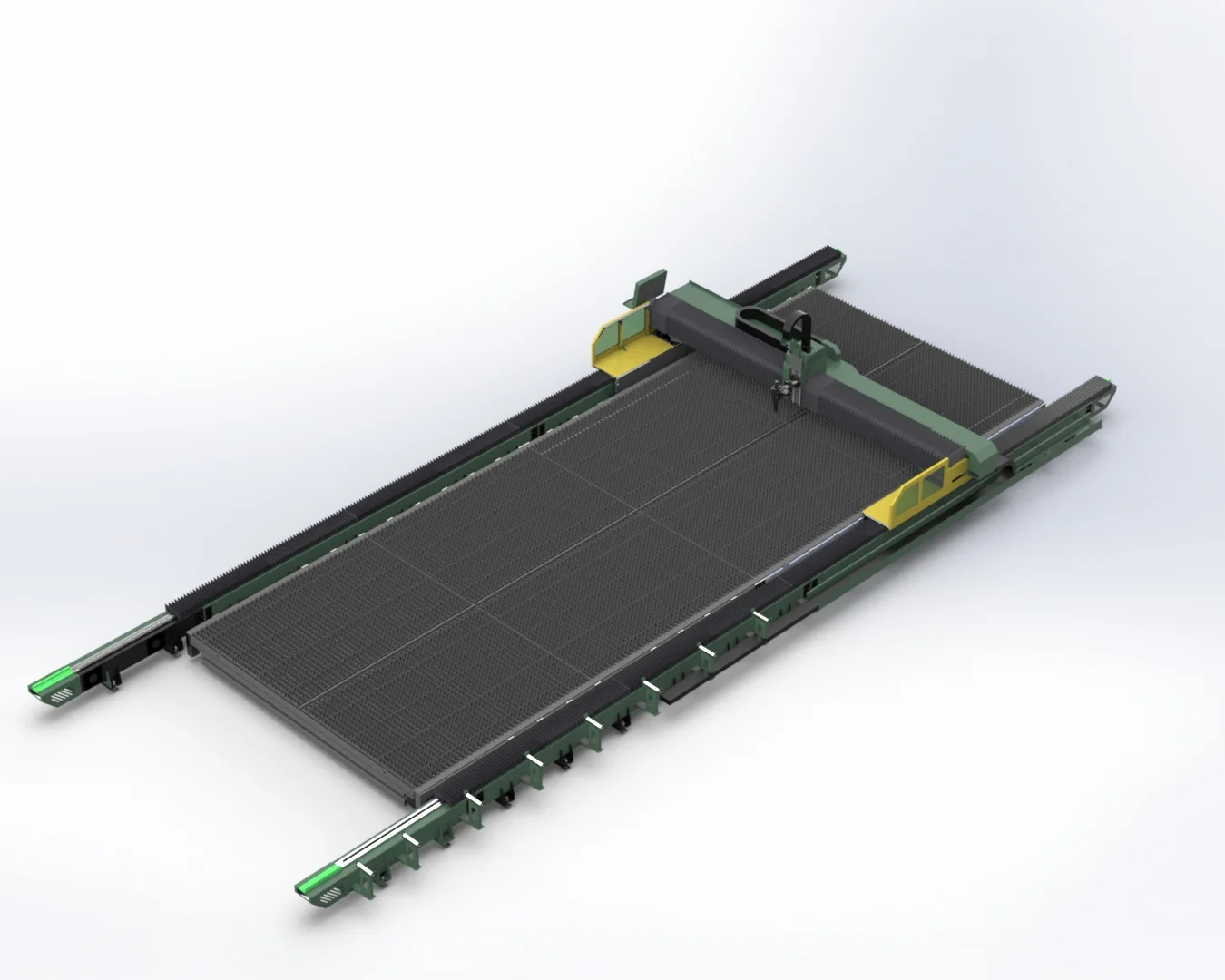
Large-format ground-rail laser cutting equipment

Sheet-and-tube, large-format, coil and automated systems

Ask for separate continuous segments for each mode. Combination machines should show changeover; large-format systems should show plate handling and extraction zones; coil-fed or automated systems should show feeding, alignment, transfer and material exit—not only cutting.

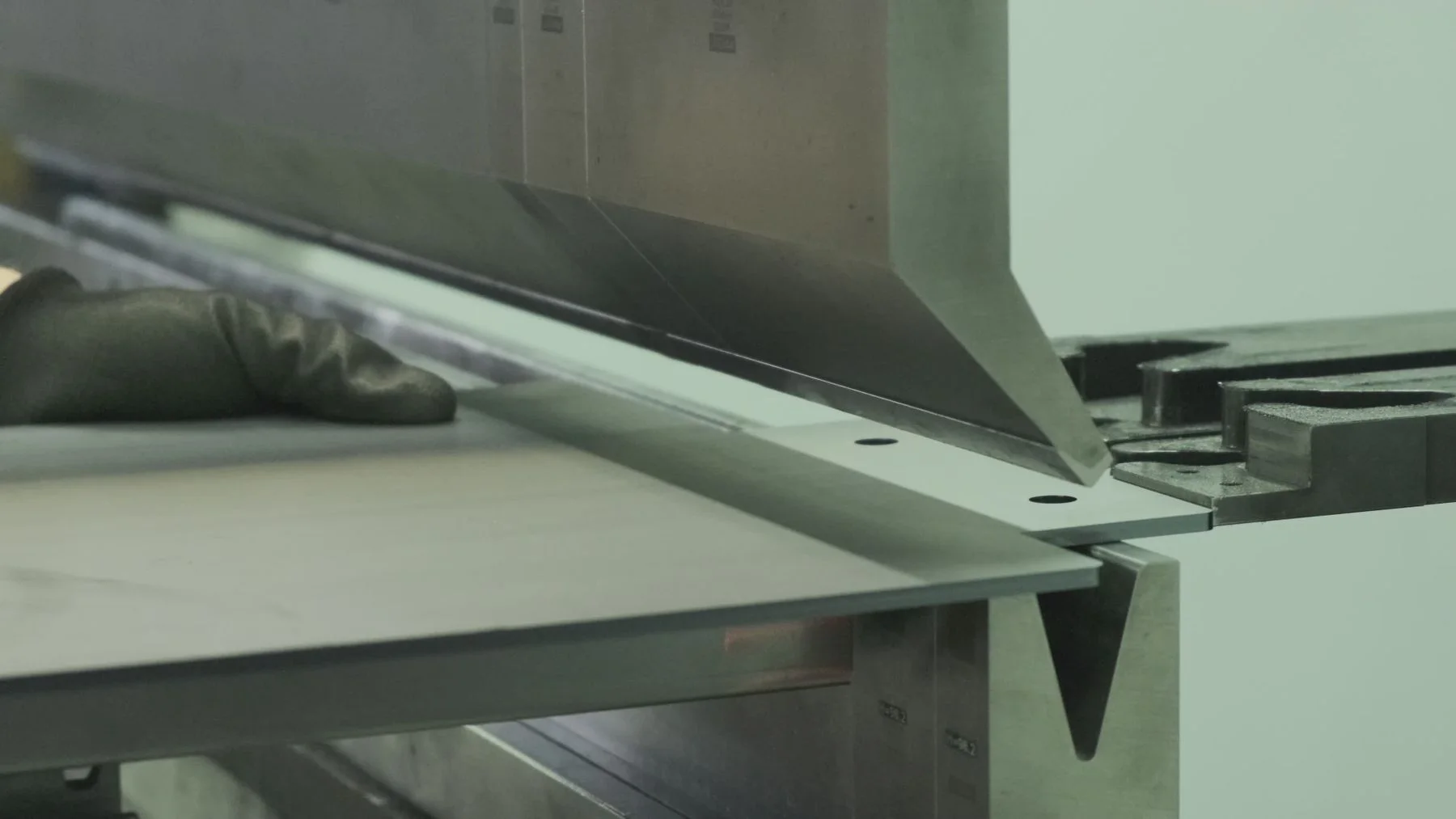
Press brake tooling forming sheet metal; process reference

Viewing Index: Press Brakes

A meaningful bending video identifies the drawing, material and tooling, then shows setup, backgauge movement, the complete bend sequence and measurement. Observe repeated program corrections, manual positioning, part support, collision clearance and consistency along the bend. Compare candidate machines with the same drawing and measurement plan. A fast ram or displayed angle is not a measured finished part.

Explore Press Brakes

Viewing Index: Welding Systems

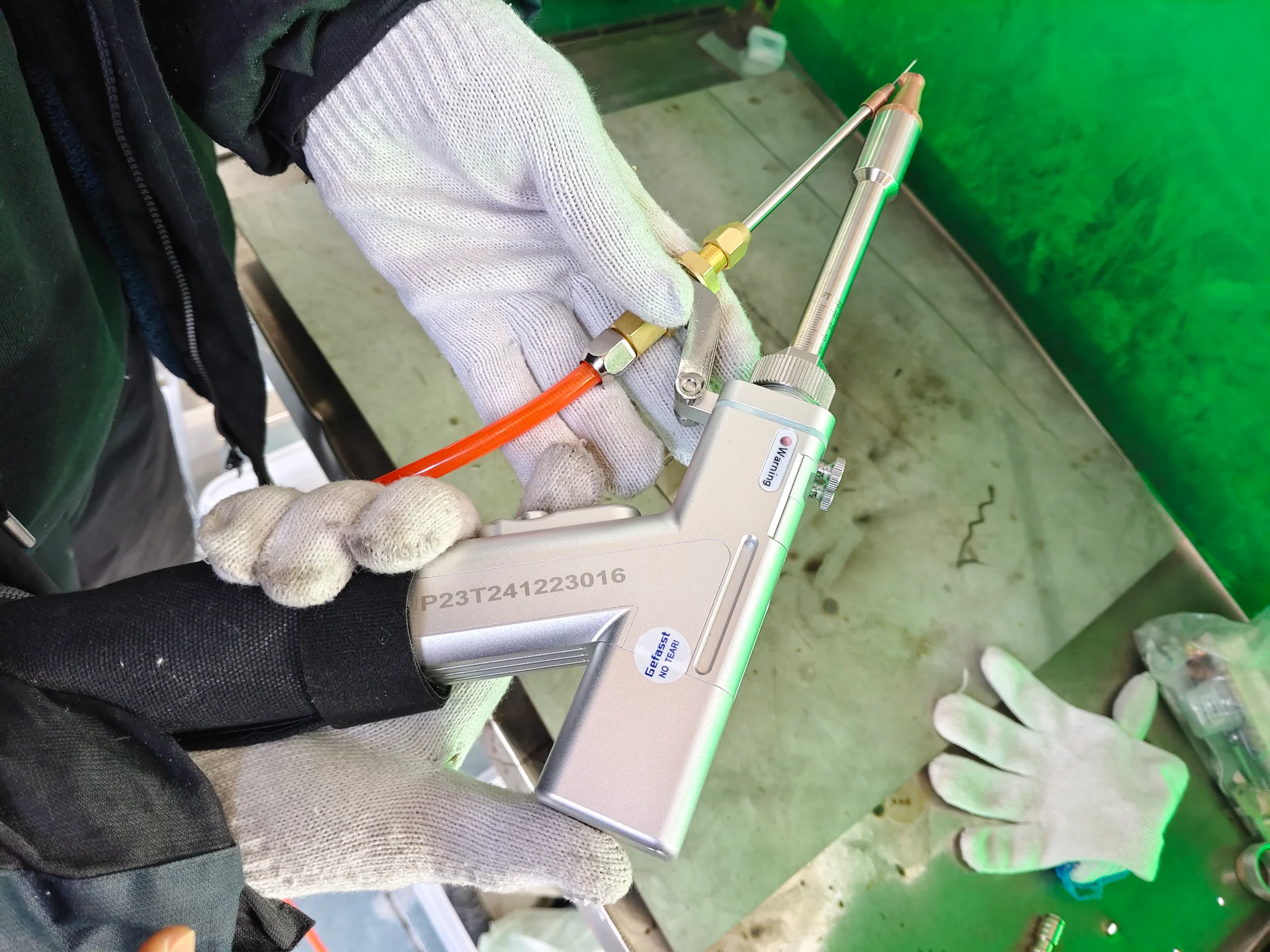
Handheld welding head with wire guide

Handheld laser welding

Show the joint before welding, fit-up, fixture, material, wire and shielding, uninterrupted seam, starts or corners, and the result after cooling. Observe access, gap sensitivity, spatter, distortion and post-processing. Surface appearance cannot confirm penetration; use an agreed inspection when integrity matters.

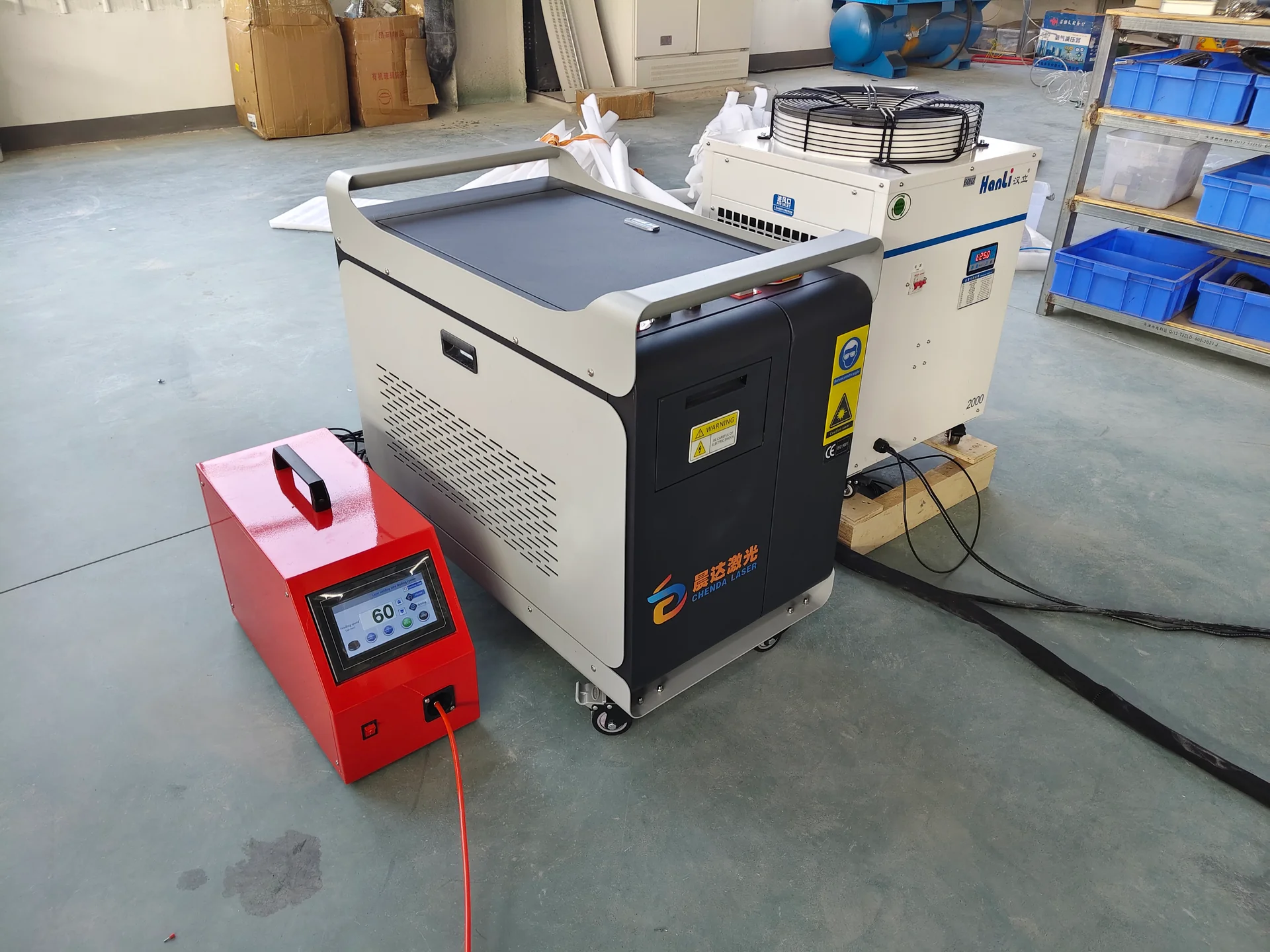
Welding process equipment and cooling system; machine context

Automatic and robotic laser welding

Keep the robot or motion system, fixture and part in one wide, continuous view, then show the result. Identify positioning, seam path, loading, wire delivery and safety boundary. If tracking or vision is proposed, demonstrate the condition it should correct.

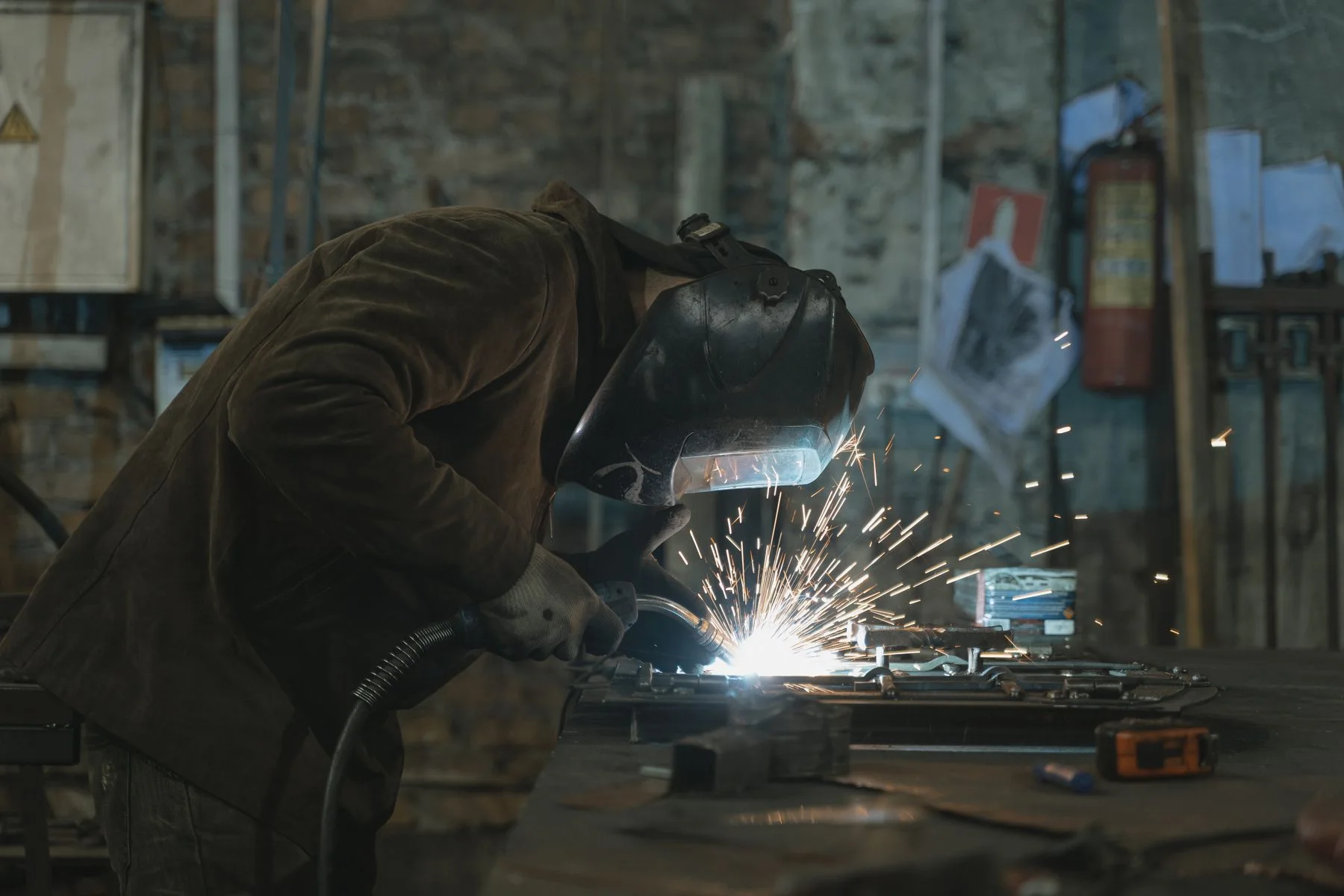
Arc welding at a work fixture; process reference

Robotic MIG/MAG welding

Do not treat robotic MIG/MAG footage as interchangeable with laser welding. Identify the power source, torch, wire, shielding, joint preparation and fixture. Observe spatter, heat input, access and how the cell handles variation.

Viewing Index: Laser Cleaning and Marking

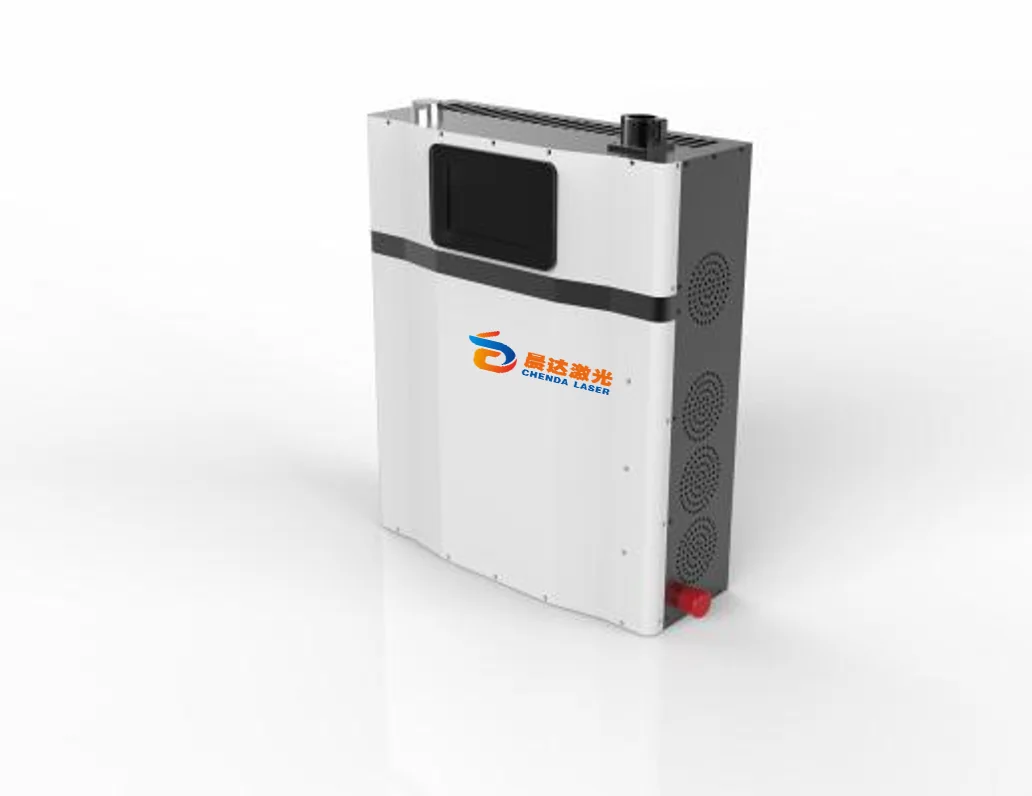
CHENDA laser cleaning equipment
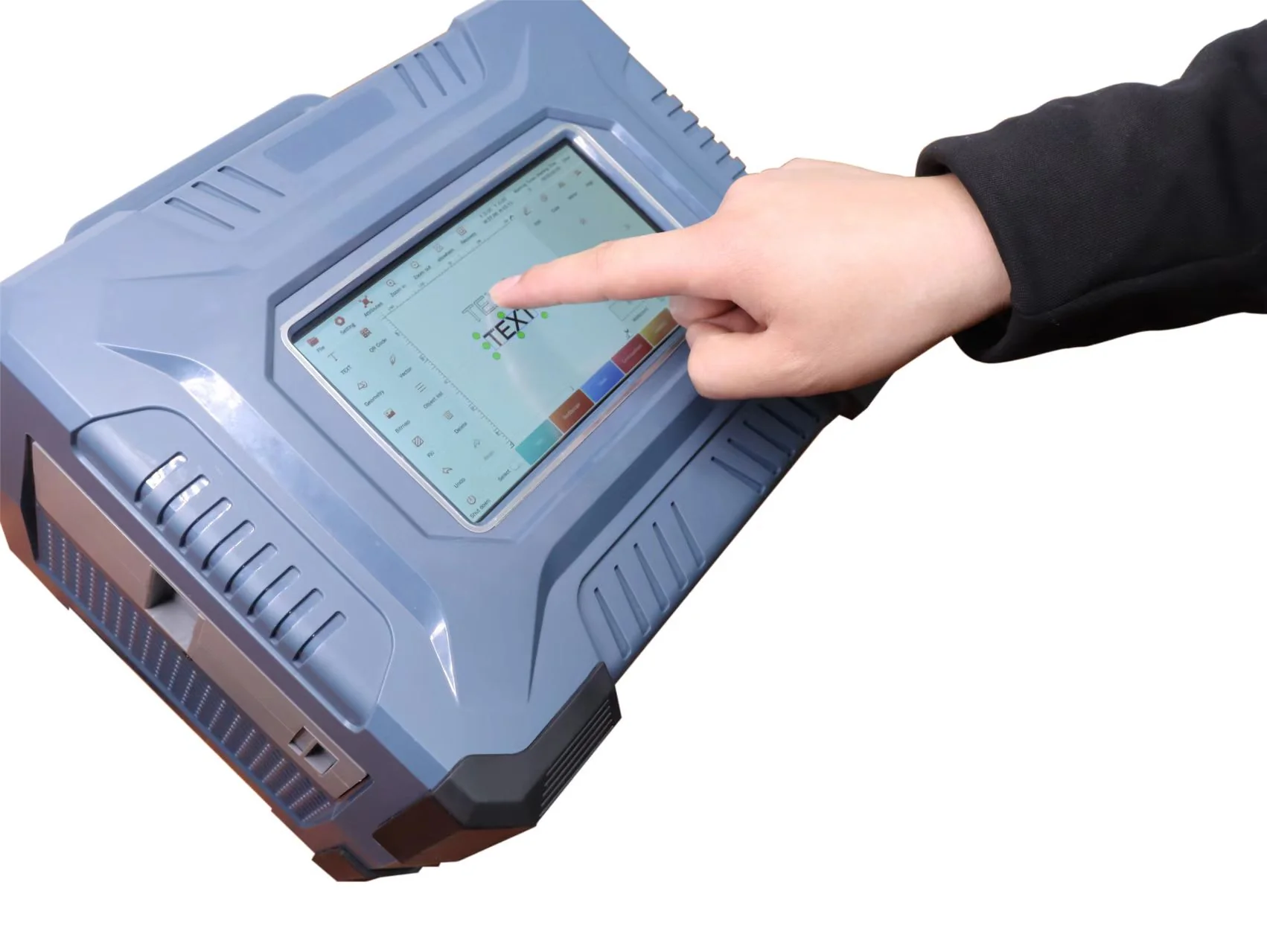
Laser marking equipment and control display

For cleaning, keep untreated and treated areas in one frame and identify substrate, target layer, pass strategy and handheld or automated method. Watch for base-surface change, incomplete removal, fumes and repeated passes. For marking, show the fixture, complete cycle and result at normal scale. Verify codes with a reader and depth or abrasion resistance with the applicable test.

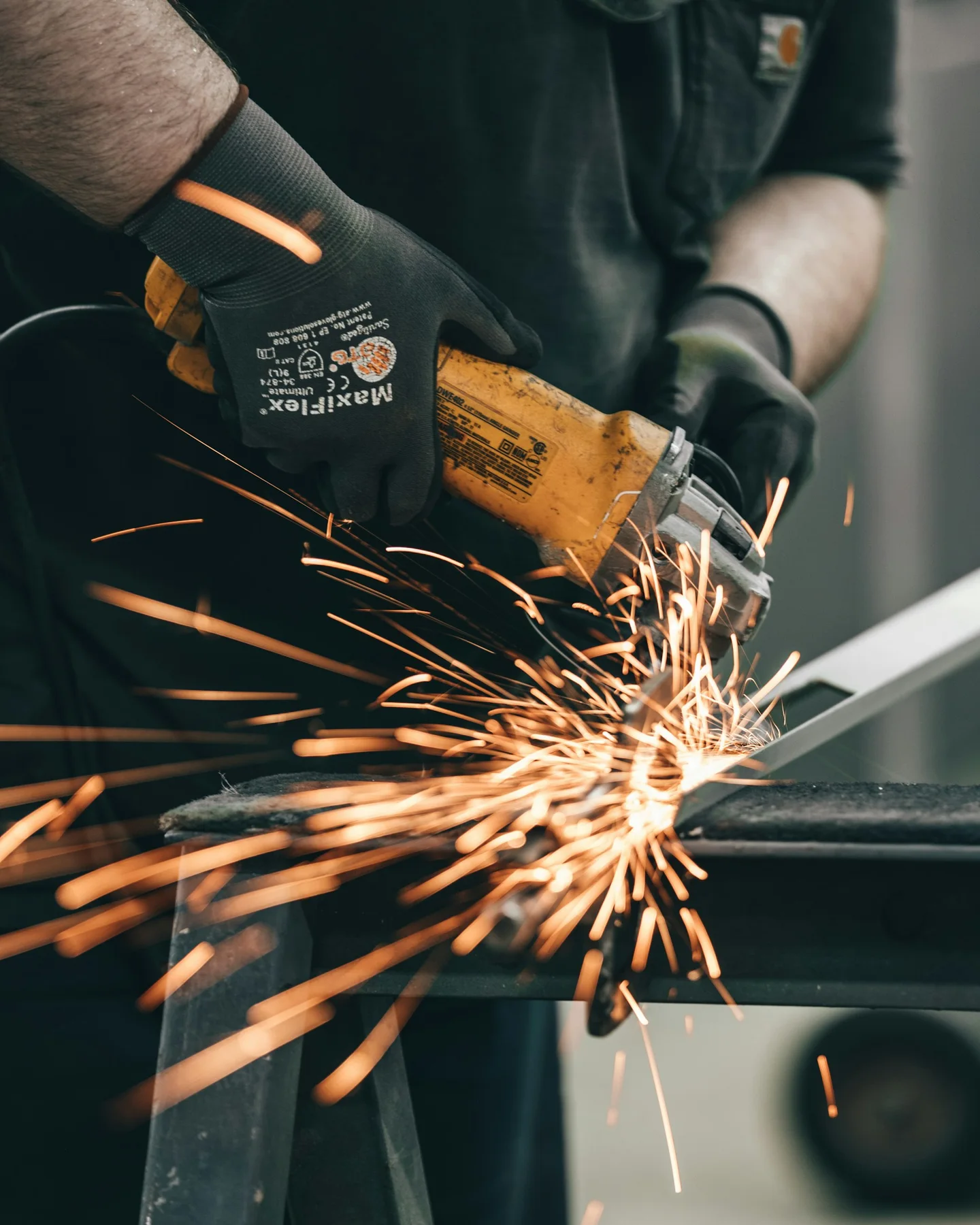
Manual metal edge grinding; finishing reference

Viewing Index: Deburring and Finishing

Show the incoming defect, material, loading, hold-down, treatment stations, complete pass and the same features afterward. Observe small-part control, both faces and finish uniformity. If an edge radius is specified, request a measurement; a visually softened edge is not a numeric result.

Explore Deburring and Finishing Machines

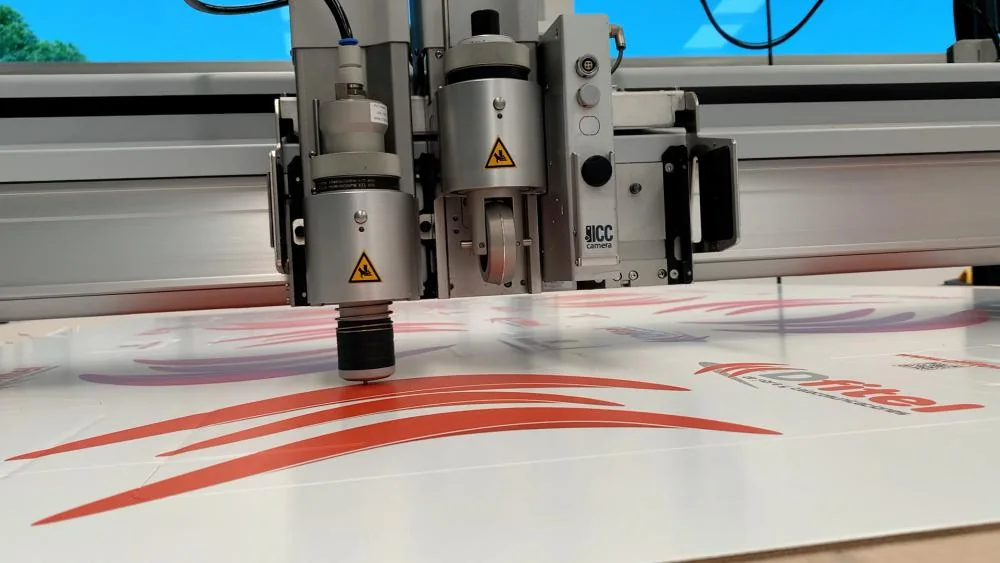
Tool and registration area above printed board; reference
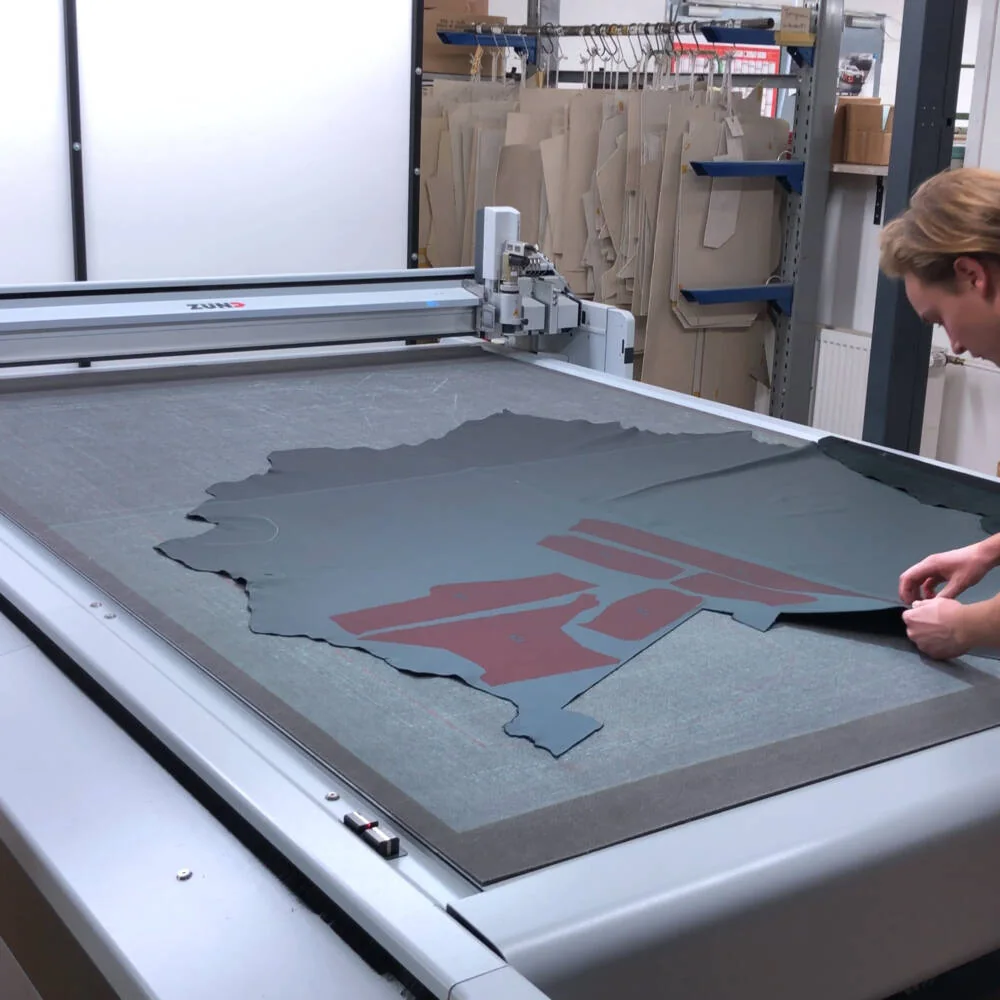
Removing digital-cut upholstery patterns; reference

Viewing Index: Digital Knife Cutting

Show material, loading, hold-down, printed registration, tool selection, complete cutting, part removal and final fit or assembly. Identify through-cutting, kiss-cutting, creasing, routing and marking separately. For packaging, inspect alignment and the assembled sample; for textiles, allow the material to relax before evaluating dimensions.

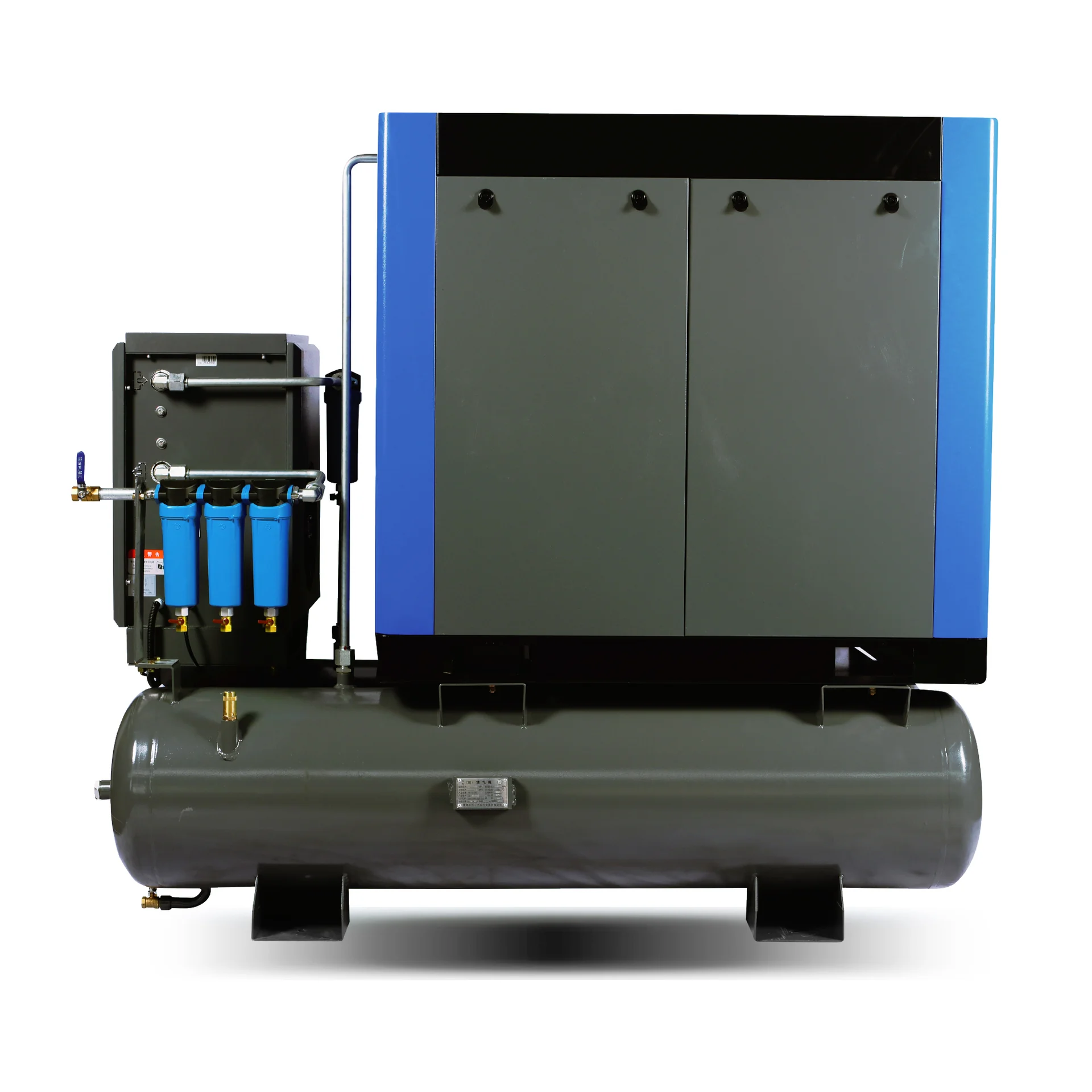
Viewing Index: Air Compressors and Supporting Equipment

A compressor walkthrough can show layout, controls, maintenance access and the proposed treatment chain. It cannot by itself verify pressure, flow, air quality or energy performance; those need identified instruments, conditions and technical records.

Explore Air Compressors

Compressed-air system with receiver and filter bank

Edited Showcase or Continuous Test?

Both formats have a legitimate use, but they answer different questions.

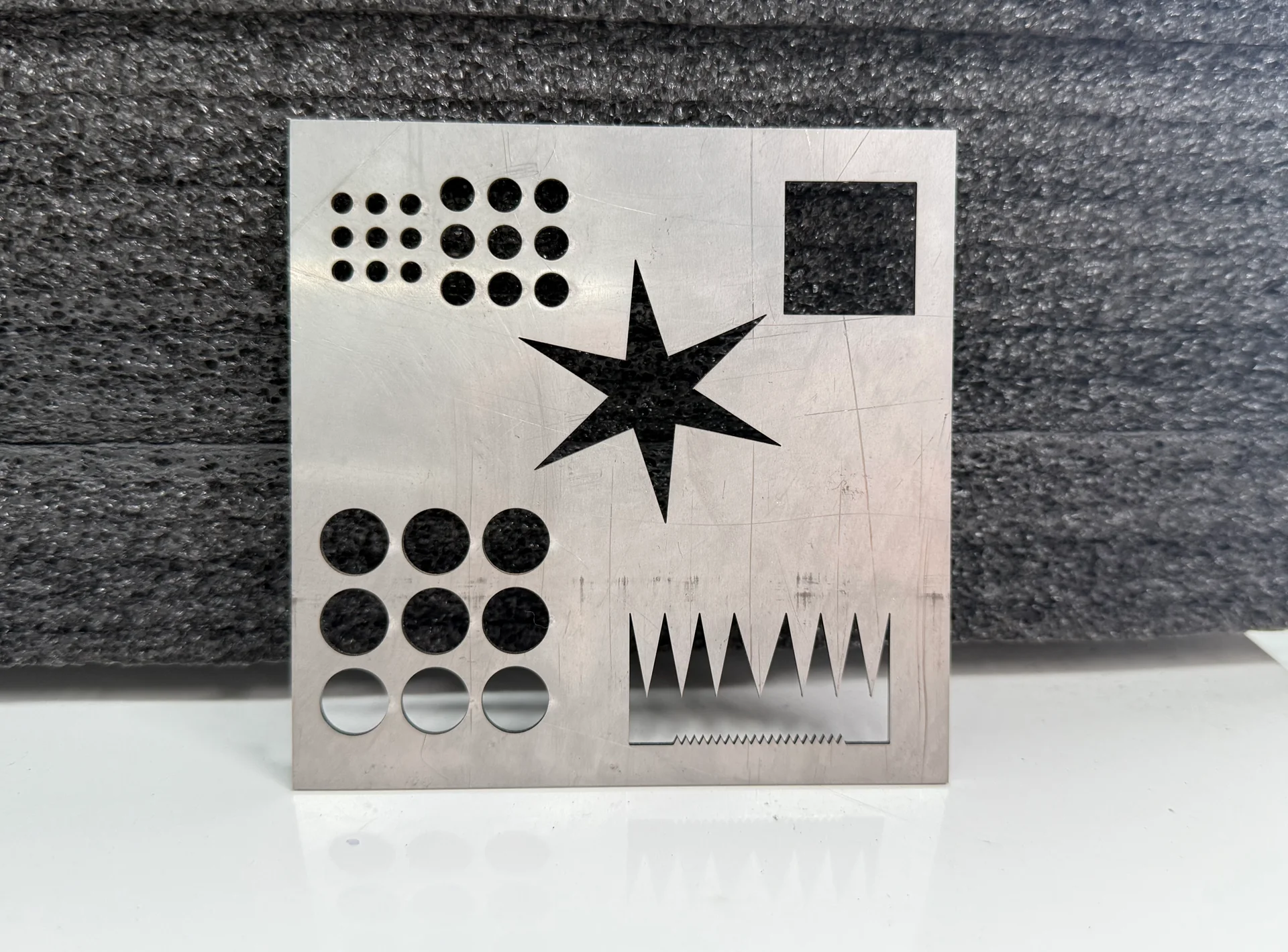
Metal sample showing features for inspection

An edited showcase is useful for orientation when labeled, but cuts may combine attempts or omit correction. A continuous test preserves sequence and elapsed context.

For a critical decision, ask for:

  1. A labeled overview of the machine and objective.
  2. An uninterrupted wide view through the critical cycle.
  3. Close results and measurement tied to the same sample.
  4. A test sheet recording material, configuration, settings and attempts.

Continuity cues include a visible timer, stable part identification, consistent camera position and no unexplained change in fixtures. A single test establishes only the stated condition; consistency requires repeat trials.

Request an Original or Custom Demonstration

Send the fields below and attach a drawing where possible:

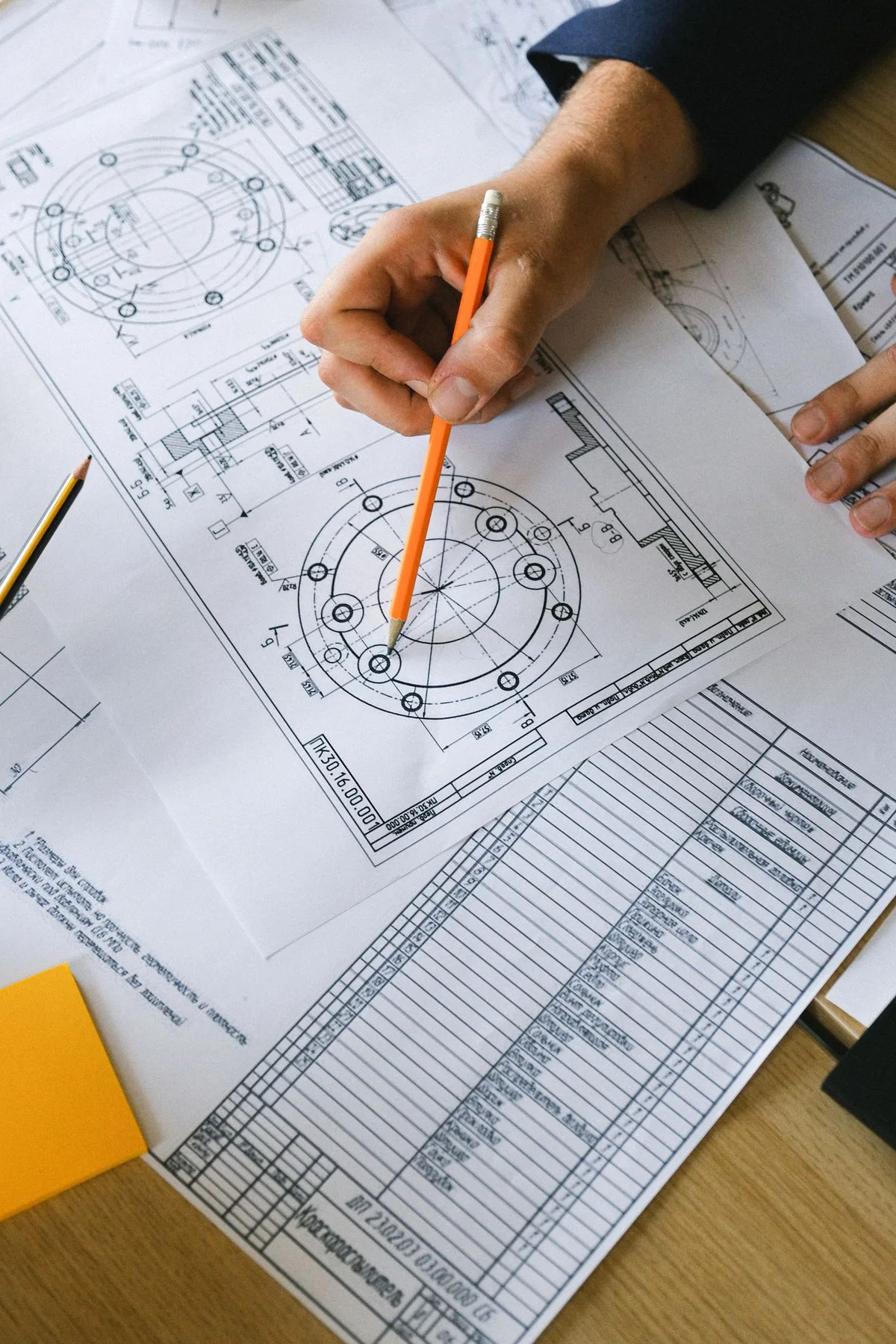
Dimensioned mechanical drawings; reference
Company and country:
Equipment category:
Proposed configuration, if known:
Material grade and starting condition:
Thickness, section or workpiece dimensions:
Drawing or joint design attached: yes / no
Critical feature to demonstrate:
Quality or measurement requirement:
Output, setup or changeover question:
Preferred evidence: existing clip / continuous test / measured sample / FAT record
Permission limits for your drawings or samples:

If no existing clip matches these conditions, an unrelated video should not be presented as proof. The next useful step may be a controlled sample plan, clarification of acceptance criteria or discussion of whether a custom demonstration is feasible. Availability and scope must be confirmed for the specific request.

Existing CHENDA catalogue spread; revision and applicability require confirmation

Use Video Together with Controlled Documents

Video should be cross-checked against the proposed configuration, current technical documents and quotation. It cannot independently establish long-term reliability, sustained production, complete safety scope, regulatory suitability, service performance or everything included in the order.

Build a stronger record with a configuration-specific quotation, identified material and drawing, repeatable test plan, recorded settings, measured acceptance criteria, site review, and machine-specific FAT and handover records.

Publication Standard for Website Videos

When a clip is approved for public use, its page should contain a descriptive title, context, machine category, material, process, result, limitations and text summary. State what it demonstrates and what remains unverified.

Do not publish private drawings, customer names, faces, factory details or machine identifiers without authorization. Preserve the original file and evidence sheet internally; create the web version as a derivative so editing does not erase the source record.

Reviewing written publication or project terms; illustrative reference
CHENDA digital cutting machine shown with its work area and controls

Ask for Evidence, Not Just Footage