
Your application / A defined equipment proposal

Request a Technical Equipment Quote

A useful equipment quotation should answer three questions: what work the machine is being selected to perform, exactly what configuration is included, and how the buyer will verify the result. Complete the project brief below or send the same information to info@chendalaser.com.

You do not need every answer before contacting CHENDA. Mark unknown items clearly. Do not replace missing facts with estimates that could change the machine choice.

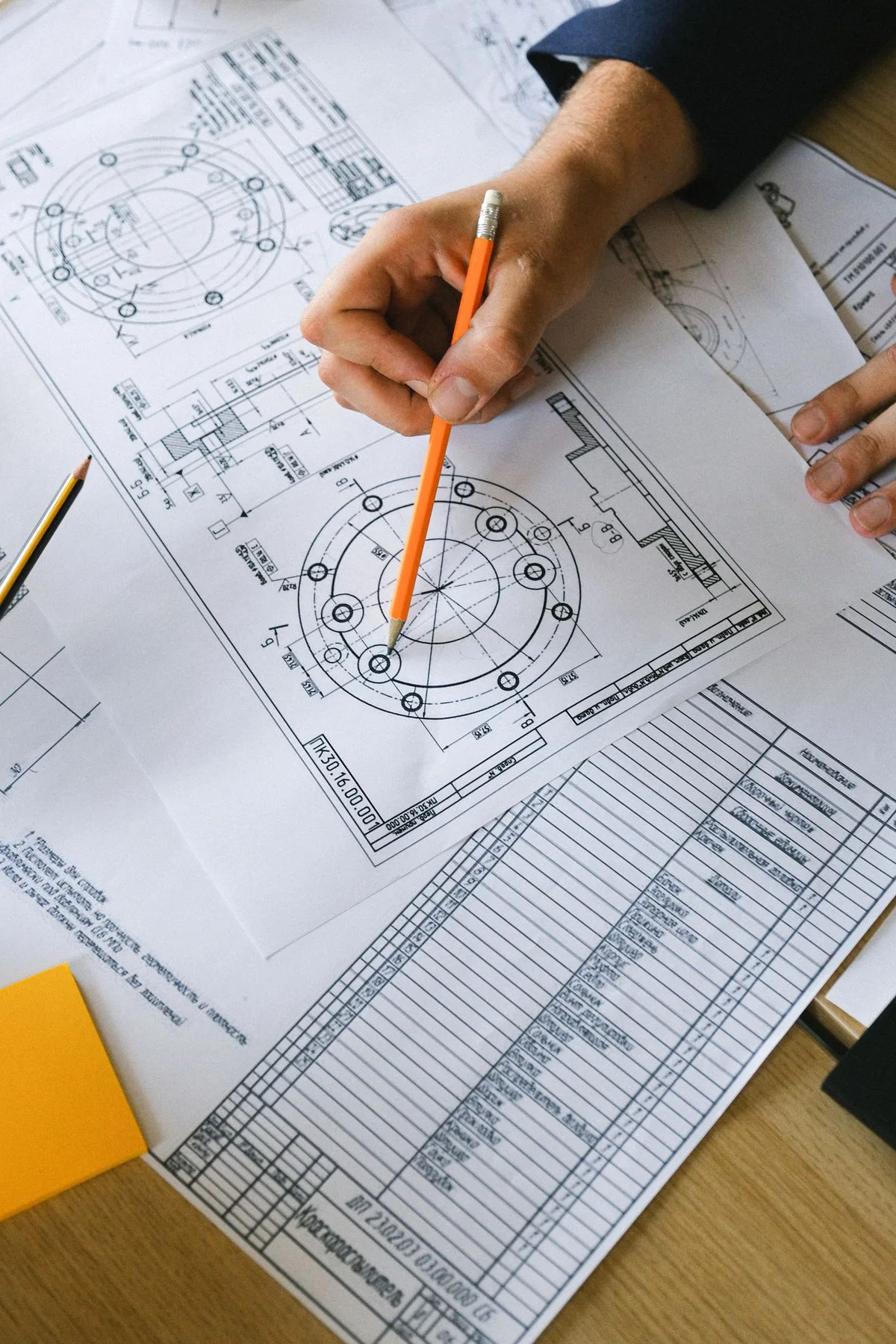
Mechanical part drawings for an equipment brief; reference
Define the drawing, material and acceptance feature · reference

Contact and Project Details

Written project information review; reference
  • Company legal name and website
  • Contact person, job role, email and phone or messaging preference
  • Country, city and final installation destination
  • Industry and finished product
  • New line, capacity addition, replacement or process change
  • Target purchase and required production timing
  • Preferred trade or shipping term if already defined
  • Language required for quotation, documents and training

If an agent, distributor or integrator is submitting the inquiry, identify the end-use application and who owns technical approval.

Application Information Required for Every Machine

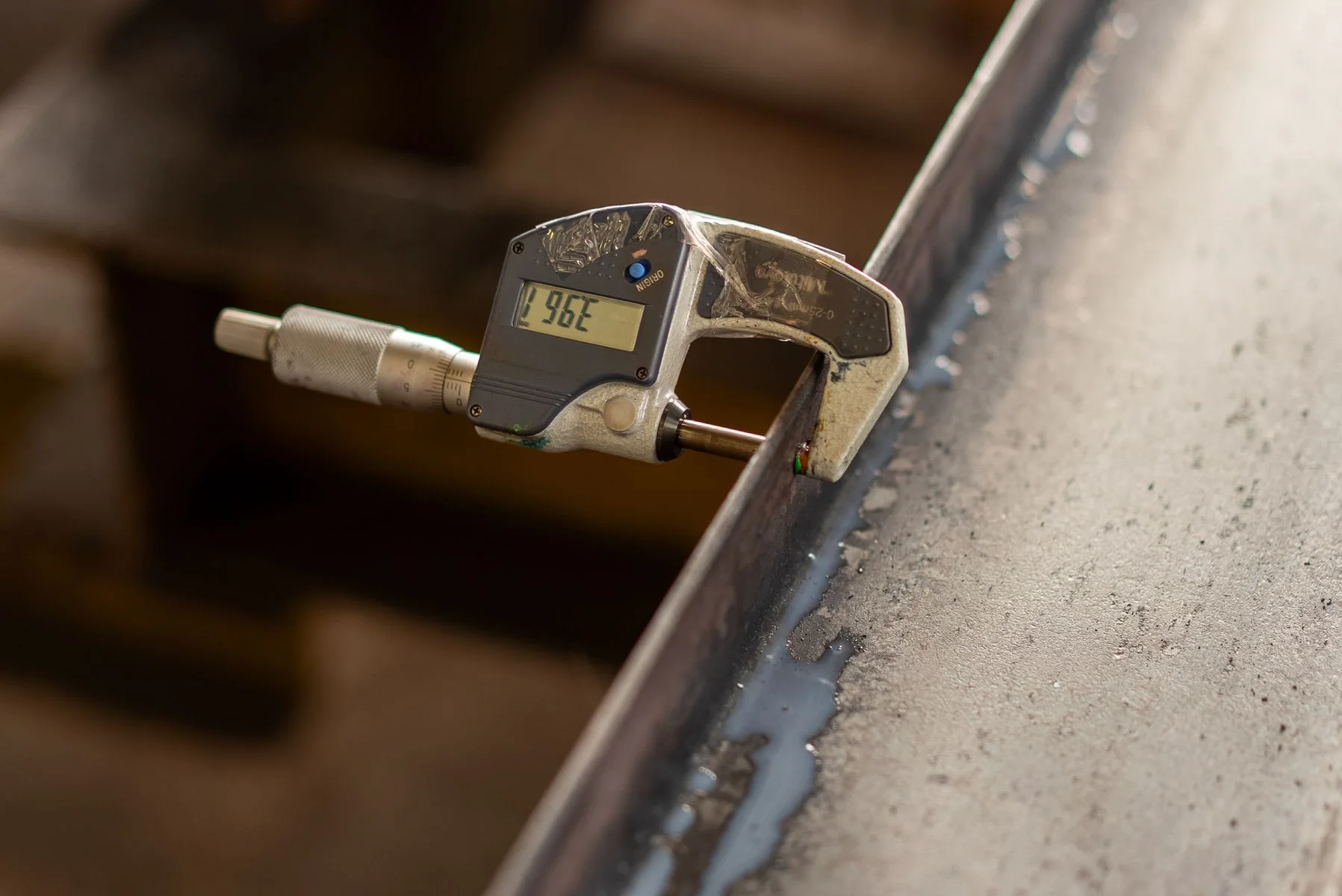
Metal thickness measurement using a micrometer; reference

Material

List the exact material or grade when known. Include surface condition, coating, protective film, hardness or construction when relevant. Give minimum, typical and maximum thickness. For tube or profiles, include cross-section, outside dimensions, wall thickness, stock length and unit weight. For flexible materials, include samples or manufacturer data, density, roll width, stretch, porosity and layer construction.
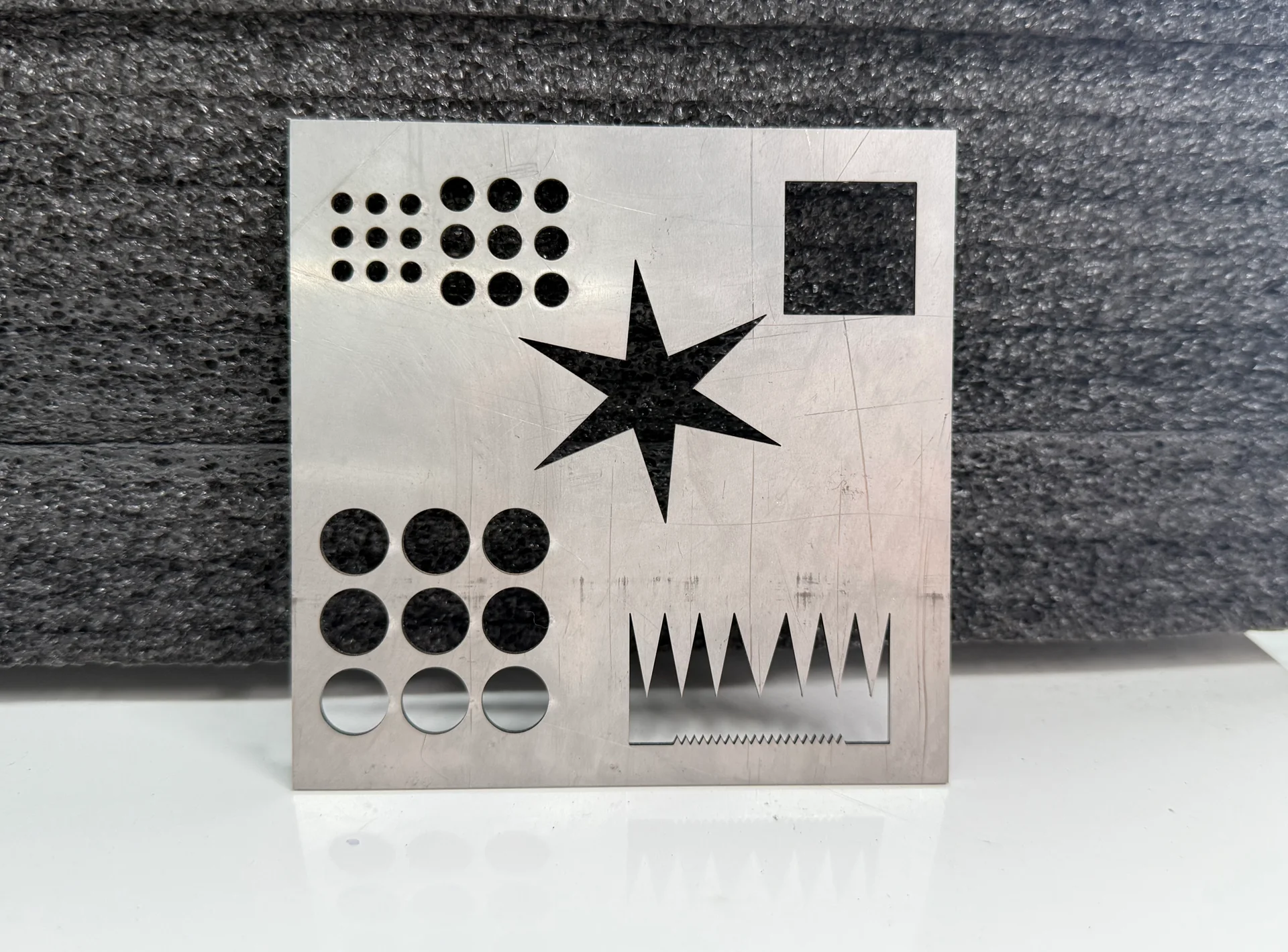
Metal sample with small cut features

Part

Attach one typical drawing and one difficult drawing. Native or exchange-format CAD files are useful when available, but include a readable PDF or image for context. State overall dimensions, smallest important features, tolerances, surface requirements and finished-part use.

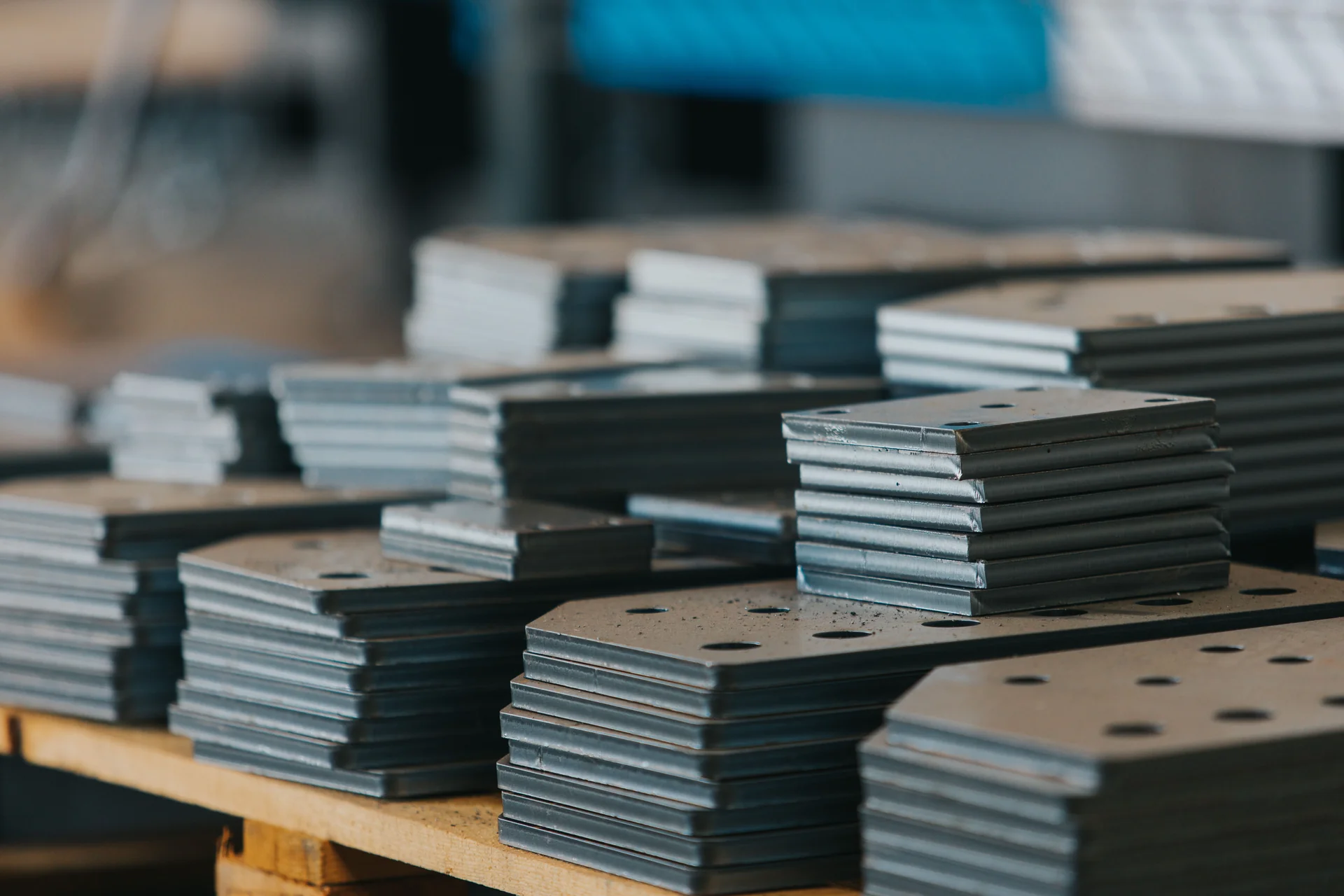
Stacked metal components illustrating batch work

Production

Provide typical batch size, monthly or daily mix, shifts, working hours, changeover pattern and expected output. Separate normal work from occasional maximum jobs. Explain the current bottleneck and how parts move into and out of the process.

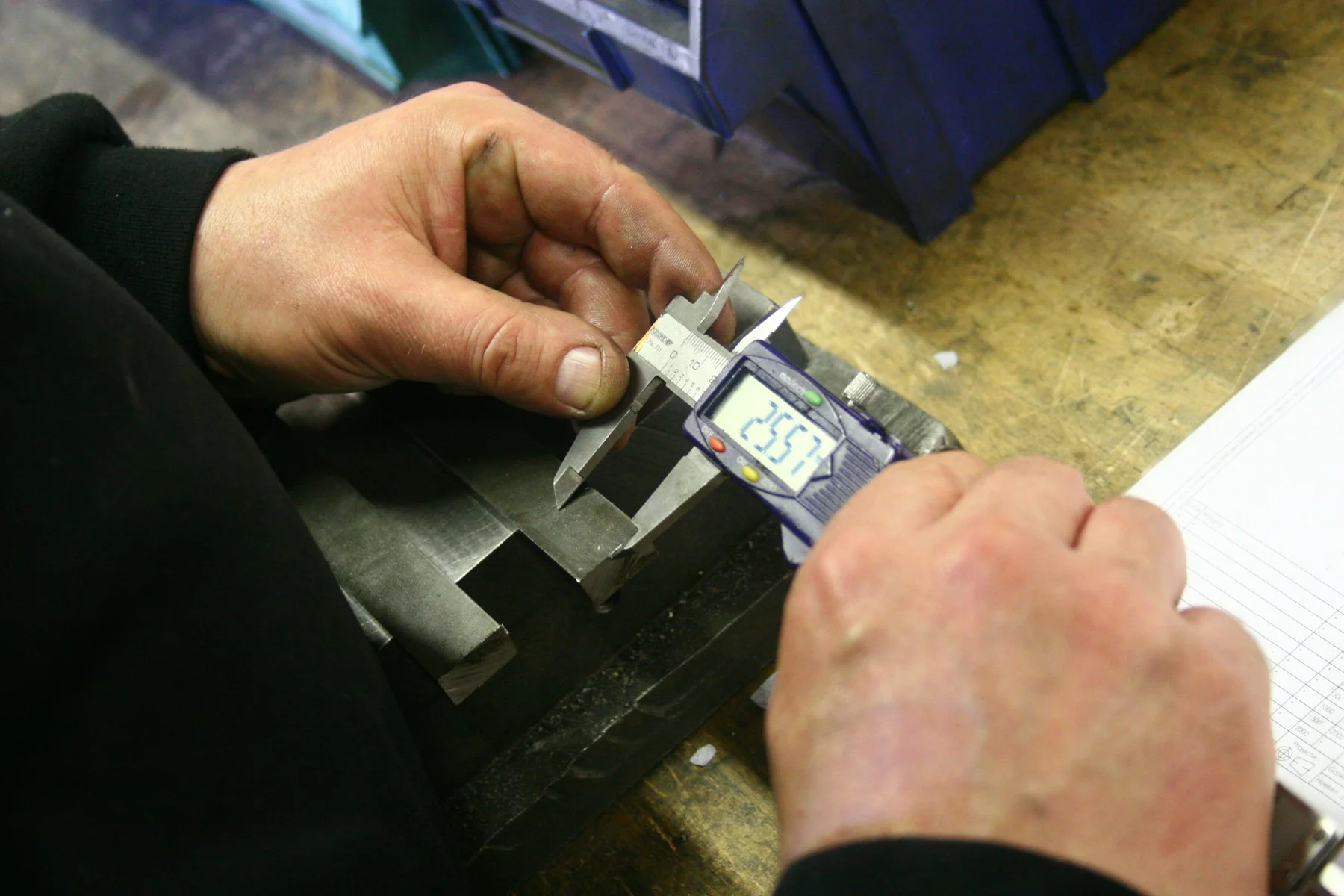
Measuring a machined component; reference

Quality and acceptance

Define the result you will inspect: cut-edge condition, dimensional tolerance, bend angle and flange, weld penetration or appearance, contaminant removal, mark contrast and readability, burr or edge radius, or digital-cut fit. State whether sample testing or witnessed factory acceptance is required.

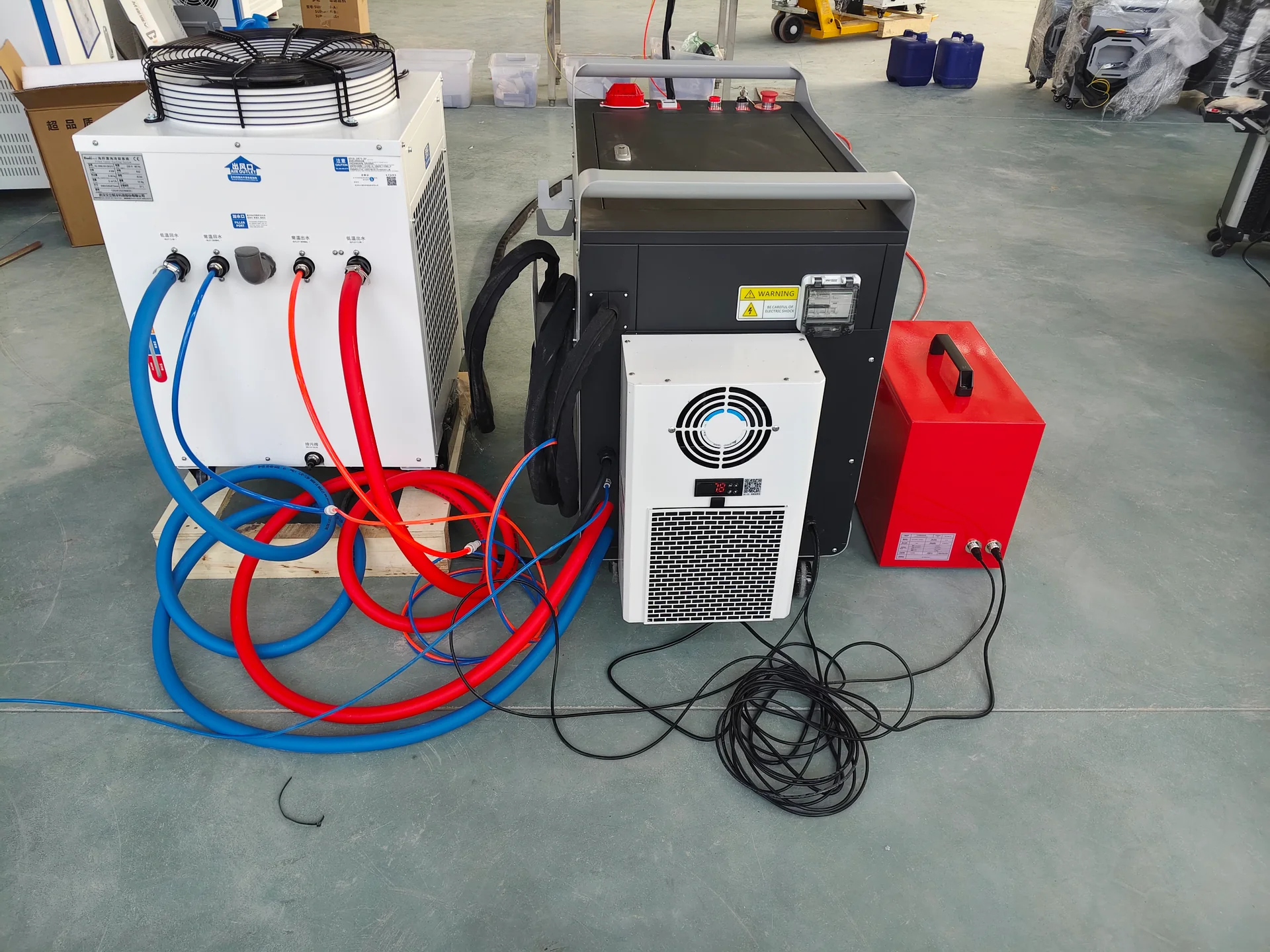
Cooling and auxiliary connections on welding equipment

Site

Provide available floor space, access restrictions, voltage, phase and frequency. Add grounding, gas, compressed air, cooling, extraction, drainage, network and ambient conditions relevant to the equipment. Identify local standards or documents that must be addressed.

Laser Cutting RFQ

For laser cutting equipment, add the following:

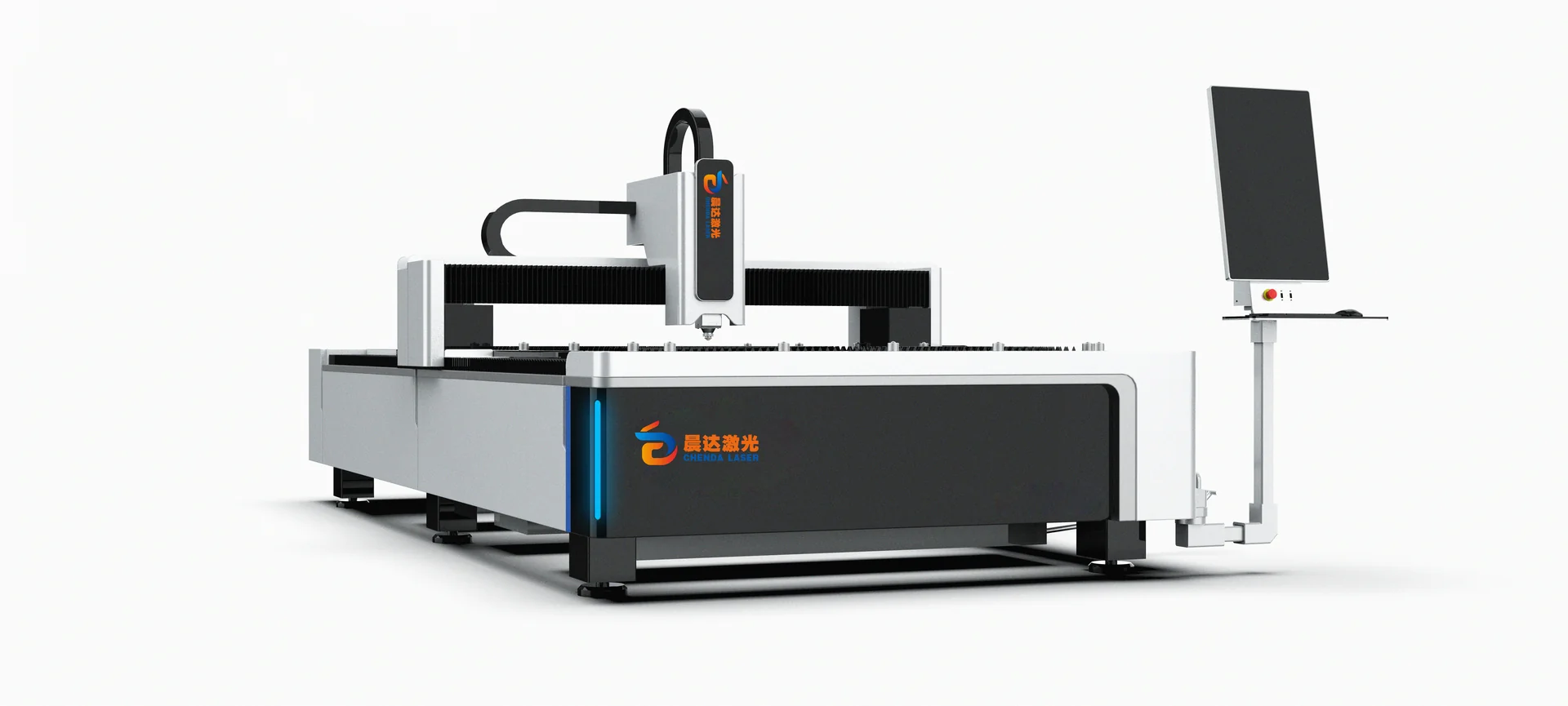
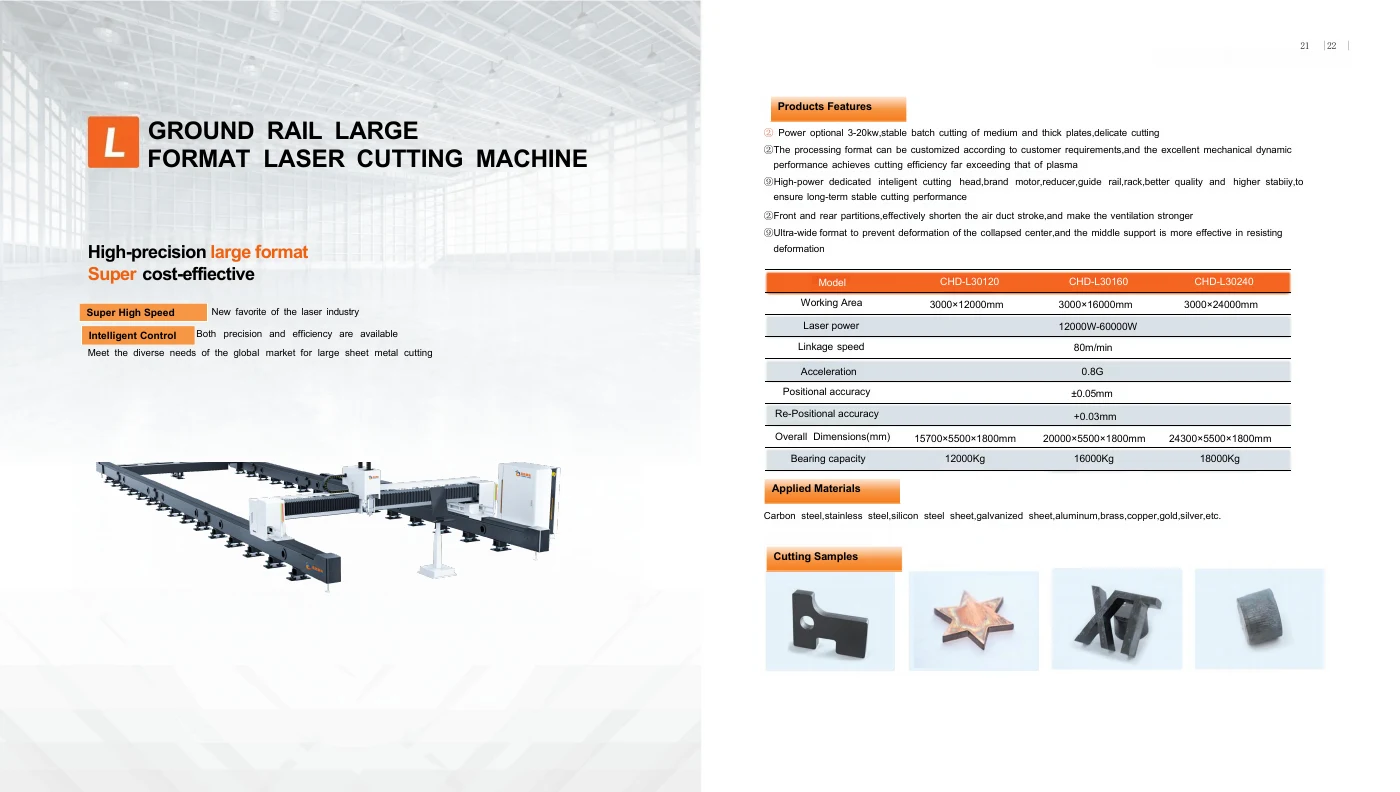
CHENDA open sheet laser cutting machine
Item Information to provide
Workpiece form Flat sheet, plate, tube, pipe, structural profile, sheet and tube, or coil
Material range Grade, surface condition and minimum, normal and maximum thickness
Size Sheet format, profile envelope, tube diameter or width, stock length and weight
Features Holes, slots, tabs, bevels, copes, notches, end cuts and smallest critical feature
Output Part mix, nest density, pierce count, batch size and loading pattern
Edge requirement Dross, taper, heat effect, burr, oxide and downstream weld or coating need
Handling Manual, exchange table, sheet automation, tube bundle loading, supports or unloading
Utilities Assist gases, pressure, compressed air, extraction, power and cooling

Do not choose laser power only from a maximum-thickness table. Ask CHENDA to explain the proposed process for your typical material and how gas, optics, cutting head, motion and handling affect output.

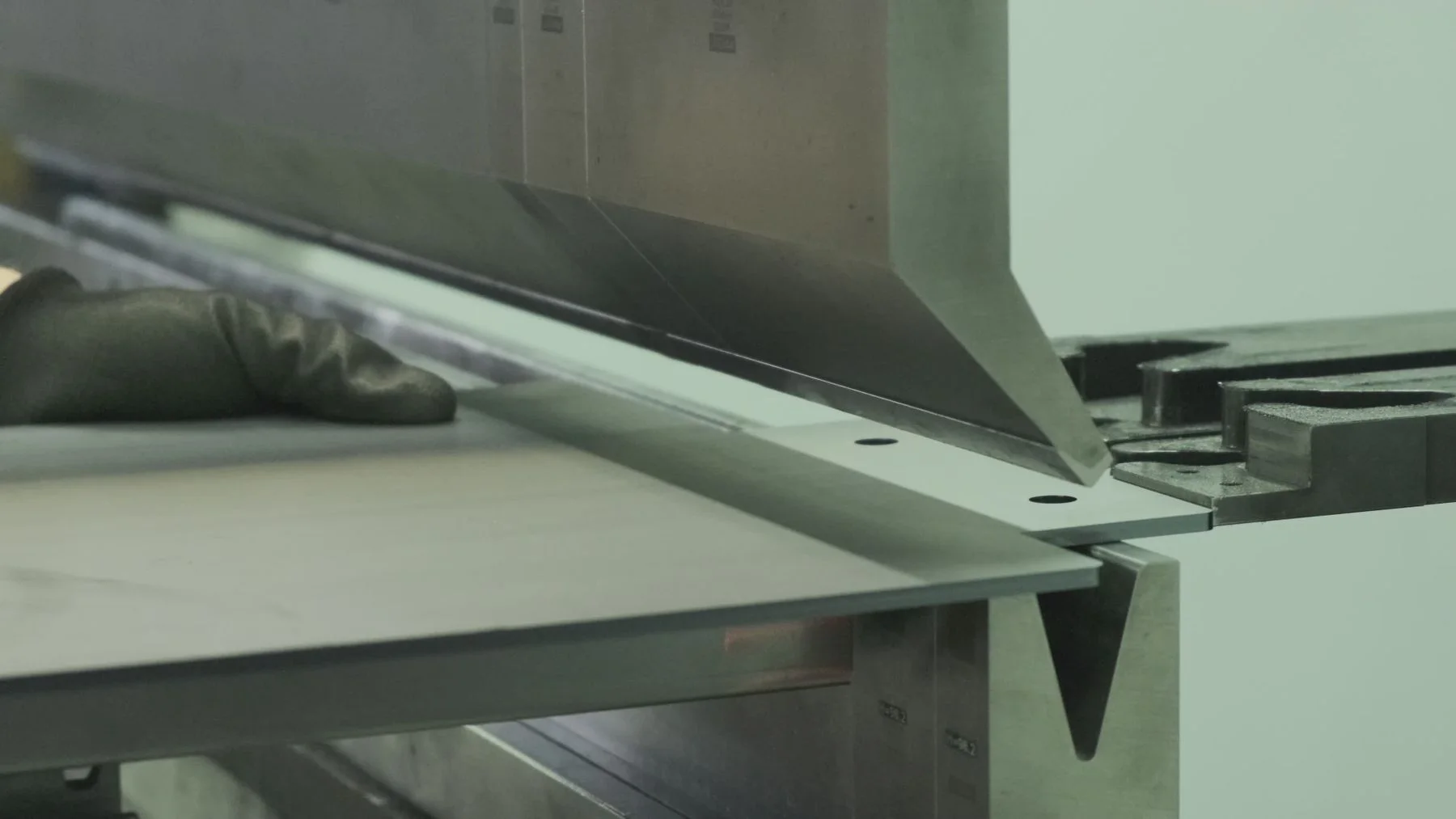
Press brake tooling forming a metal part; reference

Press Brake RFQ

For press brakes, provide:

  • Material grade, tensile strength when known and thickness range
  • Developed blank and finished-part drawings
  • Maximum bend length and normal bend length
  • Bend angles, inside radii and required flange dimensions
  • Shortest flange, deepest box and potential collision features
  • Part weight and support requirement
  • Tooling already owned or tooling to be included
  • Required backgauge axes and special fingers
  • Angle or dimensional tolerance and how it will be measured
  • Batch mix, operator experience and offline programming needs
  • Required guarding, light curtain or other safety concept

Required tonnage depends on the material, length, die opening, tooling and bend method. The quote should state the calculation basis rather than present force as an isolated number.

Welding RFQ

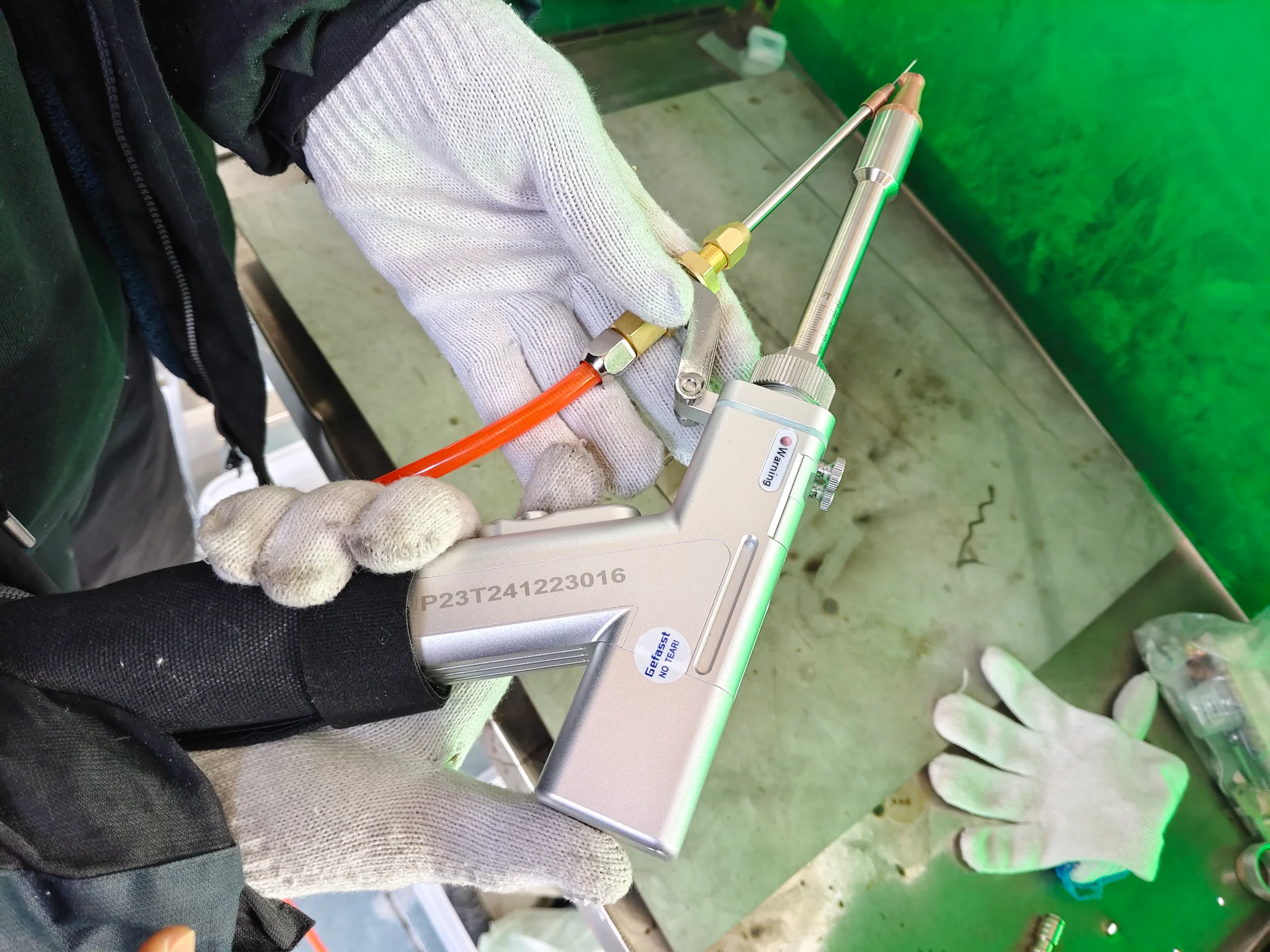
For welding machines and systems, identify whether you are evaluating handheld laser, automatic laser, robotic laser or robotic MIG/MAG welding. Then provide:

Welding head and wire guide in process setup
  • Base materials, coatings and thicknesses
  • Joint type, seam length and welding position
  • Gap, edge preparation and fit-up variation
  • Penetration, strength, appearance and distortion requirements
  • Filler wire and shielding gas requirements
  • Access around the seam and any internal welds
  • Part weight, fixture datum and repeatability
  • CAD model or drawings of the part and fixture
  • Typical variants and changeover frequency
  • Desired automation, seam tracking or programming approach
  • Fume control and laser or arc-welding safety provisions

Send representative parts for process trials when fit-up, reflectivity, visible seams or distortion will determine feasibility. Robot reach and payload alone do not prove the application.

Laser Cleaning RFQ

For laser cleaning, send photographs and samples showing the substrate and layer to remove. Record:

  • Base material and heat sensitivity
  • Rust, oxide, paint, oil, residue or other target layer
  • Layer thickness, adhesion and surface variability
  • Cleaning area, geometry and access
  • Required substrate condition after cleaning
  • Parts per shift or area to be cleaned
  • Handheld, portable or automated preference
  • Extraction, residue control and operator-safety plan

Pulse and continuous systems interact with surfaces differently. Sample testing should confirm removal rate and substrate effect before a production claim is accepted.

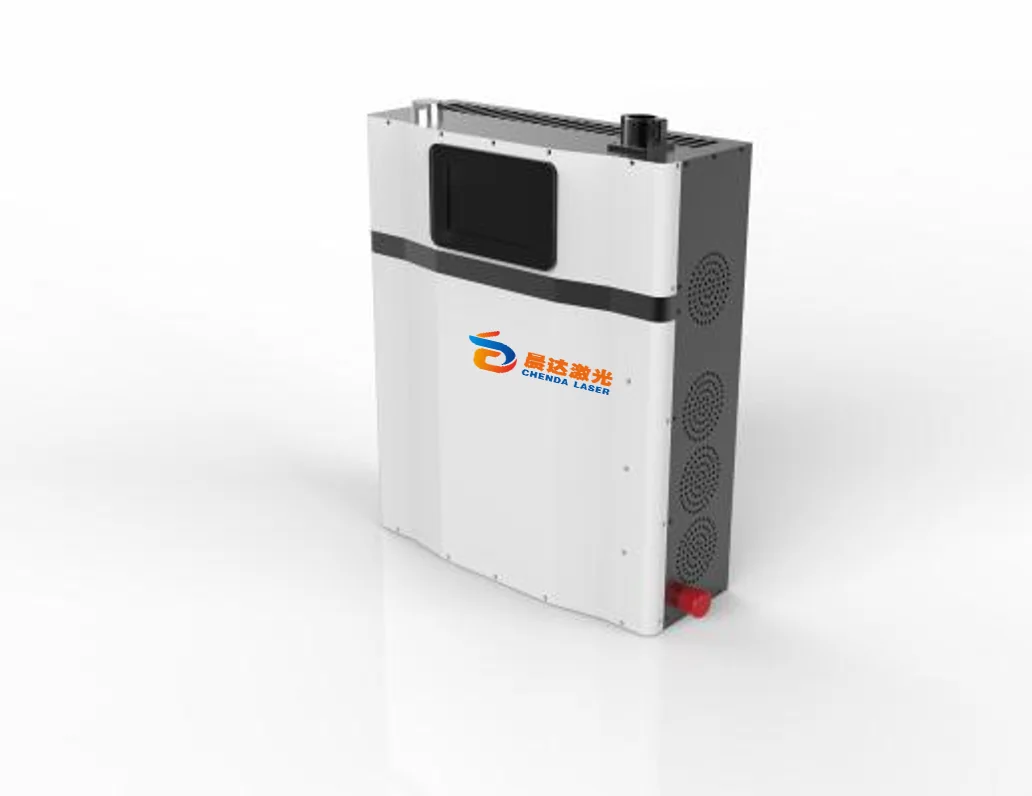
CHENDA laser cleaning equipment
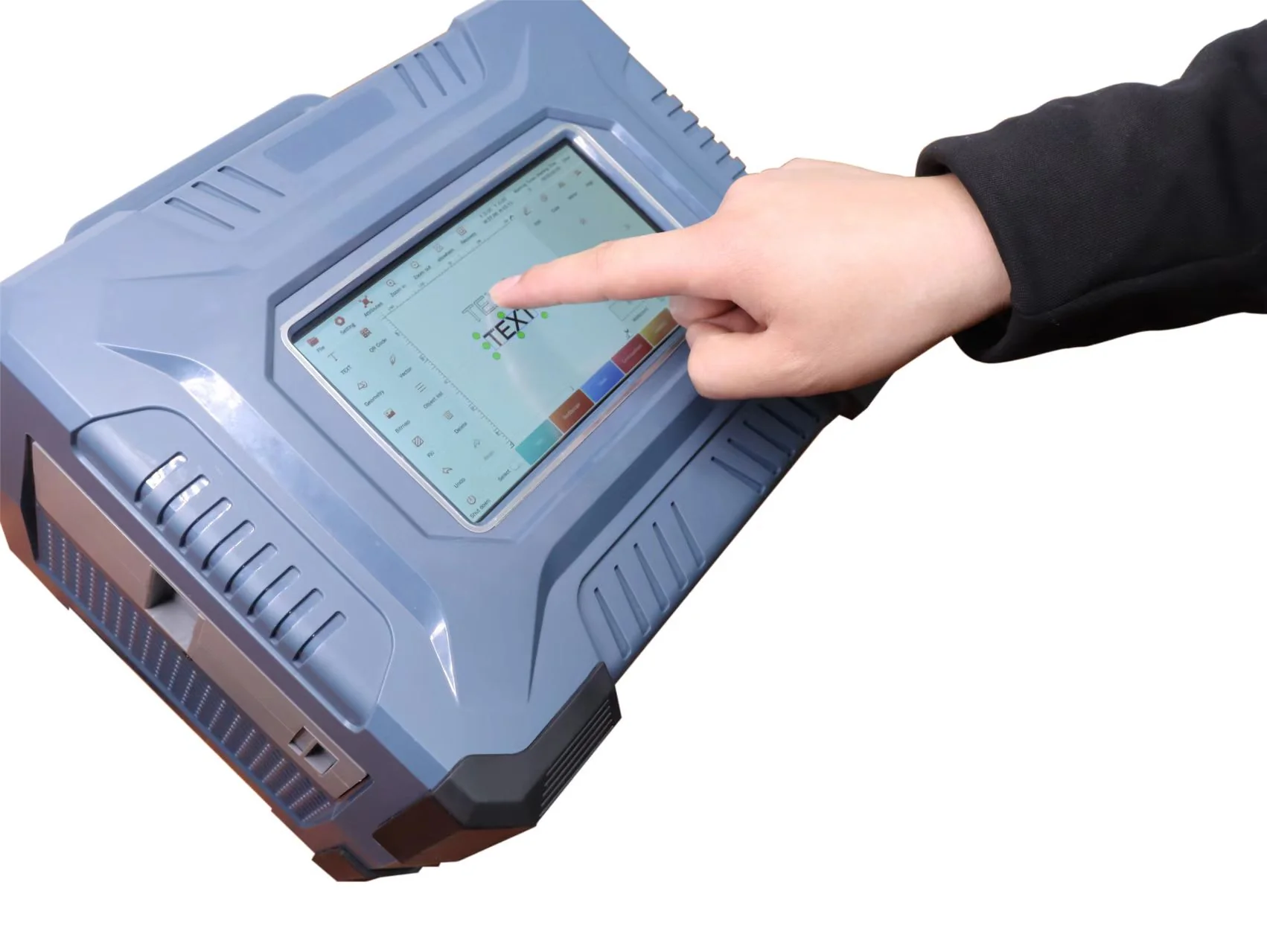
Portable marking equipment and touchscreen

Laser Marking RFQ

For laser marking, provide the material, part geometry, mark position, working area and cycle. Attach artwork or code examples and state whether the requirement is contrast, engraving depth, annealed appearance, coating removal or traceability. Include code size, data source, verification method and required readability after any later coating, cleaning, heat or wear.

Deburring and Finishing RFQ

For deburring and finishing, identify the upstream process and incoming defect. Send unprocessed parts when possible and state:

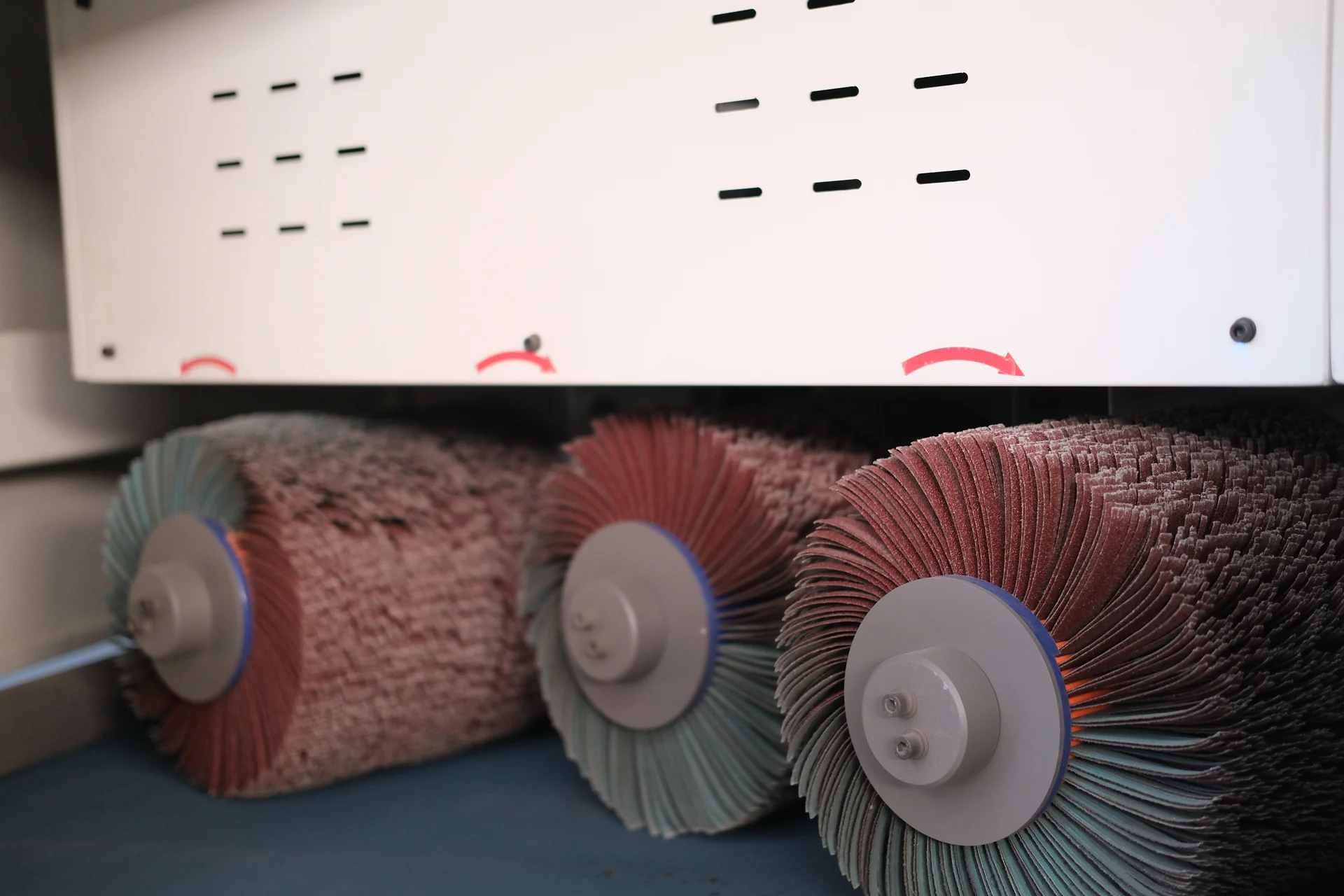
Three abrasive flap brush rollers; tooling reference
Abrasive brush tooling · equipment reference
  • Material and thickness range
  • Part length, width, minimum size and weight
  • Burr location and approximate severity
  • Desired edge radius or touch-safe condition
  • Required surface grain or finish
  • Oxide-removal requirement
  • Protective film and visible surfaces
  • Dry or wet process constraints
  • Throughput, part mix and dust-management needs

Photograph both faces and the critical edge. A machine configured for heavy slag removal differs from one intended for light burrs and uniform edge rounding.

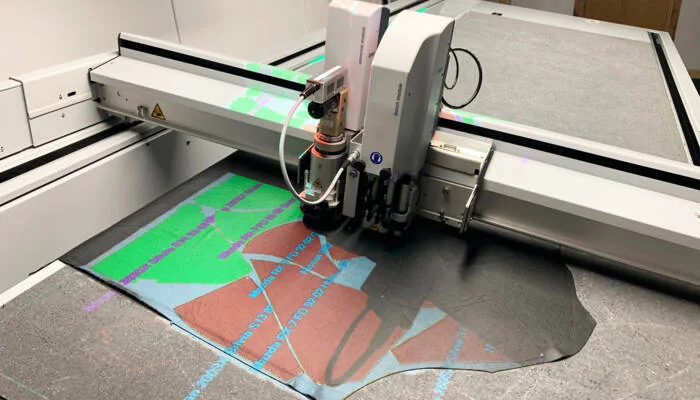
Digital cutting tool over leather; material test reference

Digital Knife Cutting RFQ

For digital knife cutting, send actual material samples and digital patterns. Include:

  • Material trade name, construction, thickness and density
  • Sheet or roll format and maximum width
  • Stretch, grain, porosity, backing and surface sensitivity
  • Cutting, creasing, perforating, V-cutting or other required action
  • Smallest radius, notch and detail
  • Print-to-cut registration requirements
  • Nesting, marking, labeling and part-sorting needs
  • Table or conveyor preference and roll-feeding requirement
  • Finished package, sewn item or assembly test used for acceptance

Do not assume a tool from a similar-looking material will work. Hold-down, blade geometry, tool speed and material behavior should be tested together.

Air Compressor RFQ

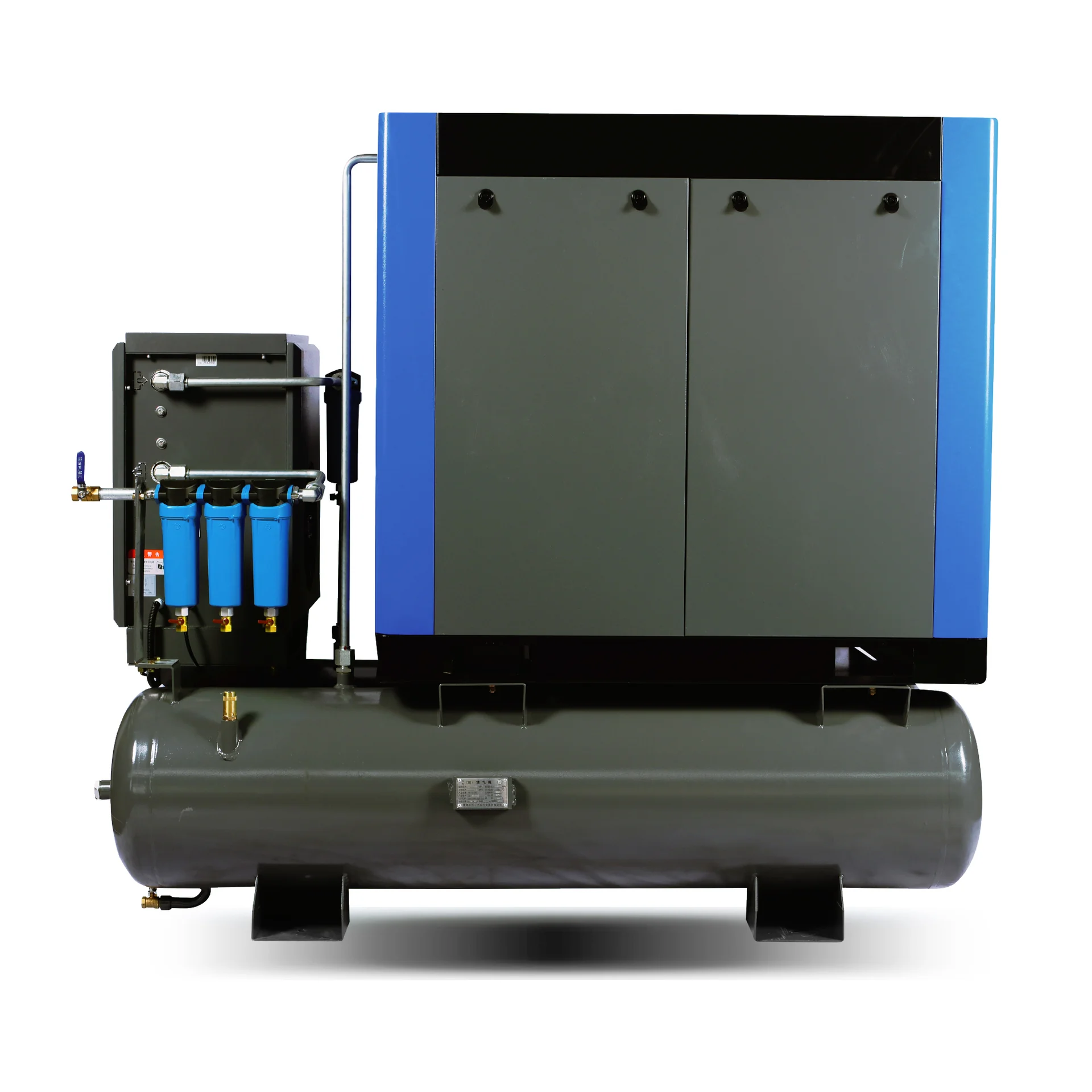
For an air compressor, provide pressure and flow at the point of use, not only the connected machine name. List all simultaneous consumers, duty cycle, daily hours, air-quality class or dew-point need, ambient temperature, altitude, piping distance, receiver, dryer, filters and future expansion.

Air compressor with receiver and filter bank
CHENDA catalogue reference; final scope requires a configuration-specific proposal

What the Quote Should Return

Ask CHENDA to provide a revision-controlled proposal showing:

  • Application basis and assumptions
  • Recommended model and technical reason
  • Included configuration, options and auxiliary systems
  • Major component identities where specified
  • Capacity limits and items still subject to testing
  • Customer-supplied utilities and excluded scope
  • Sample or factory-acceptance plan
  • Documentation, installation, training and warranty scope
  • Production and delivery basis
  • Price, currency, payment and validity

If any statement is important to the purchase decision, move it from chat into the quotation or technical agreement.

Copyable RFQ Template

Mechanical part drawings for an equipment brief; reference

Company and country:
Contact person:
Finished product:
Equipment or process needed:

Material and grade:
Thickness or profile range:
Workpiece dimensions and weight:
Typical drawing attached: yes / no
Difficult drawing attached: yes / no

Typical batch and product mix:
Working hours or shifts:
Required output:
Quality and acceptance criteria:
Current process and main bottleneck:

Loading, unloading or automation needs:
Available floor space:
Power supply:
Gas, air, cooling and extraction:
Destination:
Required project timing:

Sample test required:
Factory acceptance required:
Installation and training expectation:
Mandatory documentation or local requirements:
Other questions:
CHENDA open sheet laser cutting machine

Send the Project Brief

Attach the relevant files and email info@chendalaser.com. For application context, explore Applications. For purchasing and acceptance questions, read the Buying Guides and Quality Control pages.