A useful machine document should answer a defined purchasing question. A general brochure can introduce a product family, but it cannot confirm what is included in a quotation, whether a process suits your material, or what utilities the ordered machine will require. This resource index helps buyers request the right document at the right stage—and keep marketing references separate from controlled project records.
CHENDA does not label an old file “current” simply because it remains in an internal library. Public download availability, language, model coverage and revision must be confirmed before a link is released. Tell us the equipment category, application and country, and we will identify the most relevant available material or explain what project information is needed first.
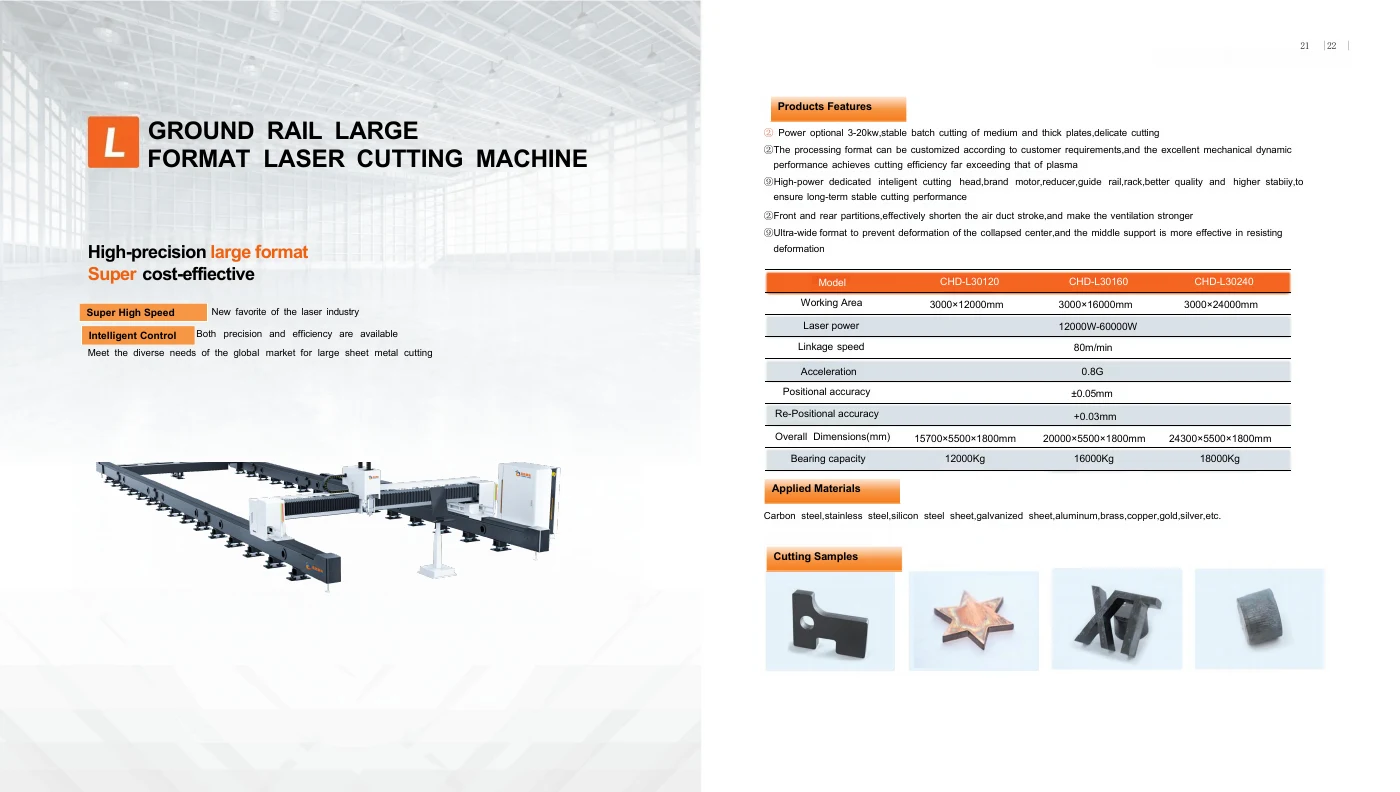
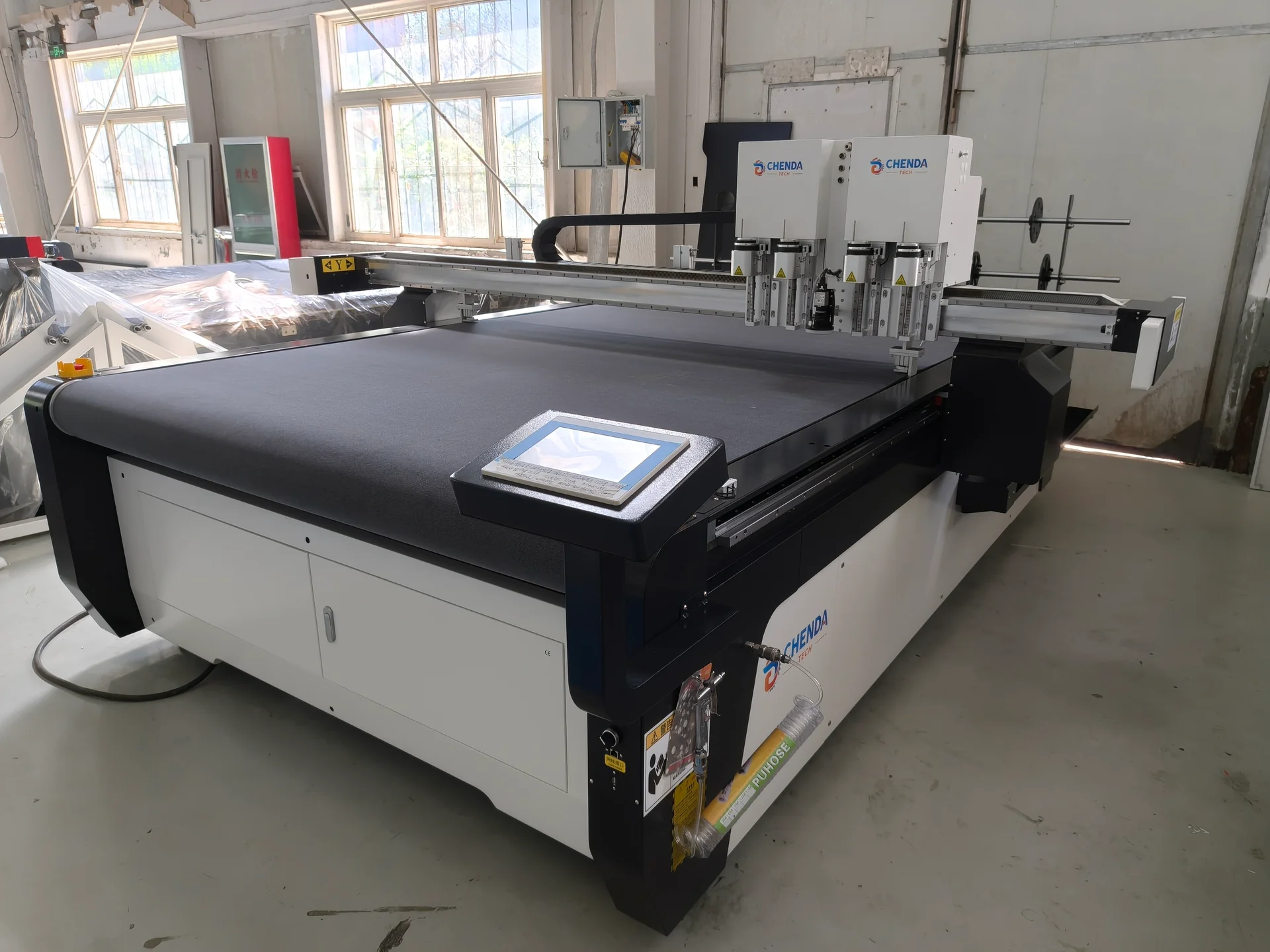
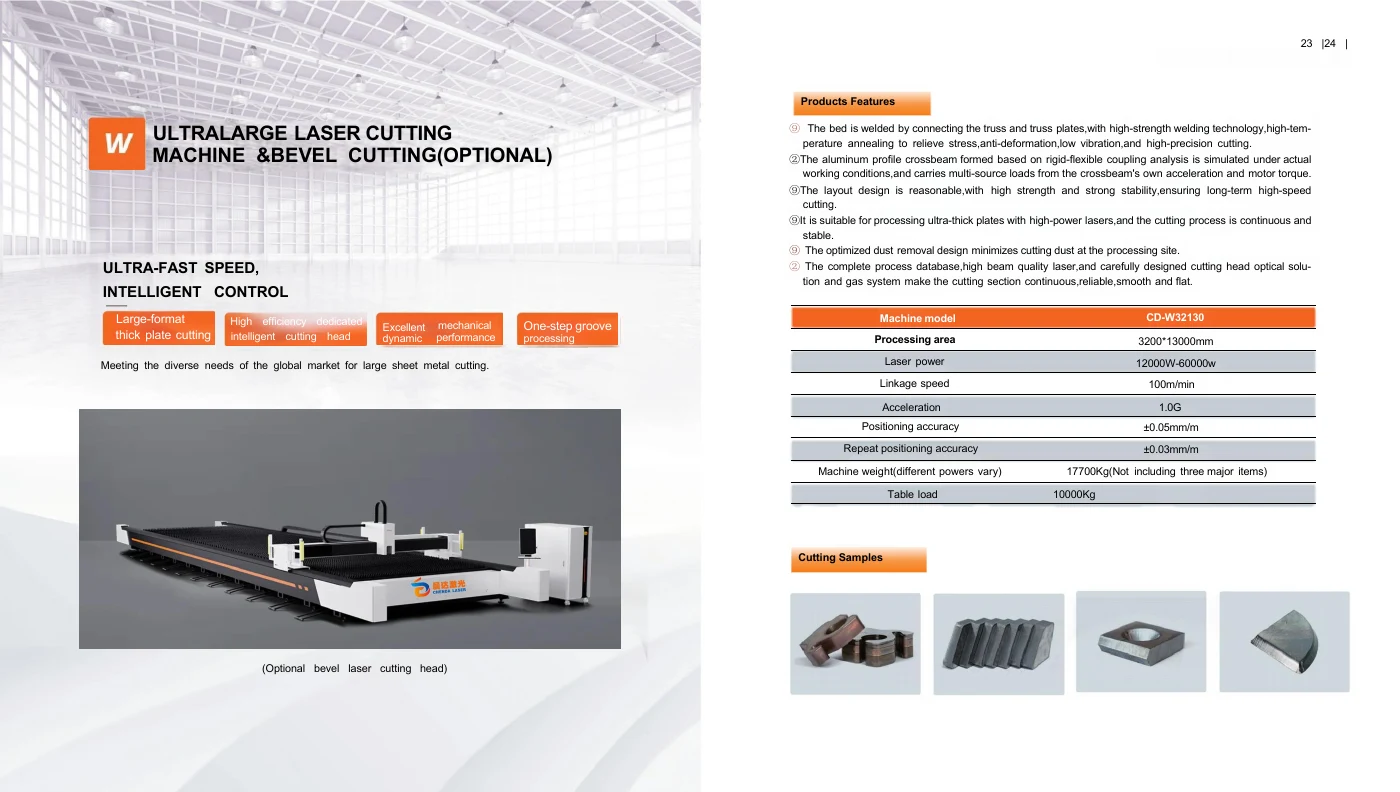
Existing CHENDA catalogue spread · confirm revision and applicability
Start with the Decision You Need to Make
Your current task
Document package to request
Information to provide
What the package should help you decide
Explore suitable machine families
Product discovery pack
Process, material, size range and country
Which equipment architecture deserves detailed study
Compare possible configurations
Application selection pack
Drawings, material grades, thicknesses, output target and quality concerns
Which configuration and options address the actual work
Compare quotations
Commercial comparison pack
Supplier quotations or your comparison fields
Whether scope, exclusions and assumptions are being compared consistently
Prepare a facility
Site-planning pack for the selected configuration
Proposed layout, local voltage, utilities and access limits
Space, foundations, power, gas, air, extraction and handling preparation
Plan inspection and handover
Acceptance and handover pack
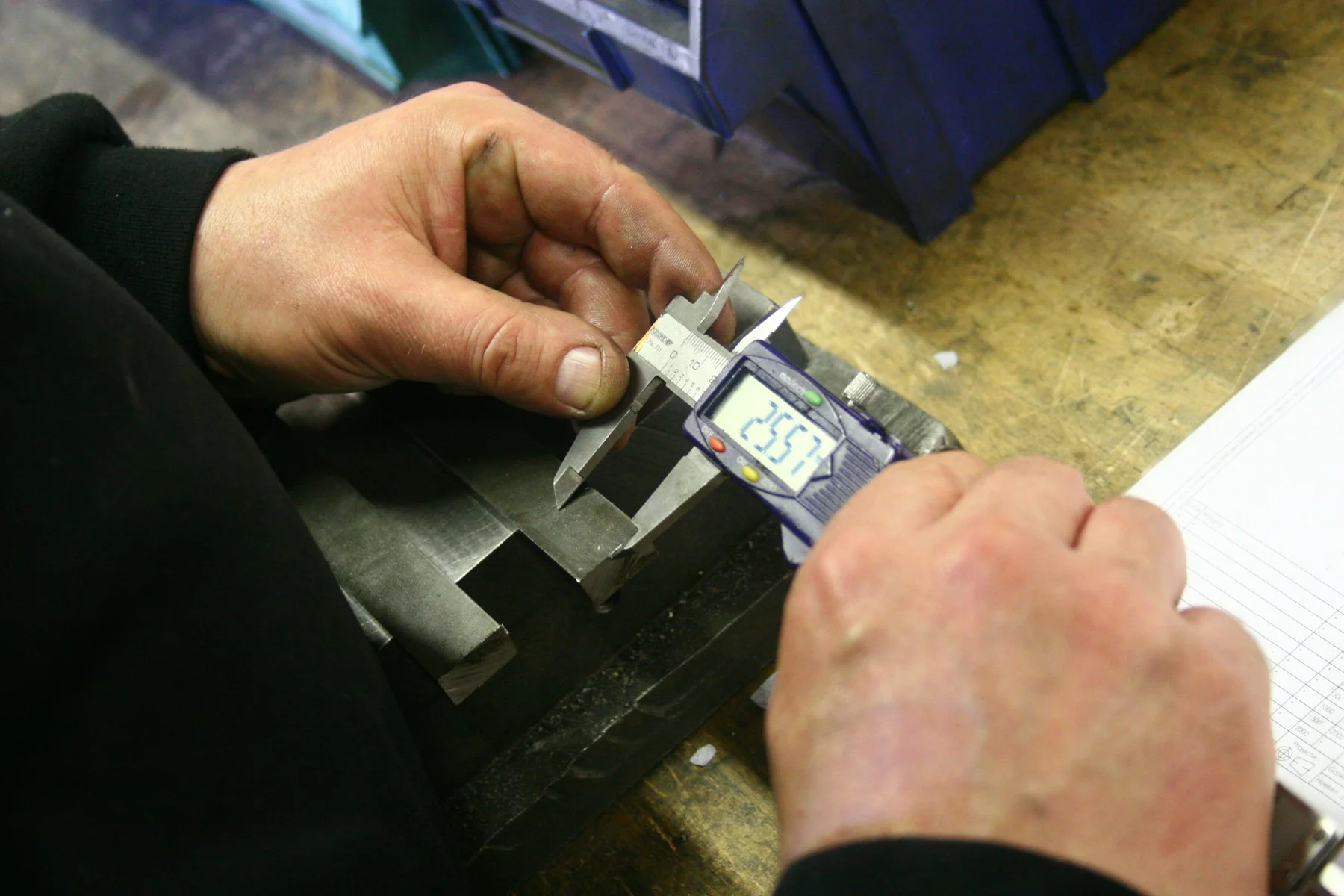
Approved samples, critical features and inspection methods
What must be demonstrated, measured and delivered
Support an installed machine
Machine-specific service document request
Model, serial number, configuration and issue description
Which manual, drawing, parts record or procedure applies to that machine
A single “send me all catalogues” request often produces too much information and too little certainty. A focused request makes it easier to return a document that can support a real decision.
Resource Index by Equipment Family
Laser cutting machines
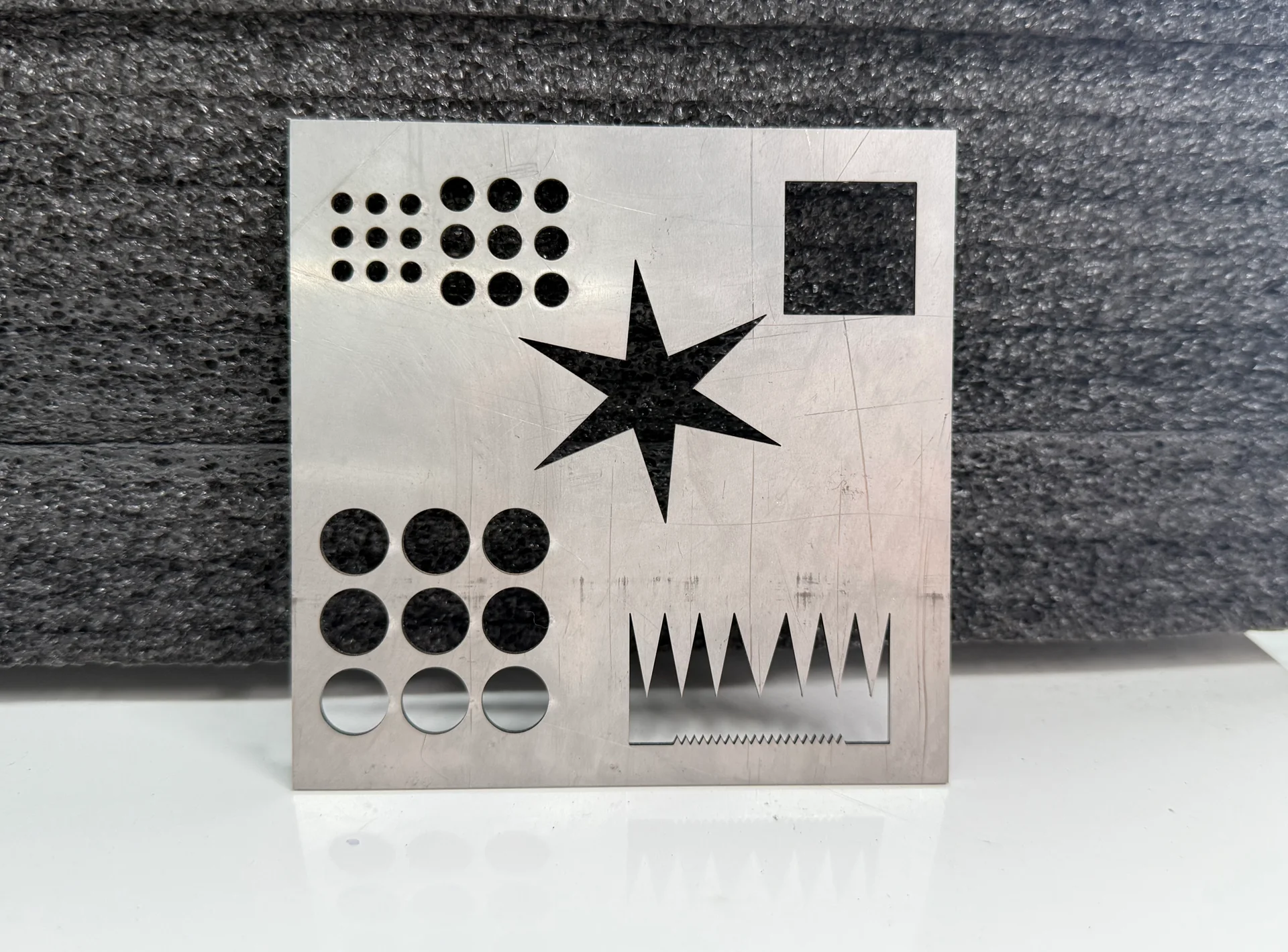
State whether the work involves flat sheet, tube, both sheet and tube, or structural profiles. Also identify large-format plate, long stock, coil-fed production or automatic loading if any of these are relevant. A useful request includes material grades, normal and occasional thicknesses, maximum part or stock size, production mix, difficult features, edge-quality expectations and downstream operations.
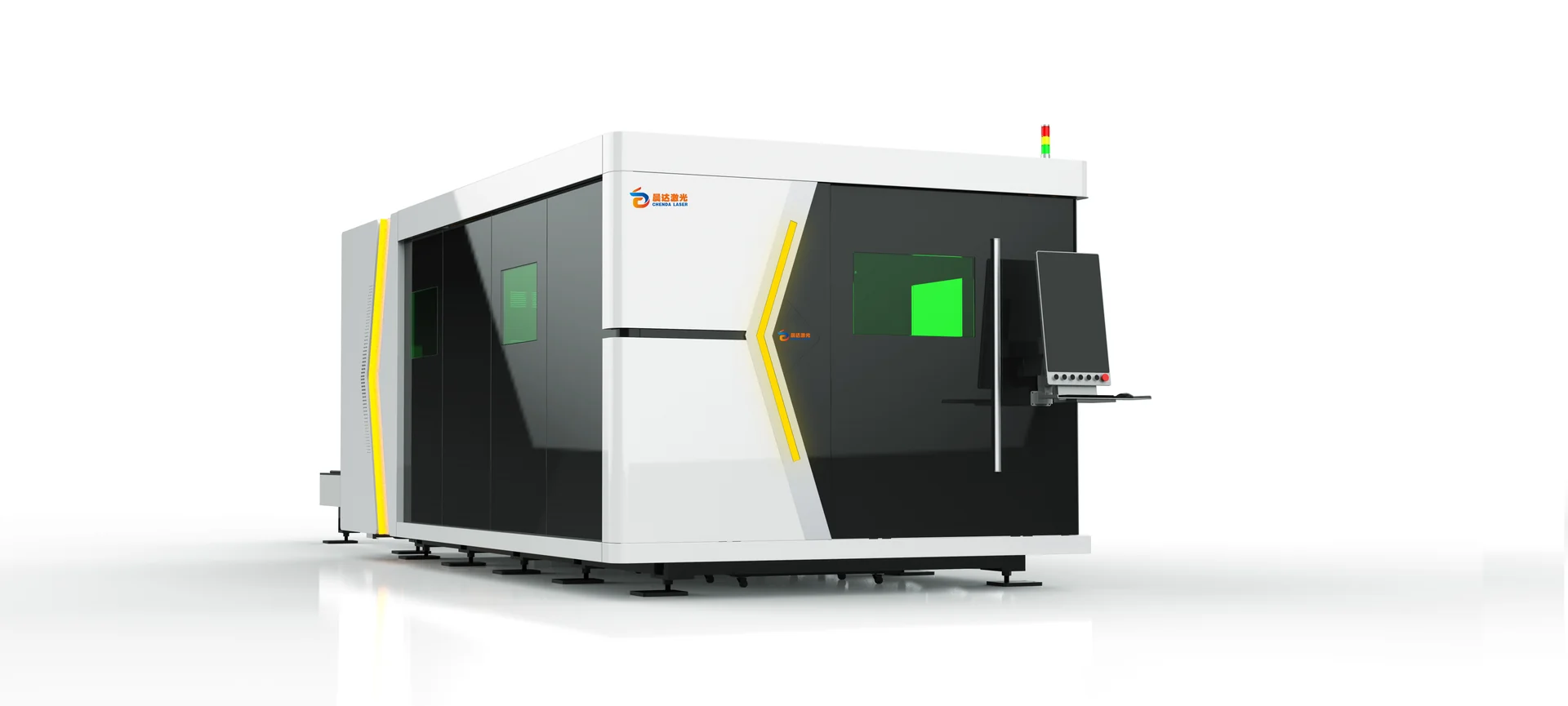
Depending on the project stage, ask for a family overview, configuration-specific datasheet, option list, layout concept or sample-cut plan. Images of automation, a rotary axis, compressor or extraction unit do not establish that those items are included; the commercial configuration must name them.
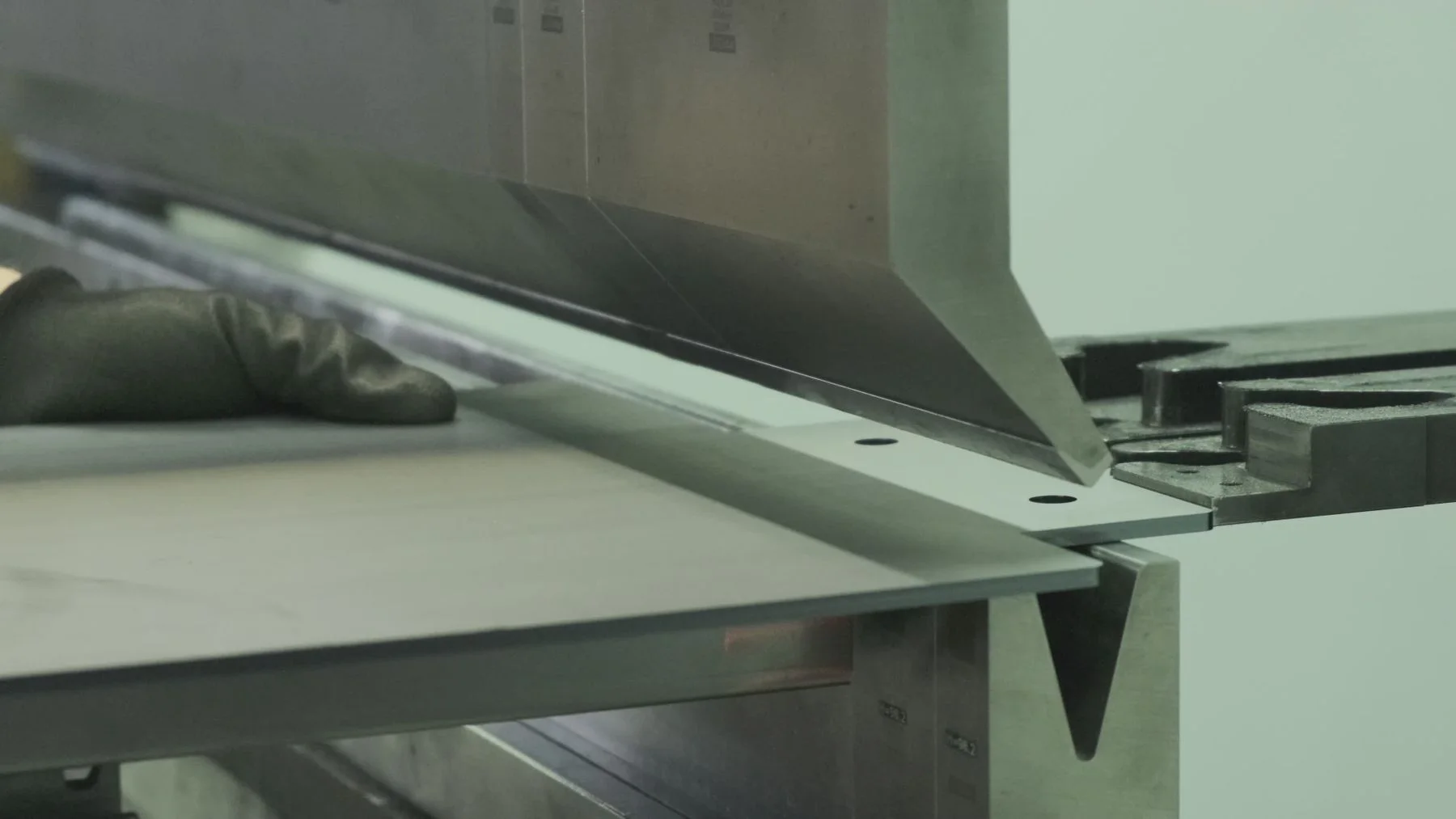
The technical package should separate nominal capacity from the proposed bending process and identify the control, axes, backgauge, crowning approach, guarding, tooling and installation assumptions. Final tooling and capacity decisions require a bend study based on the part, die opening and material—not a headline force value alone.
Welding systems
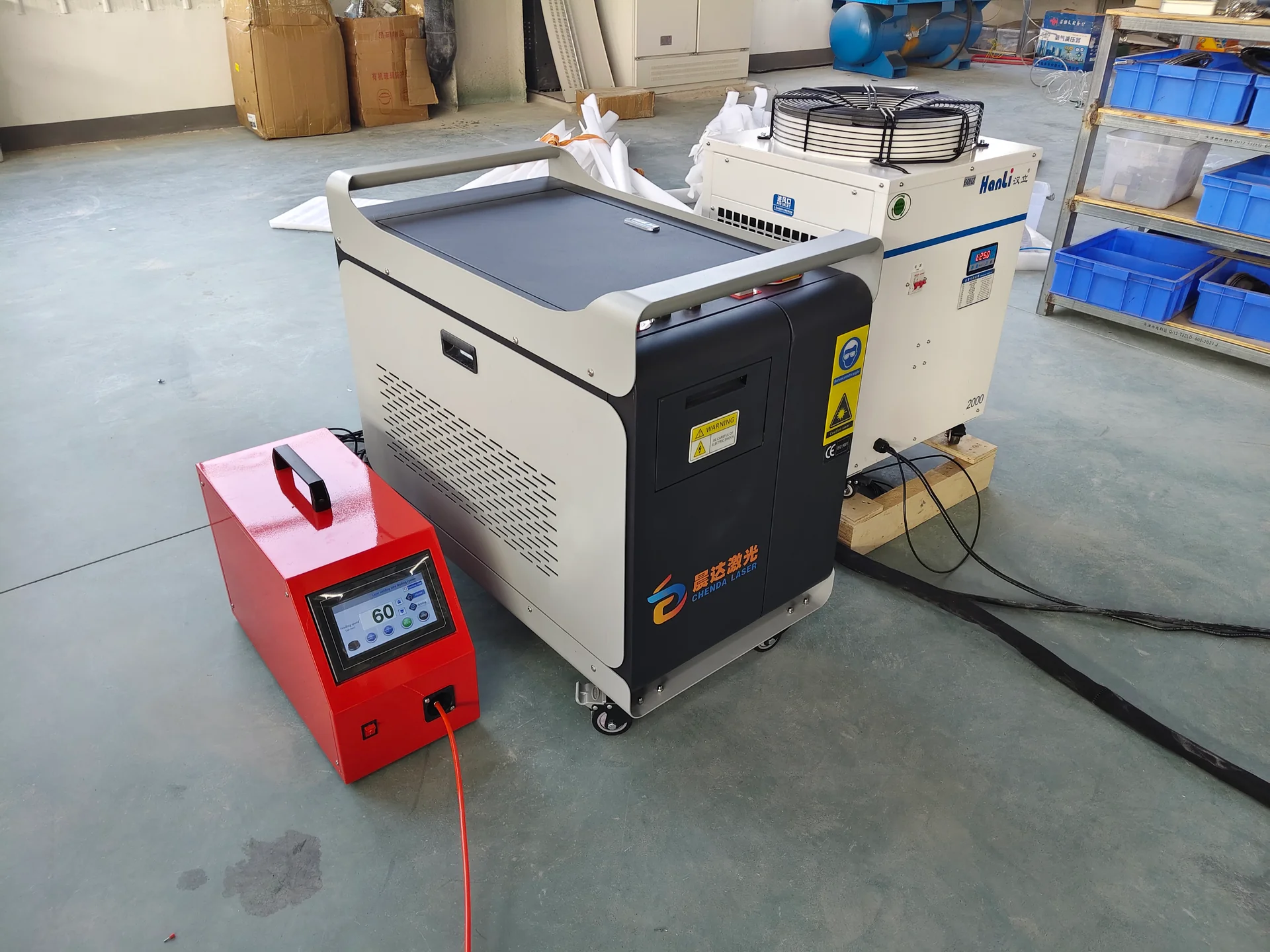
Specify whether you are evaluating handheld laser welding, automatic laser welding, robotic laser welding or robotic MIG/MAG welding. These are different process routes and should not be merged into one generic “robot welding” file.
Request separate identification of the source, robot where applicable, head or torch, cooling, wire feeding, fixture, extraction and safety boundary. Supply the material, thickness, joint, fit-up, weld position and quality concern. Where integrity matters, request an agreed inspection method rather than relying on a surface photograph.
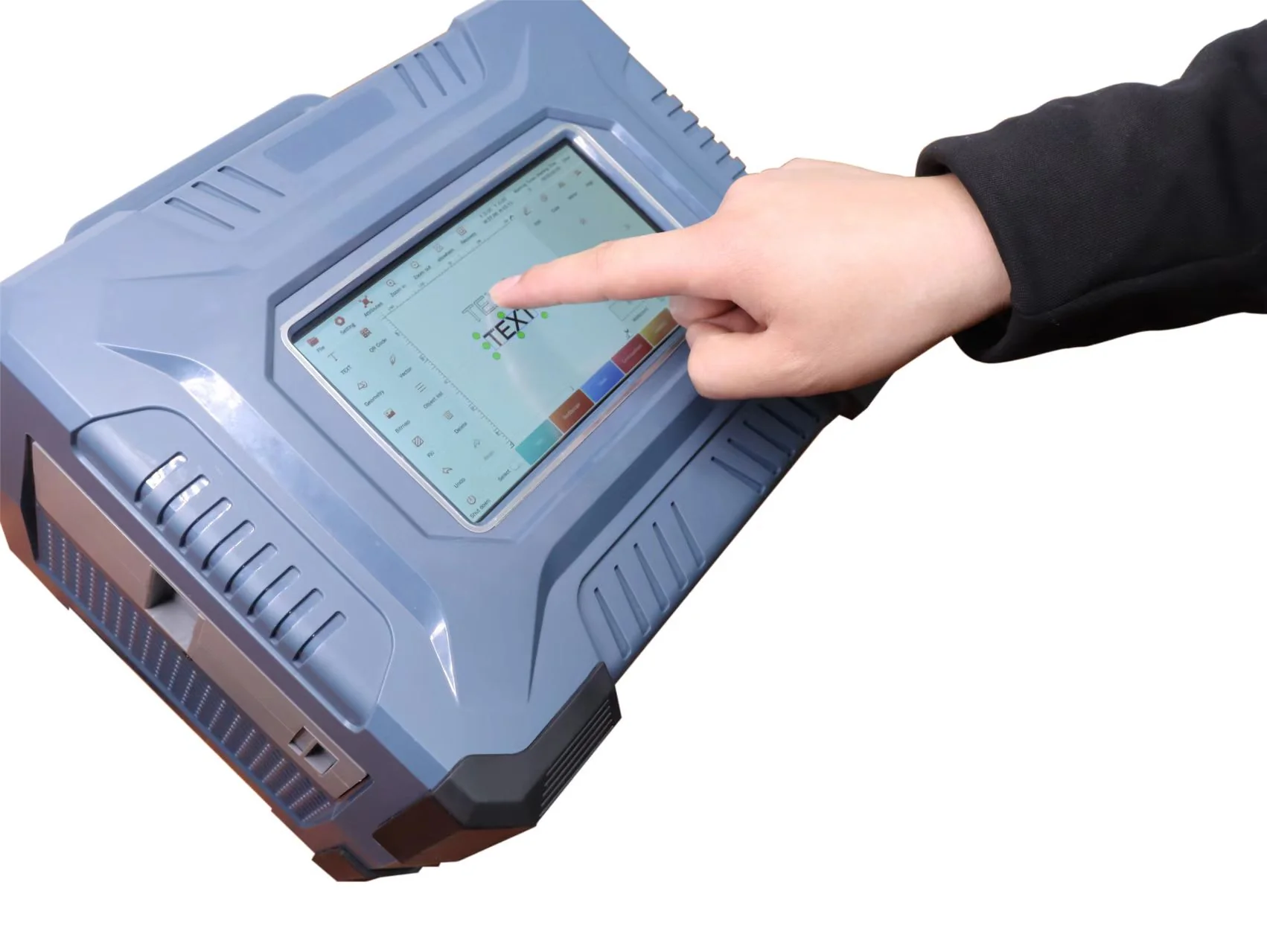
For laser cleaning, state the substrate, target layer, surface condition, treated area and whether the task is handheld or automated. “Rust removal” alone is not enough because coatings, oxides, oils and production residues behave differently. For marking, identify the material, mark size, content, contrast or depth requirement, working area and verification method. The document should connect the proposed process to the application rather than present one sample as universal capability.
Deburring, digital knife cutting and compressed air
A finishing request should name the incoming defect and desired result: burr removal, edge rounding, surface finishing or oxide-layer treatment. For digital knife cutting, list the substrate, format, thickness, registration need and tool actions. For compressed air, provide pressure, demand profile, air-quality target, ambient conditions and connected machines; system sizing also depends on treatment, storage and distribution losses.
For early research: a product-family overview, category map and reference configurations. Record the title, language, revision and covered families. Treat this as orientation, not an order specification.
2. Application selection pack
For application review: a record connecting your material and parts to a machine route, identifying assumptions, options and open questions. A sample plan may be more valuable here than a larger brochure.
3. Quote-comparison pack
For commercial review: a subsystem list covering the main machine, process source, controller, head or torch, cooling, gas or air equipment, extraction, software, automation, tooling, safety, spares, documentation and services as applicable. It should state exclusions and buyer-supplied items.
4. Site-planning pack
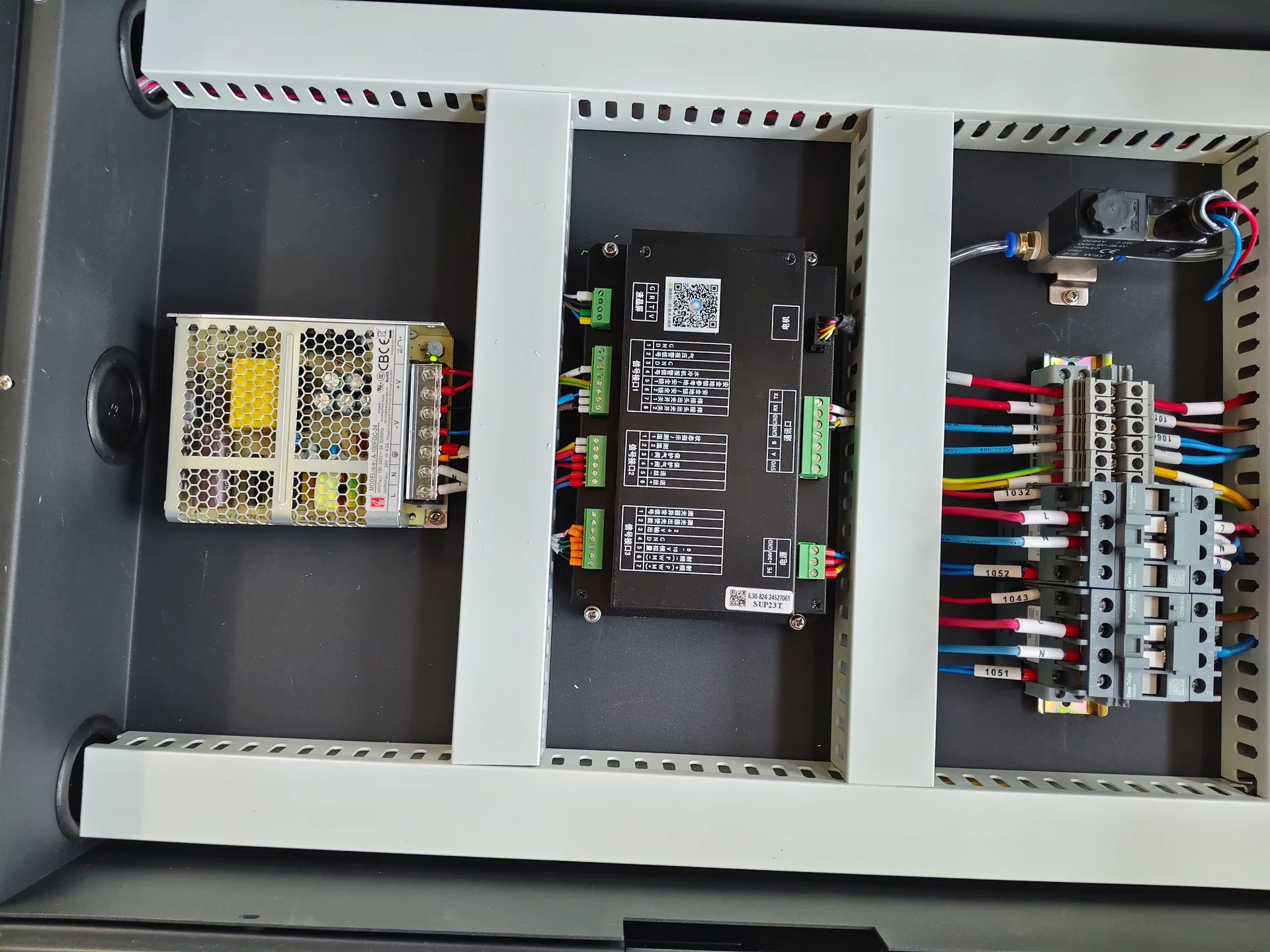
For facility preparation: layout, service clearances, access, floor assumptions, unloading, electrical supply, grounding, gas, air, extraction, cooling and environmental limits. Confirm every field against the ordered machine before site work begins.
5. Acceptance and handover pack
For inspection: the configuration, test material, drawings, settings, measurements, instruments and pass criteria. The handover index may include approved scope, packing record, manuals, component documents, maintenance schedules, backups, training records and accepted deviations.
6. Installed-machine support pack
For an installed machine, provide the model, serial number, controller and major component identities. The relevant record may be a manual, procedure, drawing, backup, parts sheet or troubleshooting guide. Availability depends on the delivered configuration.
What Every Technical File Should Tell You
Before using a file for procurement, record at least:
Keep the source file, conditions and revision together
Document title, language and file name
Issuer and contact point
Issue date or revision identifier, if present
Product family and exact model coverage
Units and referenced test conditions
Standard equipment, selectable options and exclusions
Assumptions about material, utilities or environment
Applicable drawings, tables and notes
Whether the document is marketing reference, proposal support or approved project record
The newer document that supersedes it, when known
Do not remove footnotes when copying a specification into a comparison sheet. Positioning accuracy and repeat positioning accuracy, nominal capacity and usable process capacity, or maximum and recommended conditions are not interchangeable.
How to Compare Supplier Documents Without Losing Context
Create one row for each requirement and one column for each supplier. Copy the original value, unit, condition and source page into the comparison—not just “yes.” Mark each entry as confirmed, optional, assumed, excluded or unanswered. Keep commercial scope separate from performance evidence.
Use these comparison groups:
Process fit: material, geometry, quality and repeatability.
Machine architecture: working envelope, motion, support and handling.
Included scope: major systems, options, tooling, software and safety.
Site impact: footprint, access, utilities, extraction and environment.
Acceptance: samples, measurements, continuous-cycle checks and records.
Lifecycle: training, maintenance access, consumables, spares and support route.
Preserve the supplied file name and keep a simple document register. Record the received date, source, revision, status, applicable machine and the decision it supported. Avoid renaming several different files “final.” If a technical agreement or drawing changes, archive the earlier version, record the approval and identify the document that replaces it.
Marketing references may remain useful, but keep them outside the approved-project folder. Purchasing, site preparation, production, acceptance and service should all work from the same controlled index. A newer general brochure does not automatically replace an older machine-specific manual.
Send a Complete Document Request
Copy and complete the following fields:
Company and country:
Contact person and email:
Equipment category:
Decision stage: discovery / comparison / site planning / acceptance / service
Material and workpiece:
Normal and maximum size or thickness:
Drawing attached: yes / no
Required quality or output question:
Proposed model or configuration, if known:
Required document language:
Existing machine model and serial number, if applicable:
Specific document requested:
We may ask follow-up questions when one title covers several configurations or when a model-specific file is needed. That clarification protects you from using a visually similar but technically unrelated document.