Jinan Chenda Tech Co., Ltd.

About CHENDA Industrial Equipment

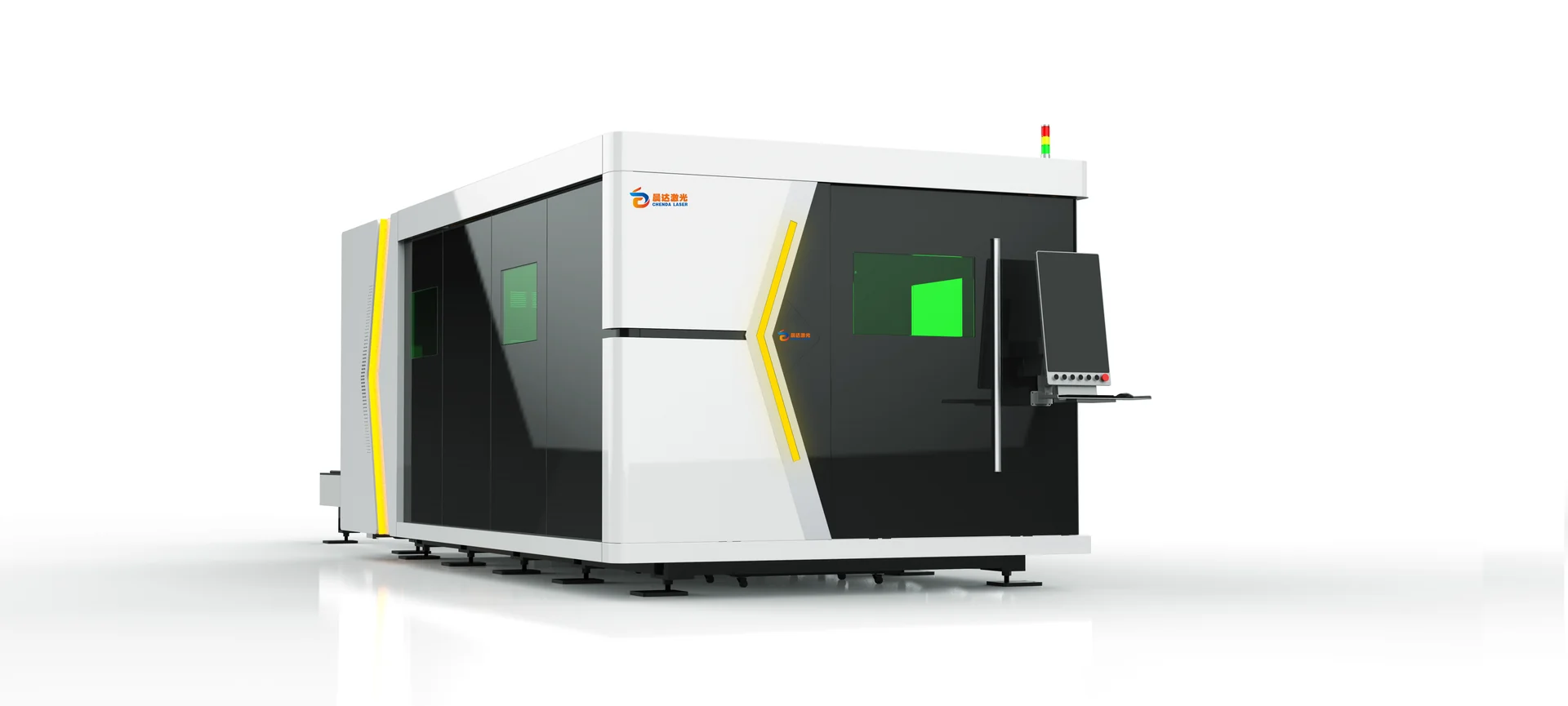
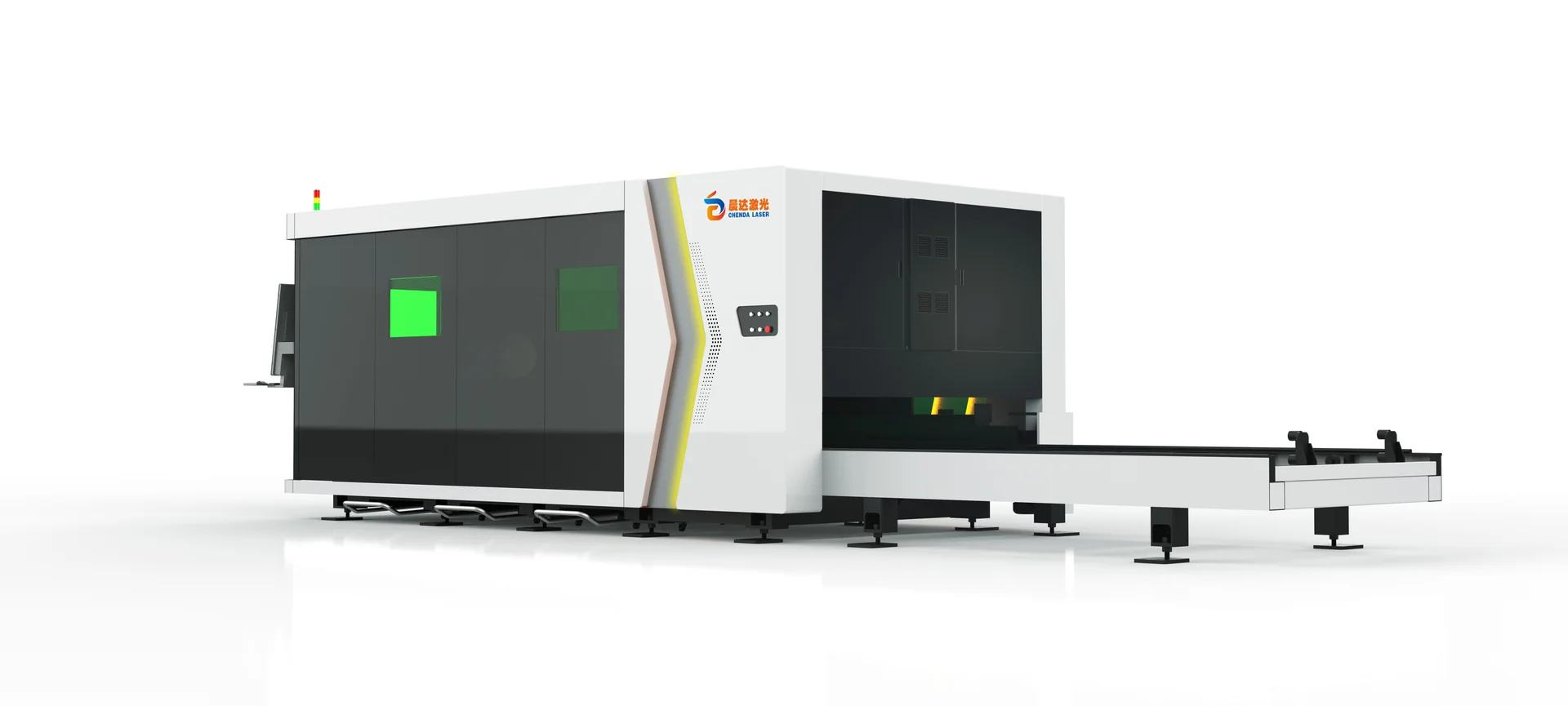
CHENDA enclosed laser cutting equipment

Jinan Chenda Tech Co., Ltd. is based in Jinan, Shandong Province, China. The company uses the CHENDA name for an industrial equipment portfolio centered on laser processing and connected manufacturing operations. The verified business contact for equipment inquiries is info@chendalaser.com.

The current CHENDA product material presents equipment for flat-sheet laser cutting, tube and profile cutting, combined sheet-and-tube work, large-format cutting, coil-fed cutting, bending, handheld and automated welding, laser cleaning and laser marking. The wider project library also contains deburring equipment, digital knife cutting equipment, air-compressor material and production or shipment records for selected machines.

That range gives CHENDA the ability to discuss a production route rather than one isolated specification. It does not mean that every machine or option is suitable for every material. Each project requires its own technical review and written supply scope.

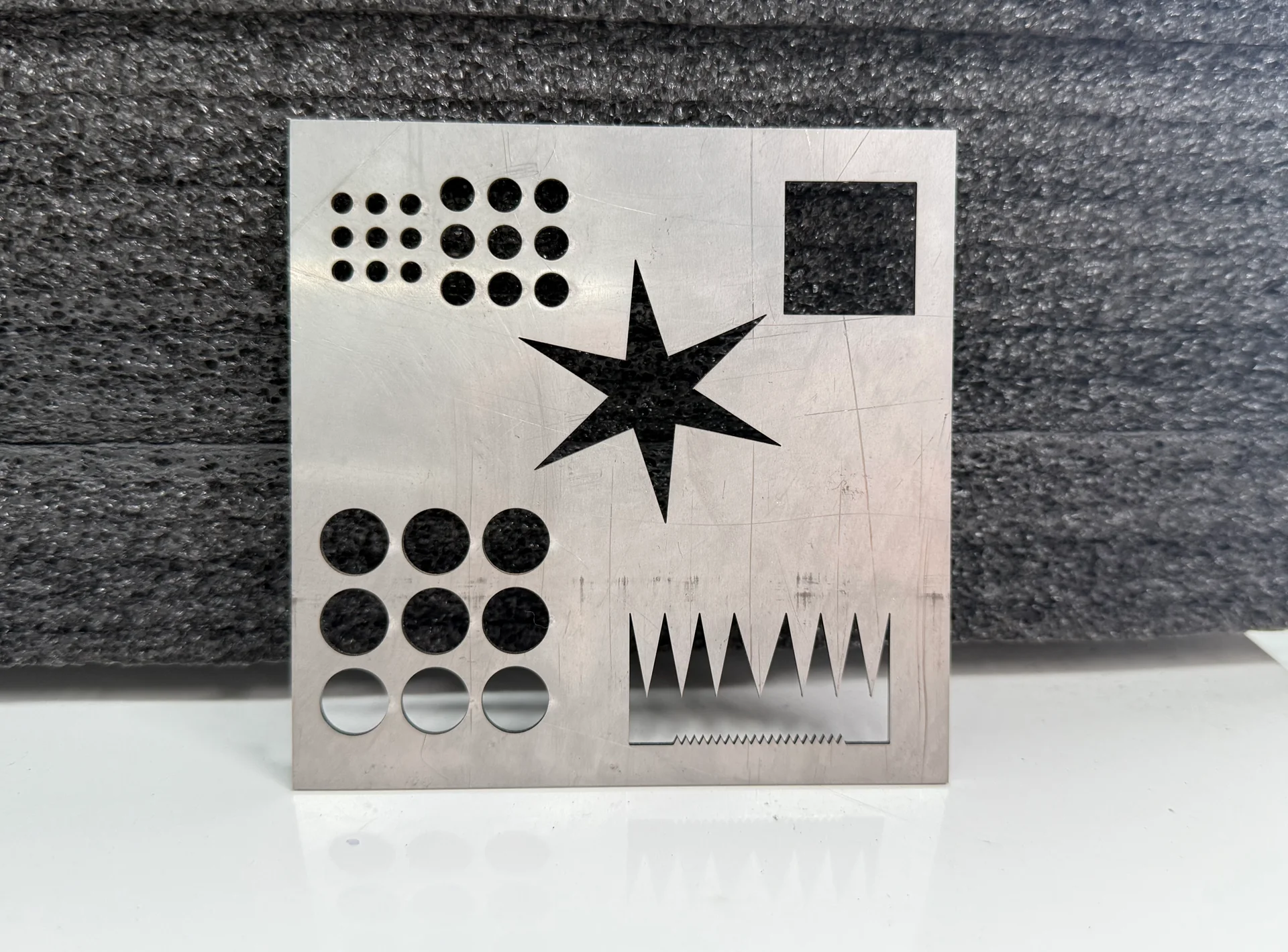
Metal workpiece with geometric contours, holes and fine slots

The Work Starts With the Part

CHENDA asks buyers to begin with the workpiece because product names can hide important differences. A “laser cutting machine” could mean a compact open-table machine for mixed thin-sheet work, an enclosed exchange-table system, a large ground-rail machine for long plate, a tube cutter with a particular chuck range, or a profile system designed around structural sections. Each direction changes the footprint, handling, utilities, acceptance method and price.

The first review should answer five questions:

  1. What enters the process? Identify the material, grade, condition, size, thickness, cross-section, weight and normal variation.
  2. What must the machine do? Supply drawings that show holes, contours, bends, joints, marks, surfaces or cut patterns.
  3. What result is acceptable? Define the dimensions, edge, angle, weld, cleaned surface, mark or pattern that the customer will inspect.
  4. How will production run? State the normal part mix, batch size, shifts, loading method and changeover frequency.
  5. What surrounds the machine? Include floor space, material handling, power, grounding, gas, compressed air, extraction, cooling and operator experience.

This information gives the sales and technical teams a shared basis for choosing the equipment direction. It also exposes assumptions before they become expensive changes.

Equipment Scope Reflected in the Current Material

The CHENDA laser-cutting catalogue separates several workpiece and production routes:

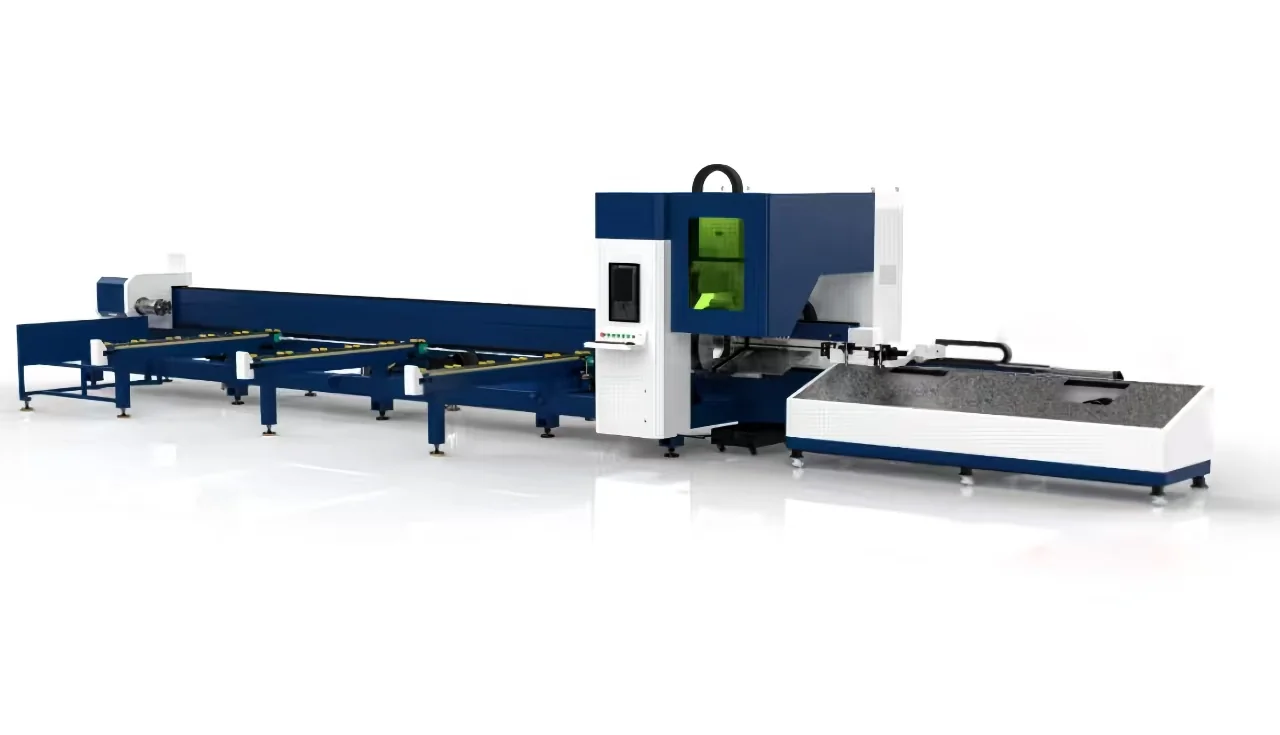
Tube laser cutting machine with long material supports
Tube and profile processing
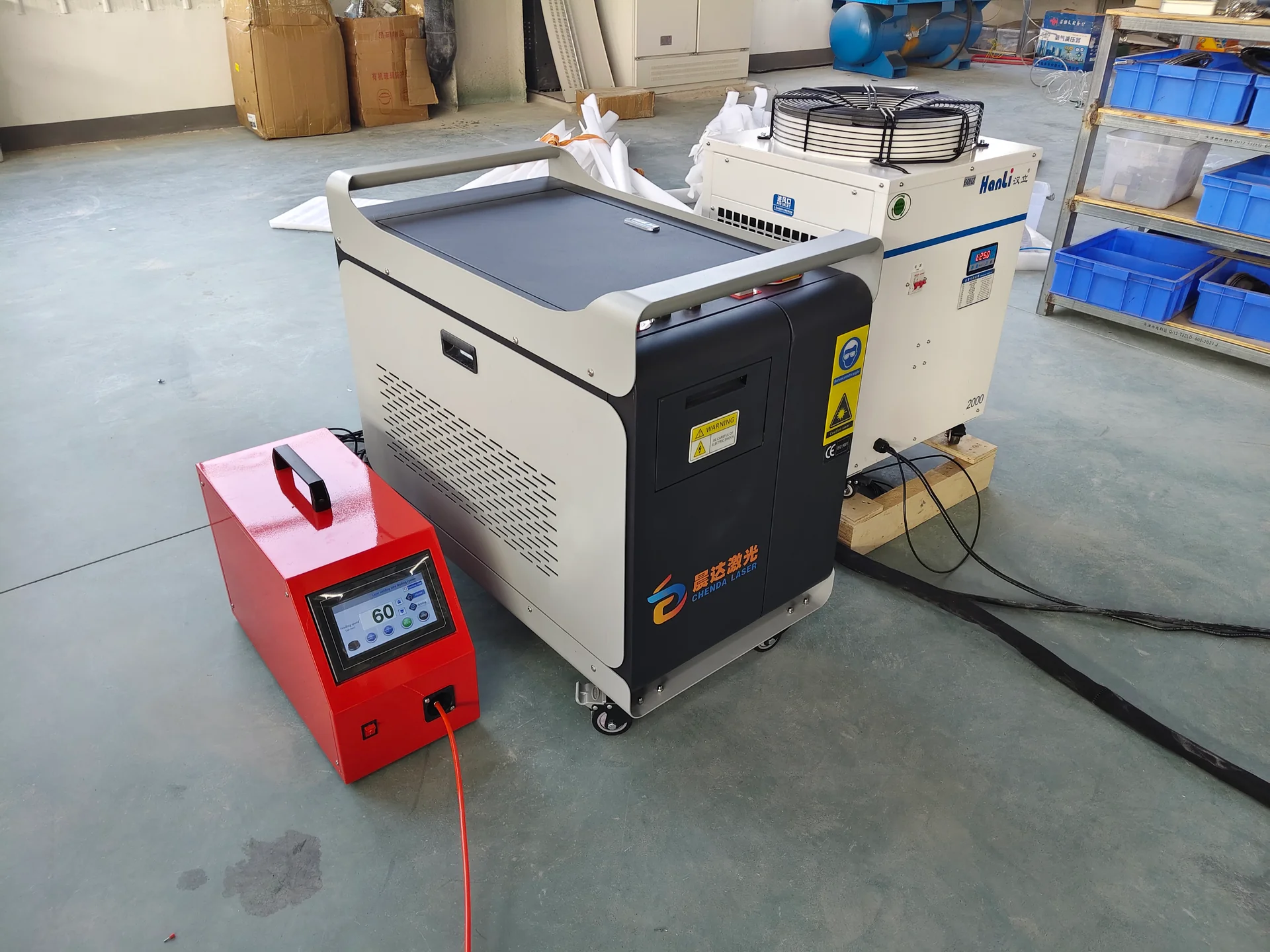
CHENDA welding equipment with wire feeder and cooling unit
Welding equipment
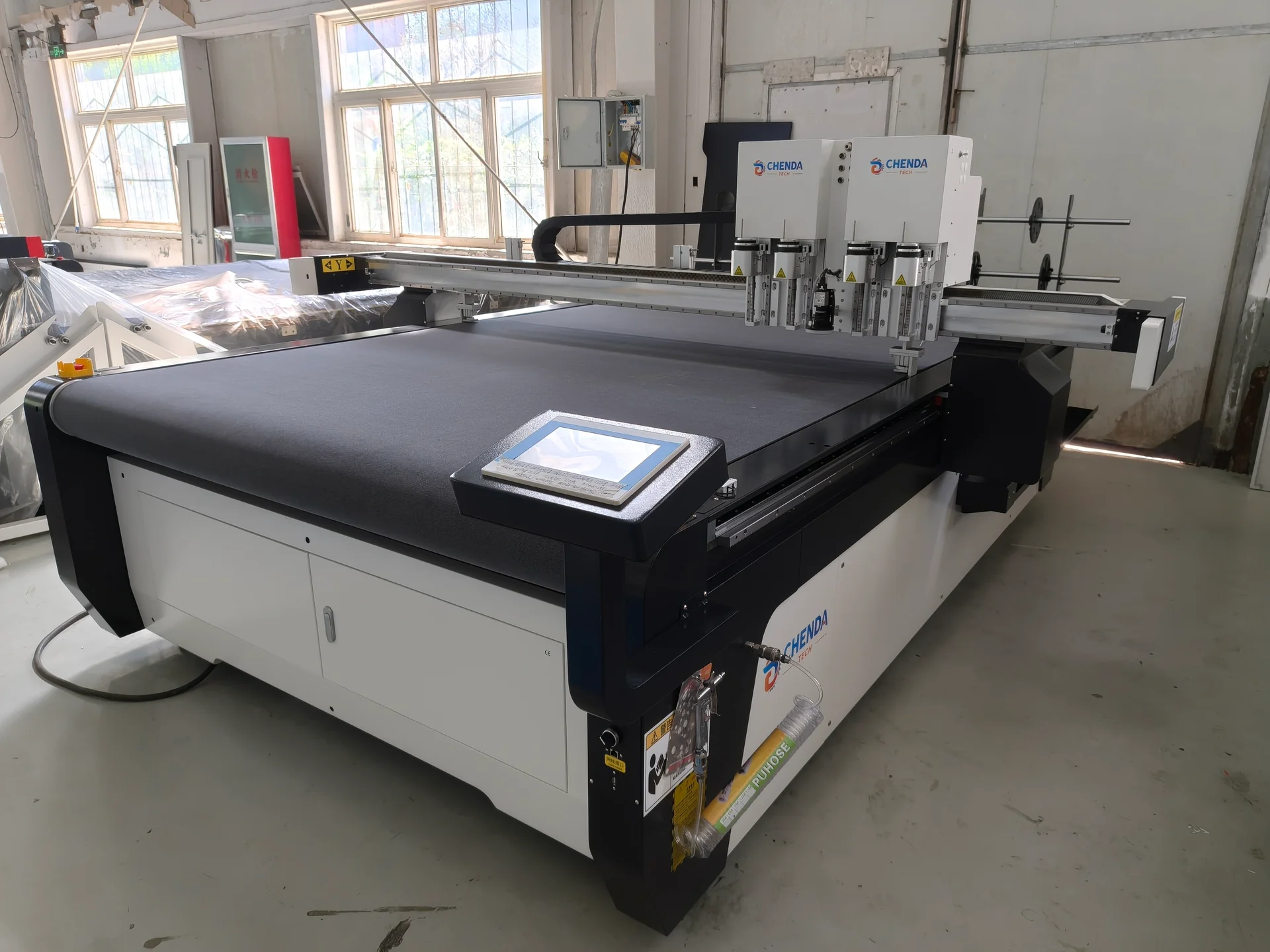
CHENDA digital knife cutting table
Digital knife cutting
  • High-speed and high-power sheet cutting
  • Open and enclosed sheet machines with fixed or exchange tables
  • Precision-format sheet cutting
  • Large-format ground-rail and ultra-large plate cutting
  • Optional bevel preparation on applicable large-format or profile systems
  • Sheet-and-tube combination machines
  • Standard, advanced, automatic-loading and heavy-duty tube machines
  • Structural profile processing for supported beam and channel forms
  • Automated sheet loading and unloading
  • Coil uncoiling, leveling and laser cutting lines

The same material includes press brakes and bending equipment, handheld and robotic laser welding, multi-axis automatic laser welding, laser cleaning and laser marking. Separate technical files show a portable collaborative robot paired with a 500 A MIG/MAG welding power source and a different collaborative system designed around laser welding. CHENDA therefore treats robotic MIG/MAG and robotic laser welding as separate solutions, with different process, safety, power, gas and fixture requirements.

Explore the complete product structure or review equipment by manufacturing application.

How a Project Moves Forward

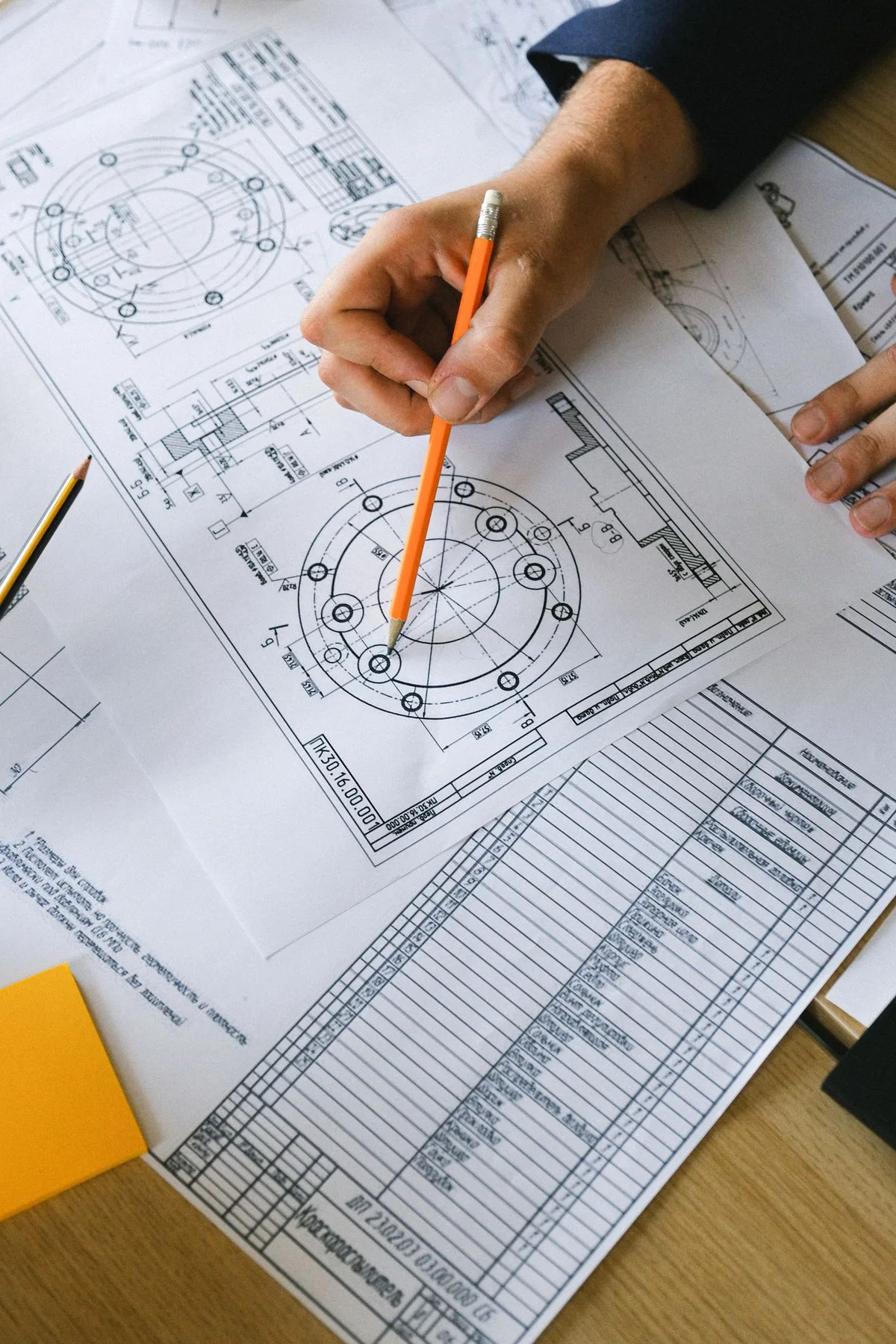
Mechanical drawing review; industry reference
01

Application review

The buyer sends drawings, material information, output and site conditions. CHENDA identifies missing inputs and compares equipment directions. If performance on the actual material will decide the purchase, the parties can define a sample evaluation.

Reviewing and signing a written document; illustrative reference
02

Technical and commercial definition

The quotation should state the selected model, working range, main systems, options, accessories, included documents, test scope, delivery basis and customer responsibilities. The project should not proceed on an image or verbal model description alone.

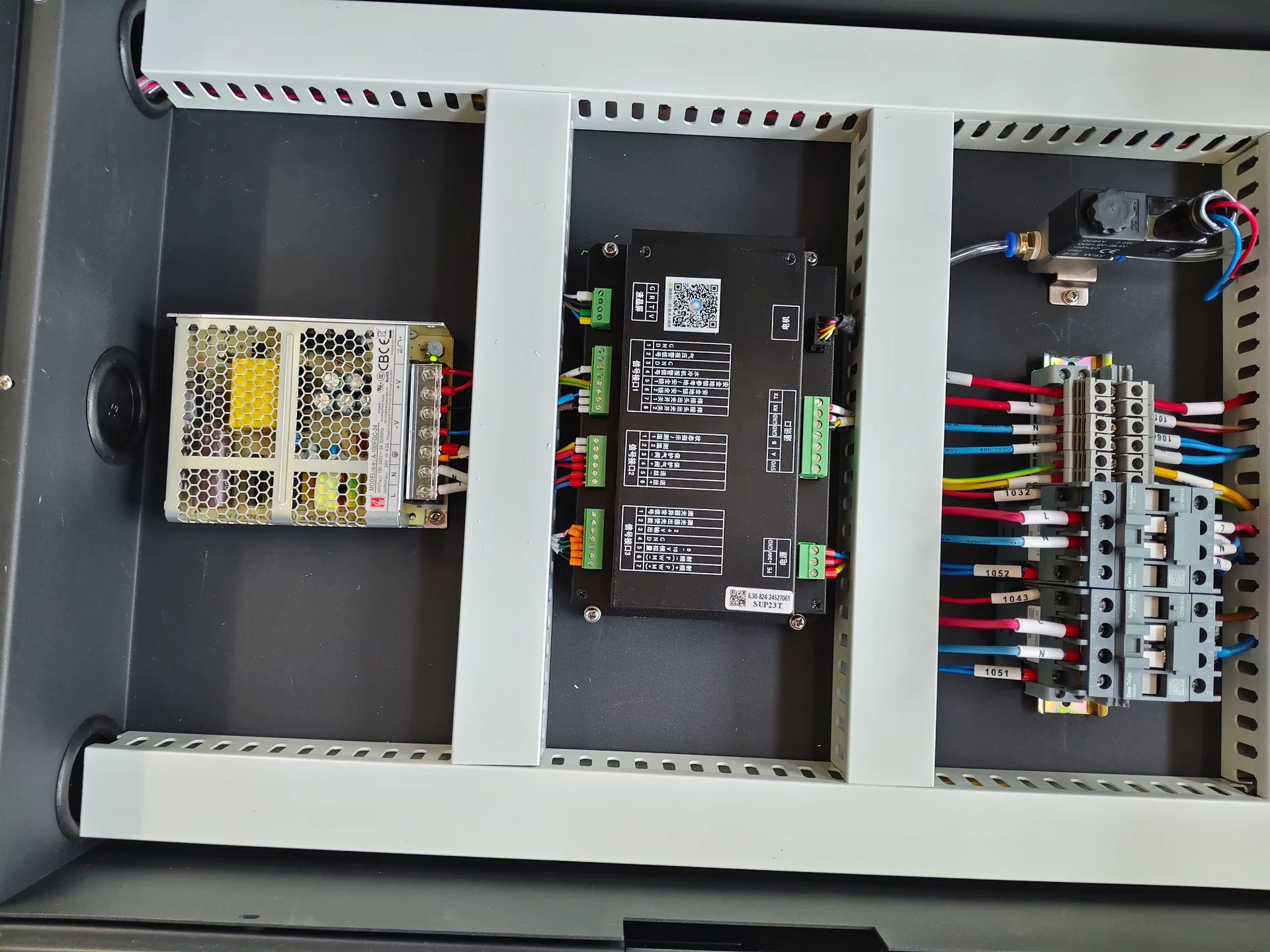
Wiring and identified components inside an equipment control cabinet
03

Configuration freeze and production

After confirmation, the approved configuration becomes the working reference. Any substitution or change that affects performance, compatibility, maintenance or price should follow the agreed review and approval method.

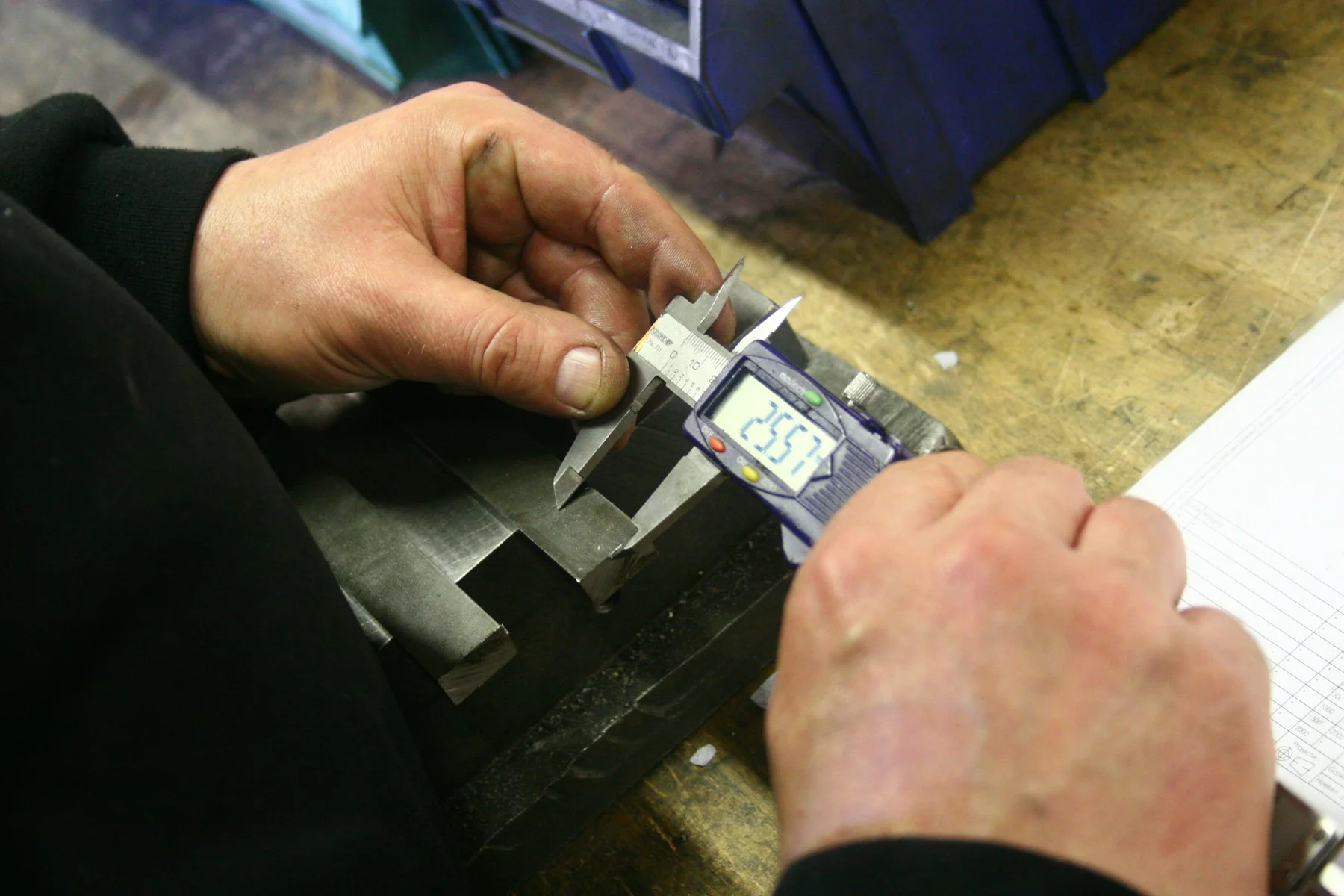
Checking a metal component using a digital caliper; reference
04

Inspection and acceptance

The machine is checked against the project scope. Depending on the order, this may include component verification, motion and auxiliary functions, alarms, safety-related functions, trial processing and a documented factory acceptance test. Sample results are meaningful only when the material, program, process settings and measurement method are known.

Cargo vessel and stacked containers; international freight reference
05

Delivery and handover

Packing, package identification and loose-item reconciliation prepare the shipment. The buyer prepares unloading, access, utilities, materials and personnel. Installation, commissioning and training then follow the order-specific arrangement.

Technical Transparency Matters More Than a Long Claim List

Wiring and identified components inside an equipment control cabinet
Component identification and configuration detail

CHENDA’s source library contains useful technical details, photographs, videos and configuration material. It also contains third-party brochures and reference material used to understand equipment markets. A competitor’s claim is not evidence about CHENDA. For that reason, this website does not reuse unsupported dates, factory sizes, country counts, customer totals, patents, certifications or response-time promises.

For an individual order, confidence should come from evidence tied to the machine:

  • A quotation and technical agreement with a clear revision
  • Drawings and configuration lists that match the ordered scope
  • Component and machine identification visible in inspection records
  • A defined trial or acceptance method
  • Photographs or video that show the relevant machine and function
  • Packing information that reconciles equipment, accessories and documents
  • Machine-specific manuals, maintenance information and support contacts
This approach gives buyers information they can check rather than claims they must simply accept.

Cargo vessel and stacked containers; international freight reference
International freight · reference photograph

Working With CHENDA From Outside China

International projects require additional detail. Confirm voltage, phase and frequency; local electrical and laser-safety requirements; language for manuals and training; shipping term; destination access; lifting capacity; site labor; gases and utilities; remote-connection rules; and the responsibilities of any local partner.

If a certificate or regulatory document is mandatory in the destination market, name the exact requirement before ordering. The team can then confirm whether the proposed configuration and available documents address it. A general statement such as “CE required” may not be enough when a buyer, importer or local authority expects a particular declaration, standard, report or machine feature.

Frequently Asked Questions

CHENDA enclosed laser cutting machine and exchange table

Does CHENDA manufacture every component in the machine?

Industrial machines normally combine the machine structure, electrical integration, control, motion, process source or power system, cooling and other specialist components. The quotation should identify the major brands and the party responsible for the complete supplied machine. Do not infer component origin from the CHENDA name alone.

Can CHENDA build a customized configuration?

Customization can be discussed when the workpiece, required function, interfaces and acceptance method are clear. Changes to size, automation, loading, tooling, fixtures, controls or components can affect engineering, delivery, documentation and service. They should be approved in writing.

Can we visit or inspect before shipment?

Inspection method and timing should be agreed for the order. It may be in person or supported by records and live or recorded evidence. A useful inspection uses a checklist tied to the machine rather than a general factory tour.

Where can we find warranty and service terms?

Use the warranty and commercial documents for the specific order. The Warranty and Service guide explains the evidence required for diagnosis and coverage review but does not replace those terms.

Mechanical drawing review; industry reference

Begin a Verifiable Equipment Discussion

Send your material, representative drawing, output target, site information and destination. Ask for a quotation that identifies the application basis, exact configuration, test scope and supply boundary.