
Resources / Customer stories

Customer Stories: Evidence Before Promotion

Customer stories should help a buyer answer practical questions: Was the machine suitable for material like mine? What changed in the production process? Which difficulties appeared during installation? How was acceptance decided? A page that offers only a customer logo, a delivery photo, and a positive quotation cannot answer those questions.

CHENDA publishes a customer story only after the customer has authorized publication and the project facts have been checked against available records. We do not invent company names, production figures, machine configurations, savings, or quotations to make this section look fuller. Where a detail is commercially sensitive, the story will state that it has been withheld rather than replace it with an estimate.

Our verified case library is being built around that standard. Until a project has passed authorization and fact review, it will not appear as a finished success story. In the meantime, this page explains exactly what future stories will contain, how to evaluate them, and how an existing CHENDA customer can submit a project for review.

Discuss a Comparable Project → Submit a Story for Review → Request a Machine Recommendation →

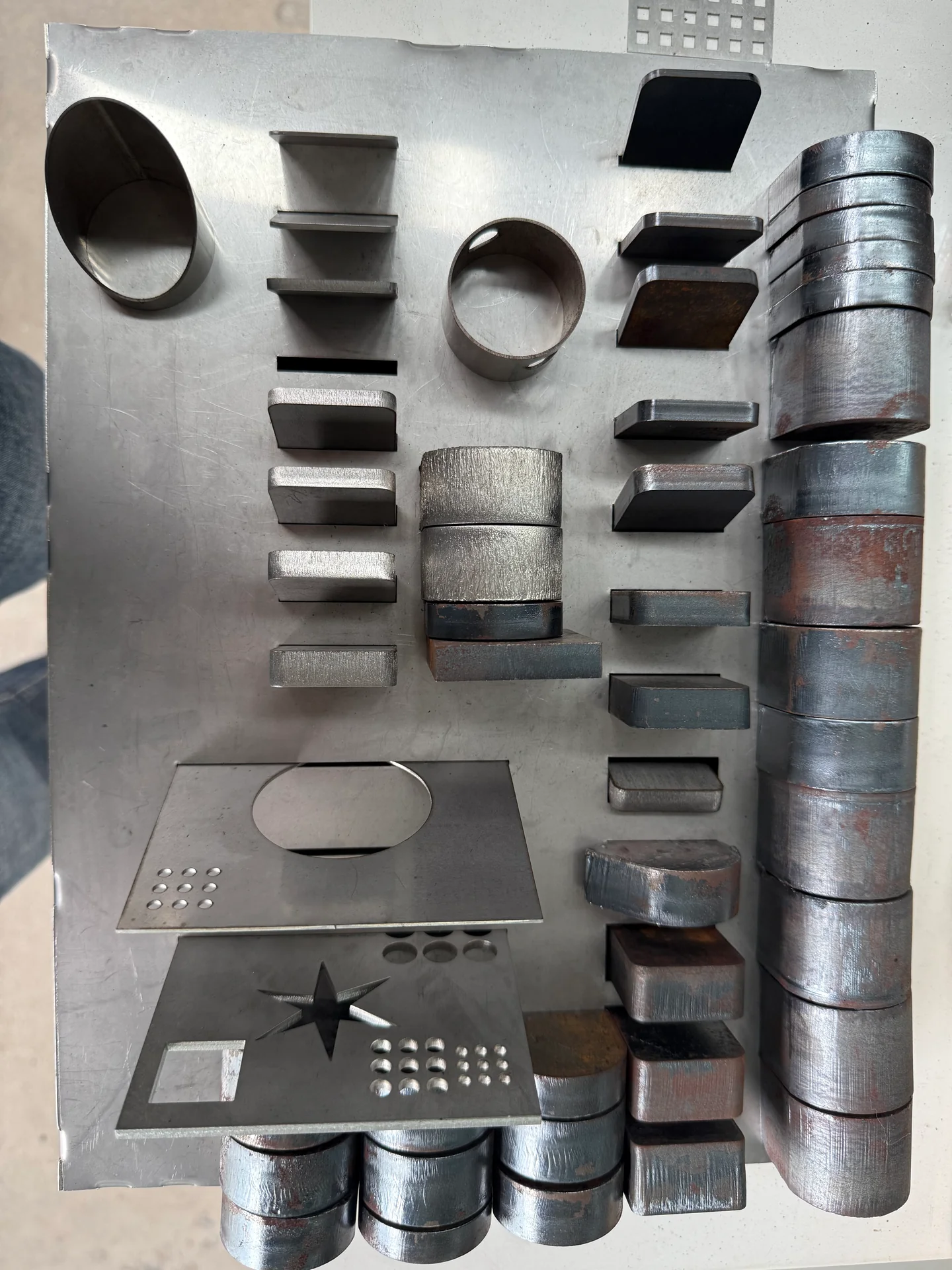
Cut metal samples; workpiece illustration, not evidence of a customer project
Workpiece reference / No customer result is implied
Written approval and document review; illustrative reference

What Counts as a Verified Customer Story

A publishable story needs more than a successful shipment. It should connect the original production requirement to the selected process, the delivered configuration, the acceptance method, and the operating result. The following evidence structure is used to keep that connection visible.

Evidence layer What we seek to confirm What the reader should learn
Customer context Industry, production role, country or region, and permission to identify the company Whether the operating environment is comparable
Starting condition Material, thickness range, part geometry, batch pattern, previous process, and the reason for change What problem the project was intended to solve
Selection record Process choice, machine category, configuration boundaries, and rejected alternatives Why this solution was selected rather than simply what was purchased
Delivery and preparation Site requirements, utilities, layout, operator readiness, and installation scope What had to be prepared before production could begin
Acceptance evidence Agreed sample parts, dimensional checks, visual criteria, cycle observation, and safety checks How supplier and customer decided the system was ready
Operating review Confirmed outcomes, remaining constraints, maintenance lessons, and follow-up actions What changed in real production and what did not
Publication approval Customer review of facts, media permission, and any confidentiality limits Which statements and images are authorized for public use

Evidence may include approved photographs, sample drawings with sensitive data removed, test reports, signed acceptance records, dated service notes, or a customer interview. Not every story will contain every item. Each published article should make clear which evidence was available and which claims come directly from the customer.

How to Read an Industrial Case Study

The most useful case is not necessarily from the most famous company or the closest industry. Start by comparing the variables that govern the process.

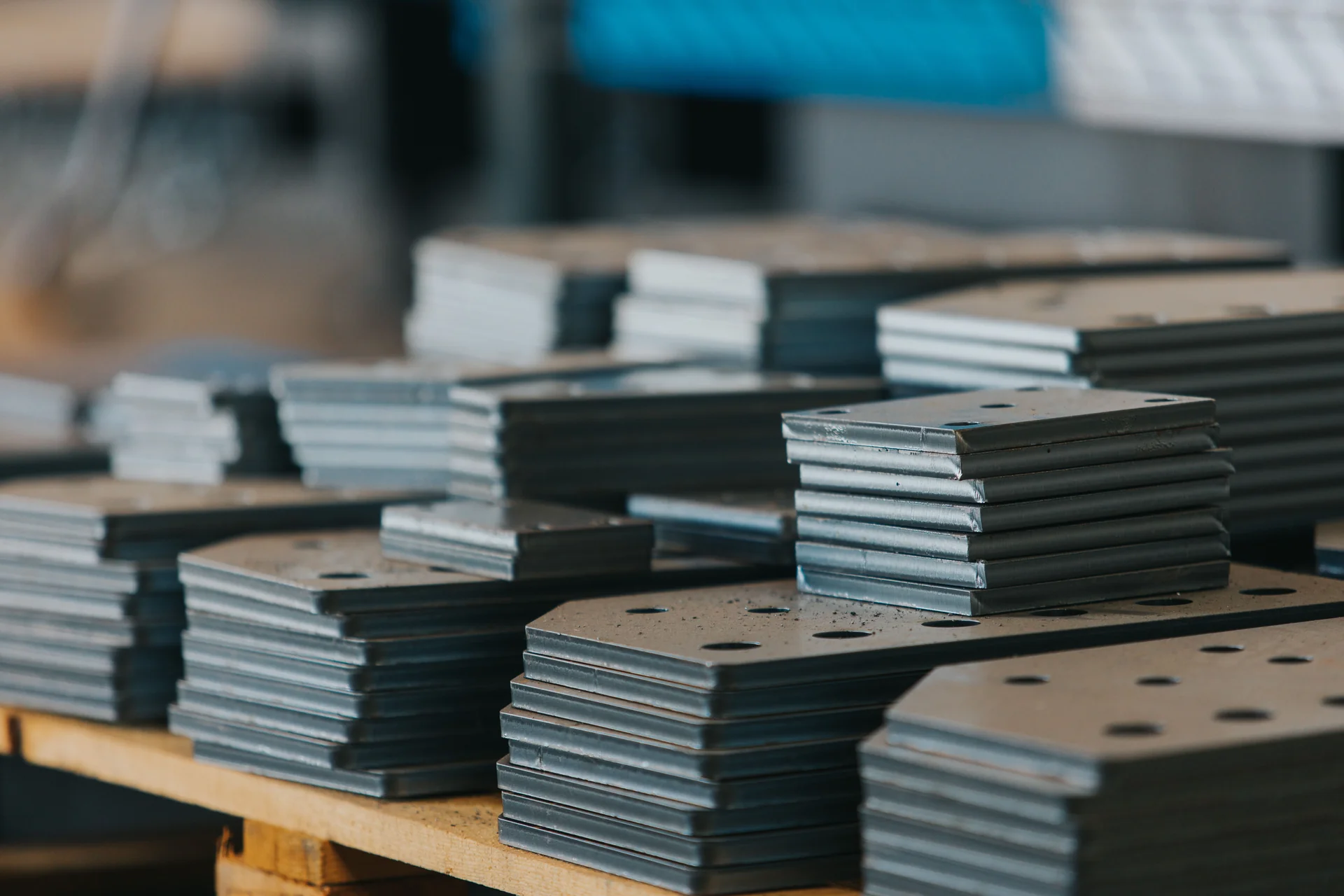
Stacked metal components; industry reference, not a CHENDA customer result

1. Compare the material and part, not only the sector

A sheet-metal enclosure producer and a machinery manufacturer may cut the same material grades and thicknesses, yet have very different batch sizes and tolerance priorities. For laser cutting, look for material type, thickness range, sheet or tube format, part nesting, edge expectations, and downstream bending or welding. For bending, examine part length, forming force, tooling, angle consistency, backgauge needs, and operator workflow. For cleaning, welding, marking, deburring, or digital cutting, use the process-specific inputs rather than the customer’s industry label alone.
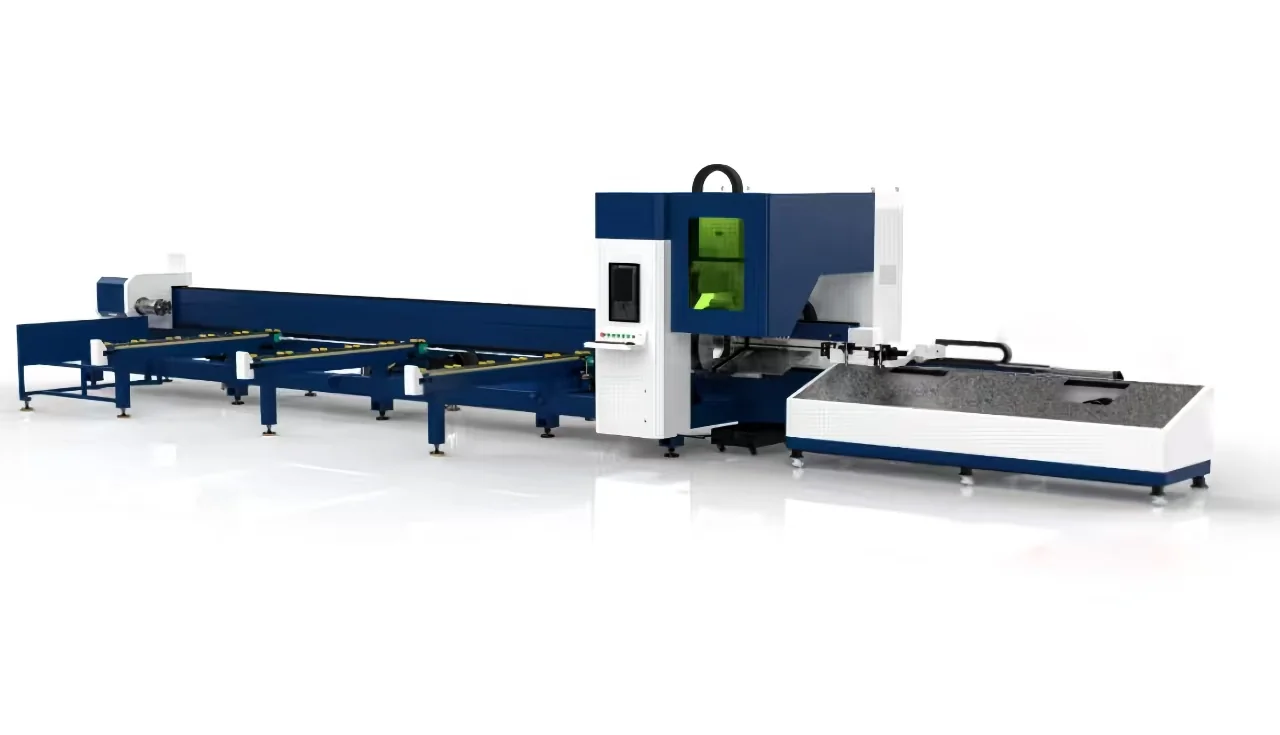
Tube cutting and material handling equipment

2. Separate equipment capability from production outcome

A machine can be capable of a task while the total line still misses the intended output because of loading, programming, gas supply, material handling, inspection, or operator constraints. A credible story distinguishes the machine test from the full production result. It also identifies which parts of the outcome depended on the customer’s upstream and downstream processes.

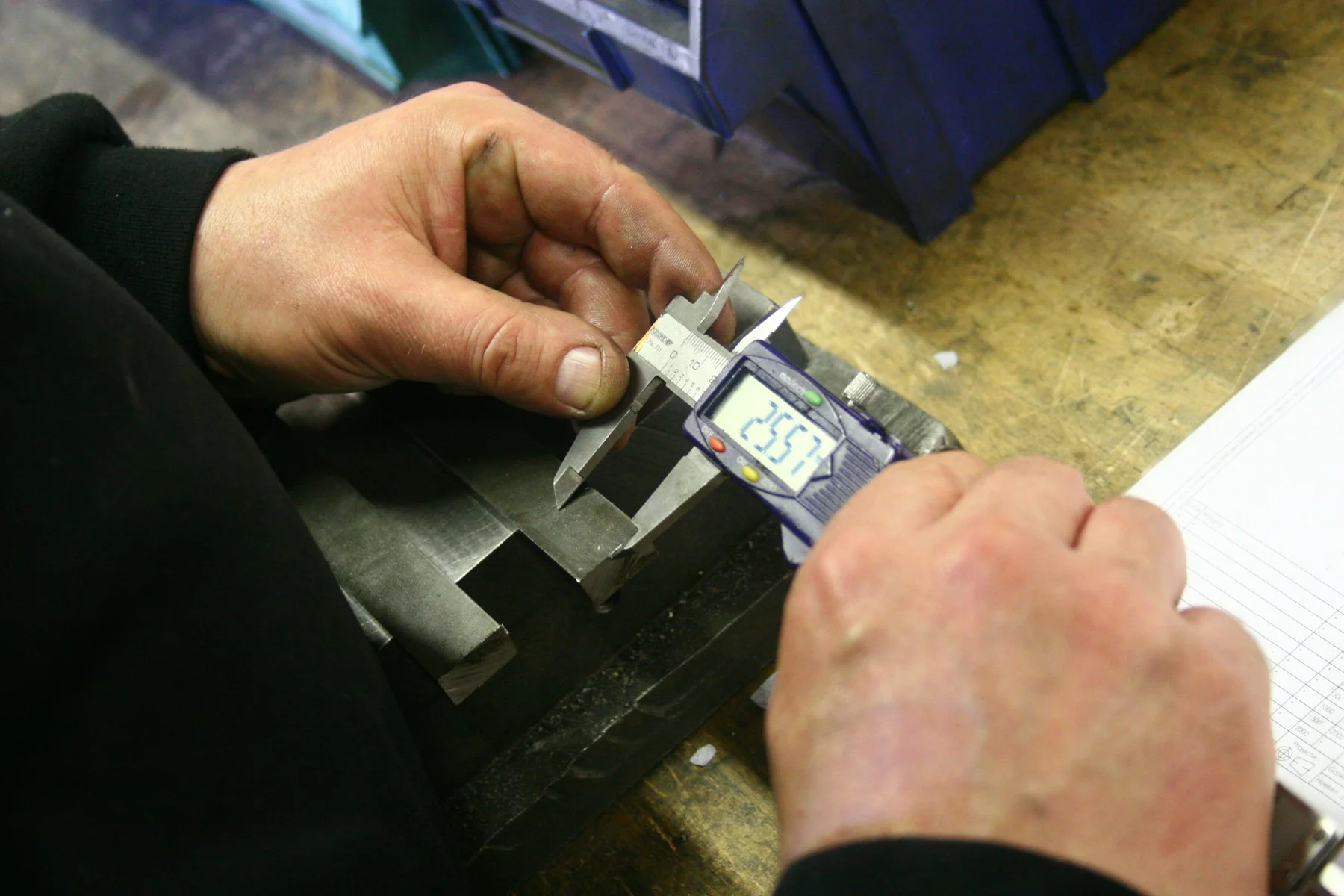
Measurement of a component; industry reference

3. Check whether the baseline is defined

Claims such as “faster,” “more accurate,” or “lower cost” are meaningful only when the earlier method, measurement period, part mix, and calculation boundary are known. We will publish numerical improvements only when the baseline and measurement method can be explained. If a customer confirms a qualitative benefit but cannot release production data, the story will remain qualitative.

Technical equipment review; illustrative stock photograph

4. Look for constraints and corrective actions

Real projects include decisions and adjustments. A valuable review can mention site preparation gaps, material variation, fixture changes, parameter development, operator learning, or service actions without presenting them as failure. Explaining how a constraint was identified and resolved gives a future buyer information that a perfect-sounding testimonial cannot provide.

Review Application Questions → Read the Buying Guides → Prepare for Installation →

The Project Review We Use

Each story is developed as a production review, not an advertisement. The interview and document check normally follow six dimensions.

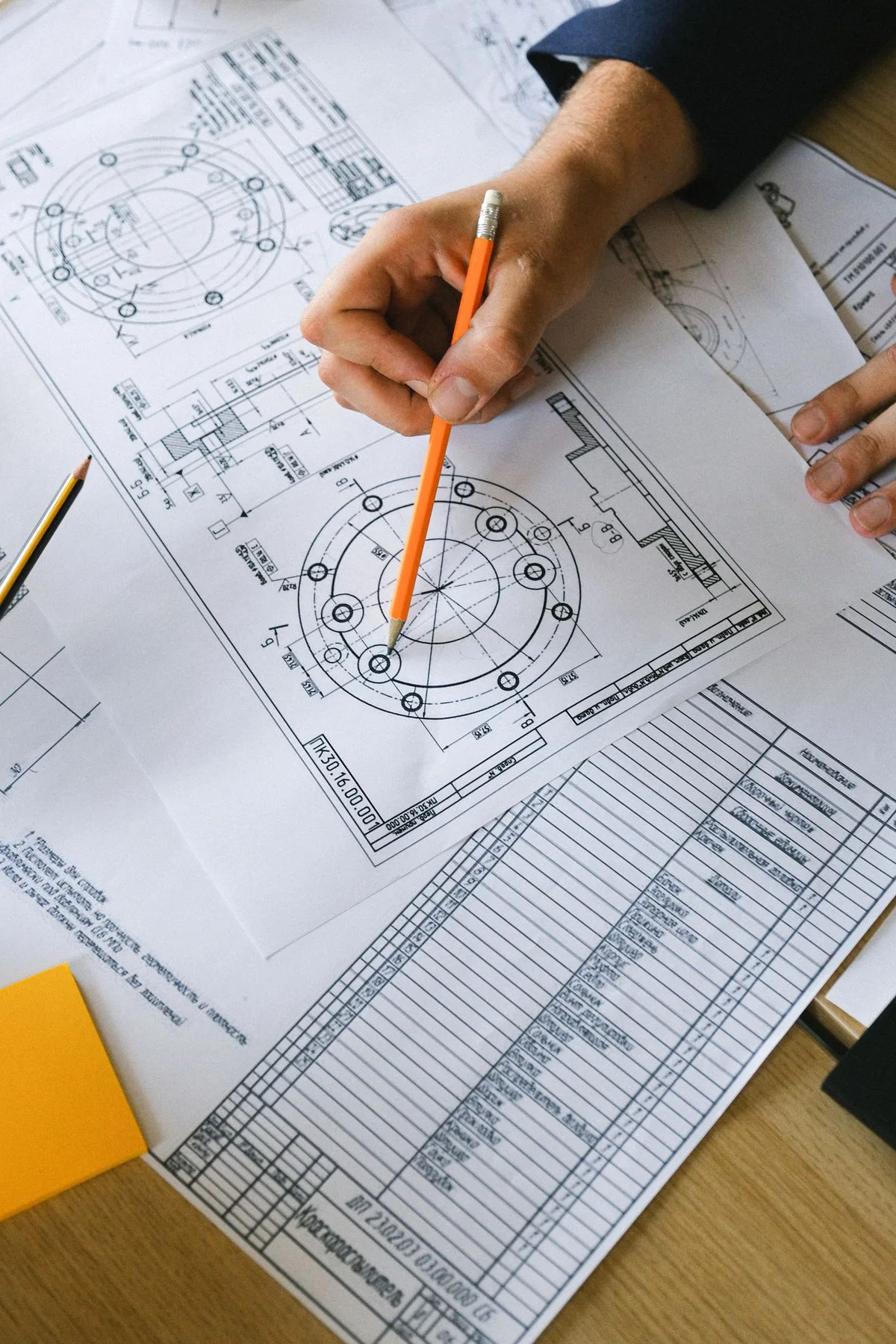
Mechanical drawings for technical context; reference
  1. Requirement: What parts, materials, quality criteria, and production patterns defined the purchase?
  2. Decision: Which alternatives were considered, and which technical or commercial factors determined the selection?
  3. Preparation: What site, utility, safety, tooling, software, and staffing work was completed before arrival?
  4. Acceptance: Which samples and measurements were used to confirm the agreed scope?
  5. Operation: What did the customer observe after operators began regular work, and over what period?
  6. Learning: What would the customer, integrator, or CHENDA team prepare differently for a similar project?

This format allows readers to identify relevance without assuming that one customer’s result will automatically transfer to another factory. Results can vary with material quality, part design, consumables, auxiliary equipment, operator practice, maintenance, environment, and production scheduling. A customer story is evidence for investigation; it is not a performance guarantee for an unreviewed application.

What We Will Not Publish

Trust depends as much on exclusions as on content. CHENDA will not publish:

Written approval and document review; illustrative reference
  • a customer name, logo, quotation, factory image, or operator image without appropriate permission;
  • production, energy, labor, scrap, return-on-investment, or payback figures that cannot be traced to an agreed source;
  • confidential drawings, customer lists, pricing, process parameters, or site details that the customer has not released;
  • certification or compliance claims that do not apply to the specific machine and destination;
  • a staged demonstration described as long-term production experience;
  • anonymous praise presented in a way that implies independent verification;
  • an ongoing service matter as a completed success story before the facts are resolved.

If a project can be described only anonymously, the page will explain why identifiers were removed and will retain enough technical context to remain useful. If that cannot be done, the project stays private.

Frequently Asked Questions

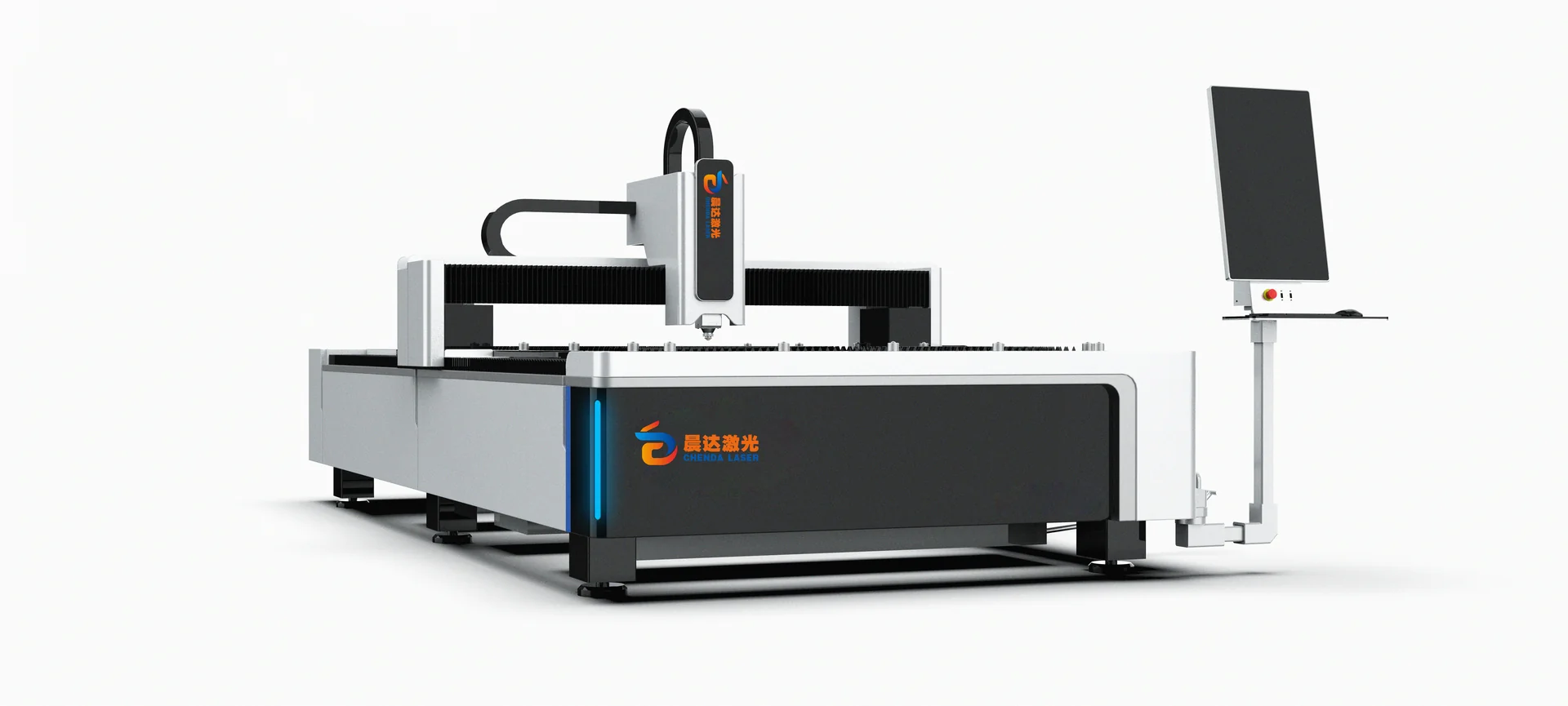
CHENDA open sheet laser cutting equipment

Why does CHENDA publish only verified testimonials?

Unverified testimonials can be mistaken for real customer endorsements. We prefer to show the publication method openly and add stories only when authorization and project facts are available.

Can a customer story be anonymous?

Yes, when the customer requests confidentiality and the remaining technical facts can still be responsibly verified. The article will disclose that identifying information has been withheld.

Does CHENDA pay for positive reviews?

The page will disclose any material relationship relevant to a published story. Editorial approval is not exchanged for a particular conclusion, and customers can review the draft for accuracy and permission.

Can I use a published result to calculate my expected output?

Use it only as a reference point. A reliable estimate requires your materials, drawings, quality requirements, batch profile, utilities, labor assumptions, and line configuration. Send those inputs for a project-specific discussion.

Can service experience be included?

Yes. Installation, training, troubleshooting, spare-parts planning, and follow-up actions are important parts of ownership. They should be described with dates and scope where permission allows.