Support / Installation & training

Installation, Commissioning & Operator Training

Engineers discussing equipment in a machining workshop; industry illustration
Technical inspection · industry illustration

Installation support should convert an agreed machine configuration into a safe, checked, usable system at the customer’s site. The work starts before shipment with site and receiving preparation, continues through positioning and connection, and ends with commissioning records, operator training, and a defined handover. The exact service method and responsibilities depend on the machine, destination, and order documents.

The Five Stages Are Different

Understanding the boundary between stages prevents missed work and unclear acceptance.

CHENDA enclosed sheet cutting equipment
  1. Presales verification confirms the application, proposed configuration, workshop constraints, and commercial scope before the order.
  2. Factory testing or FAT, when agreed, checks the completed ordered machine against a written test scope before dispatch.
  3. Delivery preparation and receiving cover packing information, unloading, transport inspection, package reconciliation, and movement to the installation area.
  4. Installation and commissioning position, connect, inspect, start, test, and prepare the machine for controlled operation.
  5. Training and handover give designated personnel the knowledge, records, and responsibilities required for normal use and maintenance.

A sample produced during presales or a showroom video does not replace FAT. Passing a factory test does not prove that destination utilities, rigging, installation, or operator preparation are complete.

Site-Readiness Checklist

Use the machine-specific layout, technical agreement, and utility information to confirm the following before delivery.

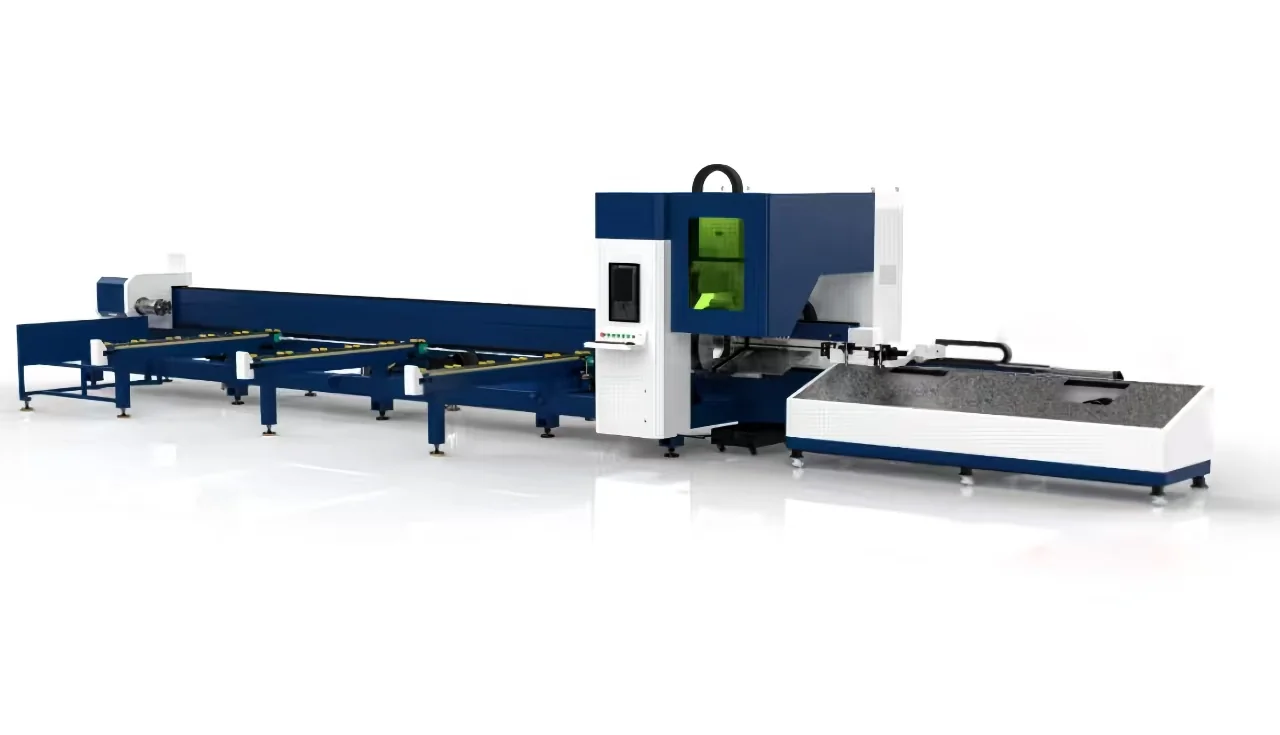
Tube cutting machine and long stock handling supports

Space, floor, and access

  • Verify the installed footprint, service clearances, doors, guards, platforms, material zones, and operator paths.
  • Check floor capacity, flatness, foundation or anchoring requirements, and vibration sources.
  • Map the route from the unloading point to the final position, including doors, corners, ceiling height, pits, ramps, and temporary obstructions.
  • Select lifting and handling equipment from confirmed package weights, dimensions, lifting points, and center-of-gravity information.
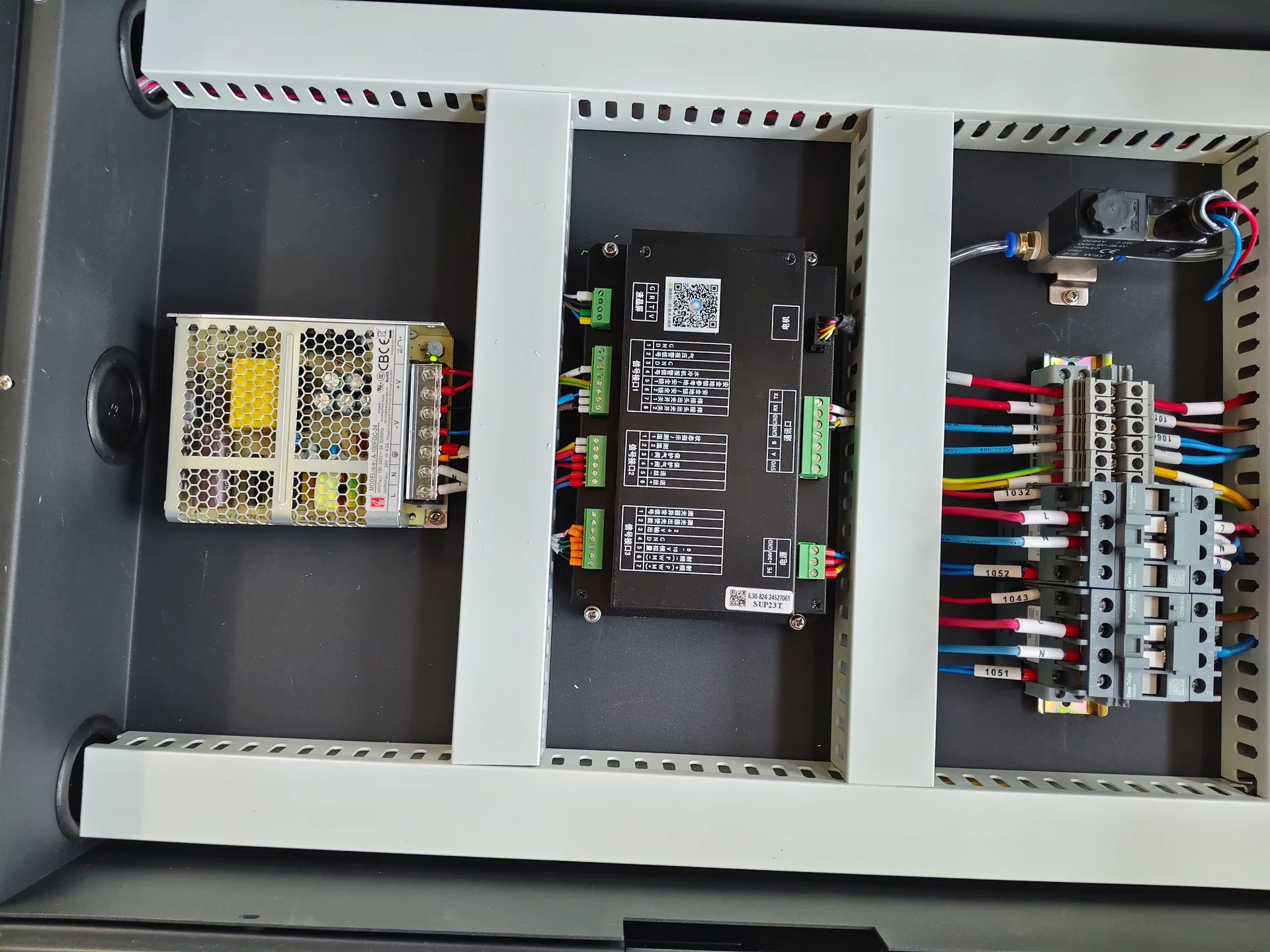
Equipment electrical cabinet and cable connections

Power and grounding

  • Confirm voltage, phase, frequency, capacity, cable, disconnect, protective devices, and grounding from the approved machine documents.
  • Keep power quality and local electrical rules in the installation plan.
  • Do not assume that two machines with similar names have the same electrical demand. Laser source power, chiller, extraction, compressor, automation, and regional configuration can change it.
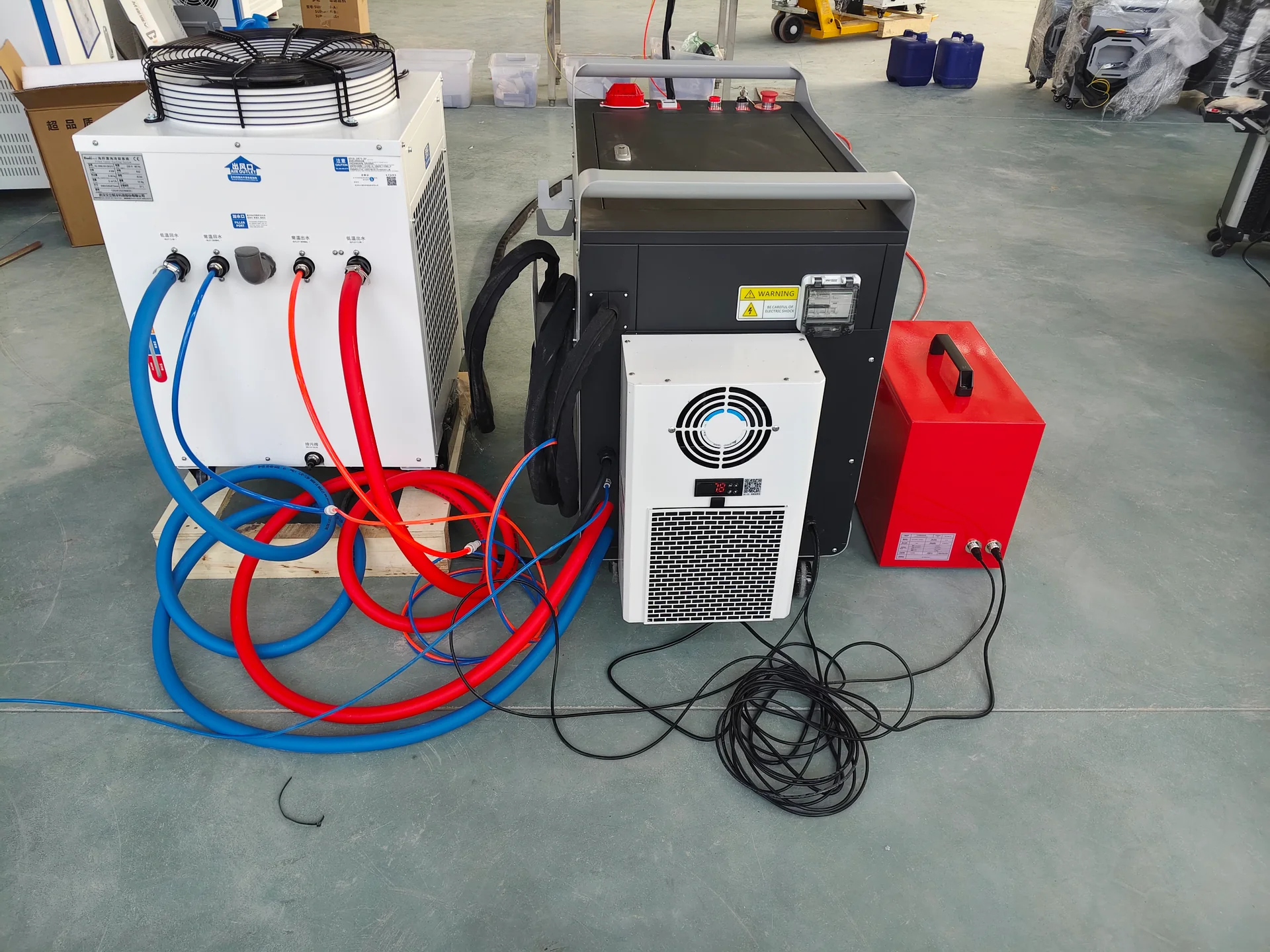
Welder and cooling unit connected by hoses

Process utilities and environment

  • Confirm compressed air, process gas, pressure regulation, purity, piping, and safe cylinder or bulk-gas arrangements where applicable.
  • Prepare cooling water, chiller environment, ventilation, fume or dust extraction, drainage, and waste collection as required.
  • Check temperature, humidity, dust, condensation, corrosive atmosphere, direct sunlight, and freeze protection against the supplied instructions.
  • Plan network, computer, file-transfer, and backup arrangements if the controller or production workflow needs them.
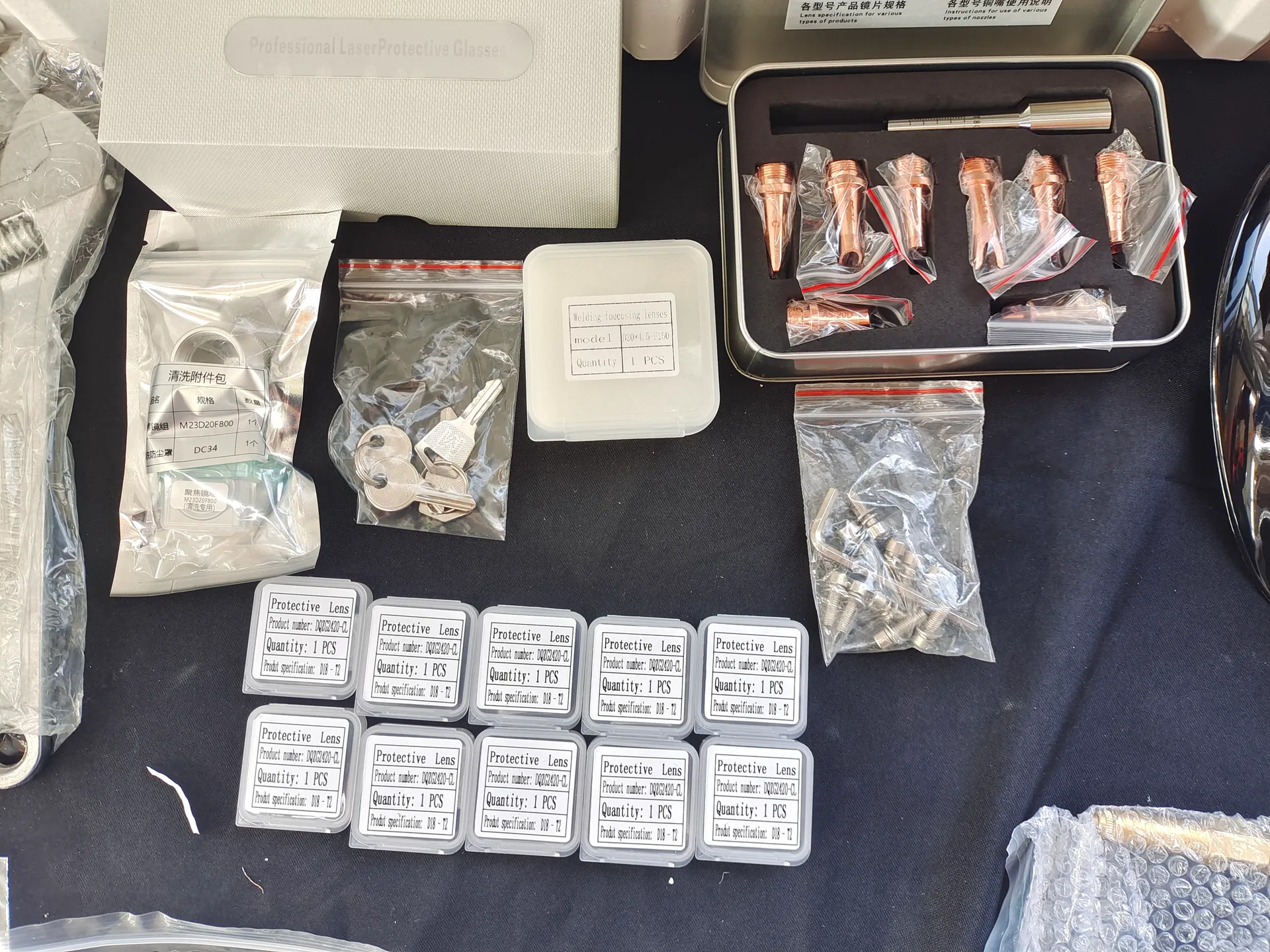
Welding consumables and accessories prepared for identification

People and production material

  • Name a project owner, qualified electrical and mechanical contacts, operators, maintenance personnel, and translators where needed.
  • Prepare representative material, drawings, tooling, fixtures, consumables, and inspection equipment for commissioning.
  • Establish site safety controls for laser, electrical, gas, hydraulic, pneumatic, lifting, fume, and mechanical hazards relevant to the equipment.
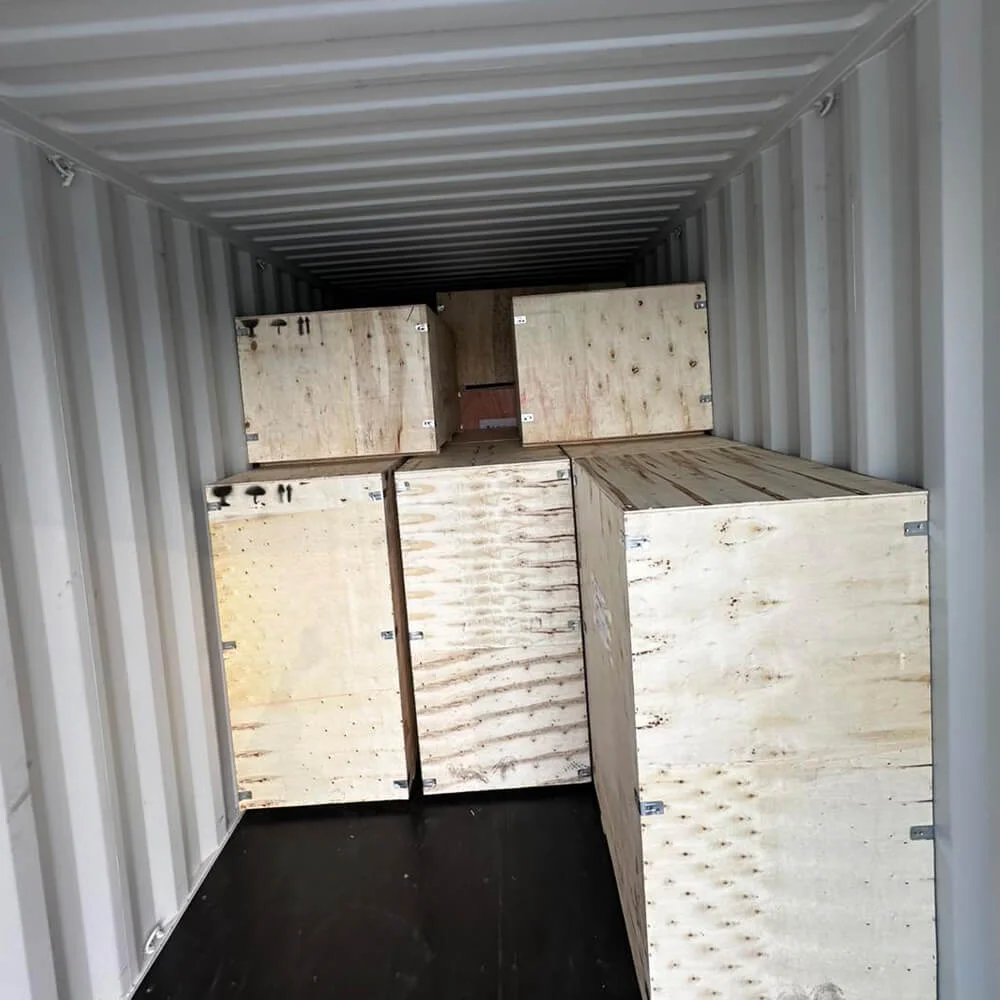
Machine crates inside a transport container; reference

Before Dispatch: What to Confirm

If a factory test or pre-shipment inspection is part of the order, request a checklist tied to the exact machine. It can identify the model and serial number, main configuration, agreed functions, controller and software version, safety checks, sample conditions, measurement method, supplied accessories, documentation, and open points. Record any approved deviations or actions.

Separately confirm packing and delivery information: package count, major loose items, tooling and accessories, protection for transport, identification labels, documents traveling with the machine, lifting guidance, and any assemblies removed for shipment. Production & Delivery explains the wider project context.

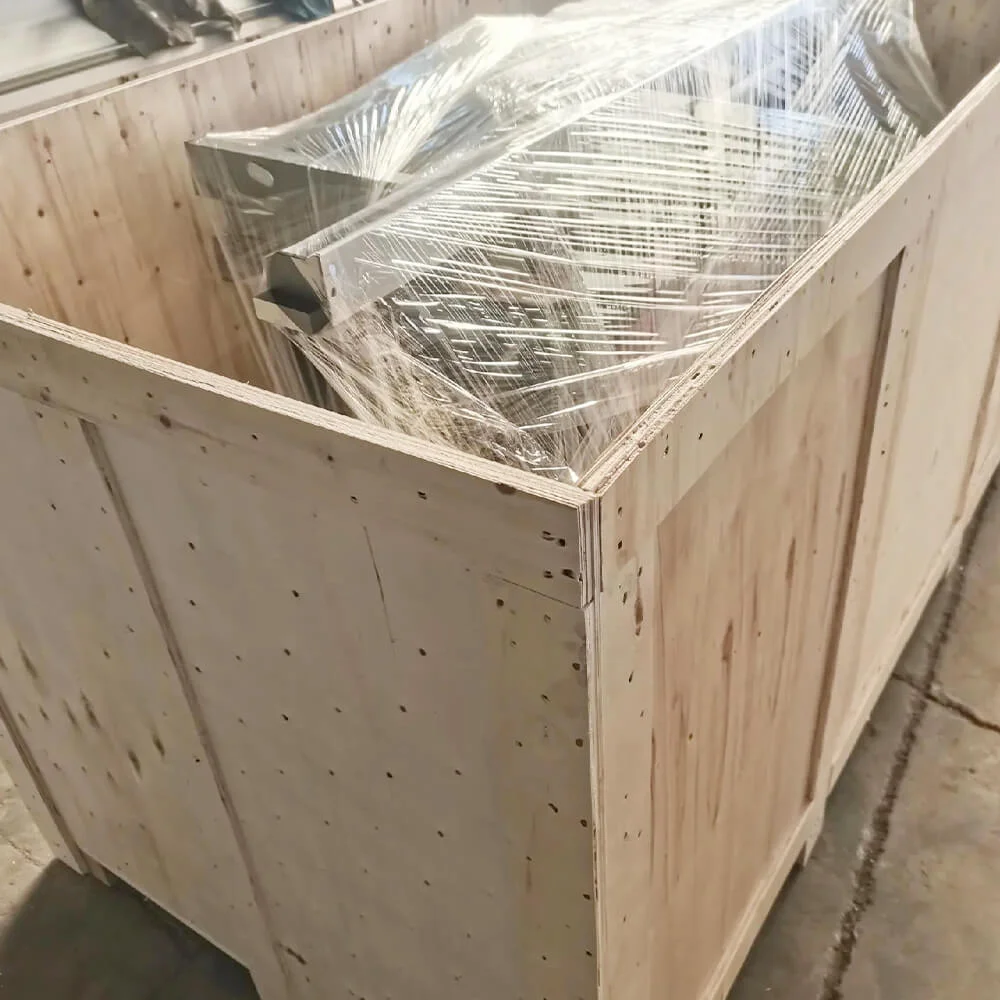
Open export crate with wrapped industrial equipment; reference

Receiving Inspection

Inspect the shipment before installation. Match packages to the shipping or packing information, photograph external condition and labels, and record visible impact, moisture, broken seals, deformation, or missing packages. Protect unpacked optical, electrical, precision, and consumable items from contamination and weather.

If damage is suspected, preserve the packaging and evidence needed for the relevant transport and commercial process. Do not straighten, power, or disassemble affected equipment simply to see whether it works. Contact the project representative first.

Installation and Commissioning Sequence

A machine-specific sequence may include:

Technician using a tablet beside electrical equipment; illustration
Electrical review with a tablet · reference
  1. Positioning, leveling, anchoring, alignment, and assembly of transported sections.
  2. Mechanical, electrical, grounding, pneumatic, gas, cooling, extraction, and communication connections.
  3. Inspection of cables, plugs, terminals, hoses, optical paths, guards, interlocks, lubrication points, and transport restraints.
  4. Controlled energization and checks of emergency stops, alarms, axes, sensors, limits, auxiliaries, and controller communication.
  5. Calibration or reference procedures required by the machine.
  6. Dry runs, functional cycles, and trial processing using an agreed material and program.
  7. Recording results, outstanding actions, configuration backups, and handover status.

Only qualified personnel should perform work involving electrical cabinets, laser paths, pressure systems, gases, hydraulics, lifting, or safety circuits.

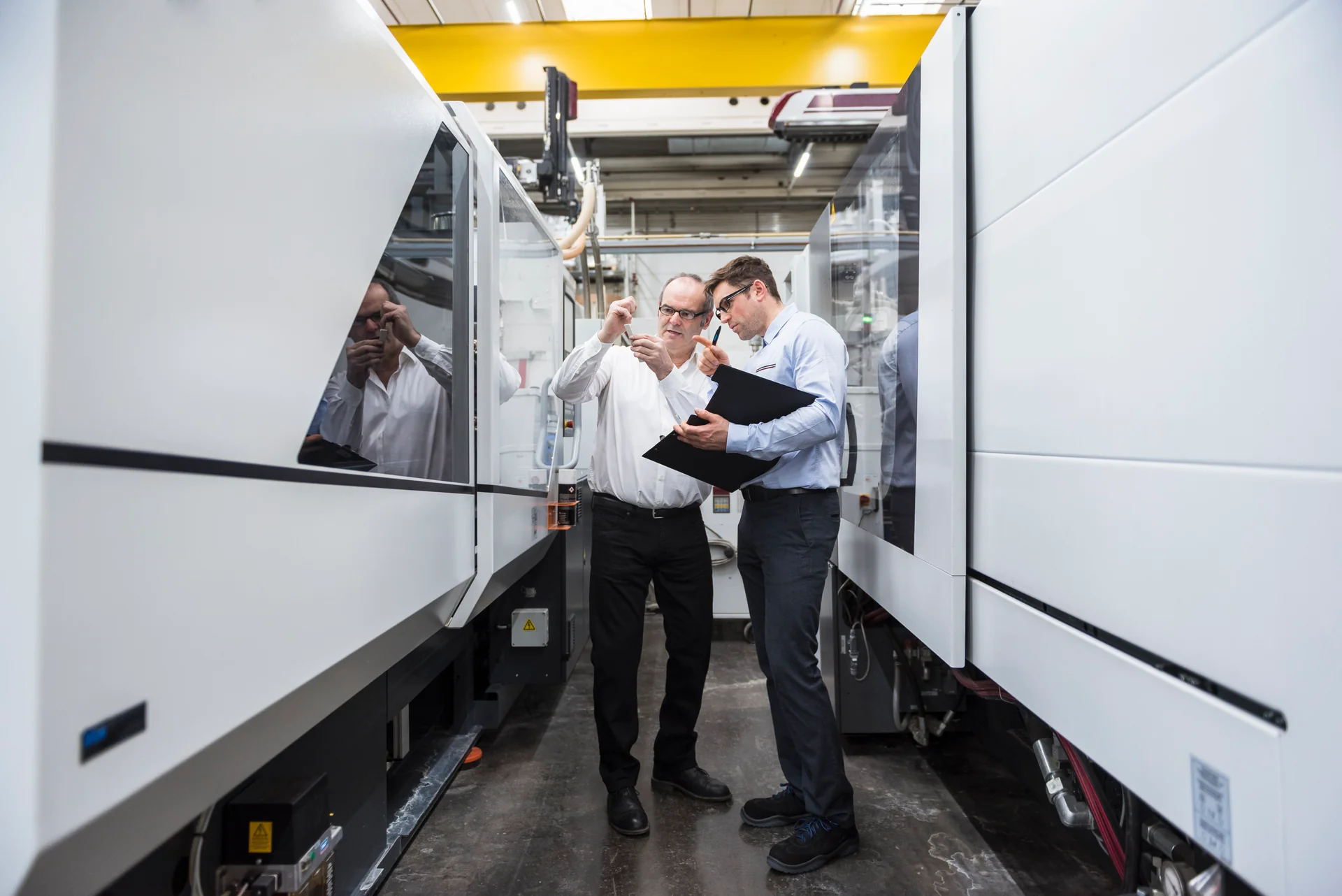
Engineers discussing equipment in a machining workshop; industry illustration
Workshop instruction · illustrative photograph

Operator and Maintenance Training

Training should use the delivered machine and the customer’s production context. Operator topics may include safe startup and shutdown, controls, file import, program selection, work zero, loading and positioning, tooling or fixtures, process parameters, finished-part inspection, alarms, and normal cleaning. Maintenance topics may include scheduled checks, lubrication, filter and consumable replacement, optics handling where applicable, cooling and extraction care, mechanical inspection, backups, and service records.

Ask trainees to perform supervised tasks rather than only watch a demonstration. Record who attended, which topics were covered, which procedures require further practice, and where manuals and backups are stored. Machine-specific limits and safety instructions take precedence over general training content.

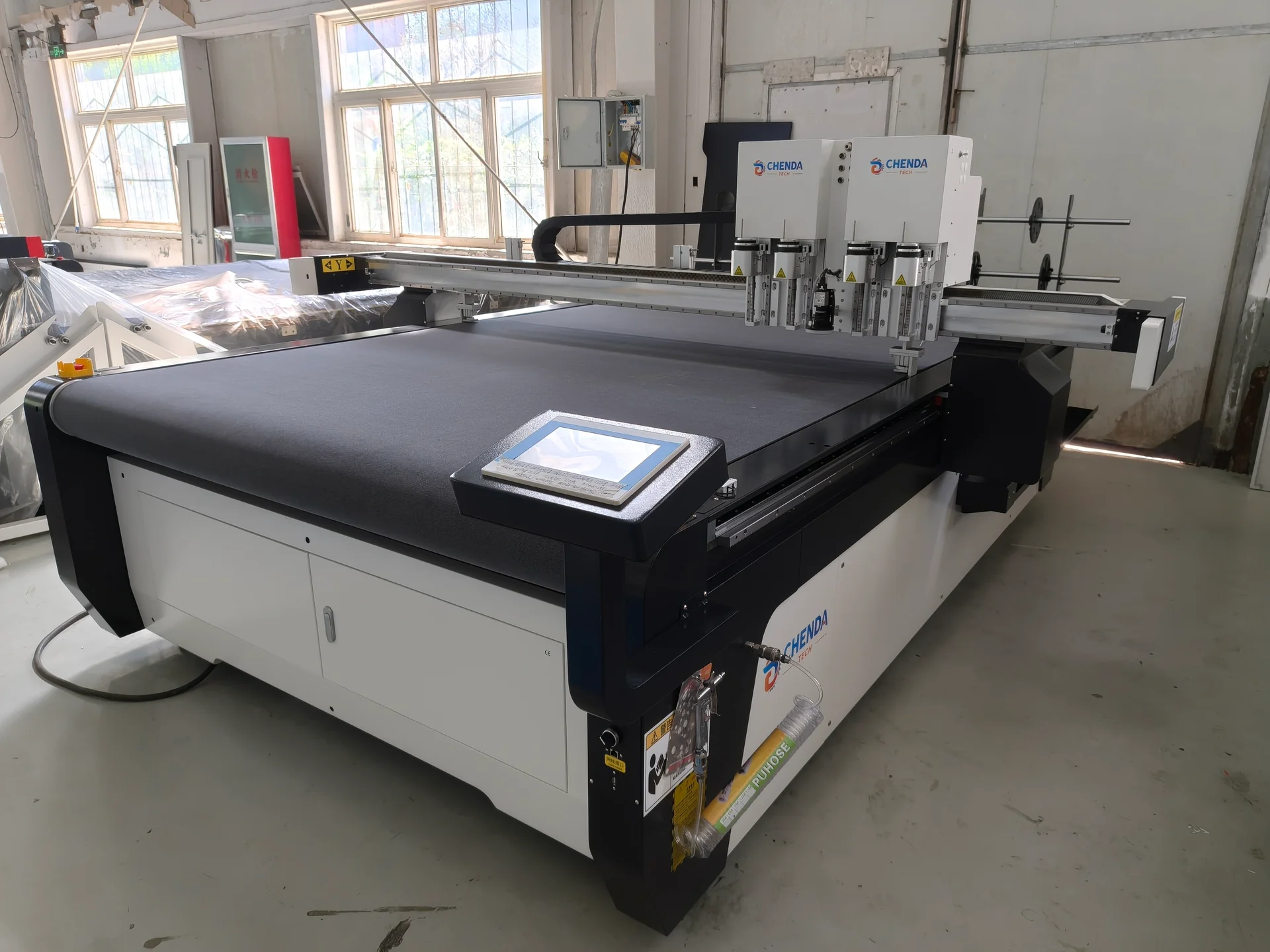
CHENDA digital knife cutting machine at workshop level

Handover and Production Release

Before routine production, confirm that commissioning actions are closed or documented, safety functions are active, operators are authorized, utilities are stable, the approved configuration and software backup are retained, maintenance responsibilities are assigned, and the customer’s operating procedures are in place.

Need to prepare a new project? Request a quotation. Already have a machine or order reference? Contact CHENDA or submit a technical support request.