Two stock forms. One equipment plan.

Sheet-and-Tube Laser Cutting Machines

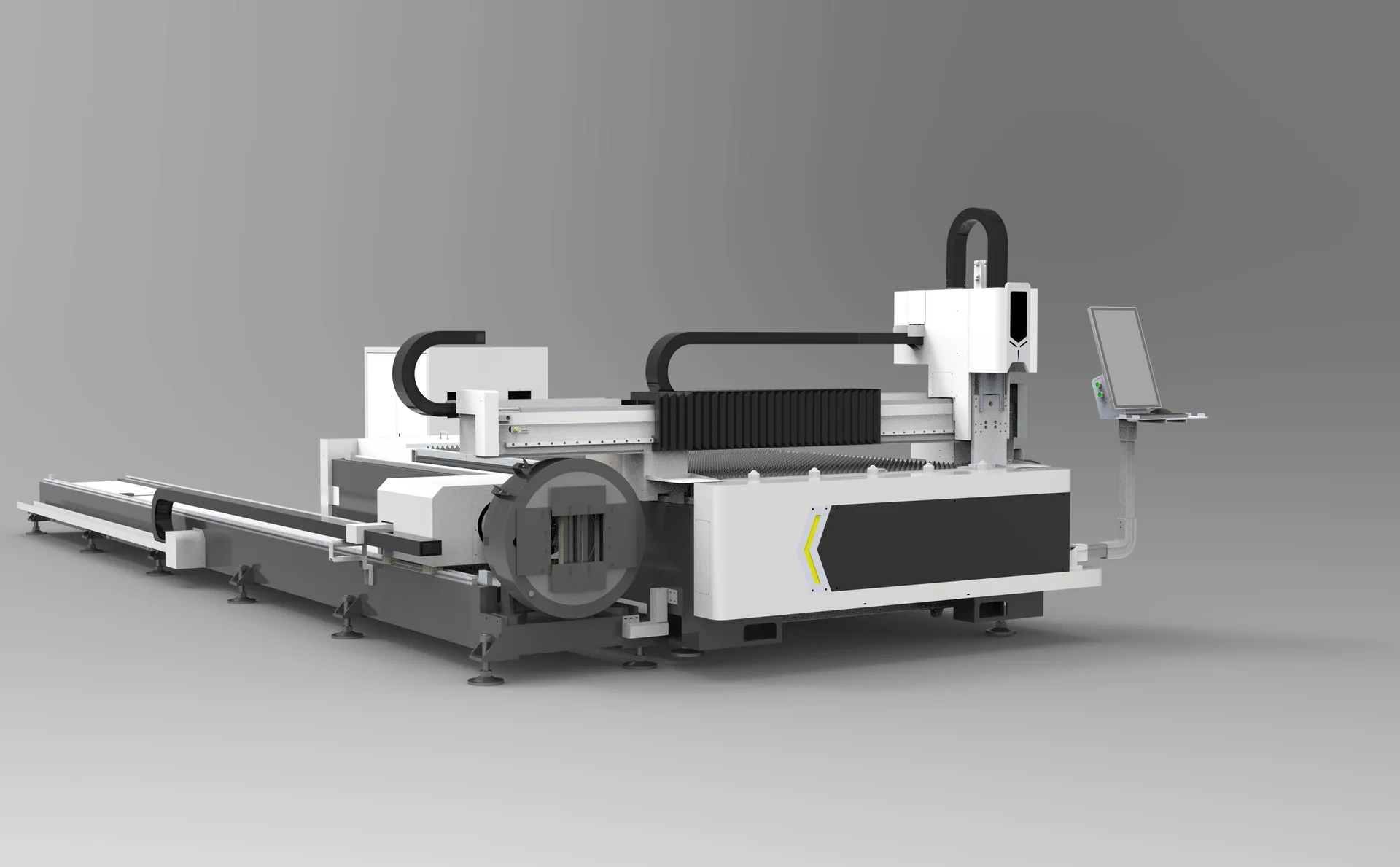
Combined sheet and tube laser cutter with an open sheet table and adjacent rotary chuck line

Product Overview

Bring flat blanks and tubular components into one equipment plan. A CHENDA sheet-and-tube laser cutting configuration combines a sheet working area with a tube-cutting section for workshops that alternate between the two types of work. It can suit varied fabrication where sheet panels, brackets and tube frames belong to the same order.

The value is production flexibility within one machine arrangement. The decision should still account for shared machine time: sheet and tube jobs need to be scheduled around the available cutting resource, setup and material handling.

Materials & Capabilities

Evaluate carbon steel, stainless steel and compatible aluminum-alloy work using both forms of material. A sheet specification needs grade, thickness and blank size. A tube specification also needs section shape, outside dimensions, wall thickness, stock length and mass.

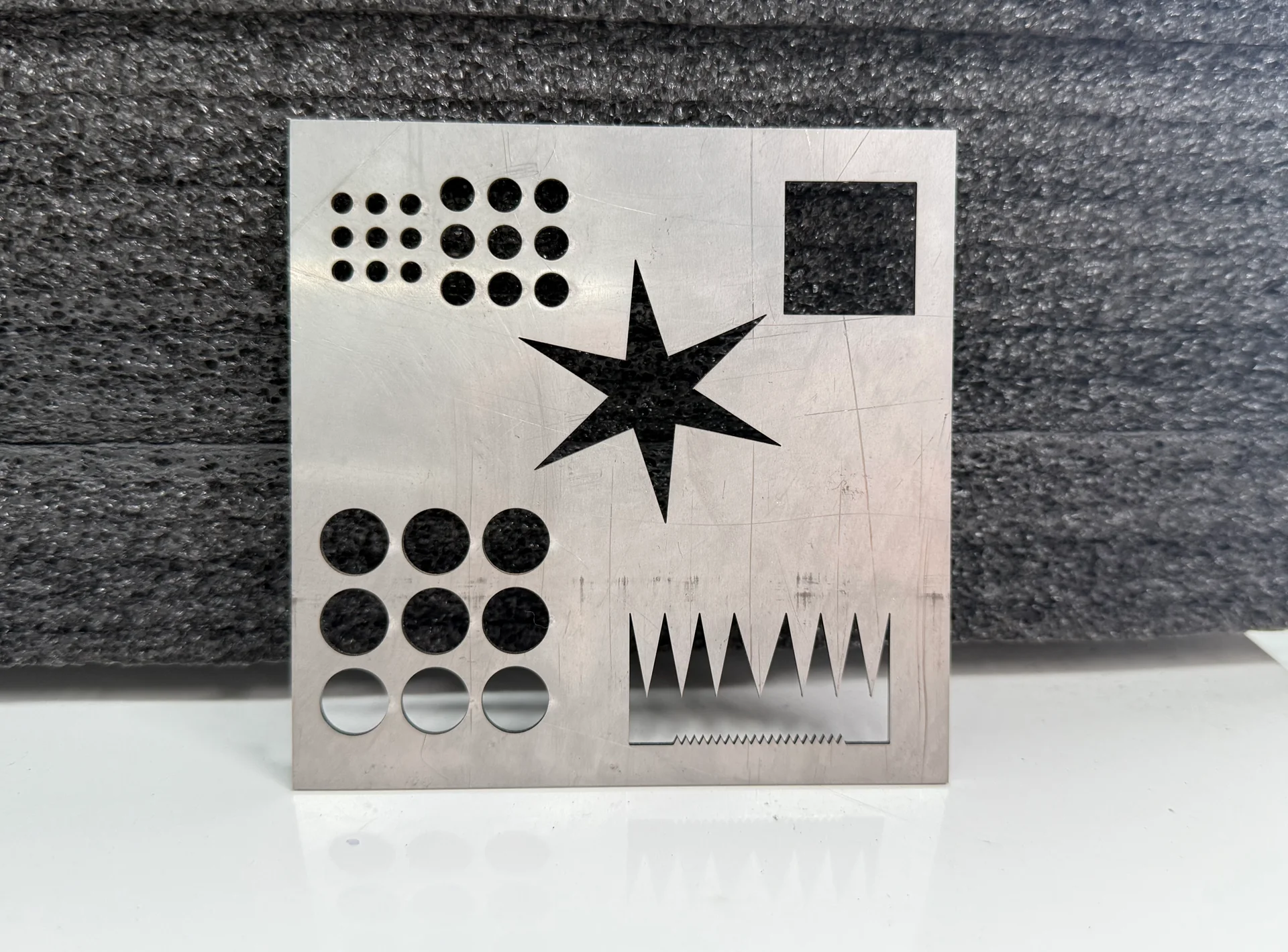
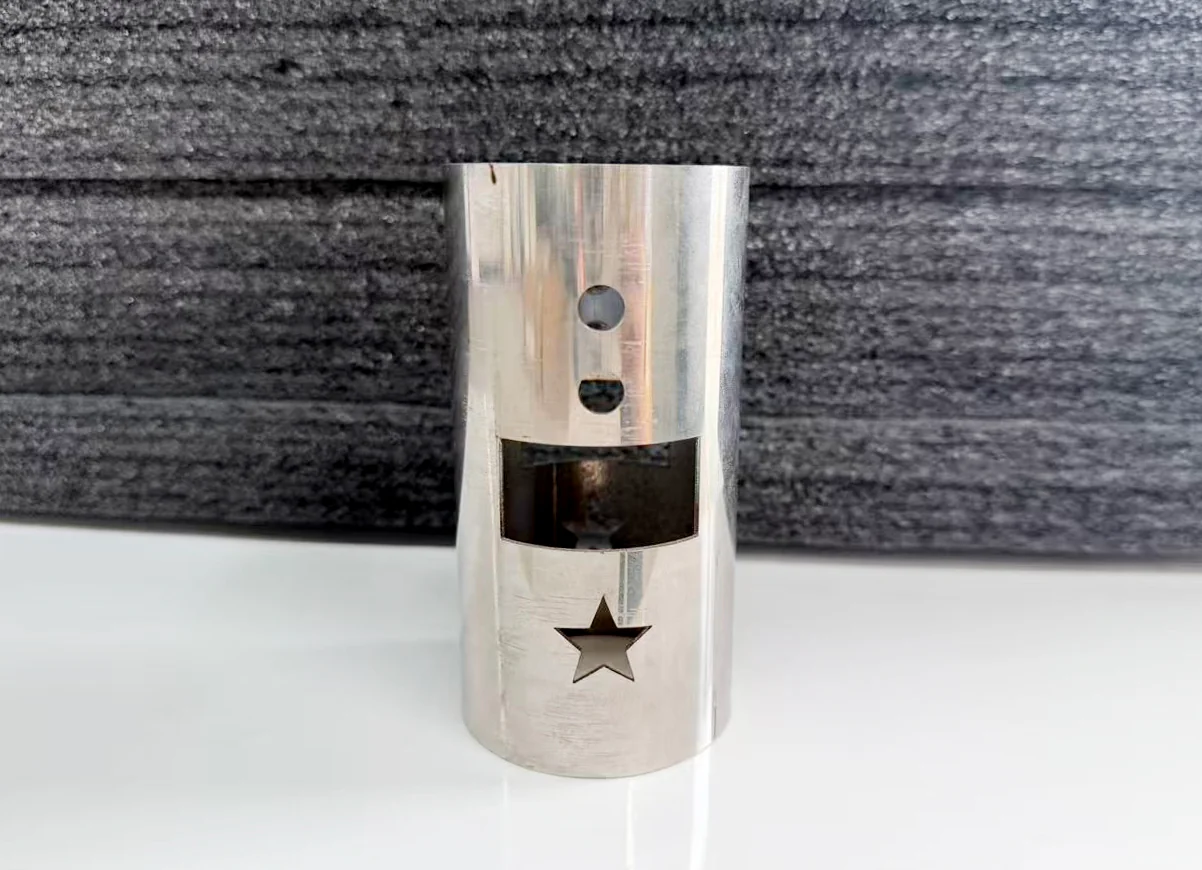
The sheet section processes flat profiles, holes and slots. The tube section is used for suitable cut-to-length parts, openings and end features. A furniture frame with mounting plates is a useful example: the machine may prepare the flat connections and the tubular members through separate jobs.

Power suitable for one material does not automatically establish performance on the other. Tube walls, curved surfaces and restricted internal space create different process conditions from a flat plate. Copper alloys, coated stock and unusual sections should be reviewed individually.

Metal cutting sample with round holes, a square opening, a star and narrow triangular cutouts
Sheet features
Round metal tube sample with circular holes, a rectangular window and a star-shaped opening
Tube features
Metal cutting sample with round holes, a square opening, a star and narrow triangular cutouts
Round metal tube sample with circular holes, a rectangular window and a star-shaped opening

One product can contain two different cutting requirements

Consider a stainless frame with sheet mounting brackets. The flat blank may need a consistent edge for bending and an undamaged visible face. The tube needs correctly oriented holes, suitable end geometry and an inside surface that will not obstruct fit-up. Cutting both on a combined machine can keep preparation in one workshop cell, but the quality criteria remain different. A good sheet sample cannot validate the tube section, and a neat tube end cannot validate the bend-ready bracket.
Features & Engineering

Combined sheet and tube laser cutter with an open sheet table and adjacent rotary chuck line

Connected sheet and tube sections

The catalog HT direction connects the main sheet bed and auxiliary tube bed and describes a dual-drive gantry with servo-driven rack-and-pinion motion. The sheet area supplies the reference for planar cutting; the tube section adds clamping and rotational control. Their combined usefulness comes from preparing different stock forms without buying two complete independent cutting systems at the outset.

That integration does not remove the separate workholding requirements. A sheet rests on slats and may release small parts as the nest finishes. A tube projects through its supports and changes its supported length as finished members separate. The operating sequence has to handle both behaviors reliably.

Practical access during changeover

Sheet loading needs room for the complete blank; tube loading needs a clear path along the stock axis. Check where the operator stands, where completed parts are placed and how a sheet skeleton is removed when tube stock is nearby. These movements determine whether a shared machine remains convenient in daily use.

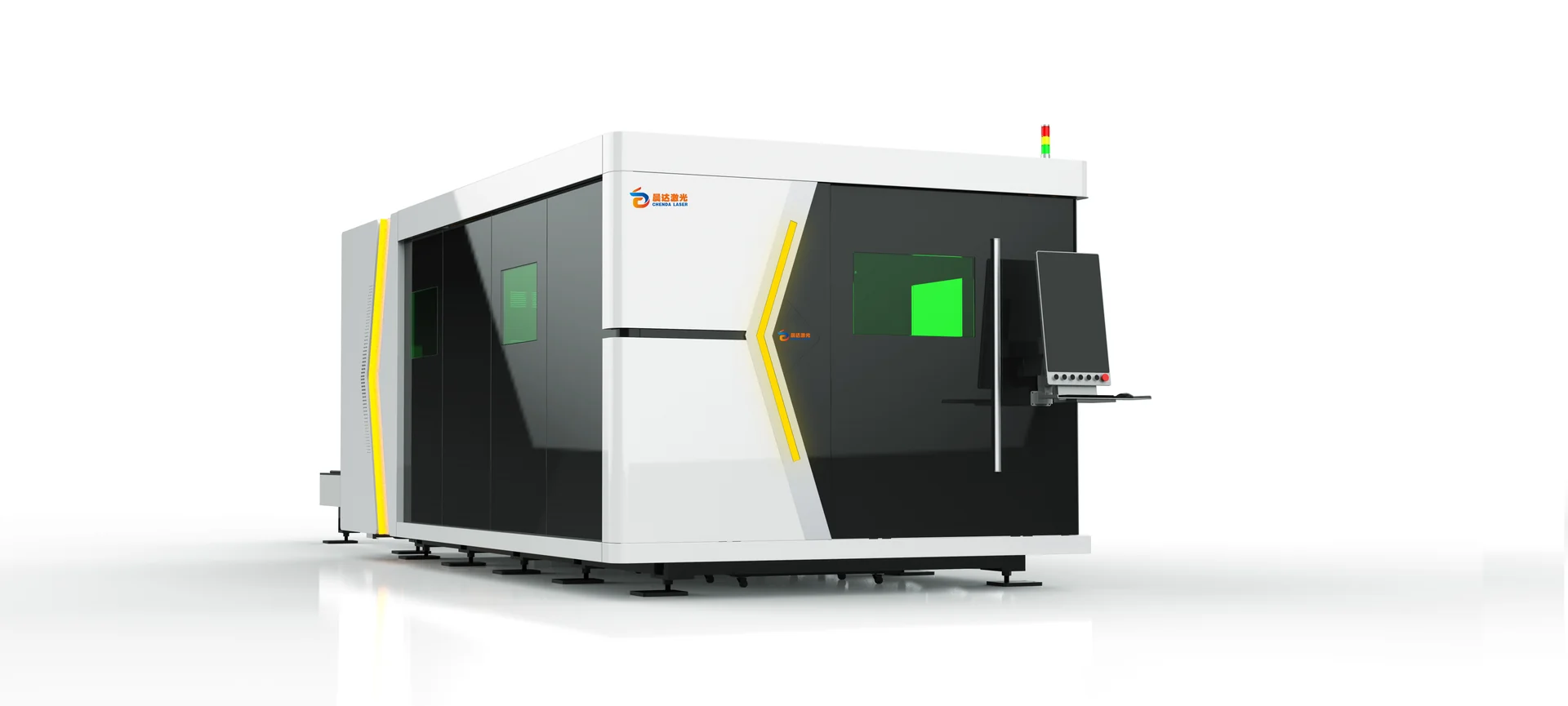
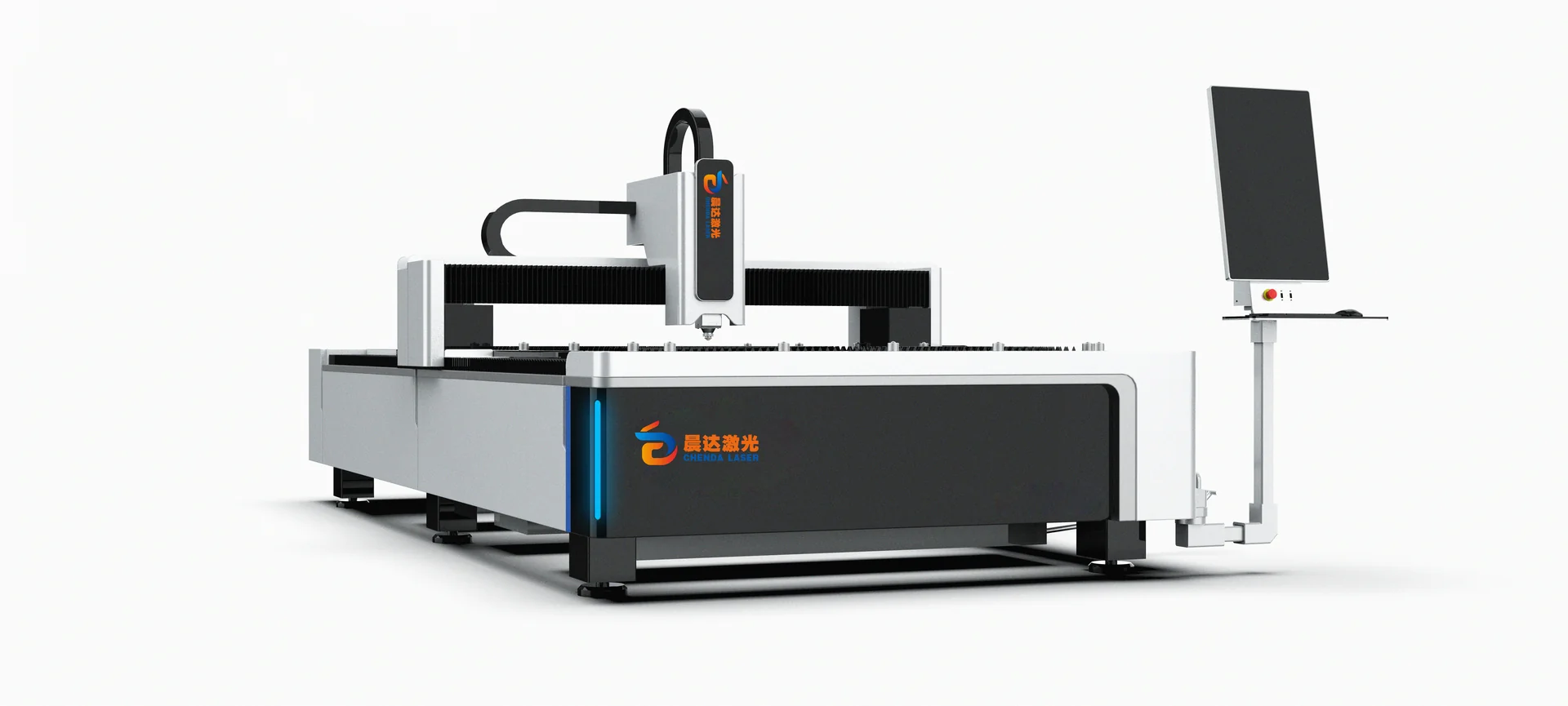
For an open arrangement, access can make varied manual loading practical, while the workshop still needs the protection and process-area controls appropriate to the supplied machine. An enclosed arrangement defines a different access sequence through its doors and covers. Enclosure choice should be connected to actual loading behavior rather than treated as a styling difference.

CHENDA-branded open sheet laser cutter with cutting table, gantry and operator console
Open sheet-table access reference
Metal cutting sample with round holes, a square opening, a star and narrow triangular cutouts
Planar contours and openings
Round metal tube sample with circular holes, a rectangular window and a star-shaped opening
Features around a tube section

Separate settings for separate processes

Sheet nests and tube programs require different geometry preparation. A flat pattern is mainly a set of planar contours. A tube part combines section geometry, wall thickness, features around its perimeter and the relationship between those features. The software and control package needs an appropriate workflow for each, including the ability to preview how stock and finished pieces behave.

Toolpath planning, gas selection and head setup must follow the active process. Using the same steel grade does not mean every setting remains unchanged: the tube wall may be thinner than the plate, the nozzle works around a curved surface, and an internal opposite wall lies behind the intended cut.

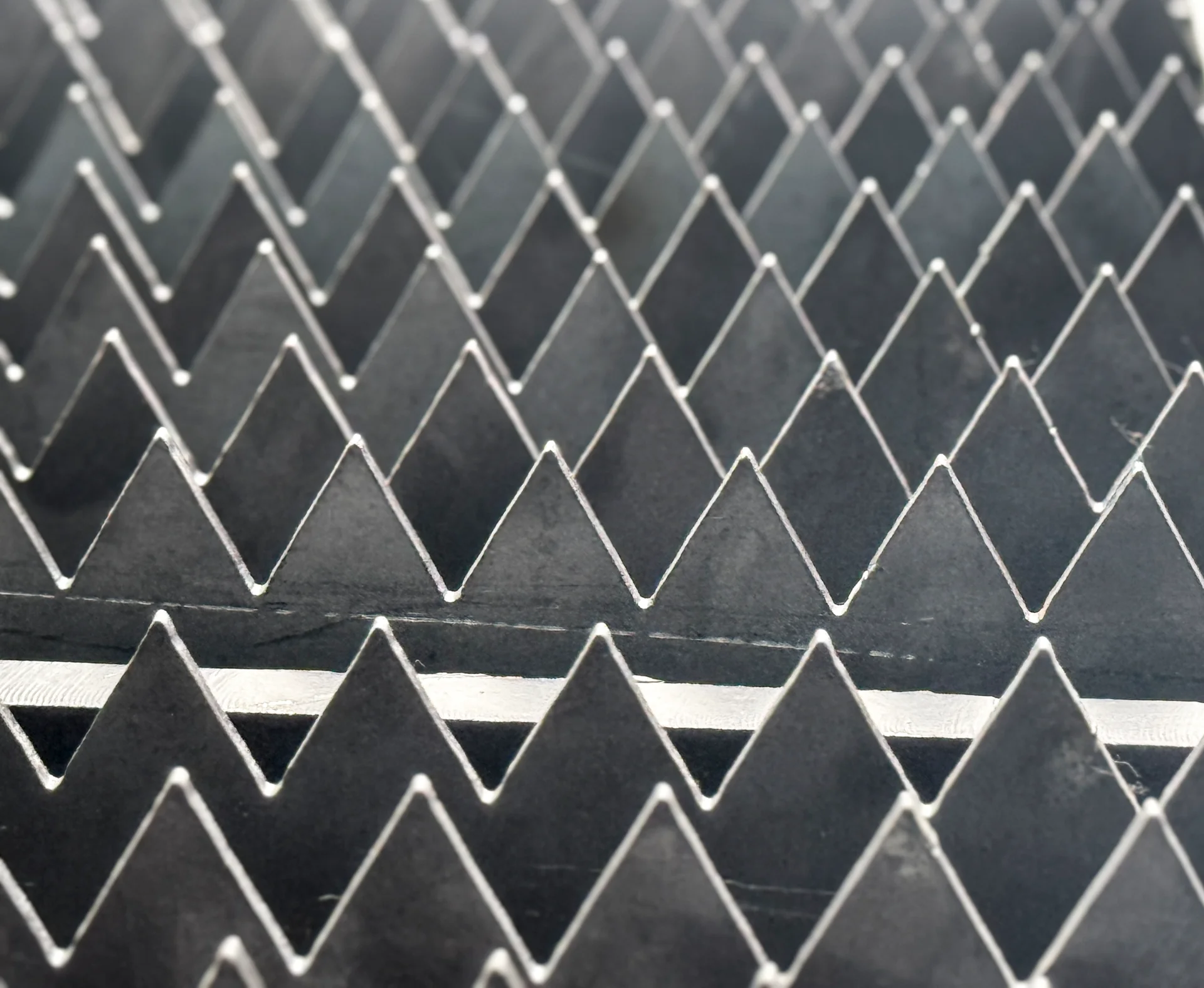
Close-up of interlocking serrated support slats on a laser cutting table

A changeover is a production step, not just a screen selection

The practical changeover includes clearing the previous work, preparing the next material, selecting the correct program and process, checking the relevant workholding, and verifying the first part. Some tasks can be prepared while the machine is busy; others occupy it. Separating those tasks exposes whether the combined route suits short mixed orders or needs longer grouped batches.

Technical Specifications

The open HT catalog references below identify sheet formats. They are catalog configurations for initial comparison; the final quotation should specify the actual tube attachment and its approved range.

Combined sheet and tube laser cutter with an open sheet table and adjacent rotary chuck line
Catalog model Listed sheet cutting area, mm Catalog laser-power range, kW
CHD-H1530T 1,500 × 3,000 1.5-6
CHD-H1545T 1,500 × 4,500 1.5-6
CHD-H2040T 2,000 × 4,000 1.5-6
CHD-H2060T 2,000 × 6,000 1.5-6
CHD-H2560T 2,500 × 6,000 1.5-6

The HT catalog parameter table lists a tube-processing length of 6 m and describes T160 and T240 clamping configurations. The attachment-to-model combination, section limits and permissible tube load should be confirmed in the proposed datasheet. Do not infer a tube load rating from the sheet format.

Proposal field Unit or definition Decision it supports
Sheet workload Hours/shift and usual sheet dimensions, mm Whether the sheet area will be the main shared constraint
Tube workload Hours/shift; section and wall dimensions, mm Whether a dedicated tube machine deserves comparison
Tube support and load kg/tube; kg/m; support arrangement Ability to control stock during rotation and cutting
Changeover Tasks and minutes per change Realistic scheduling between product types
Finished tube collection Part length, mm Required support after separation
Complete working envelope mm Loading routes for both sheet and tube

How do you size a combined machine for an eight-hour shift?

Technical drawings with a calculator and drafting compass
Production planning · visual reference
5 h · Sheet2 h · Tube1 h

Use occupied machine time for both product streams. As an illustrative schedule, five hours of sheet work plus two hours of tube work and one hour of changeover or machine-bound handling consume an eight-hour shift. That leaves no reserve for an urgent job or an interruption. These are planning assumptions, not CHENDA production figures.

The implication is practical: a machine can satisfy the material range yet be the wrong scheduling choice. Where both streams are regularly urgent, separate equipment creates independent capacity. Where they alternate and leave usable spare time, the combined arrangement can provide flexible capacity with fewer complete machine systems.

Workload condition Combined-machine consequence Production approach
Several related assemblies in small batches Both stock forms can be prepared in one cell Group by material while keeping matching parts identified
Long sheet nests and urgent tube repairs The tube job may wait for a shared resource Reserve time windows or evaluate separate tube capacity
Heavy tube work with occasional flat parts Tube handling can dominate the layout Compare a dedicated tube machine before prioritizing sheet format
Many materials and frequent gas changes Setup occupies more of the shift Include actual changeovers in the production estimate

Samples & Demonstration

Metal cutting sample with round holes, a square opening, a star and narrow triangular cutouts
Round metal tube sample with circular holes, a rectangular window and a star-shaped opening

Request a demonstration using a pair of parts from the same assembly: for example, a flat mounting plate and the tube it joins. Check the plate hole positions, tube feature orientation and assembled fit.

Include the transition between sheet and tube jobs in the review. A short video of active cutting does not establish the changeover time, stock-loading effort or program-management workflow. Ask for those steps to be shown when they influence your staffing or delivery schedule.

The strongest assembly test goes beyond two separately acceptable dimensions. Place the cut bracket on the tube, check the locating features and observe the gap that the welding process must bridge. This reveals whether tolerances on the sheet and tube combine into a useful assembly. Connect those results to the drawing and machine through the quality-control record.

Configuration & Options

Discuss the sheet table arrangement, tube attachment, support positions and required guards as one configuration. The CHENDA catalog presents open HT and enclosed GT product directions; the specific configuration offered should identify its model, source, head, control and included protection.

Confirm which sheet-nesting and tube-programming functions are licensed. Review supported tube unloading and loading assistance where compatible. Automated tube handling, bevel cutting or exchange-table functions should not be assumed from the fact that a machine combines sheet and tube work.

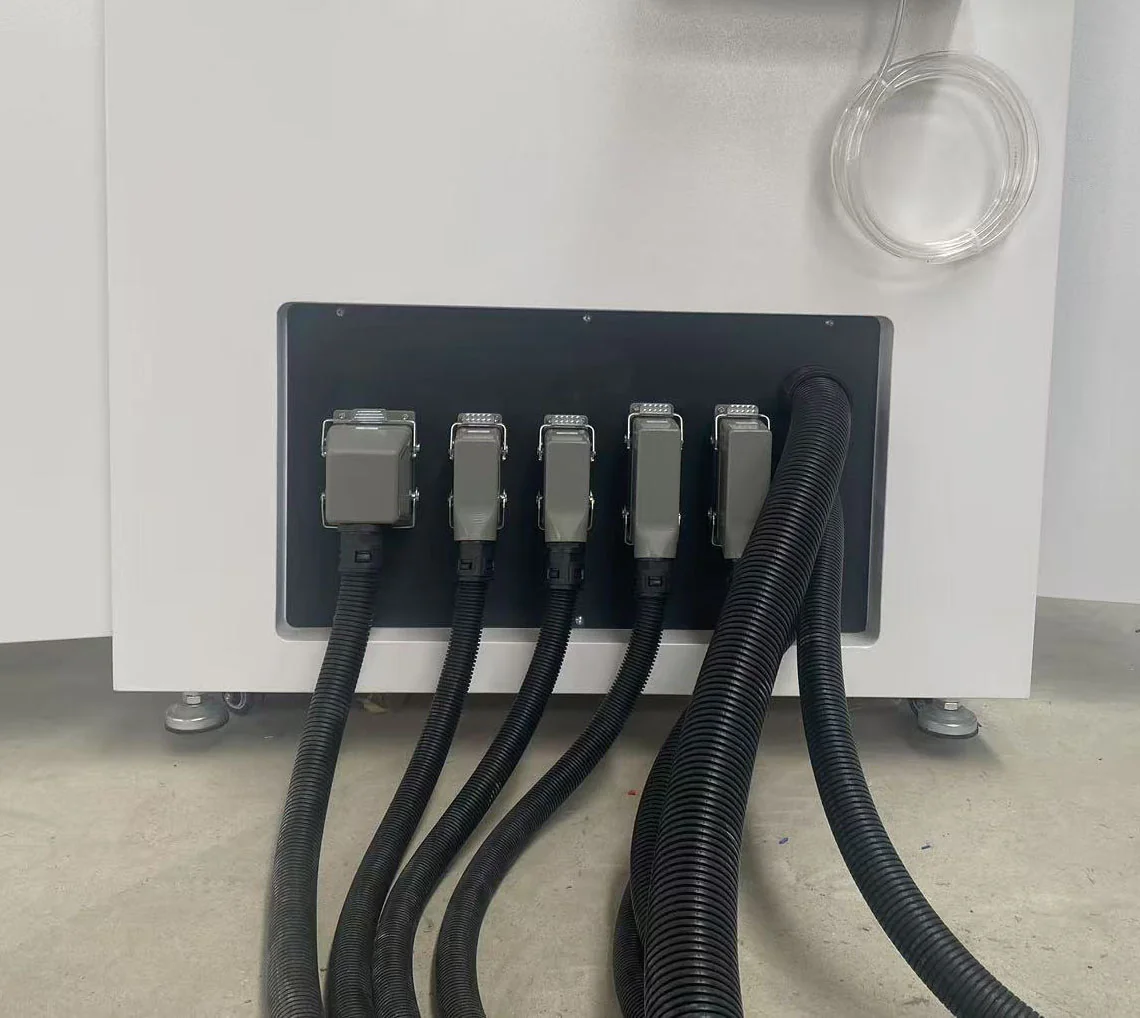
External electrical cabinet connectors with protective cable conduits

The shared package and the stock-specific package

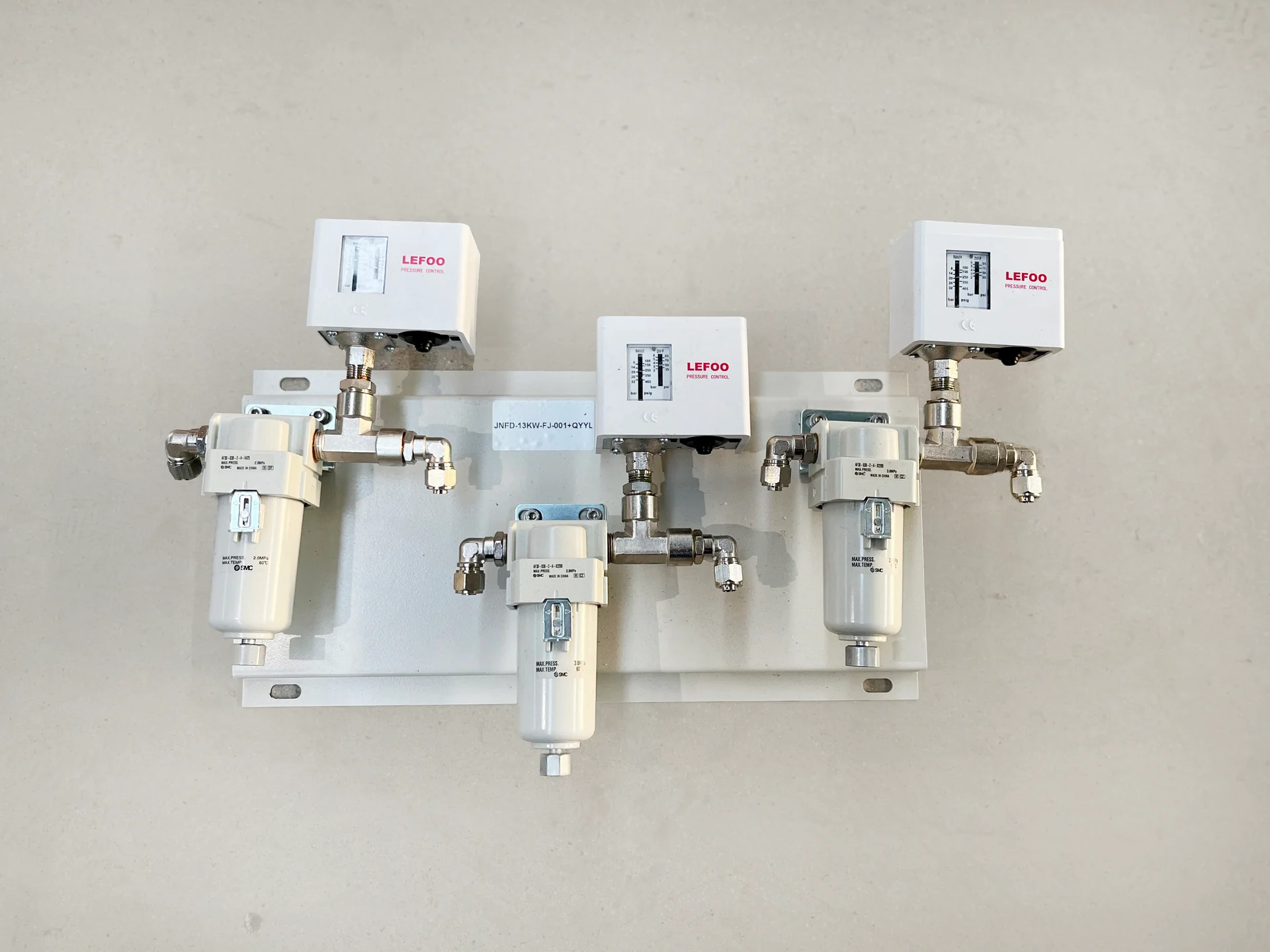
Gas-line assembly with LEFOO pressure switches and SMC filter units
System Function within the combined route
Laser source, head and cooling Provide a compatible cutting package for the selected power and both material processes
Sheet table and slats Support blanks, release cut parts and permit scrap removal
Tube attachment, jaws and supports Grip the intended section and control stock and finished-member movement
Programming and process libraries Keep the right geometry, material and gas settings associated with each job type
Gas and extraction arrangement Serve the active cutting area under its operating conditions

The base package and selected options should be itemized around these functions. A tube attachment with basic manual handling has a different production role from a dedicated automatic tube line, even if both can cut a particular sample.

An itemized proposal should make the shared equipment clear and identify any separate gas, extraction or handling provisions required by each section.

Applications & Workflow

Painted metal filing cabinets with open drawers
Furniture application · reference

Combined equipment can support mixed workshops producing furniture, shelving, machine covers and fabricated frames. The production route starts by separating each order into sheet and tube jobs, then grouping compatible materials to manage changeovers without delaying assembly.

Keep matching components together through sorting and welding. Similar tube members may differ only in hole orientation, while flat plates may have several revisions. Part identification and organized collection help prevent a cutting advantage from becoming an assembly error.

For a furniture order, cutting all brackets first may use sheet efficiently but leave frame assembly waiting for tube members. Producing complete assembly sets earlier may shorten the time to the first finished product. The best sequence balances stock utilization with the work that welding and finishing can actually accept. This is where a shared machine needs deliberate scheduling rather than simply the fullest possible nest.

For planning examples, review metal furniture and cabinets and sheet metal fabrication.

Installation & Support

Use a layout drawing that shows both cutting sections and all material movements. Include clear space for long tubes, sheet lifting, finished parts, chiller access and extraction connections. The machine’s occupied floor area is smaller than the complete operating area it requires.

Operator training should cover both sheet and tube setup, the changeover sequence, program selection, clamping checks and process-specific maintenance. Plan the handover through installation and training, and identify replacement nozzles, protective windows and tube-contact components with spare-parts support.

At delivery, sheet-table parts and tube supports should remain identifiable to their respective assemblies, with the relevant setup information preserved. The production and delivery process explains how configured modules and loose accessories are reconciled before shipment. This is especially useful for a combined layout assembled from more than one transported section.

Combined sheet and tube laser cutter with an open sheet table and adjacent rotary chuck line
Technical drawings with a calculator and drafting compass
Configuration review · reference

Technical Resources

Request a combined-machine datasheet with a separate capacity statement for each working section. Ask for the layout, software scope and operating demonstration relevant to the configuration under discussion.

Product FAQs

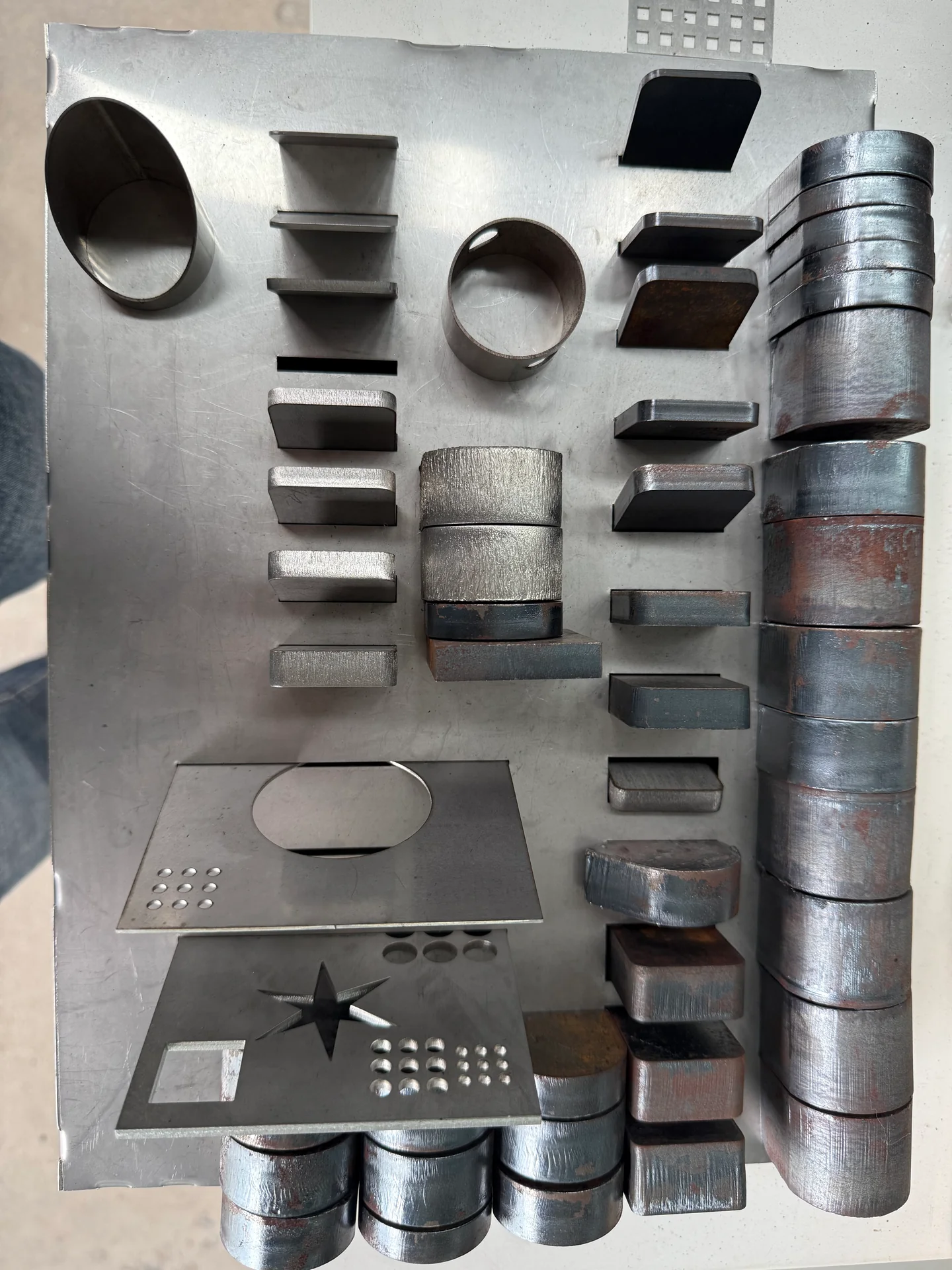
Assorted metal plate and tube samples displaying cut edges and openings
Combined sheet and tube laser cutter with an open sheet table and adjacent rotary chuck line

Can sheet and tube be cut simultaneously?

Do not plan simultaneous production unless the offered configuration explicitly supports it. A shared cutting resource should normally be scheduled as alternating sheet and tube work.

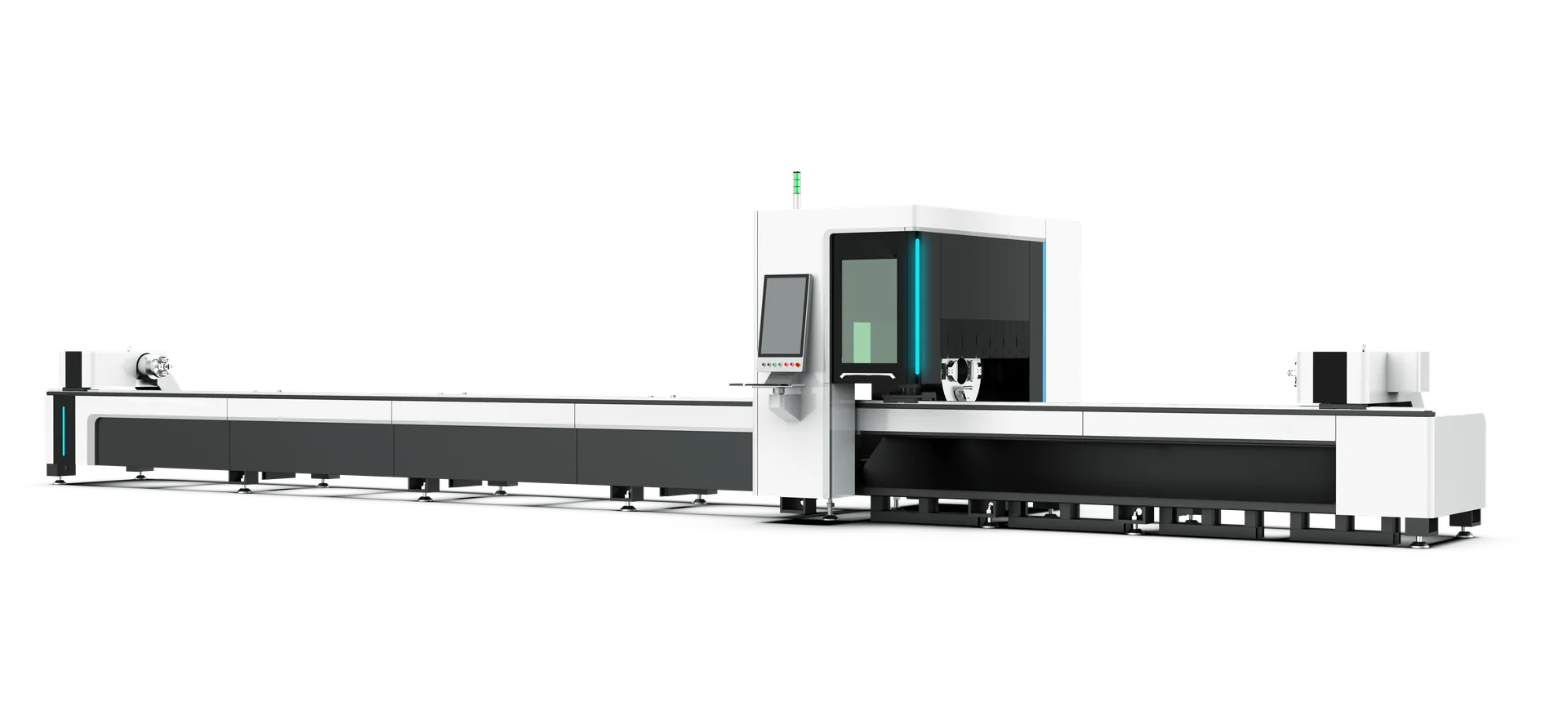
Tube laser cutting machine with a central cutting enclosure and long chuck-support beds

When should we choose separate machines?

Separate equipment deserves comparison when both processes need high utilization at the same time, when tube work requires specialized handling, or when a delay on one section would stop an entire production order.

Round metal tube sample with circular holes, a rectangular window and a star-shaped opening

Does a larger sheet format include a larger tube capacity?

No. Sheet dimensions and tube attachment capacity are separate specifications. The chuck, support, stock length and load rating must be stated for the selected tube configuration.

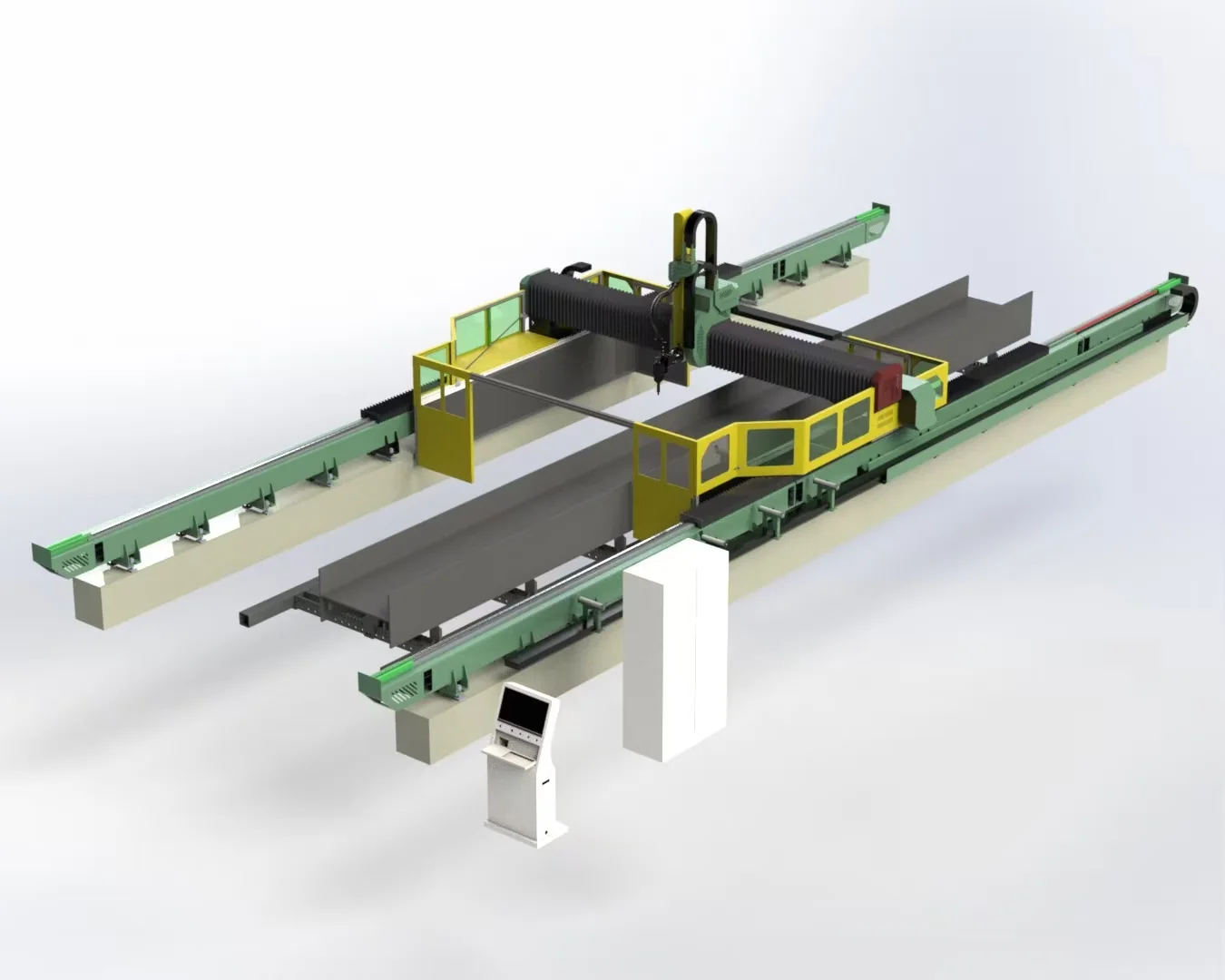
Gantry cutting system spanning structural steel profiles between two long rails

Is the combined machine suitable for heavy structural beams?

That requires a separate geometry and load review. Large beams need access to their web and flanges and dedicated handling. Review a profile-processing machine where the stock is outside the proposed tube section’s capacity.

Technical drawings with a calculator and drafting compass
Planning reference

How do we calculate the real cost advantage?

Compare the complete production week. Include investment, occupied operating area, setup, material handling and the hours when one job waits for the other. A lower equipment count is useful only if the schedule remains workable.

Request a Quote

Send one representative sheet drawing and one tube drawing, plus the expected weekly hours for each type of work. Include stock sizes, tube mass, batches and the space available for loading. This allows the combined arrangement to be compared with separate machines on the same production basis.

Round metal tube sample with circular holes, a rectangular window and a star-shaped opening