CHENDA is open to discussions with distributors, application specialists, system integrators and service partners who can help industrial customers make informed equipment decisions and support the delivered system in their market. A useful partnership needs more than lead forwarding. It needs clear territory knowledge, technical ownership, honest application screening and a practical route for installation, training and service.
CHENDA does not publish automatic dealership promises on this page. Territory, product scope, branding, pricing, targets, training, support responsibilities and commercial protection must be reviewed and agreed for each partnership.
Distributors develop demand, qualify projects, explain the product range and manage local commercial communication. Strong distributors understand industrial buying cycles and can obtain the drawings, materials, output and site information needed for technical selection.
Application and process partners
Application partners contribute knowledge in laser cutting, bending, welding, surface treatment, marking, deburring, packaging or textile cutting. They can help evaluate samples, tooling, parameters, fixtures, quality criteria and downstream production.
System integrators
Integrators connect machines to loading, unloading, robots, fixtures, extraction, compressors, production software or other equipment. They should define interface ownership, signals, safety boundaries, standards, documentation and acceptance responsibilities before the order.
Installation and service partners
Service partners need qualified personnel, tools, electrical and mechanical capability, safe work procedures, reporting discipline and a clear escalation path. They must identify machines and parts accurately rather than substituting based on appearance.
One company may cover several roles, but each responsibility should still be explicit.
What CHENDA Looks for in a Partner
A registered business that can explain its ownership and operating markets
Existing access to industrial customers relevant to the selected equipment
Personnel who can collect and understand application data
A plan for demonstrations, samples, customer visits or technical communication
Ability to support installation or a defined method for arranging it
A service process that records model, serial number, alarms, evidence and actions
Honest handling of capability limits and unverified performance
Respect for quotation, territory, customer, branding and confidentiality terms
Willingness to maintain current product, documentation and safety knowledge
Large follower counts or an extensive product list do not replace these capabilities.
Information to Include in Your Introduction
Provide enough detail for a meaningful first review:
Company identity: legal name, website, address, year of registration and main contacts.
Market coverage: countries or regions, customer industries, languages and sales locations.
Current portfolio: equipment or brands represented and any conflicts that should be understood.
Team: sales, application, electrical, mechanical and service resources.
Facilities: office, showroom, warehouse, training area, tools and demonstration capability where applicable.
Customer route: how you generate, qualify and manage industrial projects.
Technical experience: machines installed or supported, without disclosing confidential customer data.
Service plan: installation, maintenance, spare parts, travel area and escalation method.
Products of interest: the specific CHENDA categories and why they match your market.
First-year plan: realistic activities, target industries and resources you will commit.
Supporting documents can be shared after the initial contact if they contain sensitive information.
How Opportunities Should Be Qualified
A partner should collect the same technical basis CHENDA needs for a direct inquiry. For laser cutting, this includes workpiece form, material, dimensions, thickness, drawings and output. For bending, include the developed part, bend length, tooling and geometry. For welding, include the joint, fit-up, material, seam and fixture. Digital knife projects require material samples, tool action, roll or sheet format, nesting and cut-quality criteria.
Use the technical quote checklist rather than sending only “customer needs a 3 kW machine.” A complete brief reduces repeated questions and protects the partner’s credibility with the customer.
Commercial and Technical Boundaries to Agree
A partnership agreement should address:
Territory and whether rights are exclusive or non-exclusive
Product categories and permitted sales channels
Lead registration and customer ownership
Quotation, discounts, payment and currency
Branding, translations and claims that may be used publicly
Demo machine, sample and exhibition arrangements
Training and certification of partner personnel where agreed
Installation, commissioning and warranty roles
Spare-part stock and return process
Technical escalation and documentation access
Targets, review dates and termination conditions
Confidentiality, intellectual property and local legal responsibilities
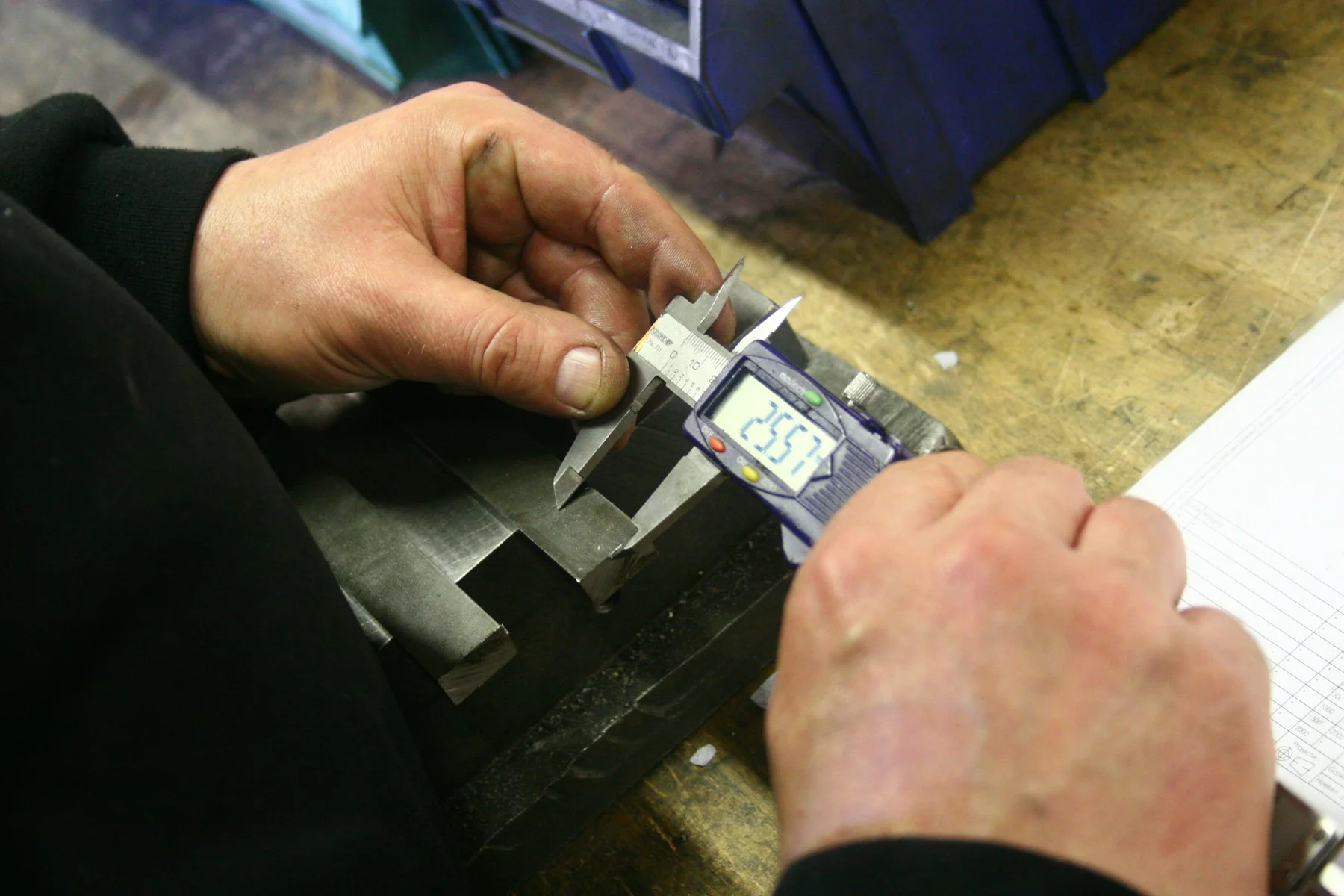
Define responsibilities in writing · reference
Do not market a service center, response time, certification or installed base until the parties can support that claim in the applicable market.
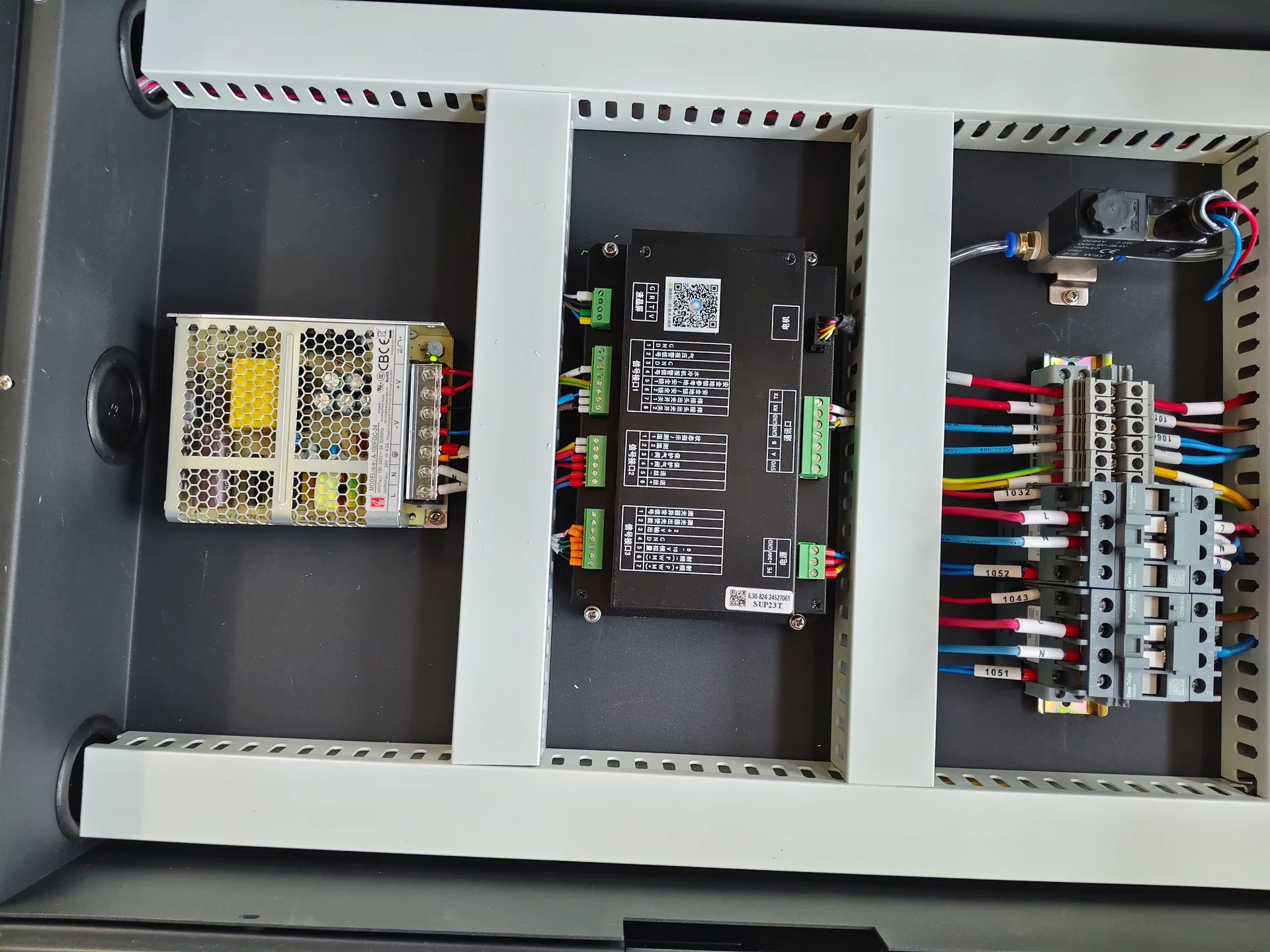
Electrical support work · industry illustration
Building Technical Capability
Partner training should be tied to the products represented. It may cover application intake, product structure, configuration boundaries, utilities, basic operation, maintenance, alarm evidence, spare-part identification and the difference between diagnosis and warranty approval.
For complex automation, robotic welding or regulated applications, a partner may need additional specialists. It is better to define that dependency early than to imply local capability that does not exist.
Does submitting an introduction create distributor status?
No. It begins a review. Appointment, territory and rights require written agreement.
Can a partner use CHENDA images and documents?
Use, modification and translation should follow the written brand and content permission provided for the relationship. Third-party material in a reference library must not be presented as CHENDA property.
Can we start with one product category?
Yes, when a focused scope fits the market and the partner’s capability. A smaller technically supported range is stronger than a broad range the team cannot qualify or service.
How should we report a customer project?
Use a structured brief with the customer application, materials, drawings, quality target, output, site, destination, timing and commercial context. Identify which facts are confirmed and which remain assumptions.
Start a Partnership Review
Email a concise company introduction and the information above. State the equipment categories and markets you want to develop, plus the technical and service resources available today.