Sheet metal / Fiber laser

Sheet Metal Laser Cutting Machines

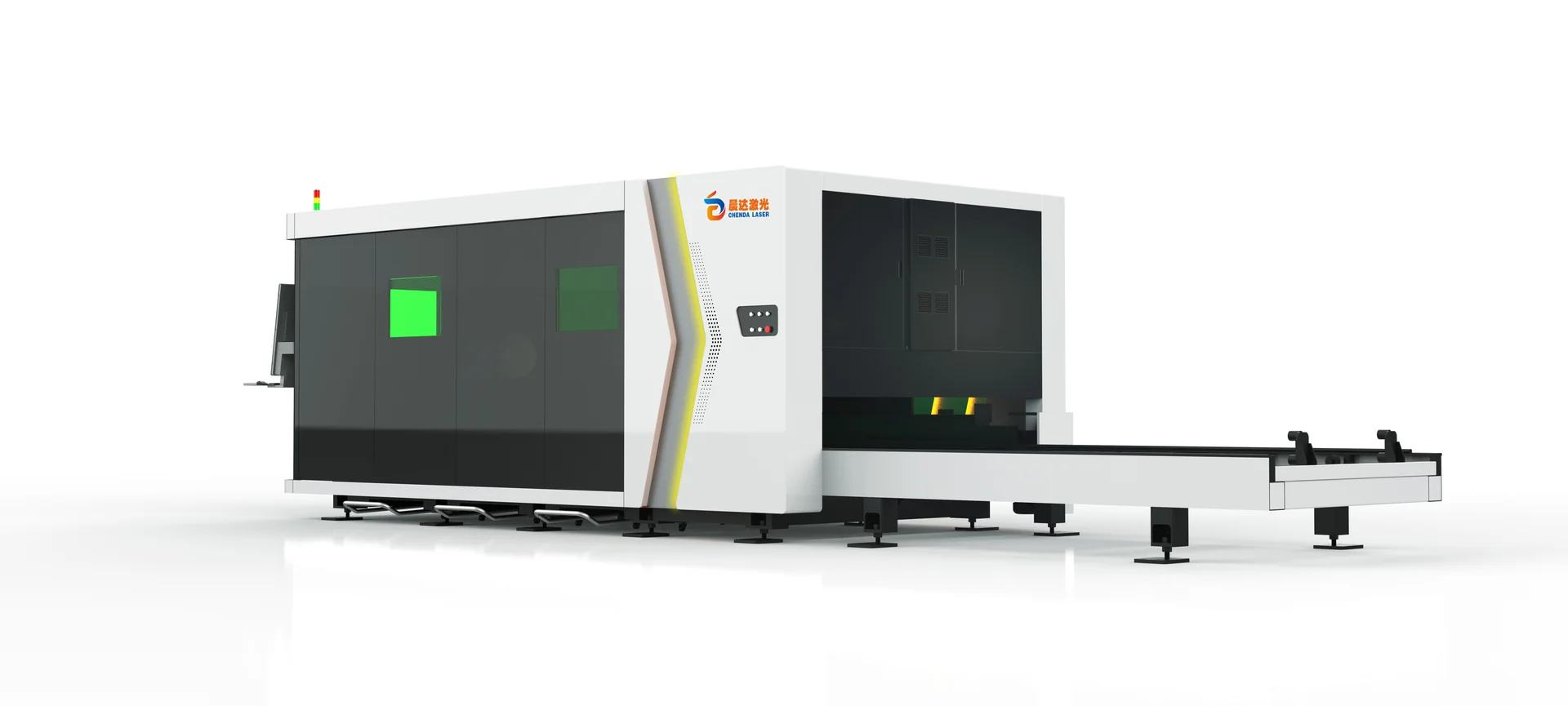
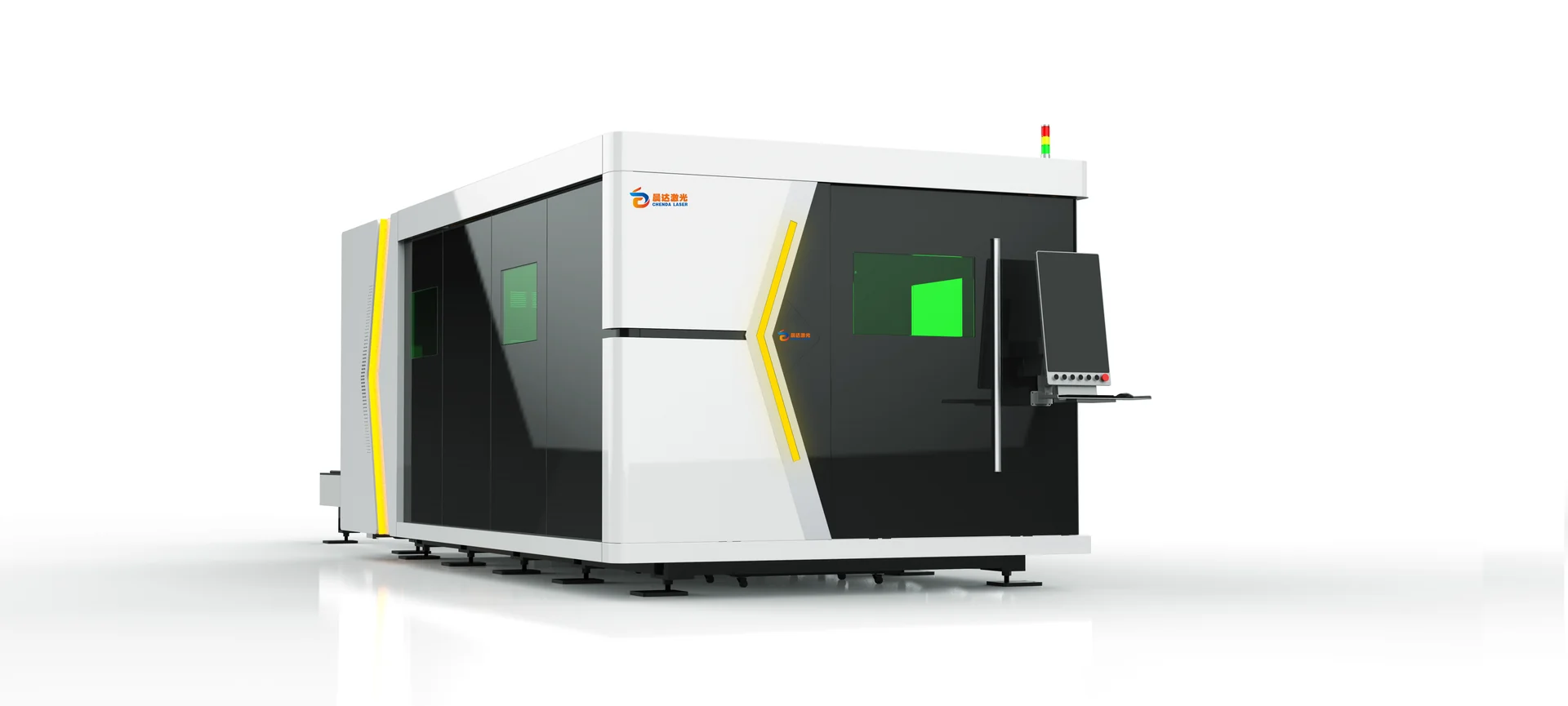
CHENDA-branded enclosed sheet laser cutter with viewing windows and operator console

Product Overview

Turn metal sheet into blanks ready for a controlled fabrication process. CHENDA’s sheet metal laser cutting range includes open tables, enclosed exchange-table machines, compact precision formats and large-format equipment. The choice depends on the sheet you handle, the details you cut and the rate at which parts can move to bending, finishing or assembly.

An enclosed exchange-table configuration brings a defined cutting area together with a second table for material handling. Open-table arrangements provide accessible loading. Large-format layouts accommodate long plate without dividing every design into smaller pieces. Each has a different floor plan and production rhythm.

Materials & Capabilities

Carbon steel, stainless steel and aluminum alloy are common materials for this equipment family. Galvanized sheet, silicon steel and copper alloys need a process review covering grade, surface condition and the selected laser system. Coating and protective film must be identified before a sample test.

Typical work includes enclosure panels, brackets, machine guards, flange plates, signs and nested mechanical components. The laser can combine outside contours, slots and holes in one program without a dedicated cutting die for each outline.

Thickness alone does not describe difficulty. A plate with many small pierces or narrow bridges can behave differently from a large, simple contour in the same grade and thickness. Heat distribution, hole quality and part stability should be considered when selecting power and planning the nest.

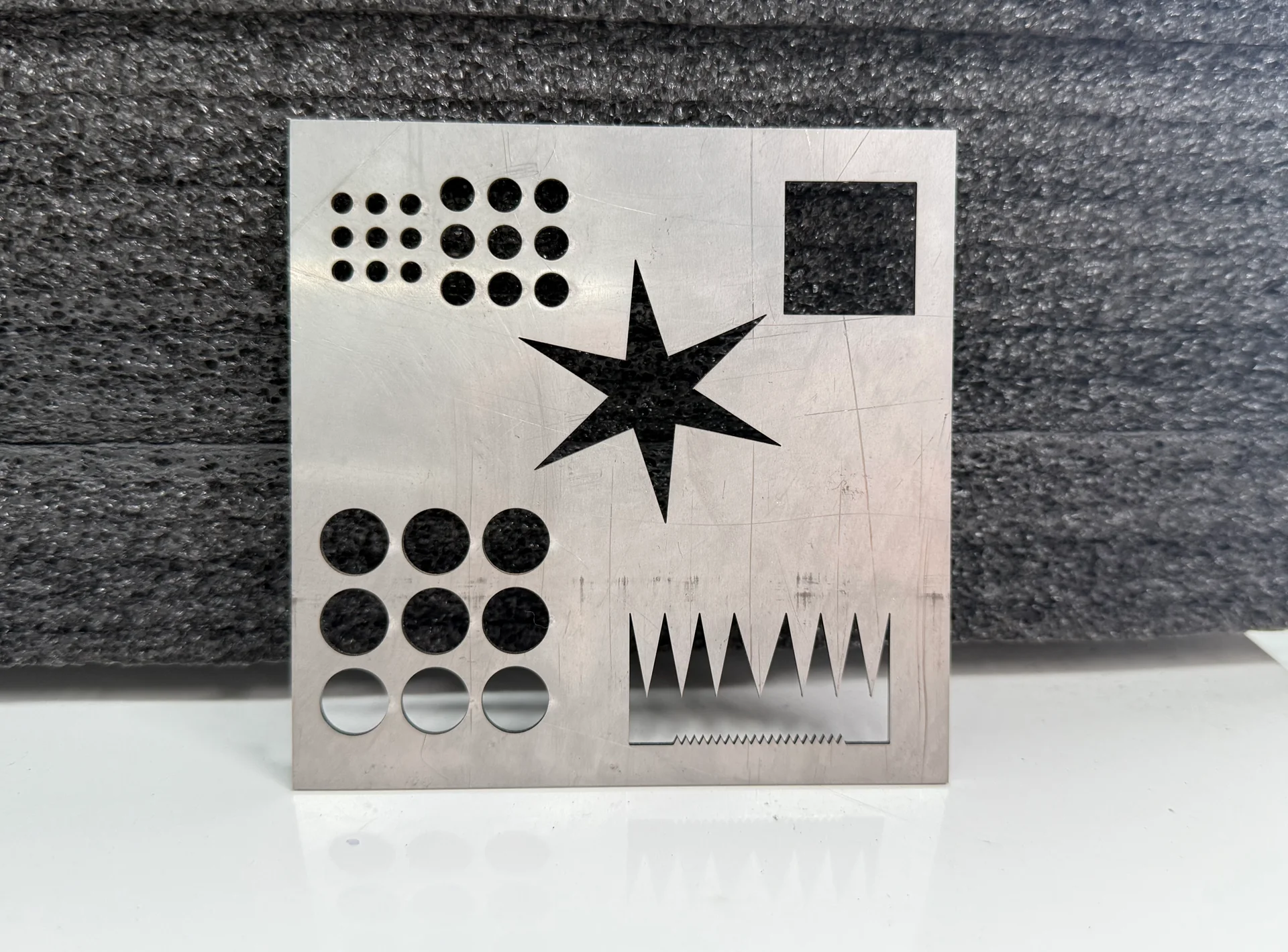
Metal cutting sample with round holes, a square opening, a star and narrow triangular cutouts
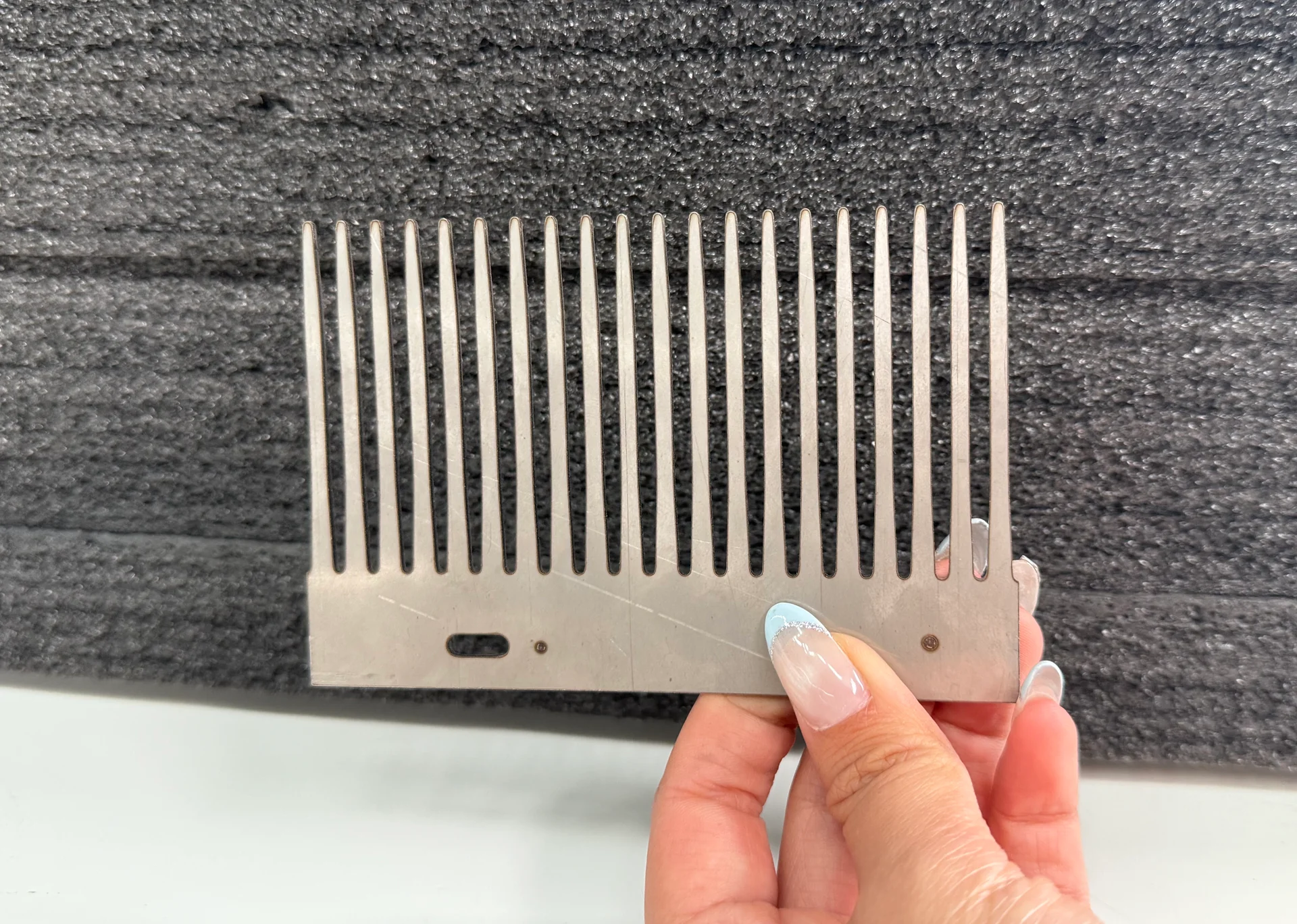
Hand-held metal cutting sample with a row of long narrow slots

Which assist gas suits the finished edge?
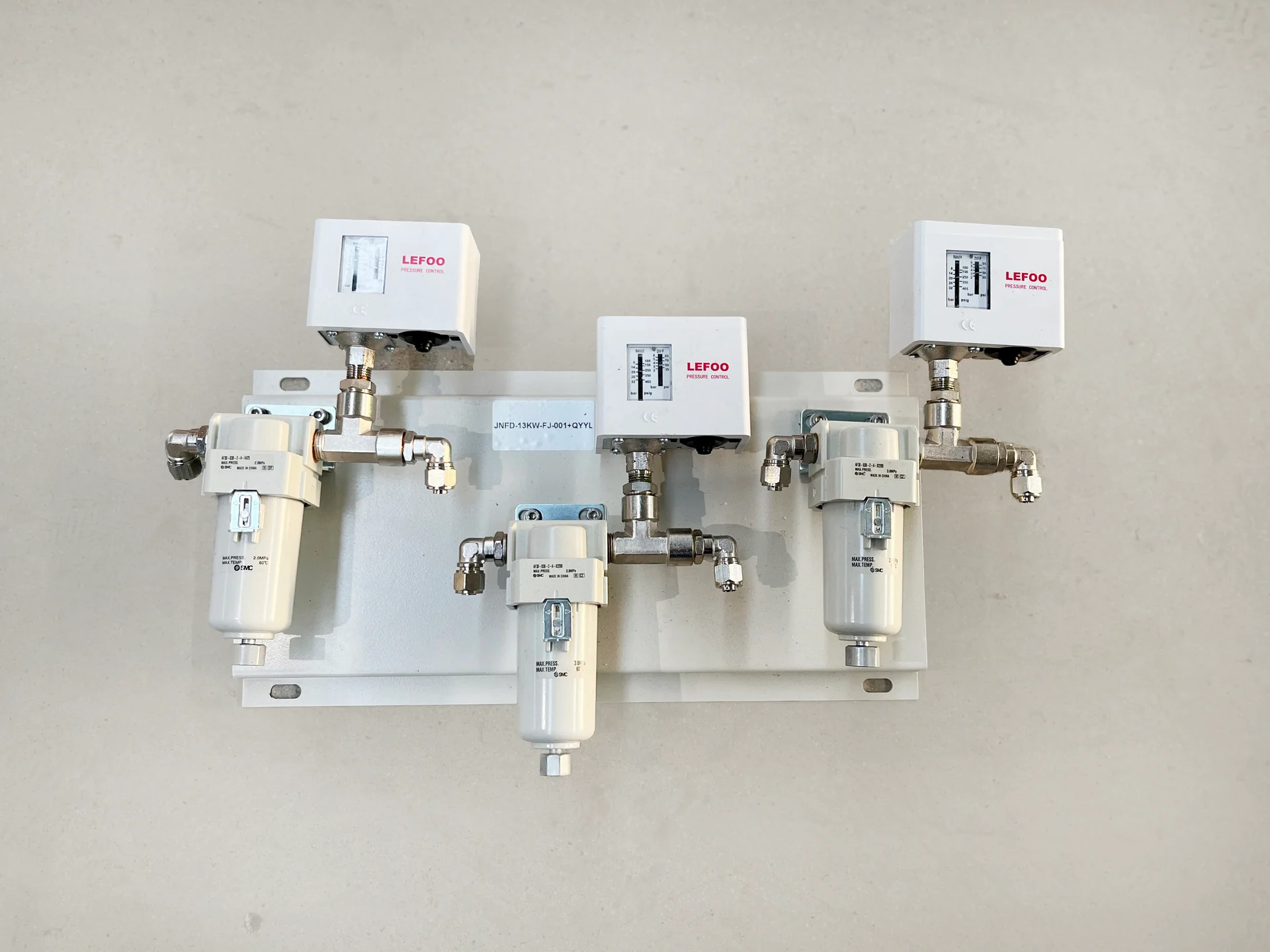
Gas-line assembly with LEFOO pressure switches and SMC filter units
Process direction Edge and production implications Typical reason to evaluate it
Oxygen-assisted cutting Chemical reaction contributes energy; the edge is oxidized Carbon-steel work where the complete cutting and edge-treatment route is suitable
Nitrogen-assisted cutting Gas expels molten material without the oxygen reaction; supply capacity can become important Parts requiring an oxide-free cut edge, subject to the final surface requirement
Compressed-air cutting Air contains oxygen, so the edge cannot be assumed equivalent to a nitrogen-cut edge Parts where tested edge condition and total operating cost support the choice

An inexpensive gas route can become costly if every edge then needs extra grinding. For painted carbon-steel brackets, compare the coating preparation as well as the cut. For exposed stainless panels, appearance may rule out an otherwise economical process. Gas selection belongs to the finished-product requirement.
Features & Engineering

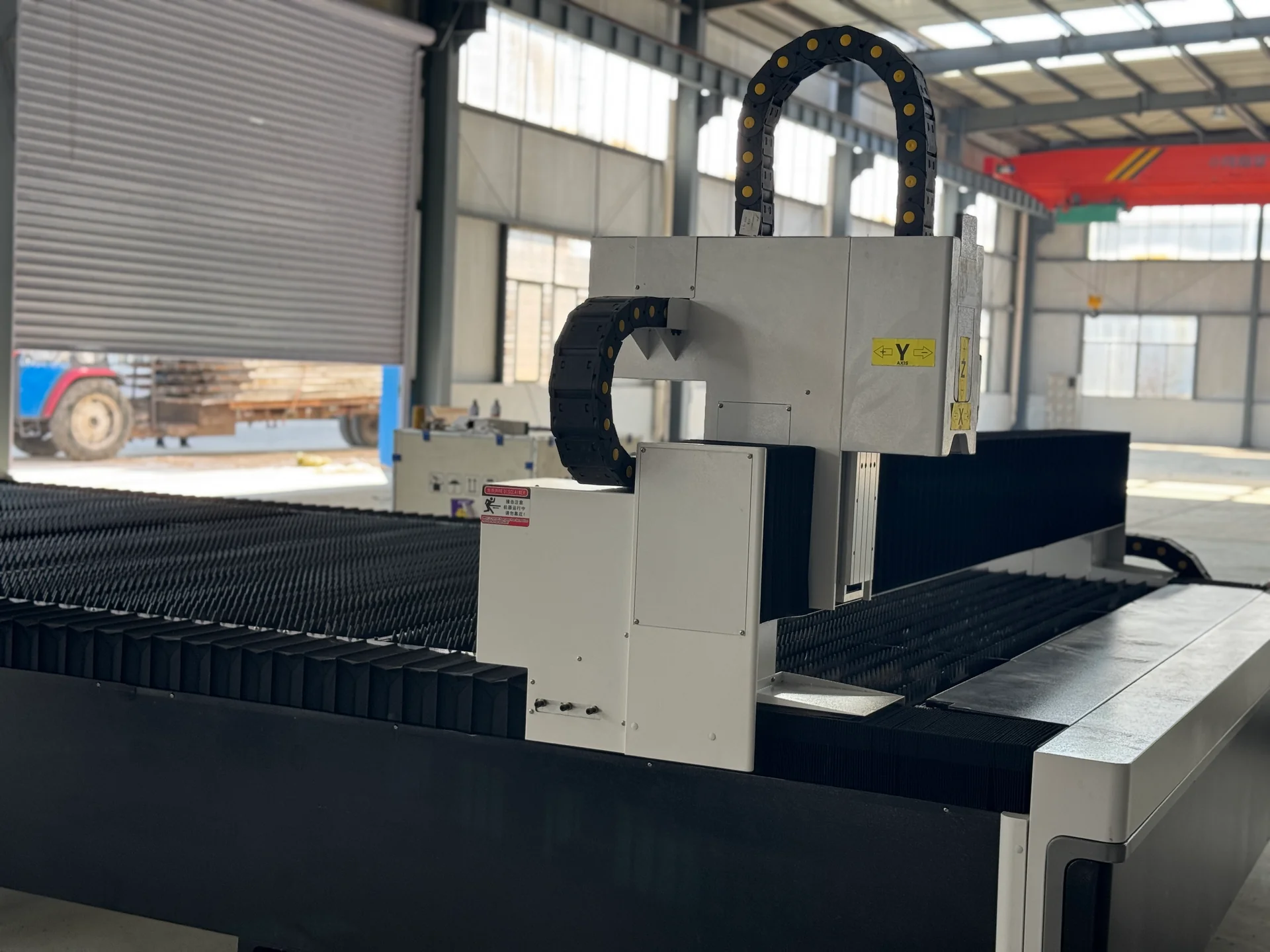
Laser machine gantry carriage with bellows covers and cable chains
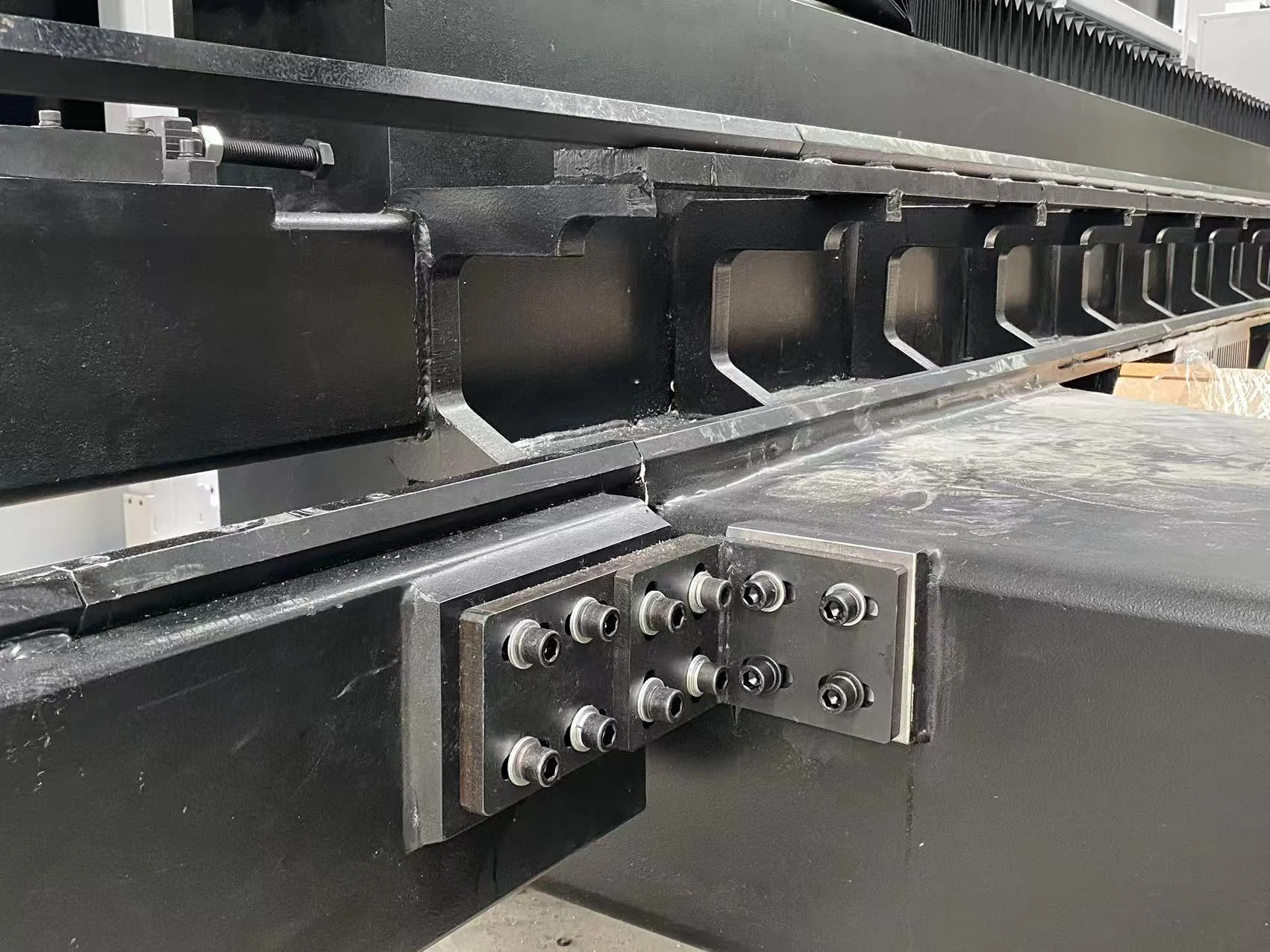
Laser machine bed ribs and a bolted structural joint
Bed structure
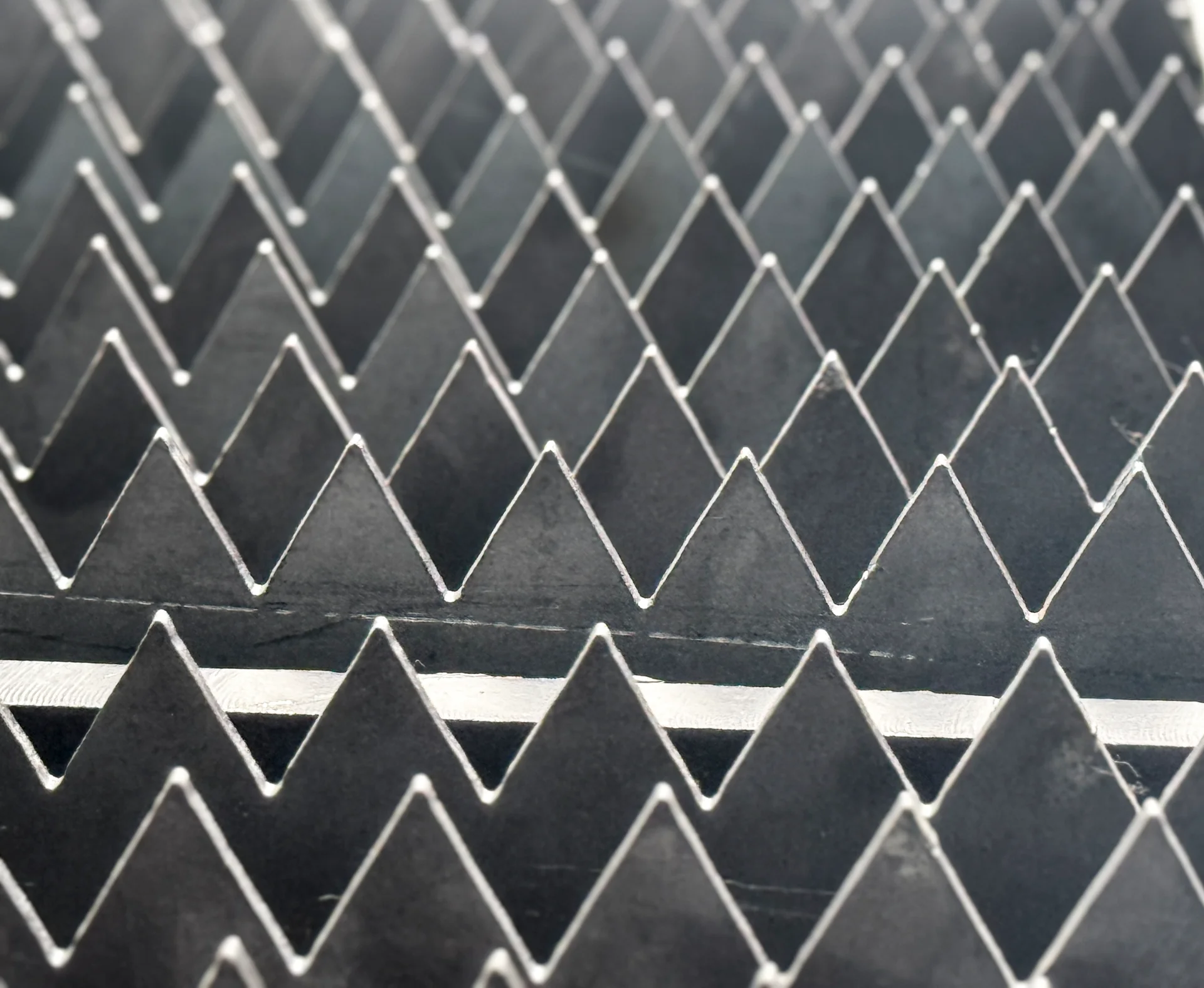
Close-up of interlocking serrated support slats on a laser cutting table
Sheet support

Table format and machine structure

The catalog G family combines a welded bed, moving crossbeam and exchange tables. Its structural description includes heat treatment of the welded bed and an aluminum-profile beam. The intended relationship is a stable reference structure with a moving beam that does not carry unnecessary mass. Performance still depends on the assembled drive, guide system and machine setup.

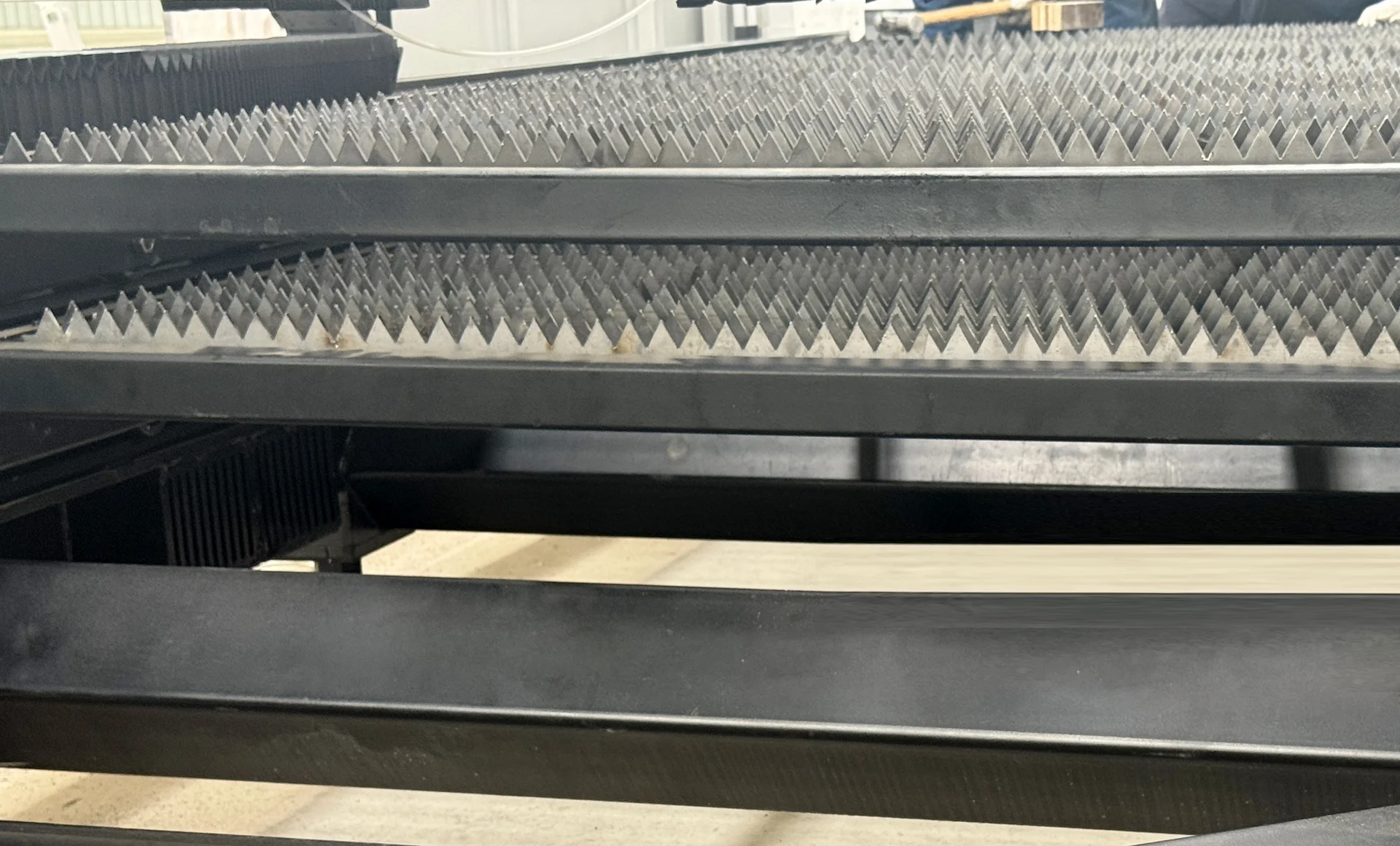
The slat table has a separate role: it supports the sheet while allowing gas, molten material and small scrap to pass below. Slat condition affects how level the sheet sits. Accumulated deposits can mark the underside or interfere with removal, which makes slat maintenance part of surface-quality control rather than a housekeeping detail.

Heat protection beneath the process and adequate rail support are useful design details on applicable builds. They address the difference between a machine that cuts a sample and one that repeatedly processes dense nests. The exact construction follows the selected model.

Enclosure and extraction

An enclosure helps define the process area. Its doors, viewing arrangements and extraction system must be specified together for the offered machine. Extraction effectiveness also depends on the duct route, collector and maintenance condition; an enclosure alone does not remove fumes.

Rear view of a CHENDA-branded enclosed laser cutter showing its external exchange-table frame
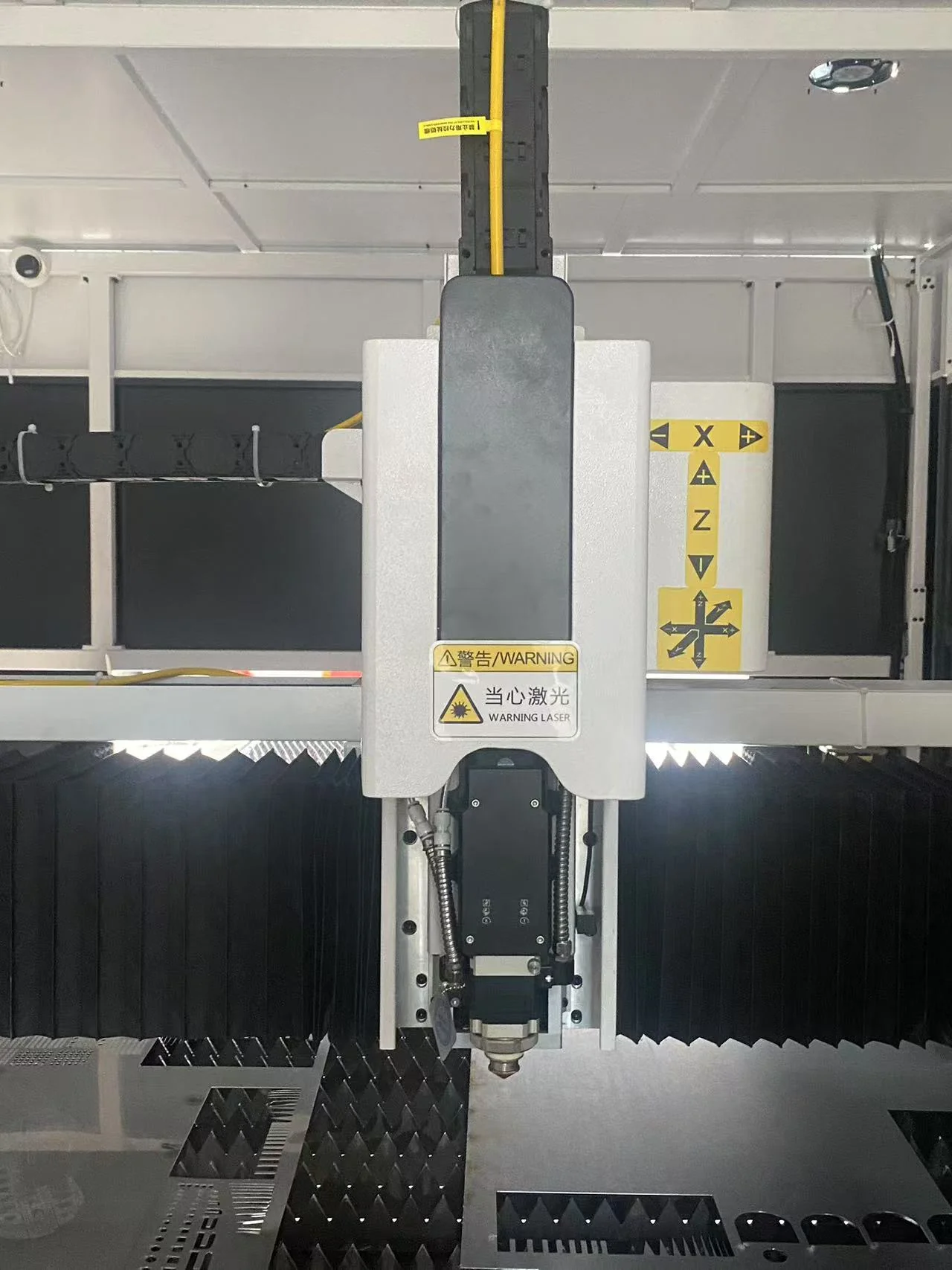
Installed laser cutting head above a metal sheet and slatted cutting table
Installed cutting head
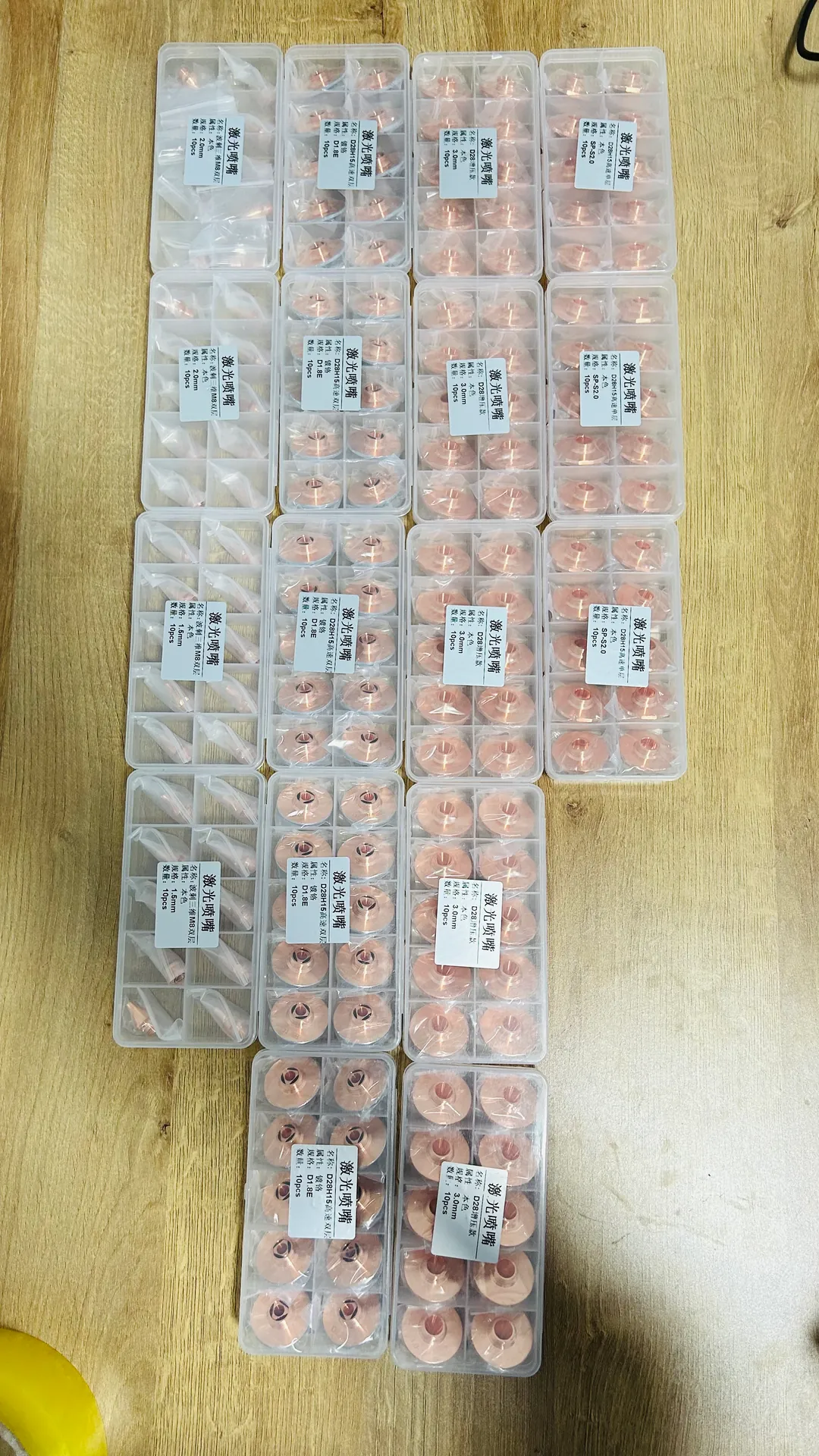
Assorted copper-colored laser cutting nozzles organized in labeled compartment boxes
Cutting nozzle assortment

Cutting head and process control

Focus position places the concentrated energy through the material; nozzle stand-off determines the distance between the nozzle and the sheet. An autofocus function changes the optical setting, while height following responds to the surface position. They solve different problems. Neither compensates for a nozzle damaged by a tipped part or a contaminated protective window.

A matched head package considers power, optical interface, cooling and the process-control functions required by the material mix. Accessible protective-window replacement and useful head-state information can make maintenance more predictable. Those functions are selected by head model rather than assumed from a general “autofocus” description.

Controlled piercing and lead-ins place the start of the cut where it will not spoil a critical edge. Path planning can also keep the head away from loose parts. These details matter most on a dense nest, where one unstable part can interrupt otherwise straightforward production.

Two stacked slatted cutting platforms within a laser machine exchange-table structure

Exchange-table productivity

An exchange table is useful when an operator or loading system can clear cut parts, remove the skeleton and place the next sheet during cutting. Dense nests of small parts may make sorting the limiting operation. Review the entire exchange cycle before choosing automation.

Close-up of interlocking serrated support slats on a laser cutting table

Why do small parts tip up during laser cutting?

A small part can lose support as its final contour separates, especially when its center of gravity lies between slats. The next head movement may then encounter a raised edge. A retained micro-joint can keep the part attached to the skeleton, but it also introduces a separation and finishing task. Slat placement, cutting order and retention therefore need to be chosen together. More nesting density is not always more usable output if it makes removal unreliable.

Technical Specifications

The following G-series references appear in the CHENDA catalog. They provide a starting point for size selection; confirm the current offered configuration before ordering.

CHENDA-branded enclosed sheet laser cutter with viewing windows and operator console
Catalog model Listed cutting area, mm Catalog laser-power range, kW Arrangement
CHD-G1530 1,500 × 3,000 1.5-6 Enclosed exchange table
CHD-G2040 2,000 × 4,000 1.5-6 Enclosed exchange table
CHD-G2060 2,000 × 6,000 1.5-6 Enclosed exchange table
CHD-G2560 2,500 × 6,000 1.5-6 Enclosed exchange table

These power ranges do not state the cutting thickness for every material. Request a material-specific recommendation that distinguishes normal production thickness from occasional maximum work.

Additional selection field Unit Confirm for the proposed machine
Working table load kg Sheet size, thickness and material density
Part tolerance mm Finished geometry, material condition and inspection method
Assist-gas demand bar and flow with stated reference conditions Pressure at the machine and required supply capacity
Installed electrical demand kW or kVA; V; Hz Machine, source, chiller and auxiliaries
Complete layout mm Table travel, doors, loading and service clearances

The wider catalog also includes H and W open-table directions, E open exchange tables, A compact precision formats and L large-format equipment. Request a separate specification when one of those arrangements better matches the work.

Metal sheet sample with a regular array of circular holes

How much laser power does a perforated panel need?

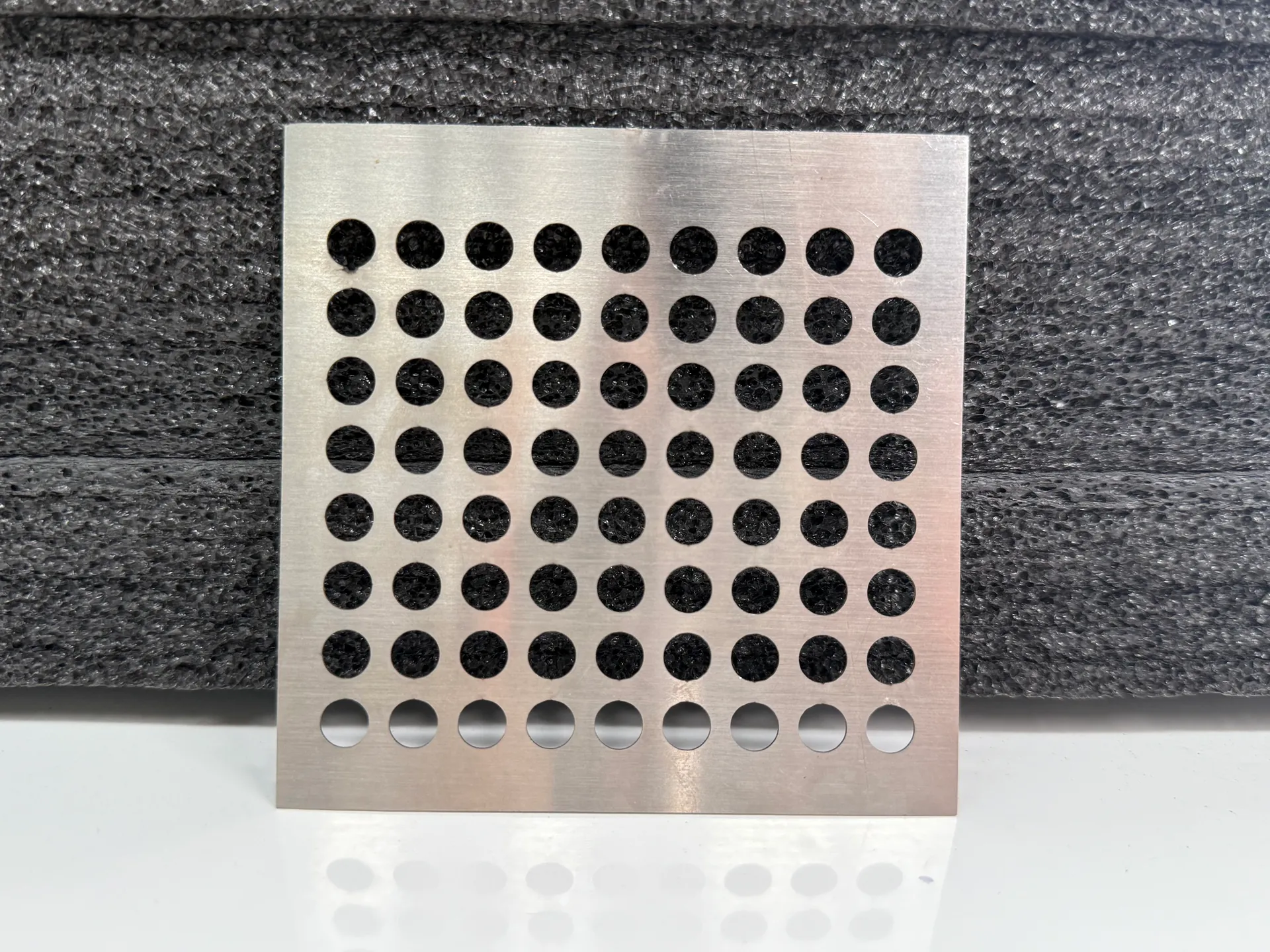
A perforated panel is a contour-density problem as well as a thickness problem. Each hole adds a start, short path and movement to the next feature. Higher available cutting power may shorten a straight edge while making much less difference to that repeated sequence. Evaluate the complete panel, including its narrow webs and final flatness, with a process that keeps acceptable hole quality. This is a better basis for power selection than extrapolating from a long straight cut.

Samples & Demonstration

From a flat pattern to an accepted part
Bent metal panel with floral cutouts across two adjoining faces

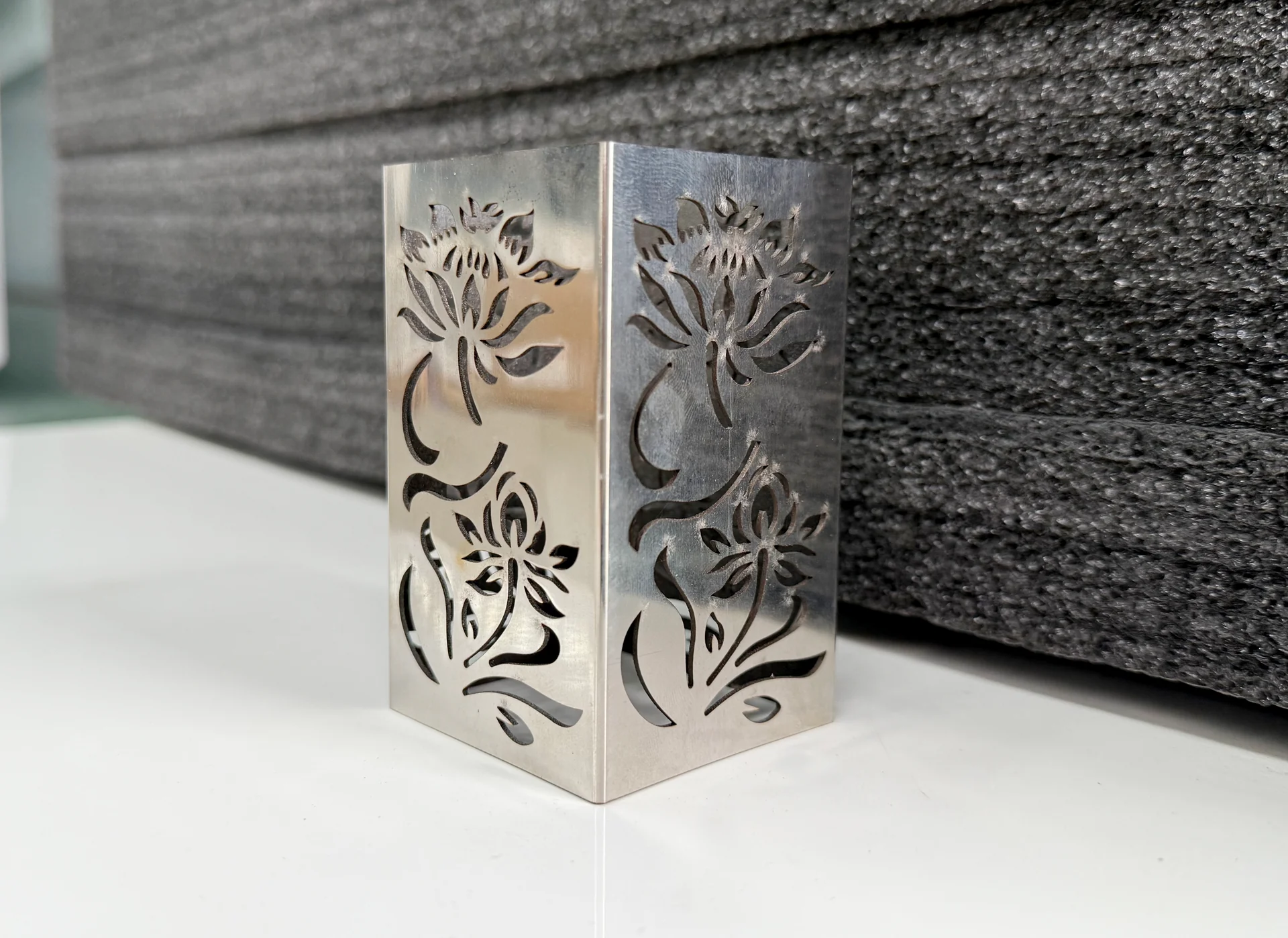
Evaluate a real blank with both functional and cosmetic requirements. A cabinet sample might combine a long outside edge, mounting holes, narrow slots and a visible face. A machine-component sample might emphasize a thicker edge, internal corners and the fit of mating holes.

Inspect top and bottom edges for dross, corner damage and start-point marks. Check the blank after removal from the nest, then verify that it feeds the intended bending or welding operation. A drawing tolerance should be assessed on the finished part, rather than inferred from a motion-system specification.

For repeat work, compare parts from different positions in the nest, including near the beginning and end of the cutting sequence. This exposes localized heat accumulation and part-support differences that one isolated coupon may miss. A bracket that measures correctly on the table but distorts after separation needs a different process discussion from a stable bracket with a dimensional offset. CHENDA’s quality-control framework connects these observations to an agreed acceptance record.

Configuration & Options

The proposal should name the laser source and output, cutting head, control and nesting package, cooling equipment and gas arrangement. Define the scope of extraction and guarding at the same time.

Depending on machine compatibility, discuss loading assistance, automatic sheet handling, storage interfaces, bevel cutting or coil-fed processing. Coil feeding is a separate line decision involving uncoiling, leveling and part discharge; it is not a universal add-on to a sheet table. The final equipment list should distinguish the base configuration from selected options.

For automatic sheet handling, reliable separation of individual sheets matters as much as lifting capacity. Oil films and tightly stacked blanks can cause two sheets to move together. The EA automation direction in the catalog describes multiple-sheet detection; its inclusion and operating range belong to the selected package. At the discharge end, moving a complete cut sheet is different from sorting individual finished parts. That distinction prevents an automatic loader from being mistaken for an unattended finished-part system.

BOCHU control module with labeled terminal wiring and input indicators
Control and wiring detail
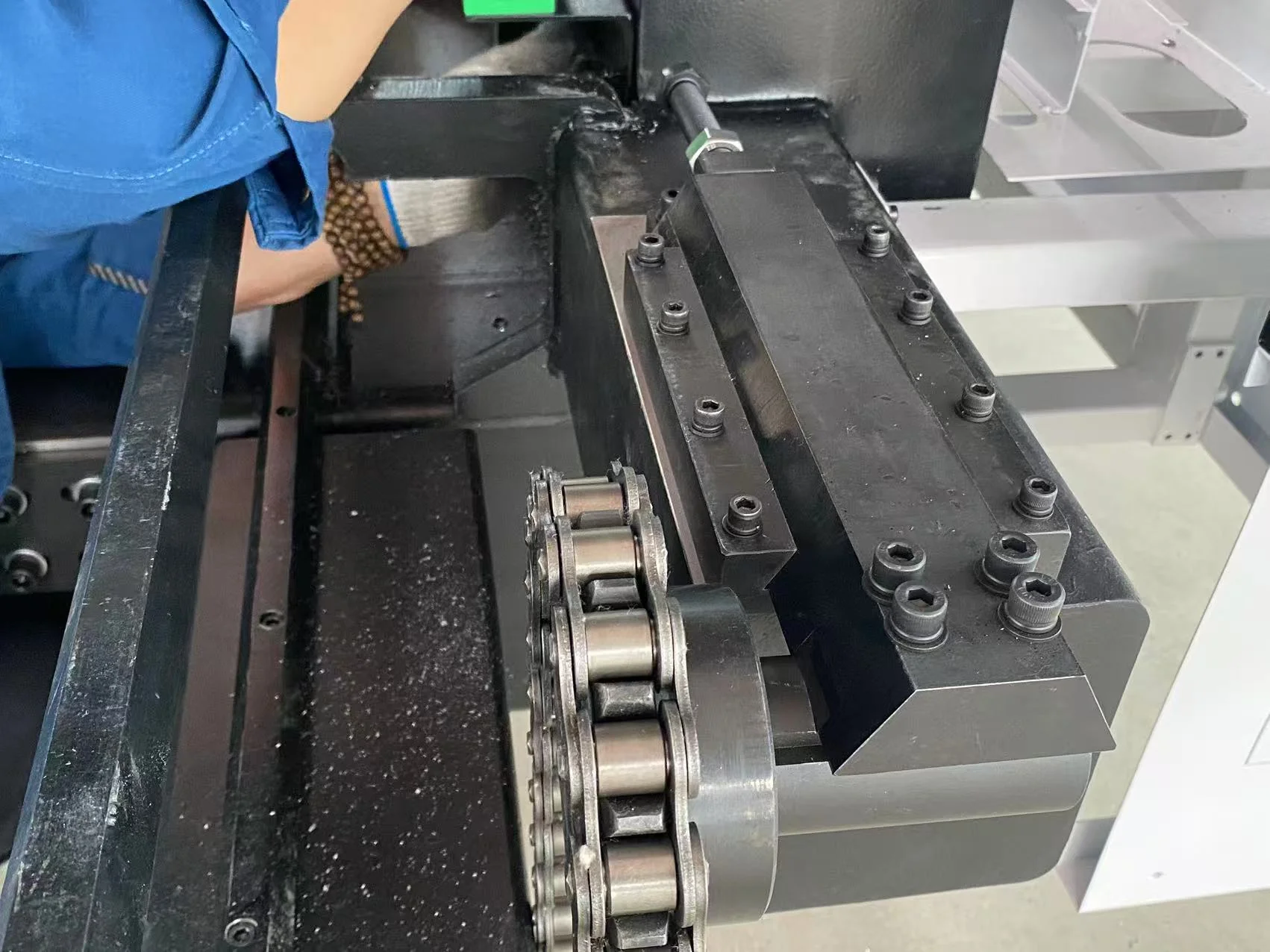
Close-up of a roller chain and bolted mechanism on a laser machine exchange-table assembly
Table drive detail

Applications & Workflow

In enclosure production, nesting is followed by part sorting, edge conditioning, bending and assembly. Keep part identification visible through that route. For stainless kitchen or furniture components, sheet handling and surface protection can be as important as cutting speed.

For heavier brackets and bases, decide whether the laser-cut edge is the final functional surface. Holes requiring a specified fit or surfaces needing machining allowance should be identified in the cutting drawing.

Painted metal filing cabinets with open drawers
Cabinet application · visual reference

Installation & Support

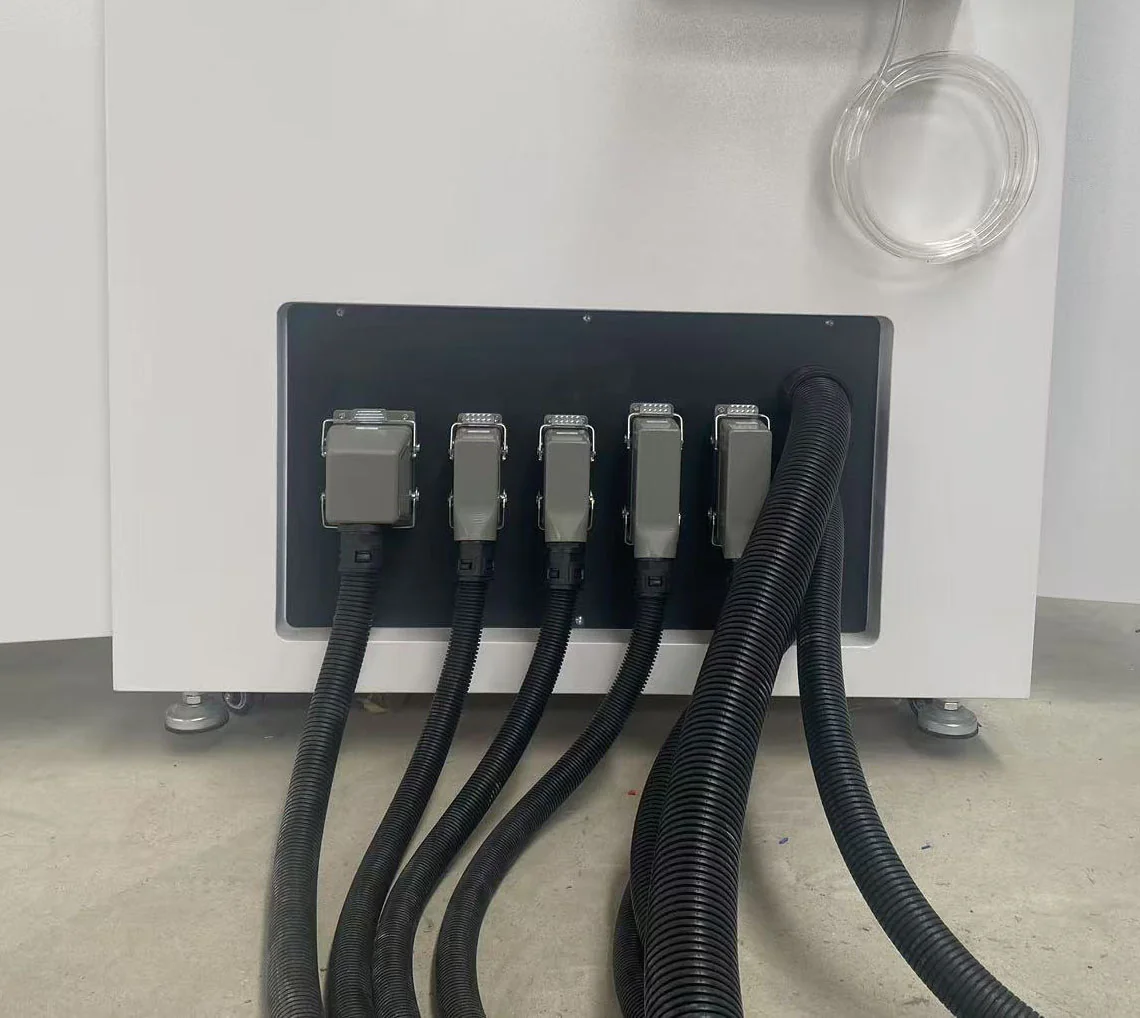
External electrical cabinet connectors with protective cable conduits

Allow access for sheet delivery and skeleton removal without blocking the exchange table. Locate extraction, cooling and gas equipment where operators can inspect them and maintenance staff can reach service points. The required floor and foundation conditions depend on the selected format.

Training should include sheet alignment, program checks, nozzle centering, protective-window inspection, slat care and recovery after a cut is interrupted. Prepare these topics through installation and training, with consumable identification handled through spare parts.

Pressure should be assessed while the required gas is flowing, not only when the machine is idle. A supply can show an acceptable static pressure yet fall short through undersized piping or restrictions. The machine, gas supplier and factory distribution therefore need one compatible operating requirement. For shipment planning, the production and delivery process also distinguishes machine modules from separately packed cooling, extraction and handling equipment.

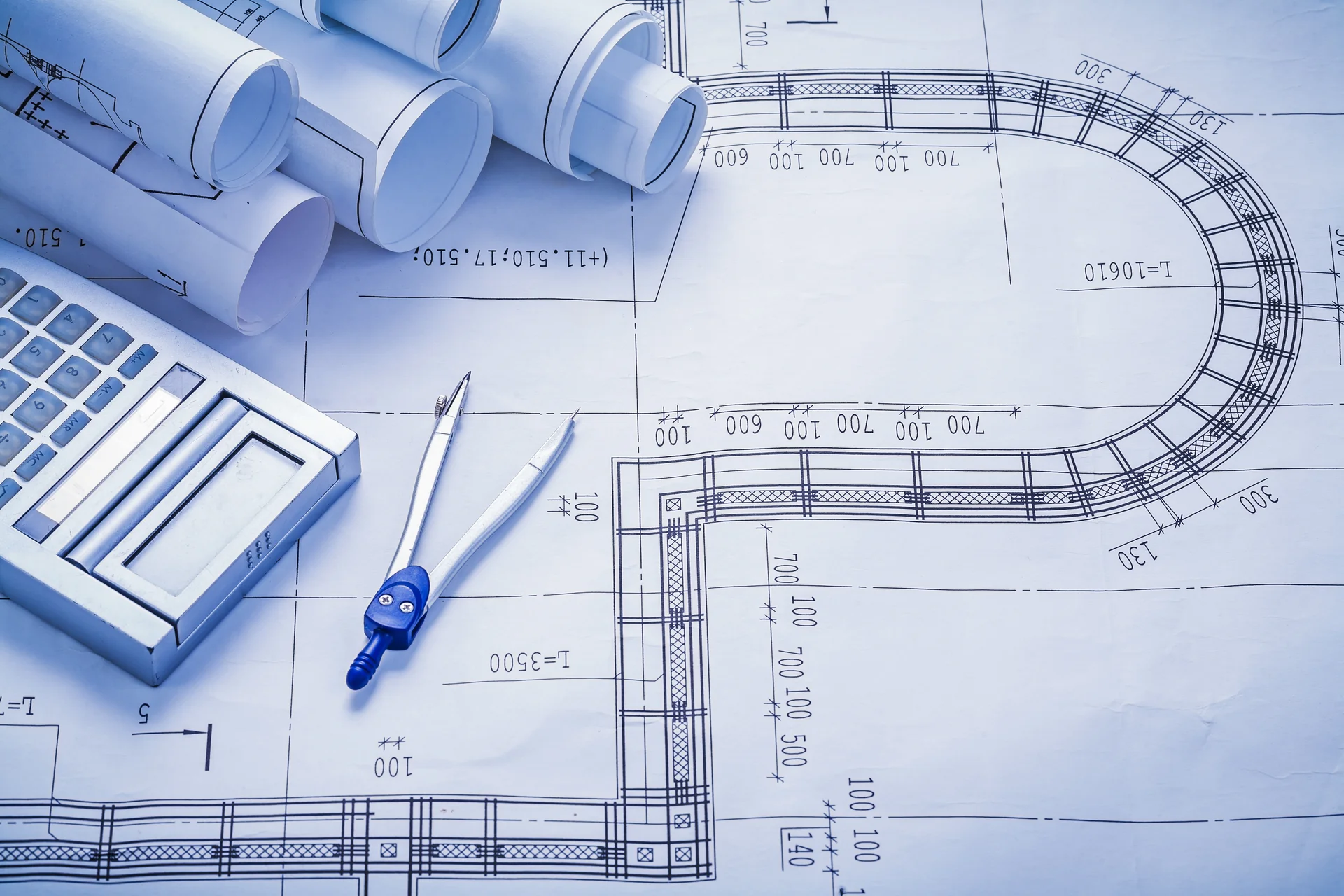
Technical drawings with a calculator and drafting compass
Drawing and specification review · reference

Technical Resources

Ask for the model datasheet, equipment list, layout and utility schedule. For production planning, request cutting examples using the intended gas and material, including the piercing and handling conditions used for any quoted cycle time.

Product FAQs

Metal cutting sample with round holes, a square opening, a star and narrow triangular cutouts
Two stacked slatted cutting platforms within a laser machine exchange-table structure

Is an exchange table worthwhile for small batches?

It can be, particularly when material changes and loading take significant time. The benefit is smaller if the next job is not programmed or operators cannot clear the spare table before the current nest finishes.

Metal sheet sample with a regular array of circular holes

Does higher laser power always improve thin-sheet output?

No. Small contours, frequent pierces, motion dynamics and part handling can dominate the cycle. Compare the time for your nest rather than a straight-line speed on another thickness.

Hand-held metal cutting sample with a row of long narrow slots

Can nitrogen cutting remove every finishing operation?

It can avoid the oxide associated with oxygen cutting, but burr, edge sharpness and surface requirements still need inspection. Coating or handling specifications may require further edge conditioning.

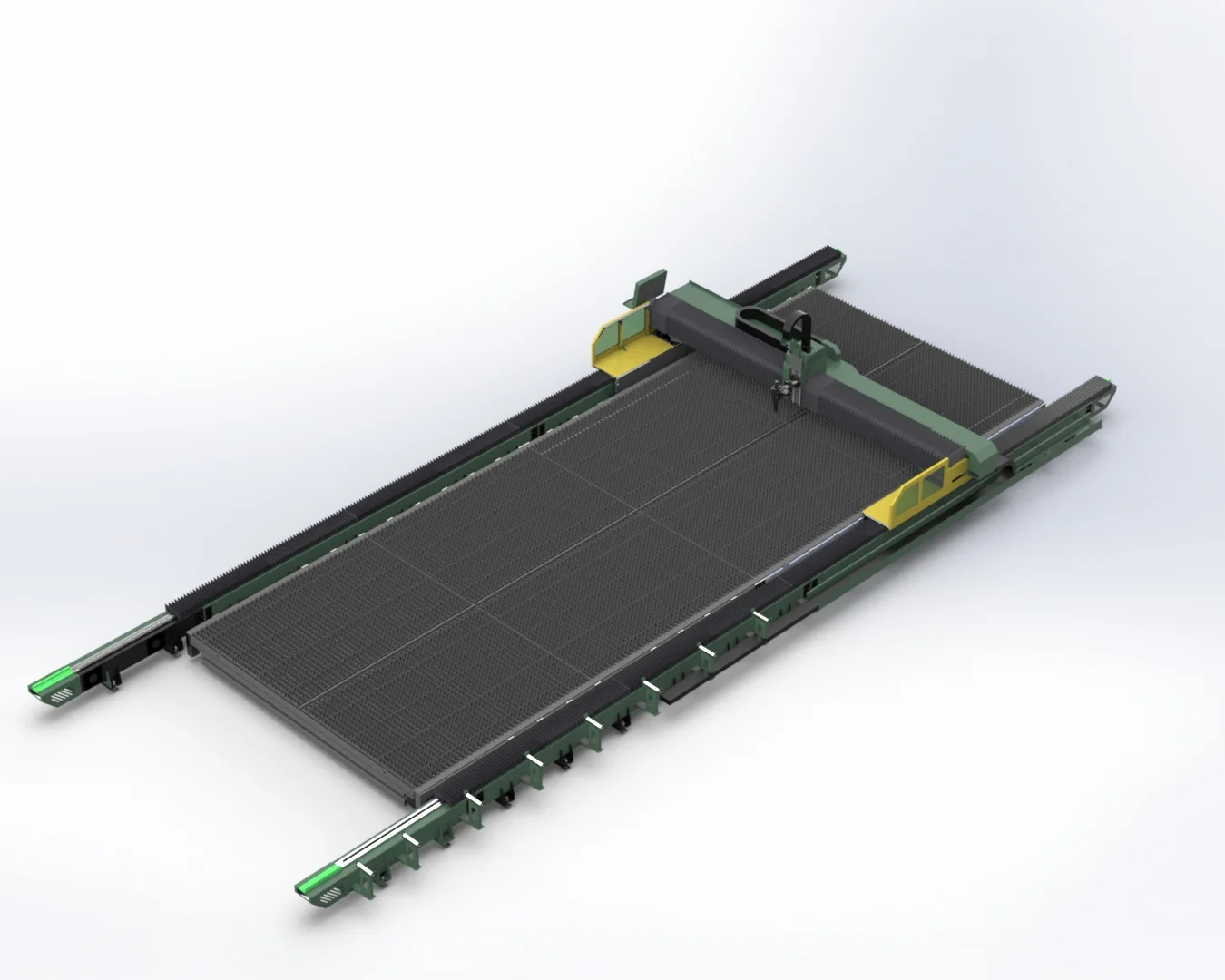
Large-format gantry laser cutting system over a long slatted table with floor-mounted rails

Should the machine match our largest rare sheet?

Compare the cost and handling implications with the work that occupies most shifts. A larger machine can add useful flexibility, but its footprint and material flow should remain practical for everyday batches.

Request a Quote

Send your sheet grades, sizes, thickness mix and a representative nest or set of flat patterns. Identify visible surfaces, critical holes, edge requirements and the next manufacturing operation. Include the number of shifts and available loading method so the proposal fits your workshop.

Hand-held metal cutting sample with a row of long narrow slots