Support / Service review

Warranty Assessment & Technical Service

Technician reviewing electrical equipment using a tablet; industry illustration
Equipment diagnosis · illustrative photograph

A technical support case and a warranty decision are related, but they are not the same. Technical diagnosis determines the affected function, probable cause, and safe corrective path. Warranty assessment then compares the diagnosed condition, machine identity, service history, and evidence with the terms confirmed for that order. A symptom, photo, or failed component by itself does not establish warranty coverage.

CHENDA does not publish a universal warranty period or blanket coverage statement on this page because equipment configurations, third-party components, destinations, and commercial terms differ. Use the quotation, contract, technical agreement, warranty document, component terms, and confirmed amendments for the machine in question.

What to Do When a Machine Stops or Behaves Abnormally

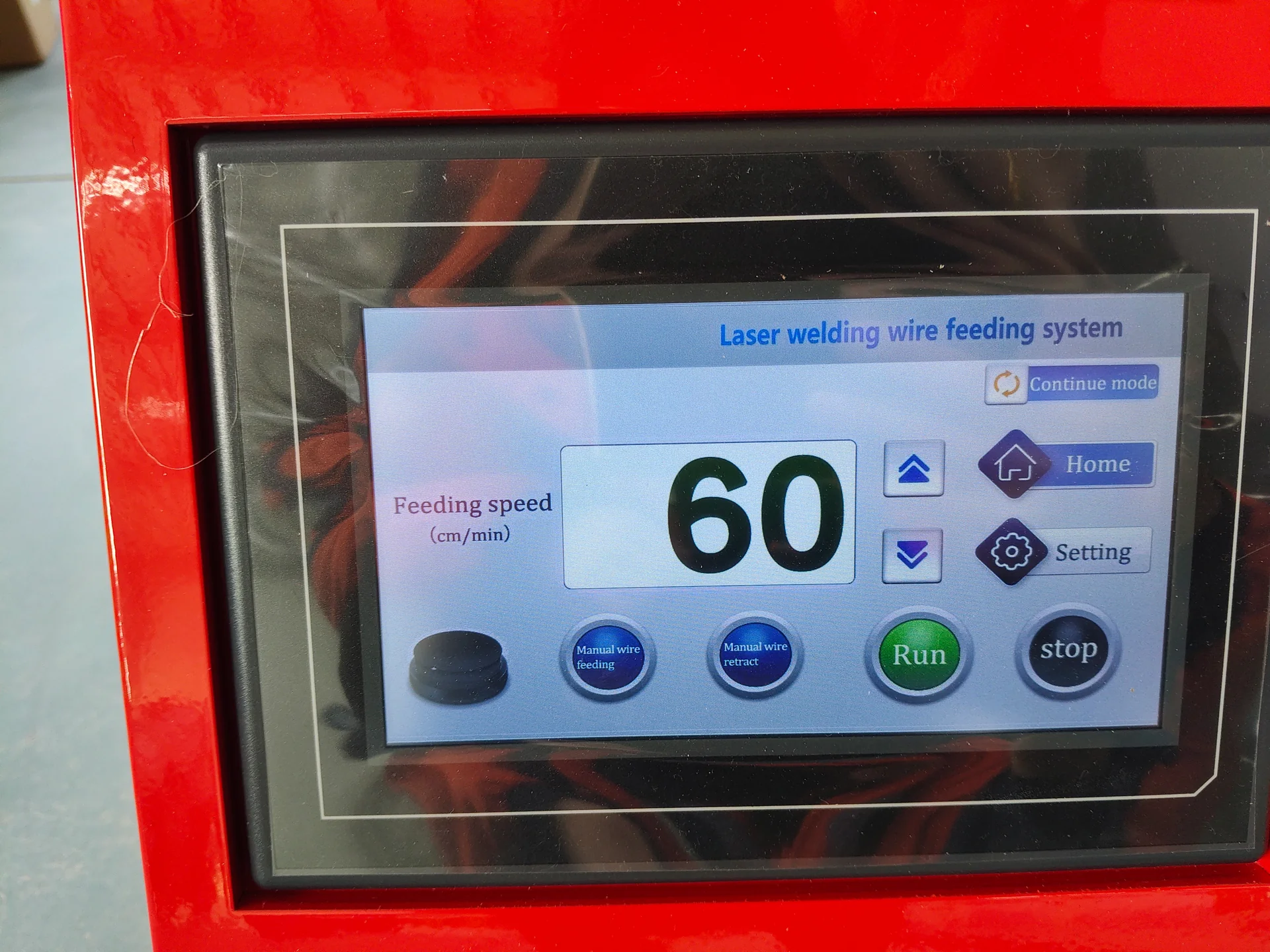
Wire feeder control display and machine settings
  1. Protect people and equipment. Stop the affected operation if continued use could create a hazard or worsen damage. Use normal emergency and isolation procedures where required.
  2. Preserve evidence. Photograph the full alarm, record the time and sequence, and save the program or parameters when it is safe to do so. Do not clear records simply to restart.
  3. Identify the machine. Capture the machine model, serial number, order reference, controller, software version, and labels on the affected component.
  4. Describe the operating condition. Include material, tooling, consumables, gas or air, cooling, program, load, ambient condition, and what changed before the issue.
  5. Report recent events. Mention maintenance, replacement, adjustment, collision, relocation, power interruption, utility fluctuation, software change, or unusual sound or smell.
  6. Request guidance. Send the evidence through Request Technical Support and keep the machine in a safe condition while the case is reviewed.

Do not bypass interlocks, guards, emergency circuits, door switches, pressure protection, grounding, alarms, or other safety functions for troubleshooting.

How a Service Case Is Diagnosed

The review normally moves from evidence to the smallest safe test that can separate possible causes. Depending on the equipment, the case may involve controller alarms, electrical supply, communication, sensors, drives, motion, laser source, cutting or welding head, chiller, extraction, compressed air or gas, hydraulic system, tooling, fixtures, consumables, software, or the processed material.

The service team may ask for an original photo or video, a label close-up, a cabinet overview, a parameter export, a multimeter reading by a qualified technician, a controlled no-load check, or confirmation of maintenance status. A requested check is not permission to enter a hazardous area or perform work outside the person’s competence.

When a remote check cannot establish the cause, the next step may involve additional diagnosis, part substitution, repair, or another service arrangement. Availability, cost, travel, freight, and responsibilities are confirmed for the individual case; this page does not promise a response or completion time.

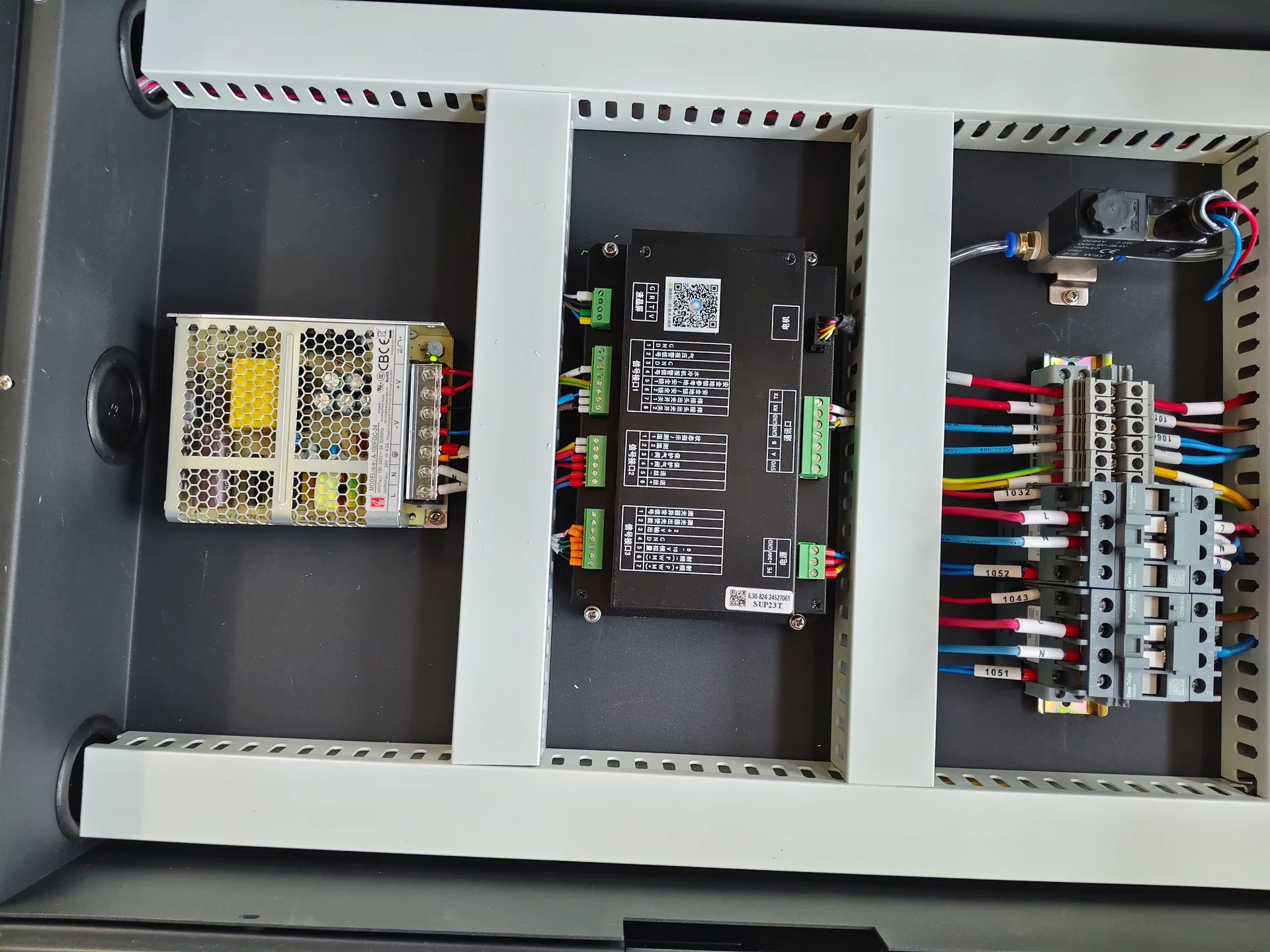
Equipment control cabinet wiring and components
Assembly and connection context
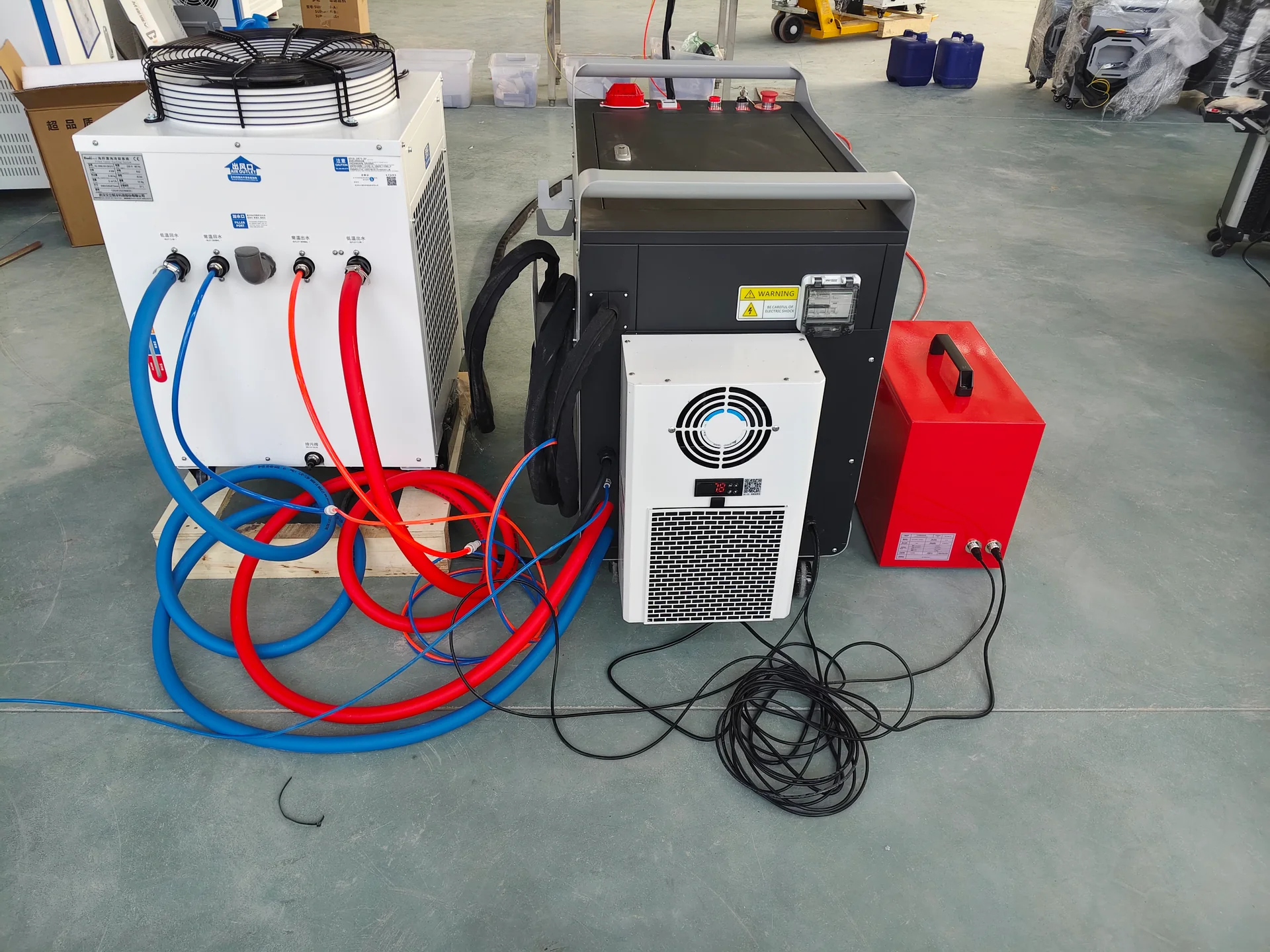
Welding equipment cooling and utility connections
Process utilities and auxiliaries

How Warranty Coverage Is Determined

A warranty review needs a complete record:

Signing an order-related document; illustrative reference
Order-specific written terms · reference
  • Machine model, serial number, installation site, and order or invoice reference
  • Applicable warranty and technical documents
  • Affected component name, manufacturer label, part number, and serial number if present
  • Failure date, operating hours or usage history when available, and symptom chronology
  • Alarm logs, photographs, video, test results, and diagnostic findings
  • Maintenance, consumable, repair, and replacement history
  • Evidence of utility conditions, environment, material, tooling, and operating parameters when relevant
  • Any earlier service communication about the same symptom

The review considers what failed, why it failed, whether the item and condition fall within the confirmed terms, and which responsibilities apply. Consumables, wear items, maintenance-related conditions, external utilities, transport events, unauthorized changes, accidental damage, and third-party components may be treated differently, but the actual decision must follow the documents and evidence for the order.

Do not dispose of the affected part or remove labels unless instructed. A returned-part inspection may be relevant to the technical or commercial decision. Return authorization, destination, packaging, freight, and ownership should be agreed before shipping anything.

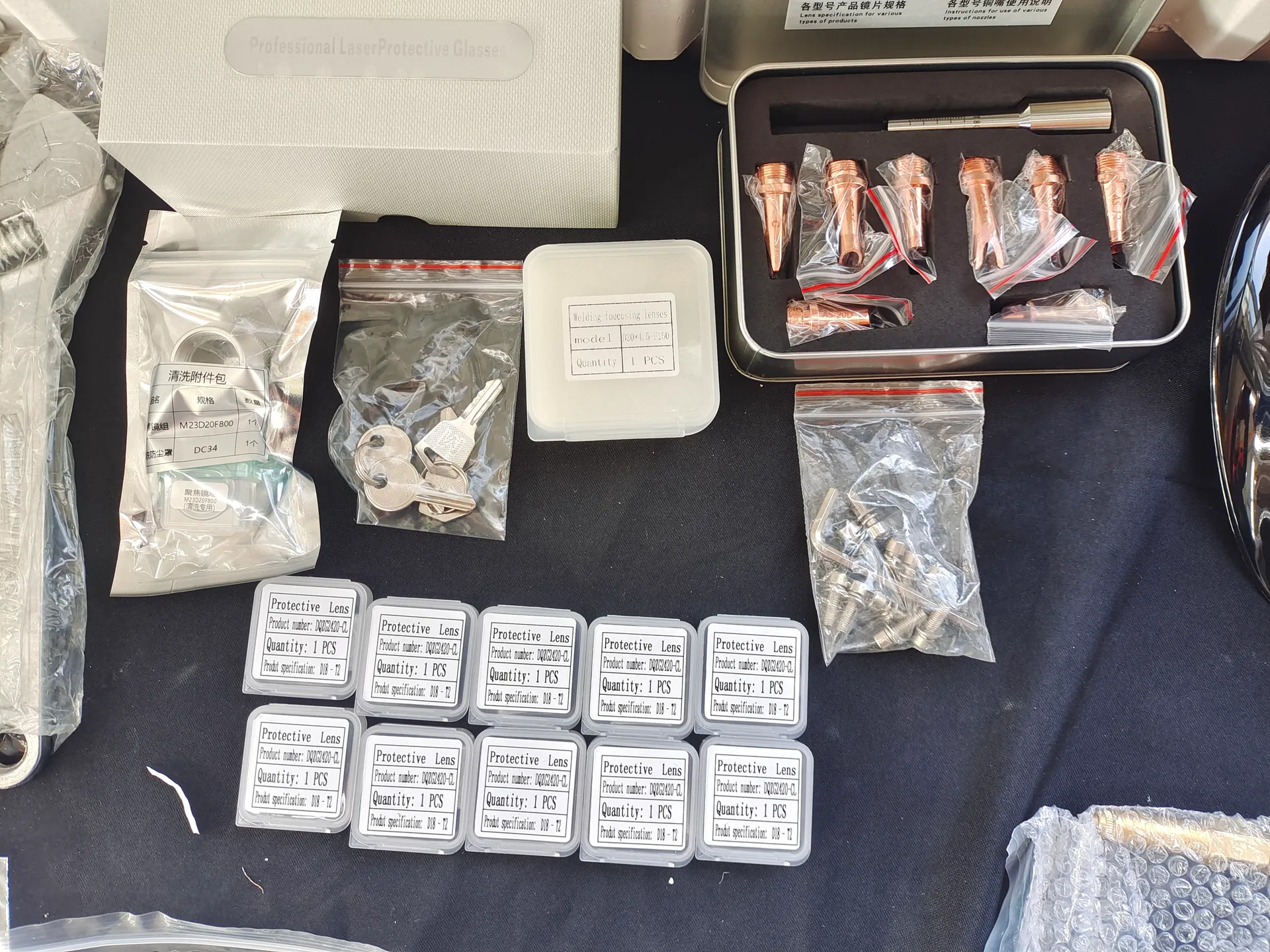
Welding nozzles and optical consumables with accessory packages
Process consumables and replacement identification

Preventive Maintenance Is Service Evidence

Maintenance records are useful for reliability and diagnosis. Record inspections, cleaning, lubrication, filter changes, optical consumables, coolant or water condition, extraction service, tooling checks, hydraulic care, backups, alarm history, and replaced components as applicable. Include date, machine hours if available, action, part used, and person responsible.

Repeated alarms deserve root-cause review. Replacing the same fuse, sensor, lens, filter, nozzle, belt, seal, or other item without understanding the cause can conceal an electrical, environmental, alignment, contamination, parameter, or handling problem.

For the correct maintenance intervals and procedures, use the delivered machine manual and component documents. General internet schedules should not override the instructions for the installed configuration.

Common Warranty and Service Questions

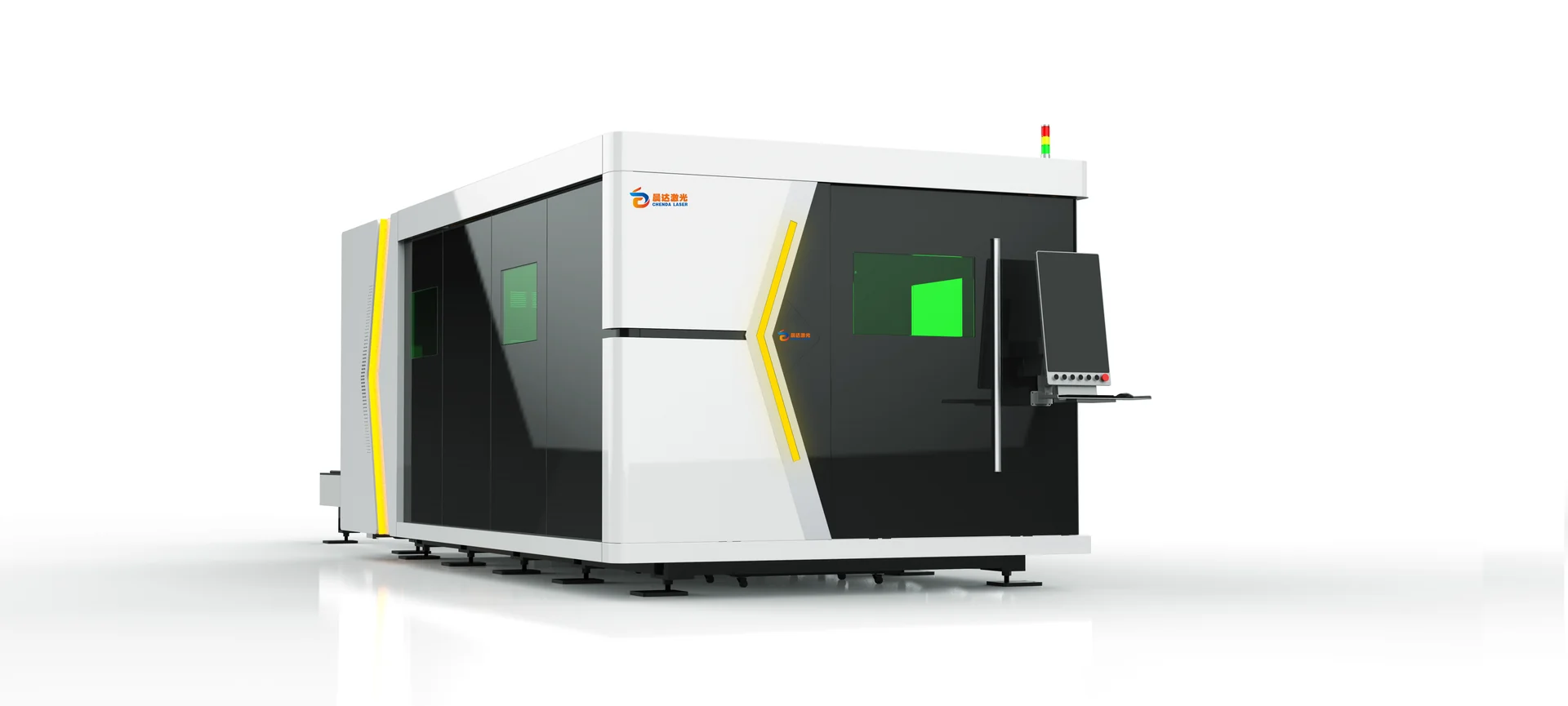
CHENDA enclosed laser cutting equipment

Does an alarm mean the machine has a warranty fault?

No. An alarm identifies a detected condition. Diagnosis is required to determine whether the cause is a component failure, utility problem, process condition, maintenance issue, setting, communication fault, or another event. Coverage is assessed after the cause and applicable terms are reviewed.

Can we buy a replacement before diagnosis is complete?

You can request a quotation, but accurate identification and diagnosis reduce the risk of ordering the wrong revision or replacing a part that did not cause the fault. See Spare Parts.

Will opening a cabinet or changing a parameter affect support?

It can affect safety, evidence, settings, and possibly the warranty assessment. Follow the manual and service instructions. Restricted electrical, optical, software, or safety changes should be made only by authorized or qualified personnel.

What if the order documents are not available?

Send the machine model, serial number, company and site, supplier reference, installation date if known, and photographs of the nameplate and affected component. CHENDA can use these identifiers to locate the relevant project information where available.

For operating questions, review the Technical FAQs. To open a case, submit a support request. For non-service enquiries, contact CHENDA.