
Why does this archive contain only verified news?
Because undated or invented updates damage trust and can mislead buyers. Articles are added only when there is a verified event, update, or technical subject worth preserving.
This page is the long-term information center for CHENDA product updates, technical notes, exhibitions, demonstrations, and post-event reviews. It gives customers, partners, and media a clear record of what was announced, when it was valid, and where to request the current status.
No exhibition date, booth number, product release, partnership, award, certification, expansion, or customer result will be published here until the relevant facts have been checked. When there is no verified announcement ready for release, the page remains an editorial index rather than filling the archive with invented news.
Each content type has a different evidence requirement and a different useful life. Clear labels help a reader distinguish a time-sensitive announcement from a technical reference.
| Content type | Typical scope | Minimum publication information | Follow-up expectation |
|---|---|---|---|
| Product update | New or revised machine category, option, control, process, or documentation | Release date, affected product scope, availability status, and verified source | Revision note if scope or availability changes |
| Technical note | Application method, selection principle, maintenance lesson, or test explanation | Author or reviewing function, publication date, technical boundary, and related machine category | Update when advice, documentation, or applicable range changes |
| Event announcement | Exhibition, open house, webinar, demonstration, or training session | Official event name, organizer source, venue, exact dates, CHENDA participation status, and contact route | Correction or cancellation notice when required |
| Event review | What was demonstrated, discussed, or learned after an event | Actual attendance context, dated media, reviewed observations, and links to relevant resources | Separation of observations from product claims |
| Company notice | Operational, service, contact, holiday, or policy information relevant to customers | Effective date, responsible contact, geographic scope, and expiry date where applicable | Archive or replacement when no longer current |
| Media release | A verified company announcement prepared for external reporting | Named media contact, fact sheet references, approved quotation, and release date | Corrections logged visibly |
This structure keeps time-sensitive information from becoming an undated claim. It also helps a buyer understand whether an article describes a current commercial option, a past event, or a general technical principle.

Every article should display a publication date and, when edited materially, a “last reviewed” date. The date describes the state of the information; it is not decorative metadata.
Product and service announcements will use status language such as announced, available for project review, available in specified markets, superseded, or archived. Availability will not be implied across all regions when electrical standards, logistics, documentation, local rules, or service arrangements still require confirmation.
Corrections will be added to the article rather than silently changing a material fact. Minor grammar or formatting edits do not require a change log. A correction to a date, location, configuration, claim, quotation, or participation status does. When an older article is kept for reference, it should link to the current page or state that readers must reconfirm availability.
For purchasing decisions, always use the current quotation, confirmed technical agreement, and project documents. A dated news article cannot replace those records.
Event details can change after an initial announcement. Before CHENDA publishes an exhibition or demonstration notice, the editorial check should confirm:
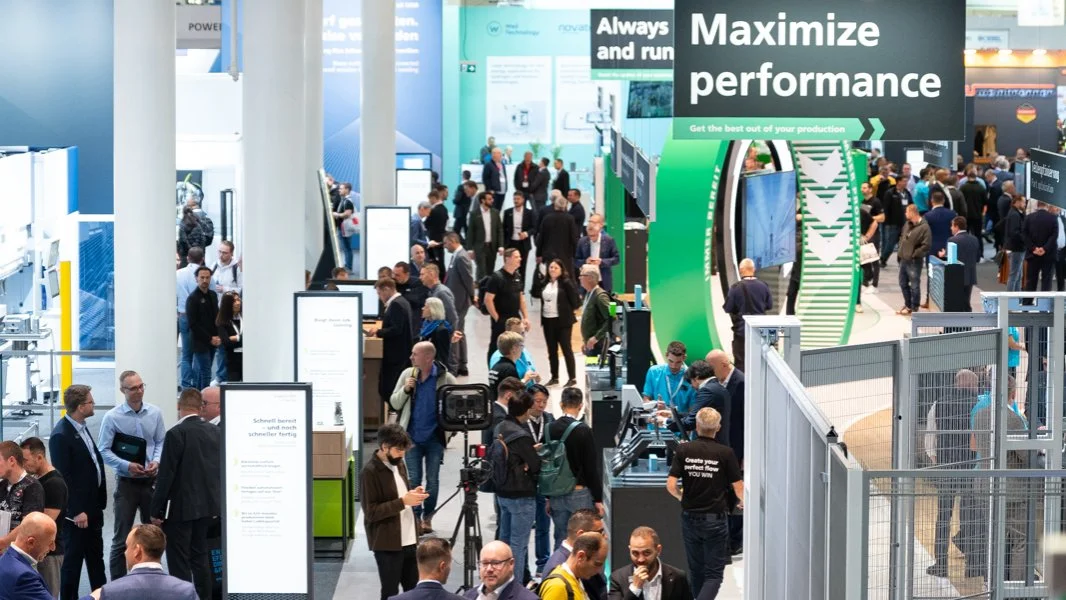
An announcement will link to the official organizer page when available. If participation or booth information cannot be confirmed, it will not be published as settled fact. If an event changes, the notice will be updated with a visible correction. Customers planning travel should independently confirm venue and schedule details with the organizer before booking.
After an event, the review reports what actually occurred. Plans or expectations must not be rewritten as completed results.
A useful product update explains the decision impact. It should state which machine family or application is affected, whether the change is standard or optional, what problem it addresses, and what existing documentation is replaced. Where appropriate, it should also identify the material or operating limits that still require application testing.
Buyers should be able to move from an update to a durable resource: a product page, buying guide, catalog, machine video, support note, or quotation request. This internal path is more useful than an isolated announcement that cannot be evaluated.

Technical notes translate recurring questions into reusable guidance. Suitable topics include how to prepare sample materials, define acceptance criteria, compare machine configurations, plan utilities, manage consumables, document maintenance, or diagnose a process symptom. A note should identify who it is for, the machine or process boundary, required inputs, and conditions that need escalation to a technician.
Safety-critical work, machine modification, electrical intervention, or work that may affect warranty should not be reduced to a generic article. Such notes direct readers to the machine manual and support team.
Field observations may be published when they are generalized without exposing customer information and when the technical context is sufficient. They will be presented as lessons or diagnostic paths, not as invented customer stories.
An event announcement and an event review serve different purposes. The announcement tells a visitor what is planned, how to verify the schedule, and how to arrange a meeting or sample discussion. The review records the actual subjects demonstrated and makes the useful information available to people who could not attend.
For machine demonstrations, an advance notice may request drawings, materials, thicknesses, expected quality, and planned downstream processes. That allows the technical team to decide whether a live test is appropriate and what can be observed. A post-event article may then link to an approved video, test description, or buying guide, while clearly identifying whether footage shows a demonstration sample or routine production.
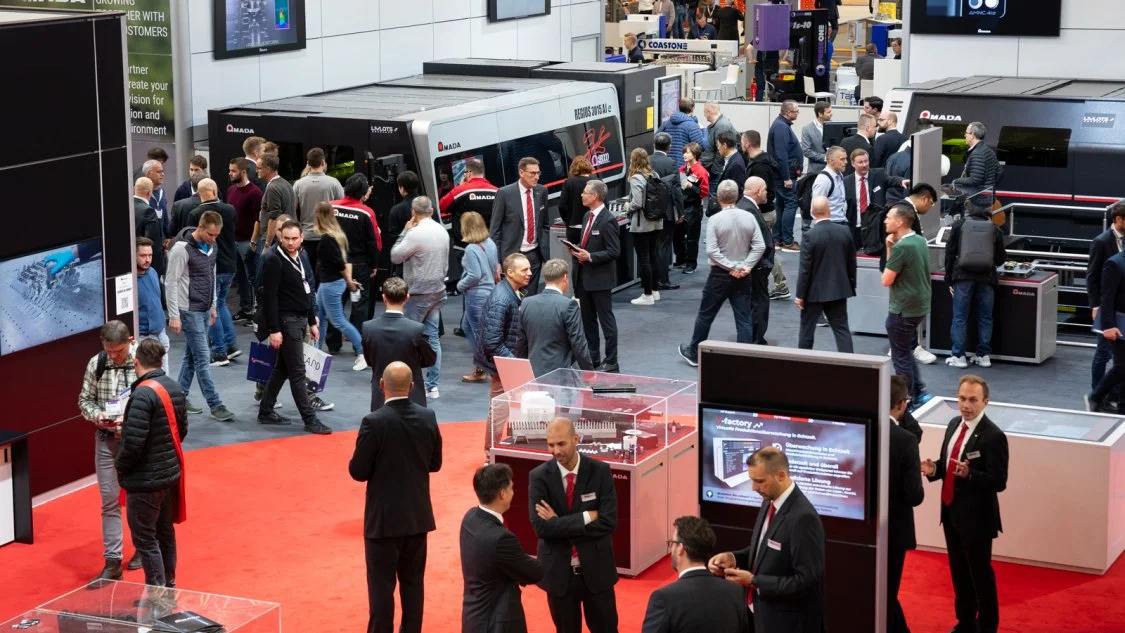

Journalists, event organizers, distributors, and industry partners may request a current company description, approved images, product background, or an authorized quotation. Please state the publication or organization, subject, intended use, deadline, required image rights, and the facts you need confirmed.
Customer names, logos, factory photographs, and project details require the relevant permission. Contact us for a current, reviewed company description rather than relying on older listings.
If a public email update or subscription service becomes available, its scope and privacy terms will be stated here before any address is collected. Until then, use the contact page and specify the topics you want to follow—for example, product documentation, a machine category, service notices, or a particular event. We will respond through the available contact route; submitting an inquiry does not enroll you in an undisclosed mailing list.
For urgent service matters, use the support request page rather than waiting for a news update. For a purchasing decision, request a current technical and commercial proposal.

Because undated or invented updates damage trust and can mislead buyers. Articles are added only when there is a verified event, update, or technical subject worth preserving.
No. Use the article for background, then confirm the current configuration, availability, documentation, and destination requirements in the quotation and technical agreement.
Check the linked organizer source and the “last reviewed” date on the CHENDA notice. Reconfirm with the organizer before making travel commitments.
Yes. Material changes to dates, venues, participation status, product scope, or quoted facts should be identified in a correction or revision note.
Use the contact page with the proposed topic, source documents, relevant dates, publishing rights, and your contact information. Submission does not guarantee publication.