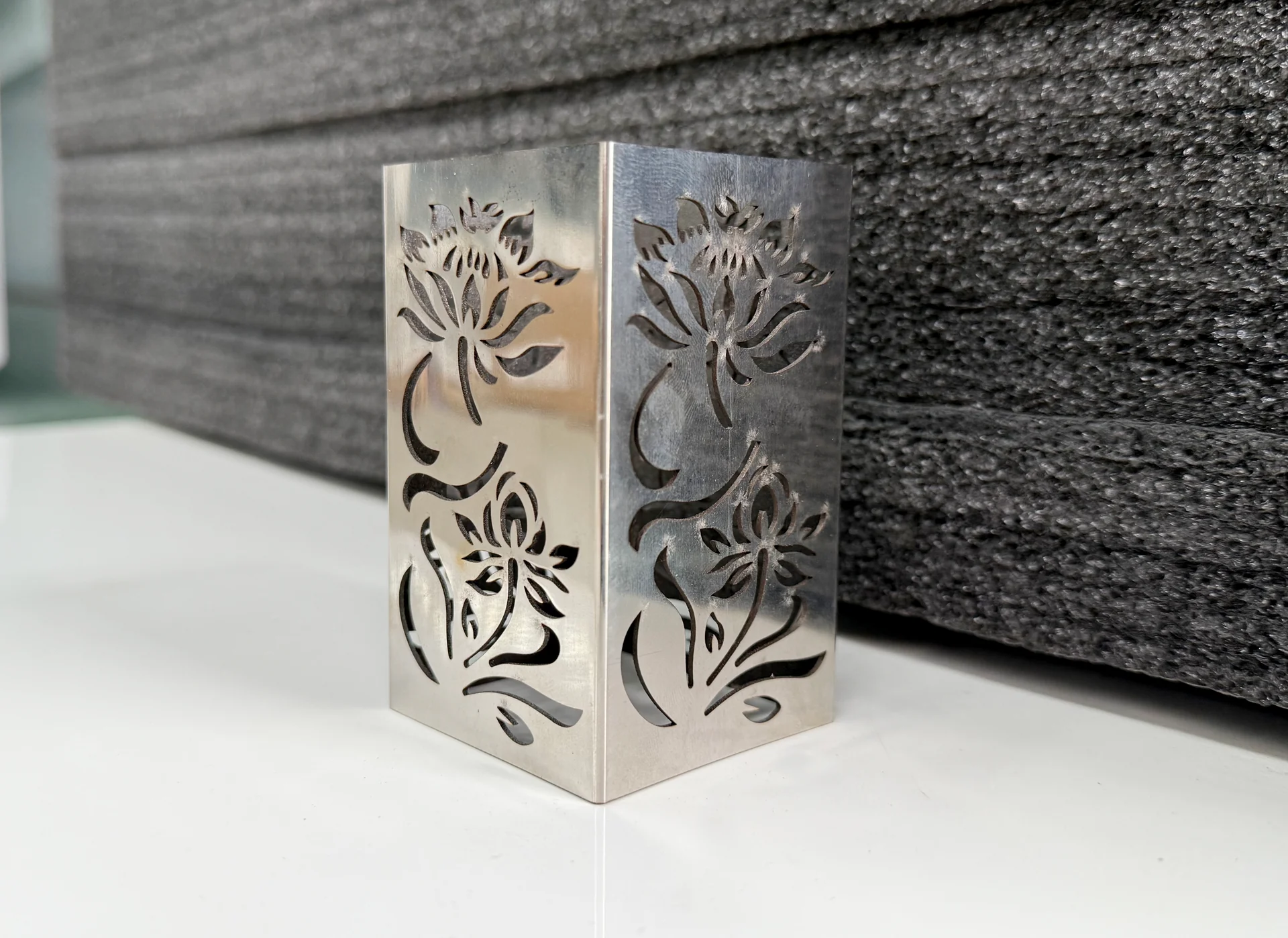
Metal machining with a stream of cutting sparks

CHENDA · Manufacturing applications

Equipment for Sheet Metal Fabrication

Sheet metal fabrication converts flat stock into finished components through a connected sequence of cutting, edge preparation, bending, joining and inspection. The best equipment plan starts with the complete route. A faster laser will not solve a bend collision, a variable weld gap or a deburring bottleneck.

Explore the production route
CUT · FORM · JOIN · INSPECT

CHENDA can discuss sheet metal laser cutting, press brakes, deburring and finishing, welding systems, cleaning and marking as one production chain. The correct combination depends on the part family and its handoffs.

01 / Start with the workpiece

Typical Parts and Materials

The route applies to panels, brackets, bases, guards, electrical enclosures, cabinets, machine covers, frames, ducts, shelves and welded assemblies. Common metals include carbon steel, stainless steel, galvanized sheet and aluminum, but grade, coating, flatness and surface protection can change the process.

Record the minimum, normal and maximum thickness. Also identify material that represents most production. Selecting every machine around a rare maximum can increase capital cost and reduce efficiency on normal work.

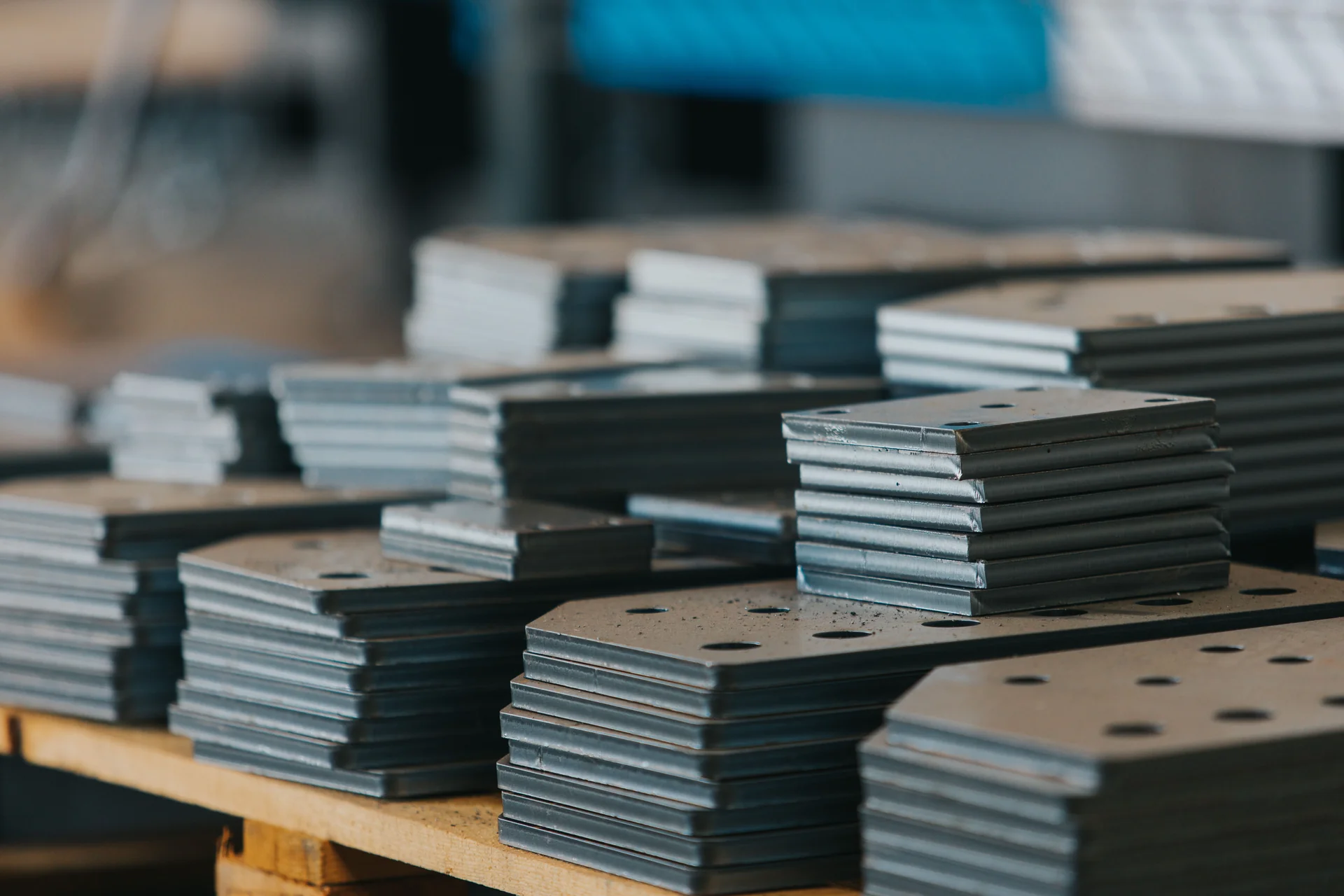
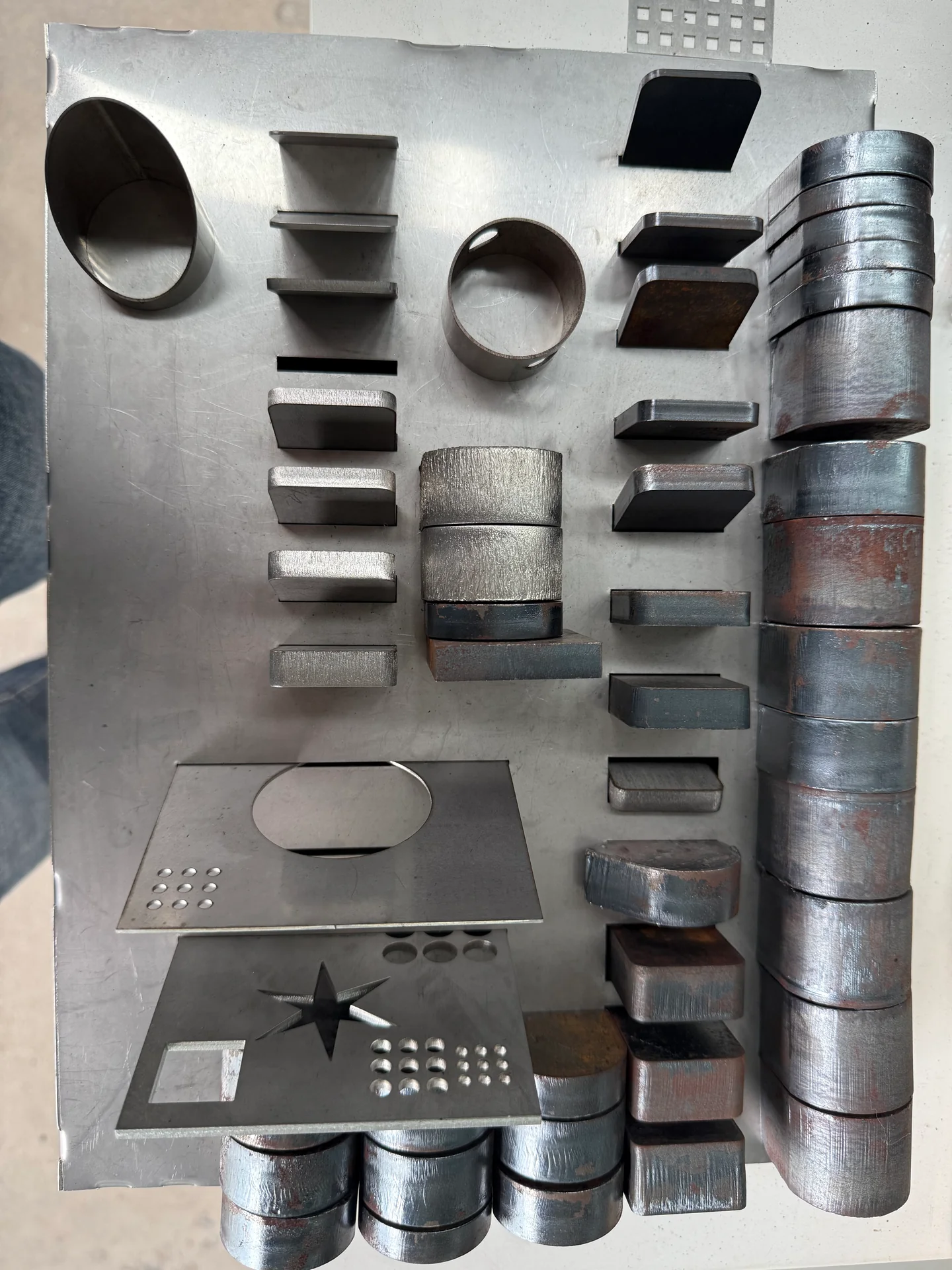
Stacks of profiled metal plates with holes and repeated shapes
Plate components · holes, profiles and material handling

Important part features include:

  • Small holes and narrow webs
  • Dense nests and many pierces
  • Tabs, slots and locating features used in assembly
  • Short flanges or deep boxes that constrain tooling
  • Visible surfaces that must remain free from scratches
  • Long bends that amplify material and machine variation
  • Welded corners or seams where cut and bend accuracy control the gap
  • Parts that require safe, rounded edges before handling or coating

02 / A connected production route

Process Map From Drawing to Finished Part

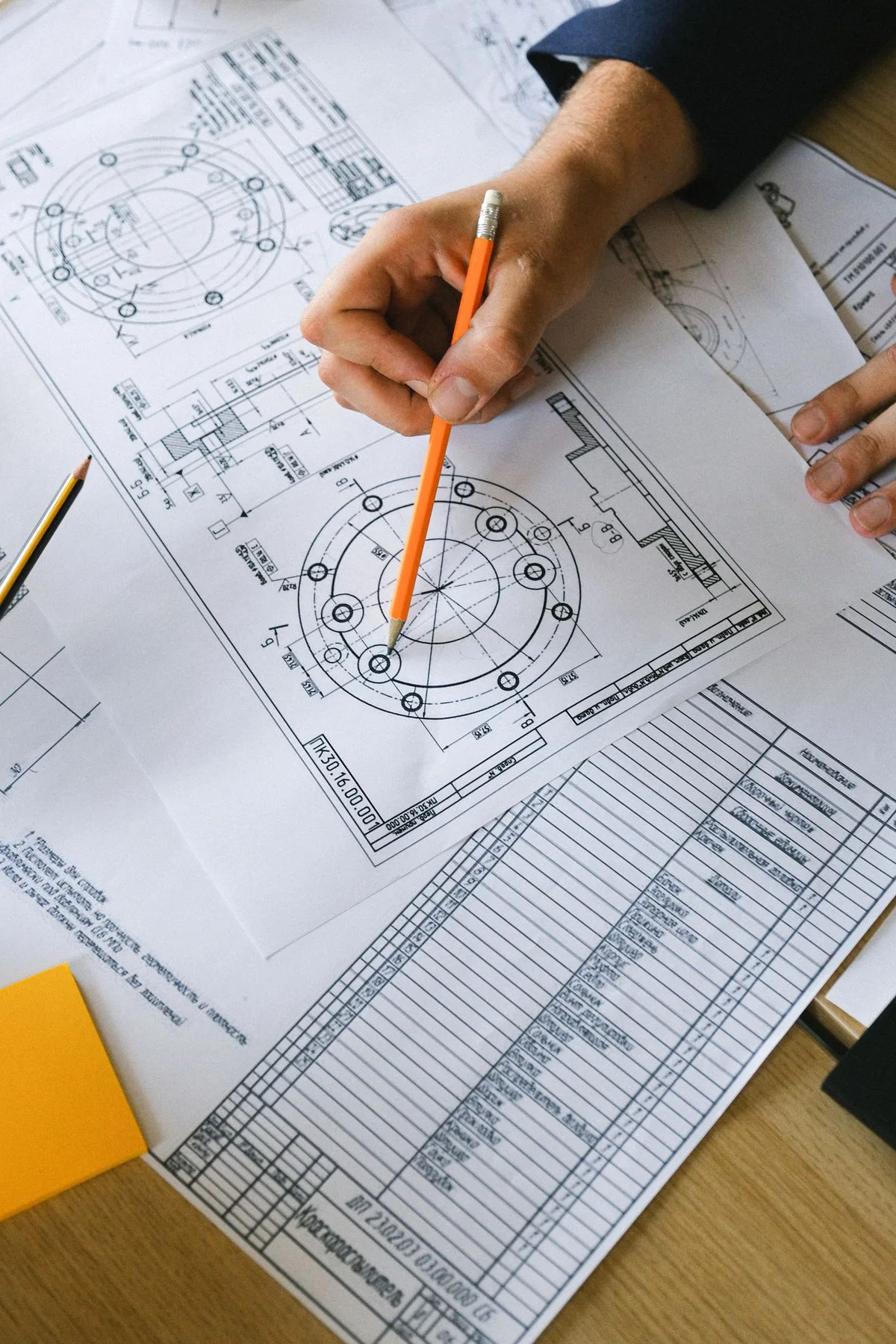
Hand checking a dimensioned mechanical drawing with a pencil
Mechanical drawing review · industry illustration
01

Drawing and nesting

Confirm units, bend deductions, revision and material before nesting. Separate geometry that belongs to the flat pattern from features created later. Use part identification when similar shapes or revisions could be mixed after cutting.

02

Laser cutting

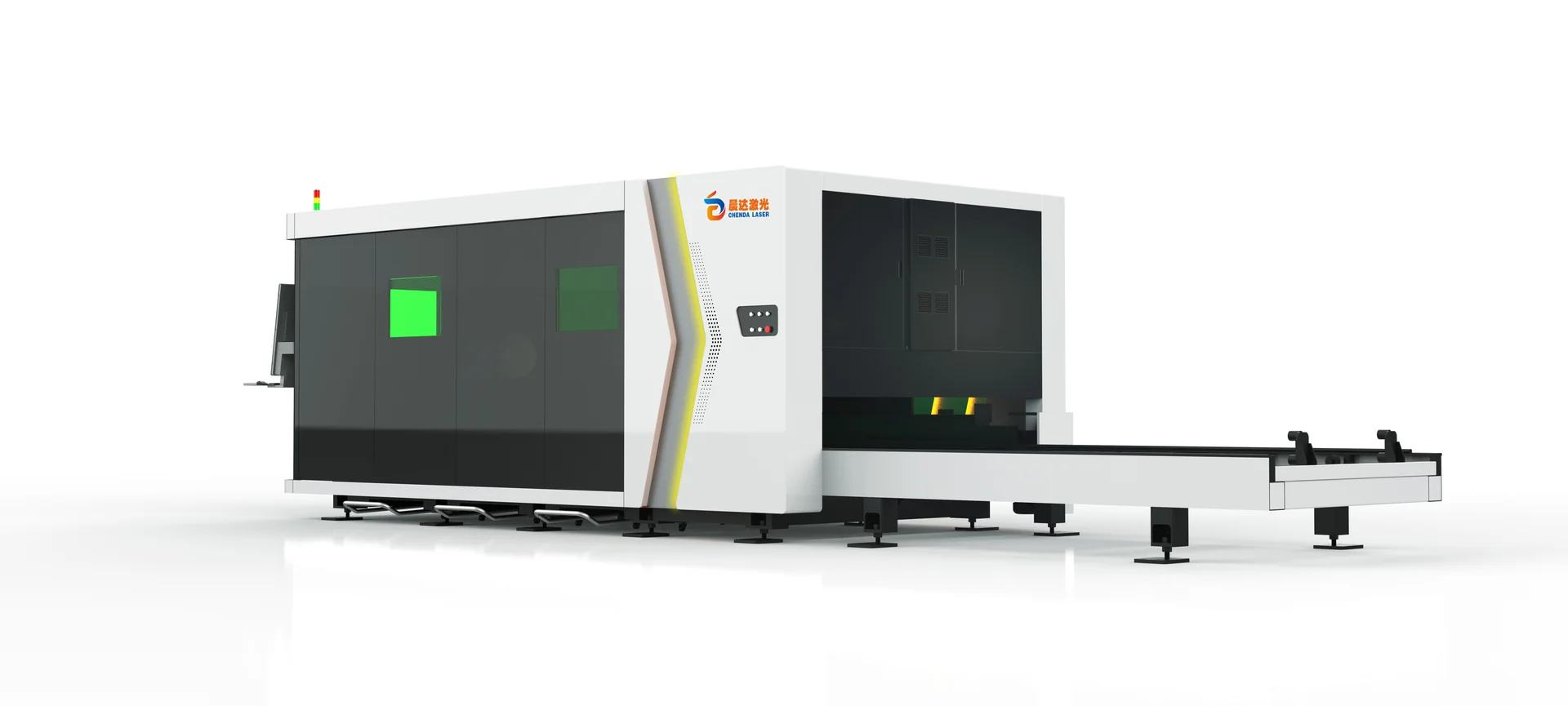
The laser creates the flat blank and most programmable internal features. Machine selection should address sheet format, thickness, material, part mix, edge requirement, assist gas, extraction and handling. The CHENDA source range includes open single-table directions, open exchange tables, enclosed exchange tables, precision formats, large-format beds, sheet automation and coil-fed lines.

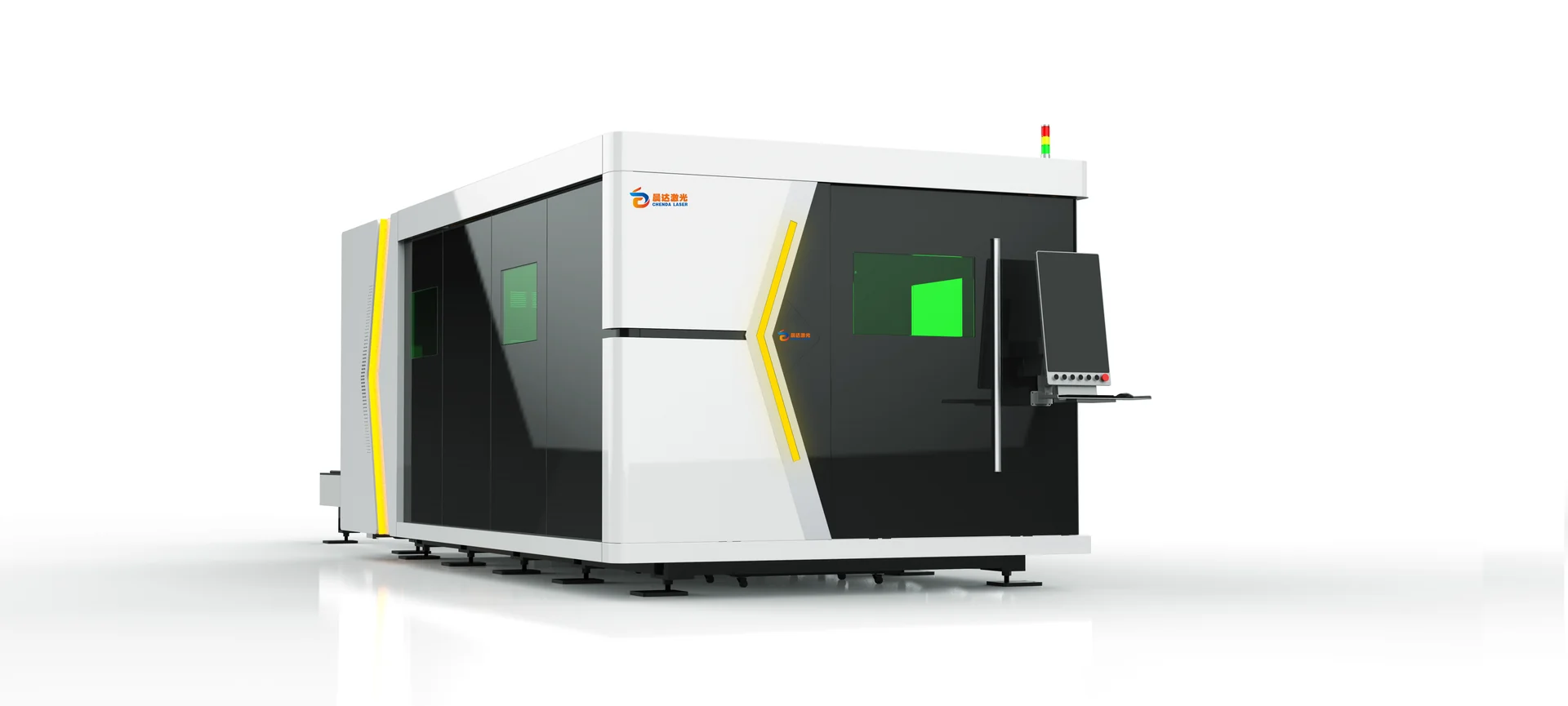
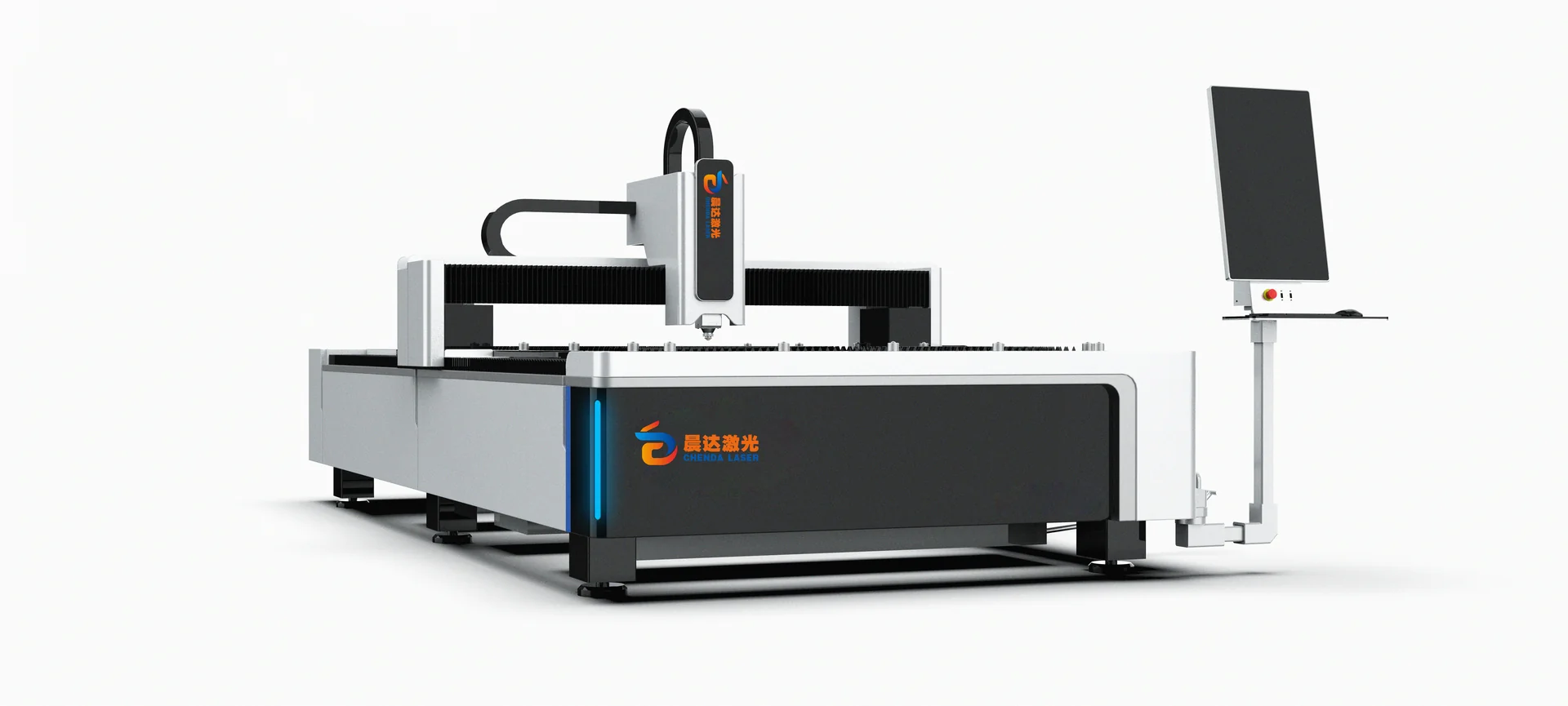
CHENDA enclosed sheet metal laser cutting machine, configuration rendering
CHENDA enclosed sheet laser · configuration illustration

An open machine gives direct access and can suit varied workshop loading. An enclosed machine can improve separation of the laser process and support controlled extraction, subject to the final safety design. Exchange tables reduce non-cutting time when the loading and unloading rhythm can keep pace. Automation is most valuable when sheet sizes, stacks, schedules and downstream sorting are sufficiently controlled.

For repeated parts from thin coil, an uncoiling, leveling and cutting line may reduce manual sheet handling. The material range, coil mass, flatness, stress release and unloading method must be validated. Coil processing should not be chosen only because production volume is high.

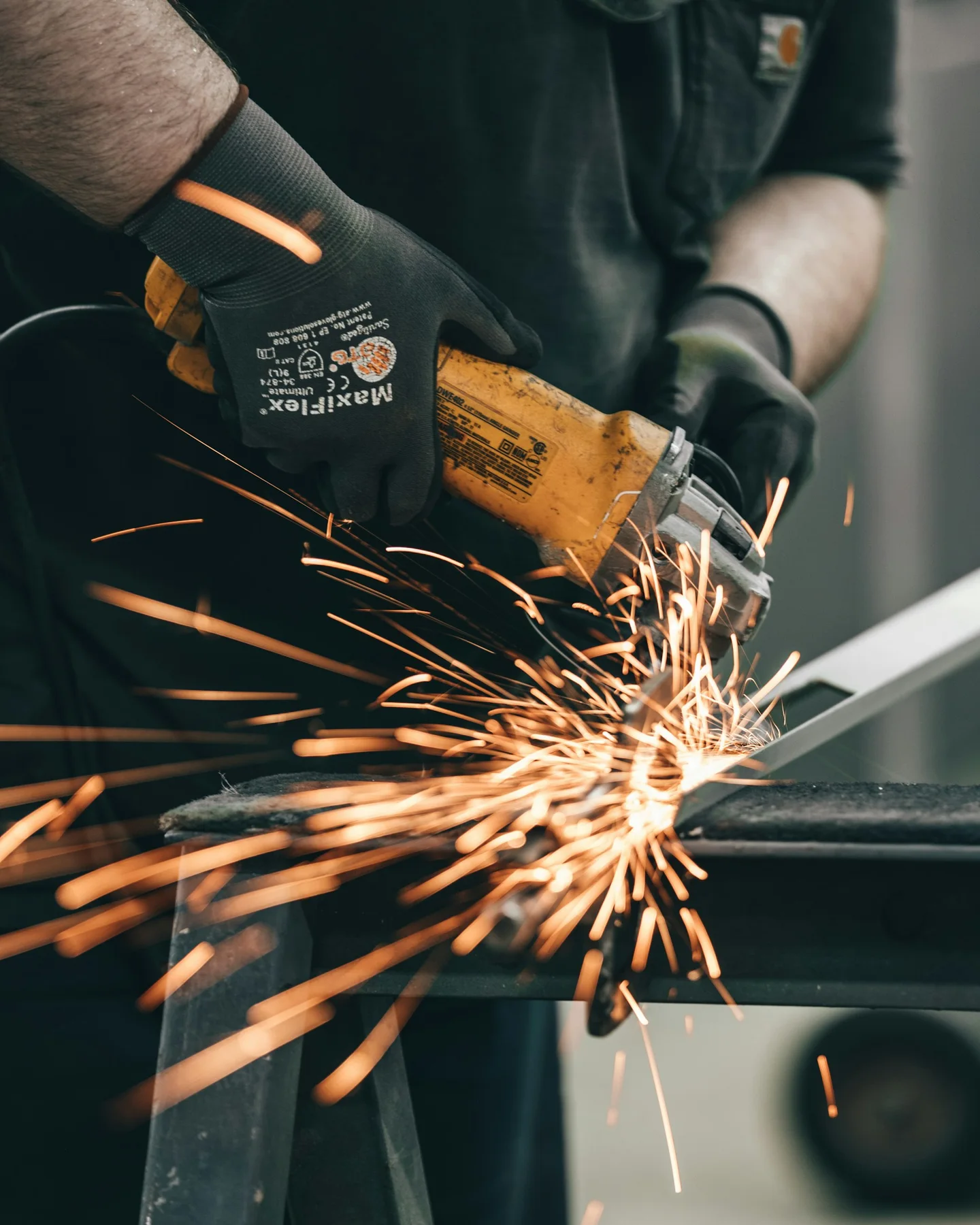
Gloved operator grinding the edge of a metal workpiece
Metal grinding · finishing process illustration
03

Deburring and edge conditioning

Laser-cut parts may carry burr, dross, sharp edges or oxide that affects handling, coating or welding. Define the defect and outgoing requirement. Light burr removal, uniform edge rounding, heavy slag removal and surface finishing use different stations and abrasives. Small-part retention, protective film and visible grain are critical selection inputs.

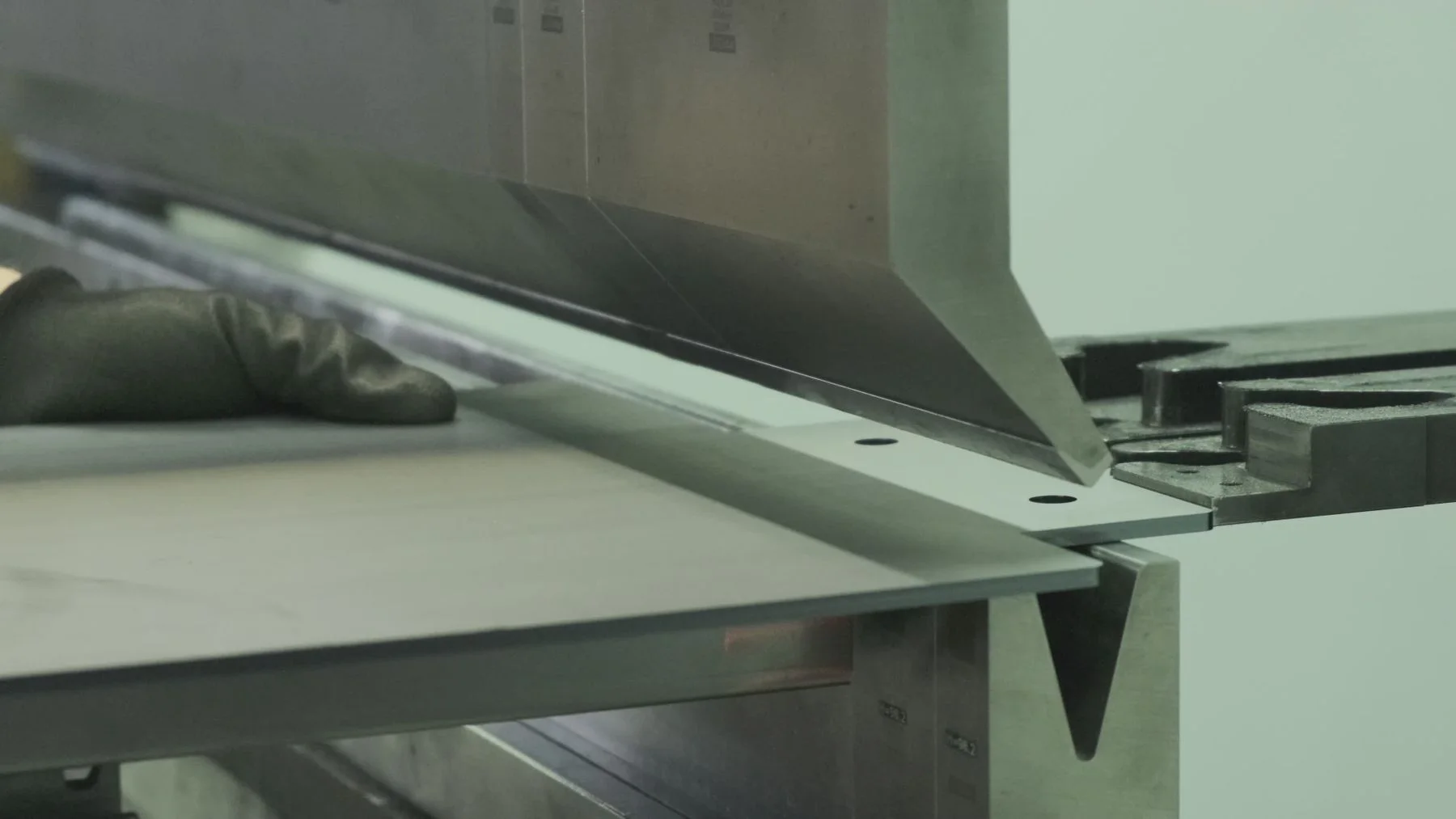
Press-brake punch forming a metal sheet against a V die
Press-brake forming · tooling and sheet contact
04

Bending

The press brake forms the flat blank. Required force is calculated from material, bend length, tooling and method. The machine must also provide enough working length, stroke, daylight and throat for the part and sequence. Backgauge axes position the blank, while crowning or compensation helps manage deflection on applicable machines.

Choose among torsion-bar, electro-hydraulic CNC and electric press-brake directions based on the work, accuracy, programmability, energy and maintenance priorities. The finished drawing and bend simulation provide a stronger basis than tonnage alone.

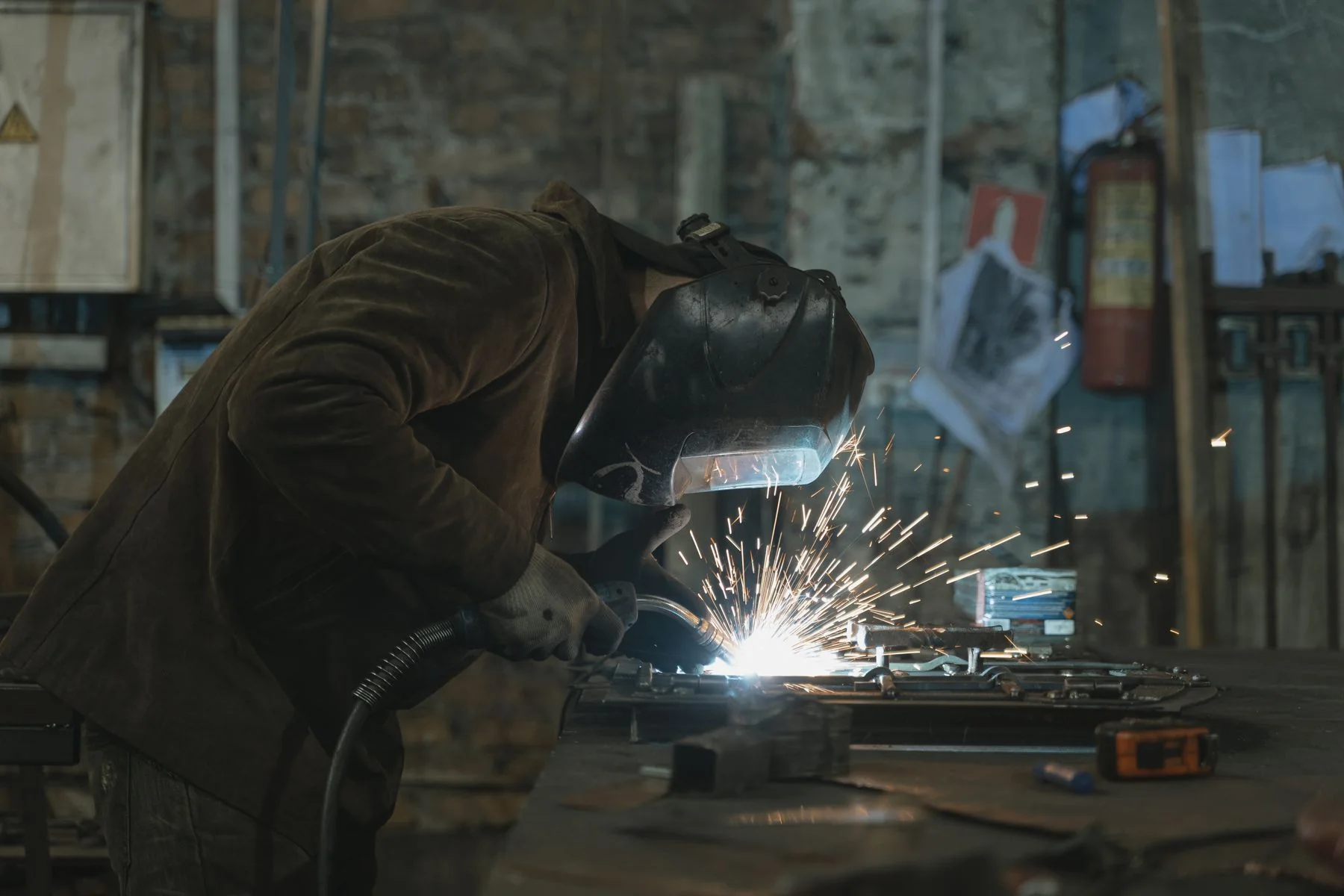
Operator wearing a welding helmet and gloves arc welding metal parts
Arc welding · industry process illustration
05

Fit-up and welding

Tabs, slots, consistent bends and fixtures reduce weld variation. Handheld laser welding can suit flexible work when the process and safety controls are appropriate. Automatic or robotic welding becomes more relevant when the seam, part datum and fixture repeat. MIG/MAG and laser welding remain separate choices with different gap tolerance, penetration, wire, gas, heat input and safety requirements.

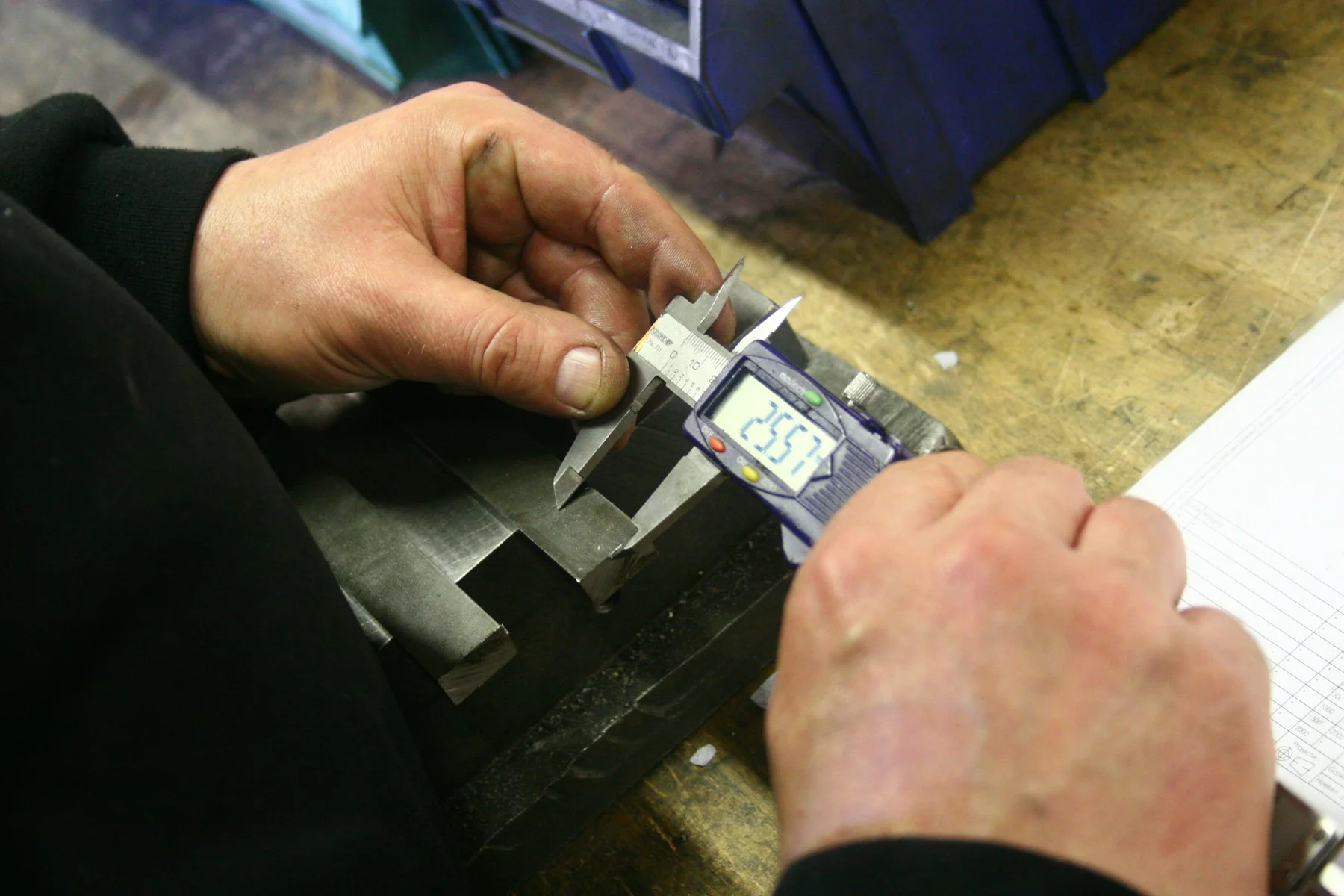
Digital caliper measuring a metal component held in a bench vise
Dimensional checking · industry illustration
06

Cleaning, marking and final inspection

Laser cleaning may remove selected oxide, coating or residue before or after another operation, subject to sample validation. Laser marking can add part numbers, assembly references or traceability information on compatible surfaces. Confirm whether later bending, welding, cleaning or coating will damage or obscure the mark.

Final inspection should follow the drawing and function. It may cover blank dimensions, hole location, bend angle and flange, fit-up, weld condition, edge safety, surface appearance and assembly.

03 / Match the format to production

How to Choose the Laser-Cutting Direction

Production condition Direction to evaluate Questions to resolve
Mixed jobs with manual loading Open sheet laser How will sheets and parts be handled safely without damaging surfaces?
Repeated work with loading during cutting Exchange-table laser Can operators or automation clear one table before the next exchange?
Need for enclosed process area Enclosed exchange-table laser What enclosure, extraction, monitoring and access functions are included?
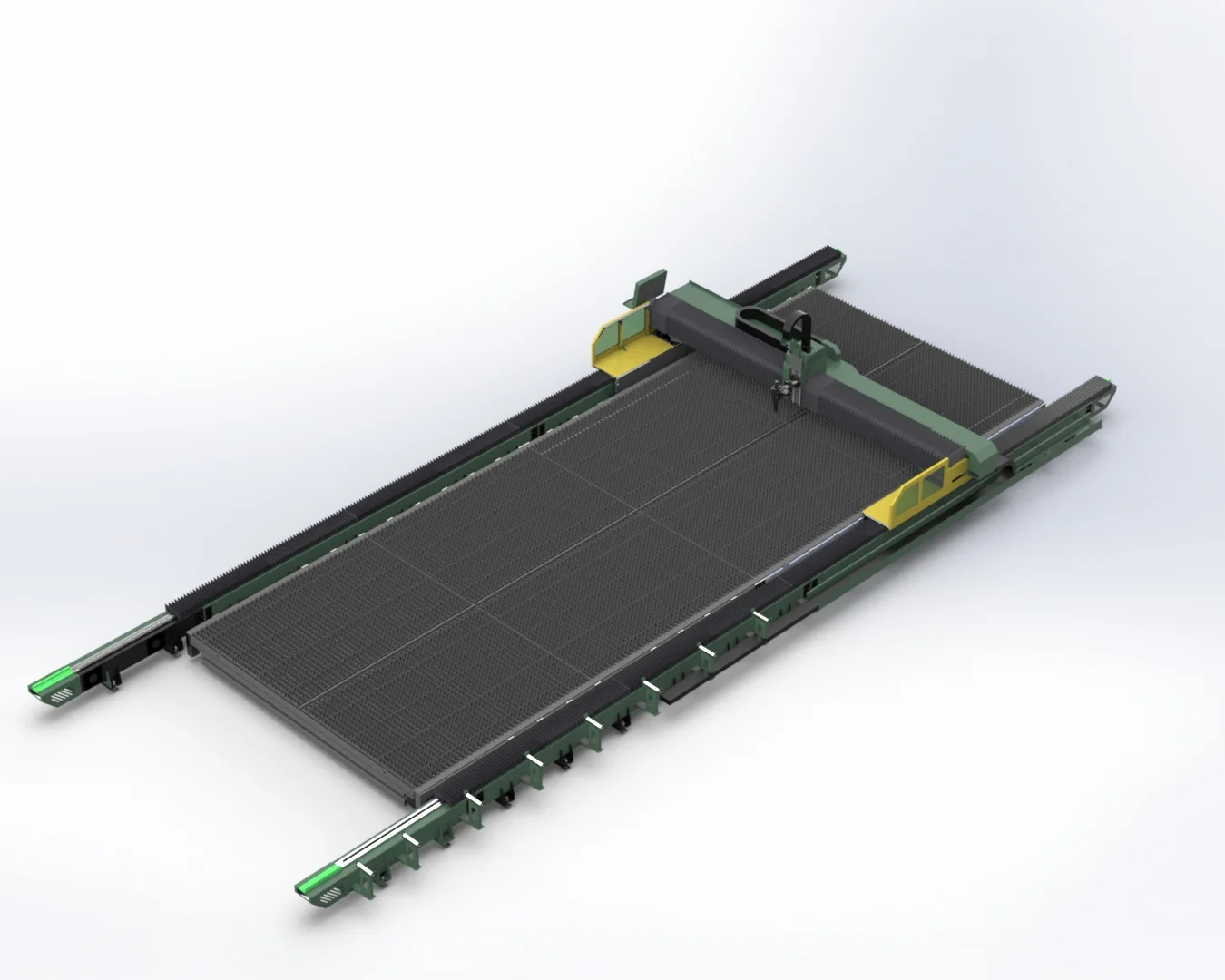
Long or oversized plate Ground-rail or large-format laser How will plate be stored, loaded, supported, nested and unloaded?
Repeated thin material from coil Coil-fed laser line Does leveling produce the required flatness and how are finished parts removed?
Sheet and occasional tube work Sheet-and-tube combination machine Is the production split high enough to justify a dedicated machine instead?

Use sheet-and-tube equipment only after comparing its tube range, sheet workflow and changeover with the actual workload.

04 / Prepare your application

Data Required for a Reliable Proposal

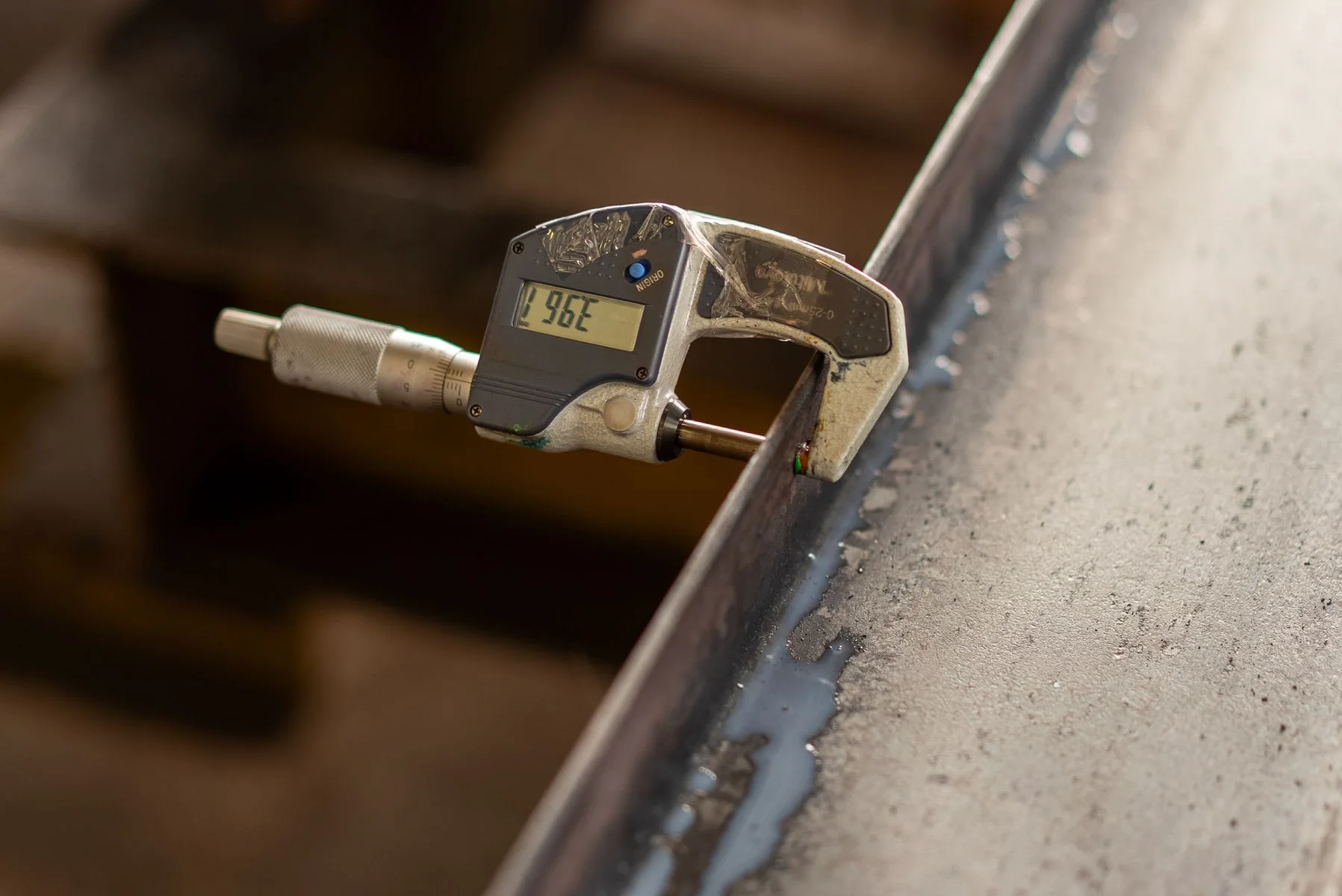
Digital micrometer checking the thickness of steel sheet
Material thickness measurement · industry illustration

Send CHENDA:

  1. Material grades, coatings and thickness distribution
  2. Sheet sizes and purchasing format
  3. Flat and finished drawings for representative parts
  4. Smallest holes, narrowest features and critical tolerances
  5. Bend angles, radii, flange dimensions and tooling constraints
  6. Weld joints, gap condition and visible-surface requirements
  7. Typical batches, product mix, shifts and changeovers
  8. Current cycle times and bottlenecks
  9. Loading, unloading, sorting and material-handling method
  10. Utilities, extraction, floor space and destination

05 / Evaluate representative parts

Acceptance Parts and Measurements

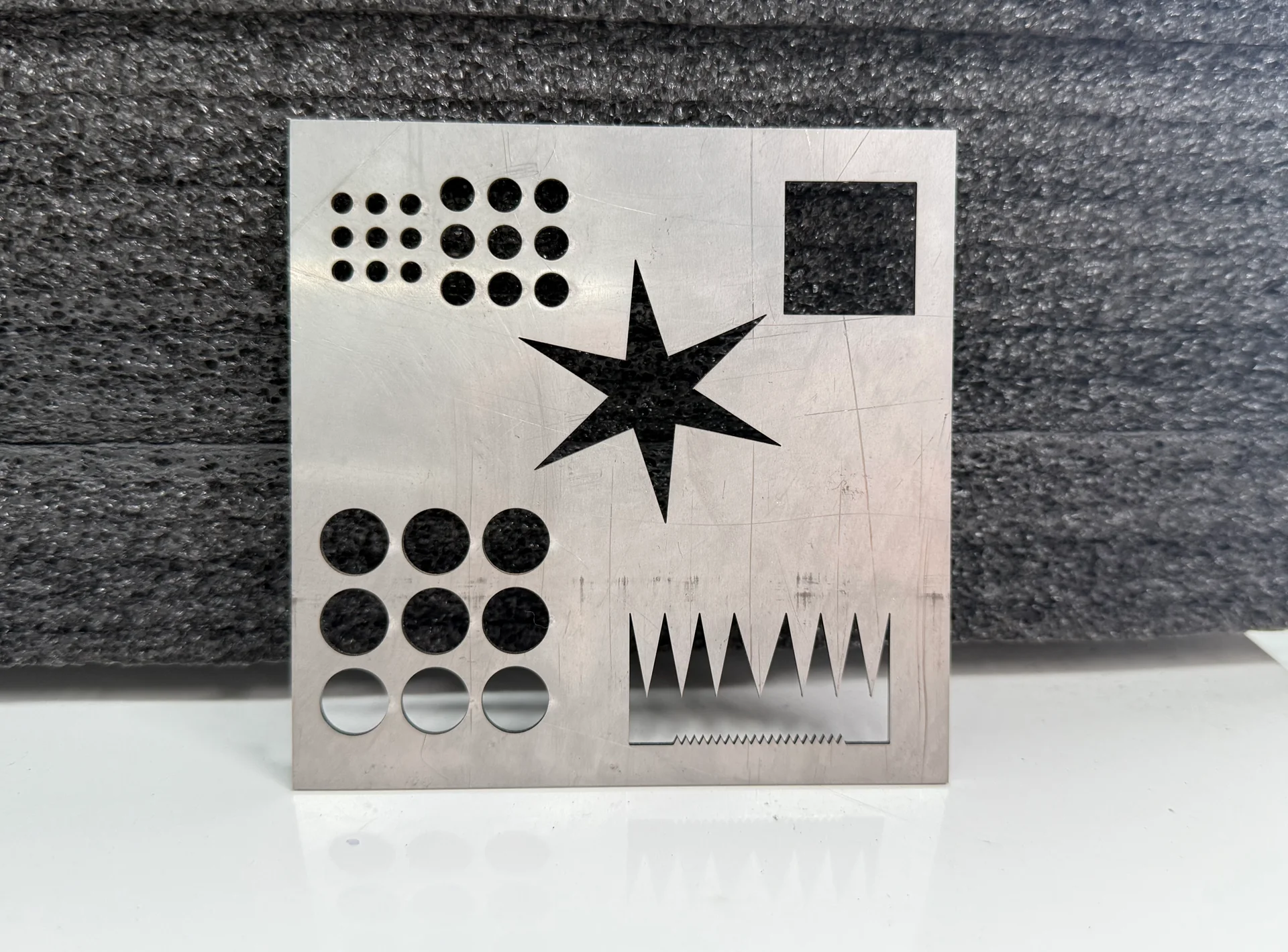
Select acceptance parts that expose the real risks. A useful laser sample may combine outside contours, small holes, internal corners, dense pierces and a surface that reveals scratching. A press-brake sample should include the longest critical bend, short flanges or a sequence with collision risk. A welded sample should use the intended joint, fit-up and fixture.

Record the material, drawing revision, machine configuration, gas, tooling, abrasives, parameters and inspection method. Measure more than one part when repeatability matters. Note the time spent loading, programming, sorting and reworking, not only active cutting or bending time.

06 / Look upstream

Common Problems and Their Upstream Causes

Assorted cut metal edges and tube sections arranged for examination
Cut edges and tube sections · sample detail
  • Poor cabinet fit: flat-pattern or bend-deduction error, material variation, backgauge setup or uncontrolled weld gap
  • Coating defects at edges: burr, oxide, contamination or inadequate edge preparation
  • Visible distortion: heat input, joint sequence, fixture weakness or uneven fit-up
  • Parts mixed after cutting: weak identification, nesting and sorting method
  • Low laser utilization: slow loading, part removal, gas change, programming or downstream congestion
  • Angle variation: material properties, tooling, deflection, springback or inconsistent orientation

A connected process review usually finds more improvement than replacing one machine in isolation.

07 / Application questions

Frequently Asked Questions

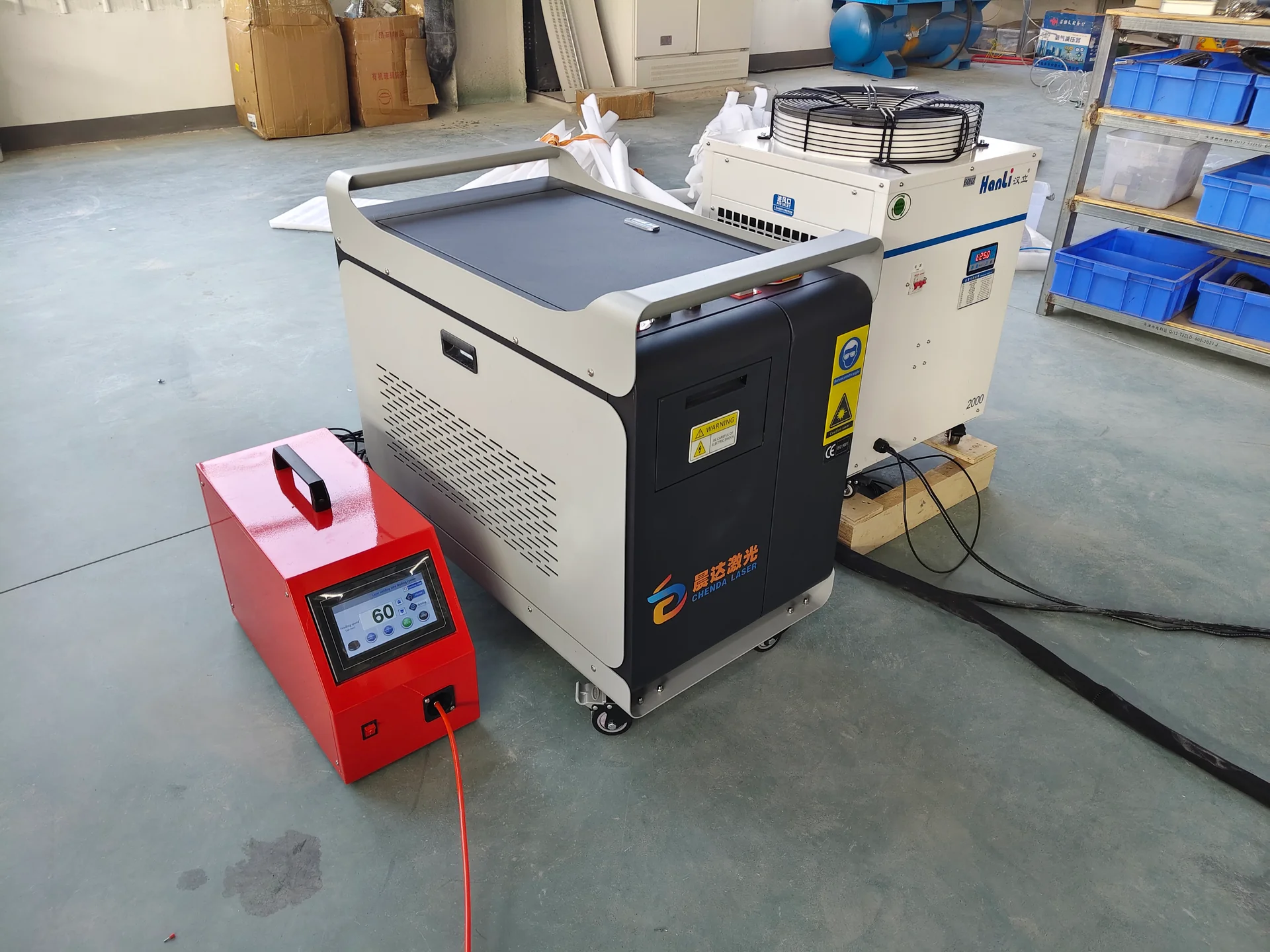
CHENDA laser welding equipment with wire feeder and chiller
CHENDA laser welding system · equipment reference

Do we need a deburring machine after laser cutting?

It depends on the incoming edge and downstream requirement. If manual grinding is a bottleneck, edges must be touch-safe, coating adhesion is sensitive or consistent rounding is required, evaluate a finishing process with actual parts.

Is a sheet-and-tube machine the most economical choice?

It can reduce footprint and initial duplication, but it also combines workloads and may constrain tube capacity or scheduling. Compare production hours, sizes and changeovers with separate machines.

Can automation solve labor shortages?

Automation can reduce repeated handling when material, schedules and interfaces are stable. It also adds storage, controls, recovery procedures and downstream sorting. Review the whole line and the personnel still required.

What should a factory acceptance test include?

Confirm the ordered configuration, machine functions and a representative part. State dimensions or quality features, material, tooling, measurement method, records and unresolved-item process before testing begins.

Stacks of profiled metal plates with holes and repeated shapes

Your material. Your part. Your production route.

Build the Route Around Your Parts

Review the wider manufacturing applications, learn how CHENDA approaches quality control and prepare the site with installation guidance.