05 / Keep the panel true
Joining Without Losing the Panel Geometry
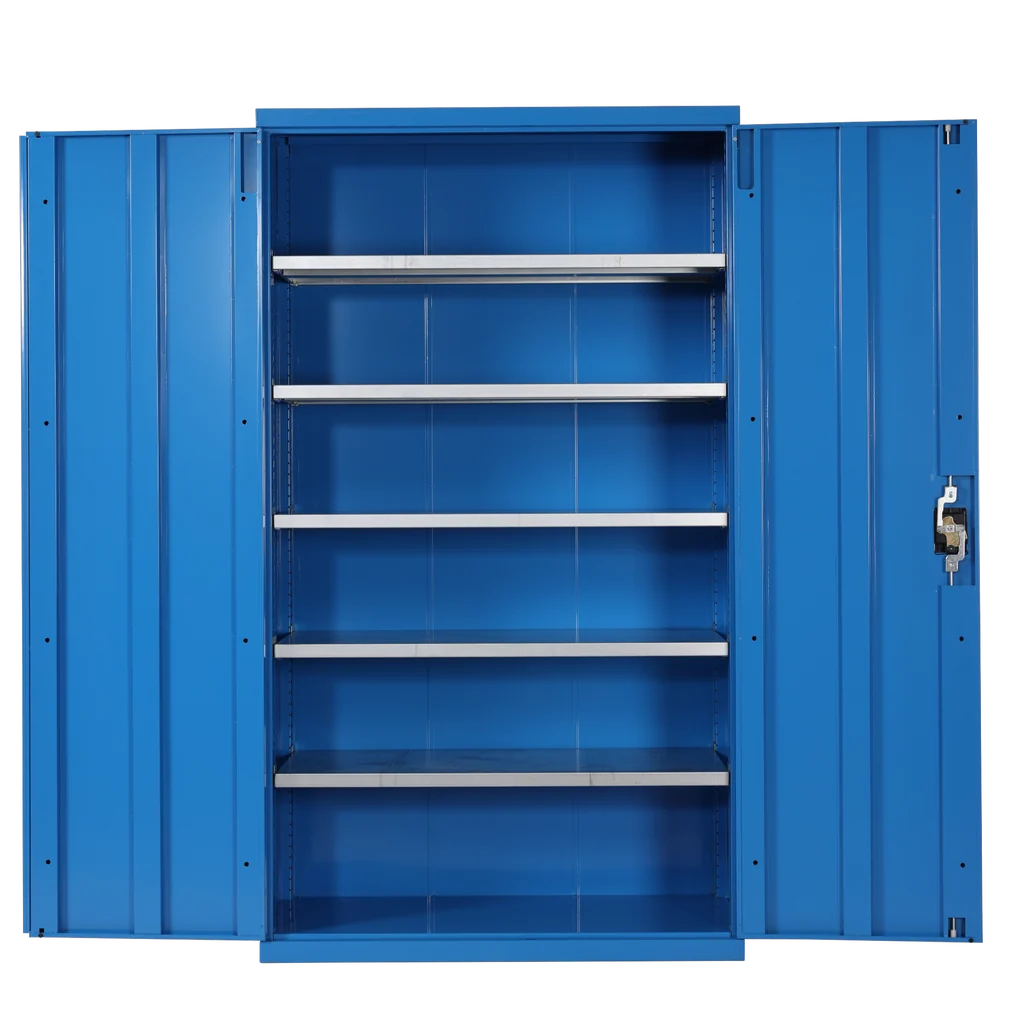
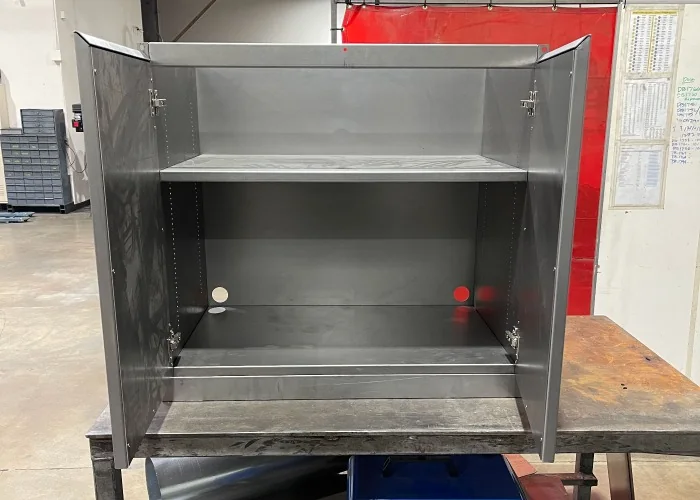
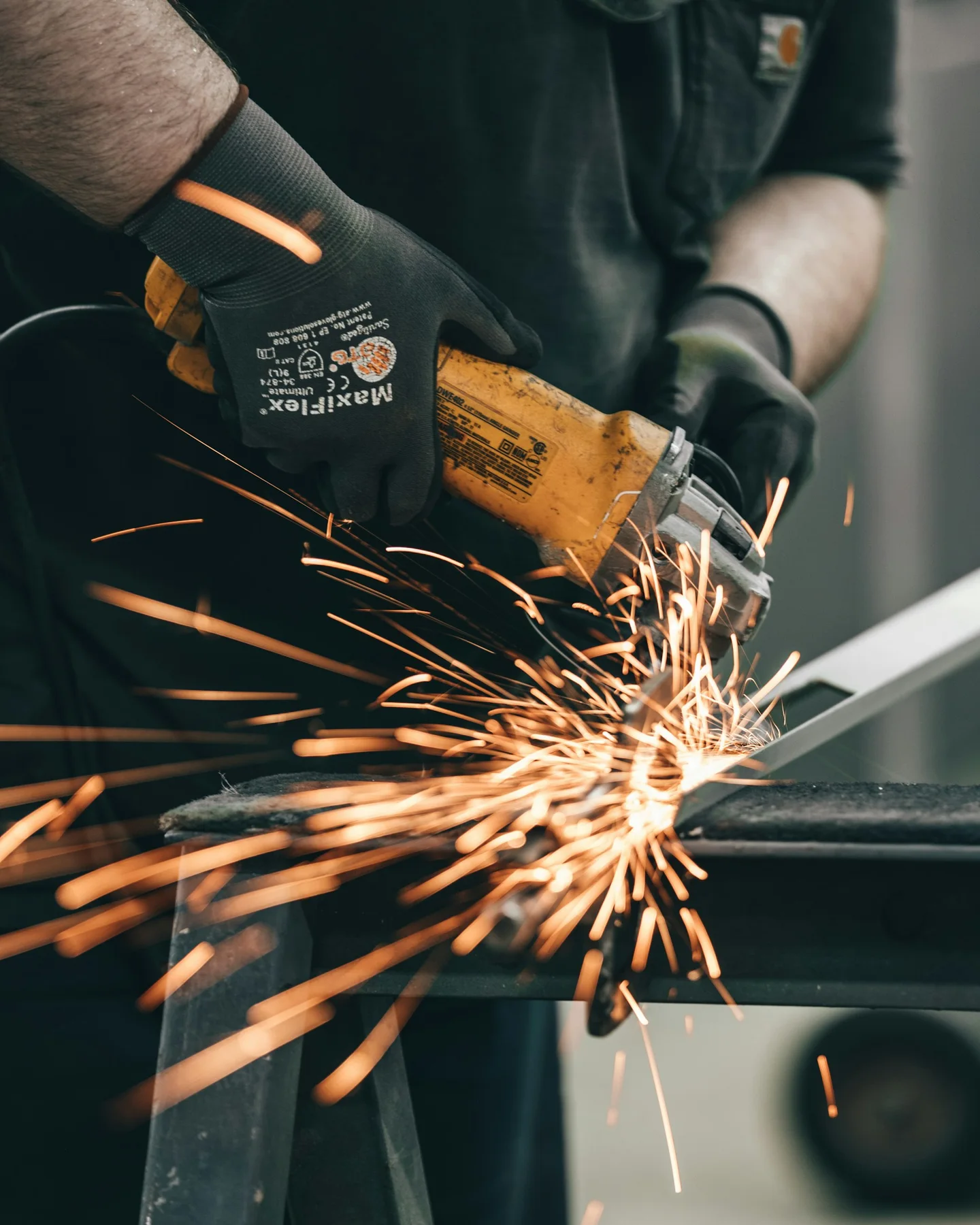
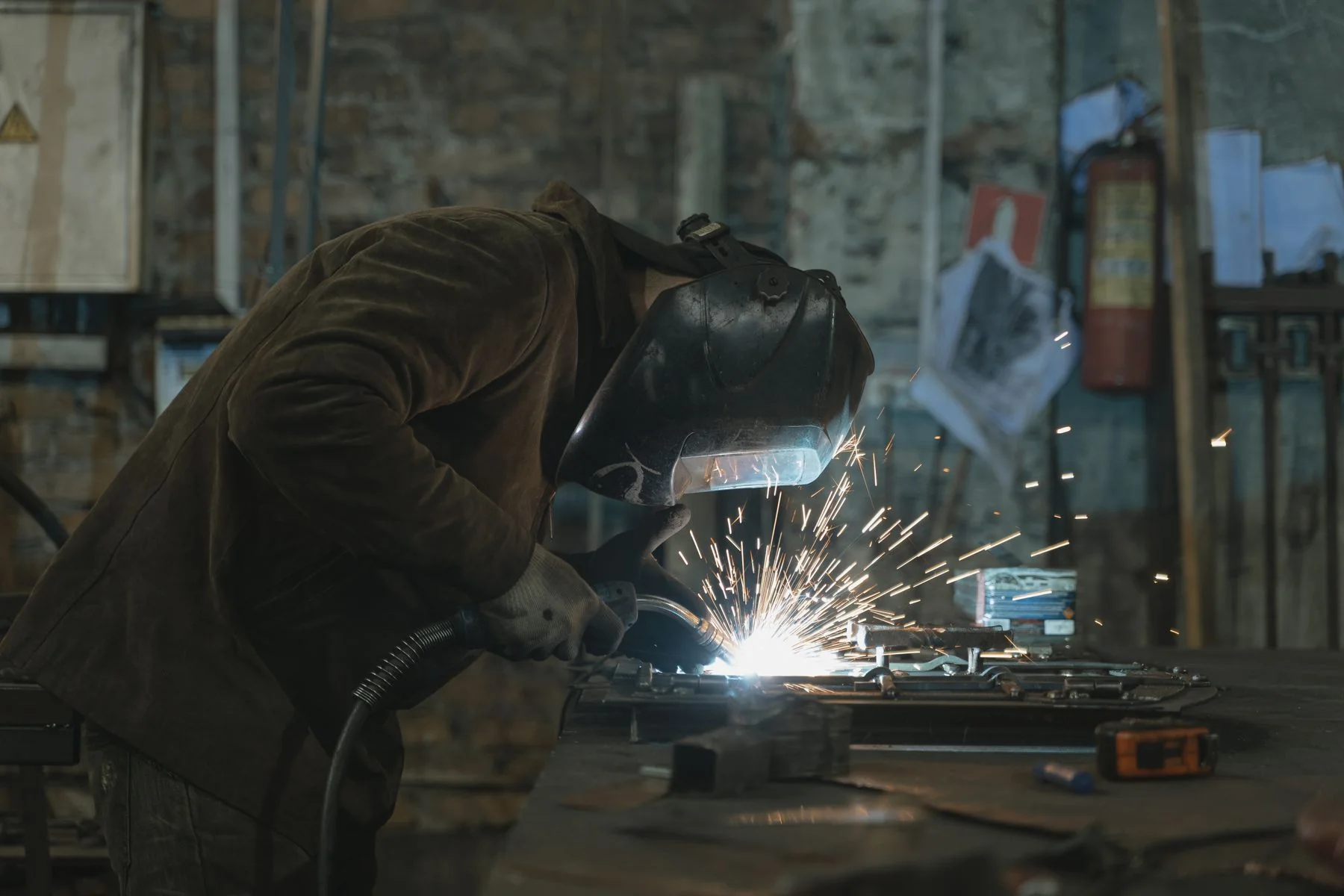
Cabinet assemblies may use spot welding, arc welding, laser welding, fasteners or tabs. The right method depends on strength, visible surface, seam length, material, coating and production rate.
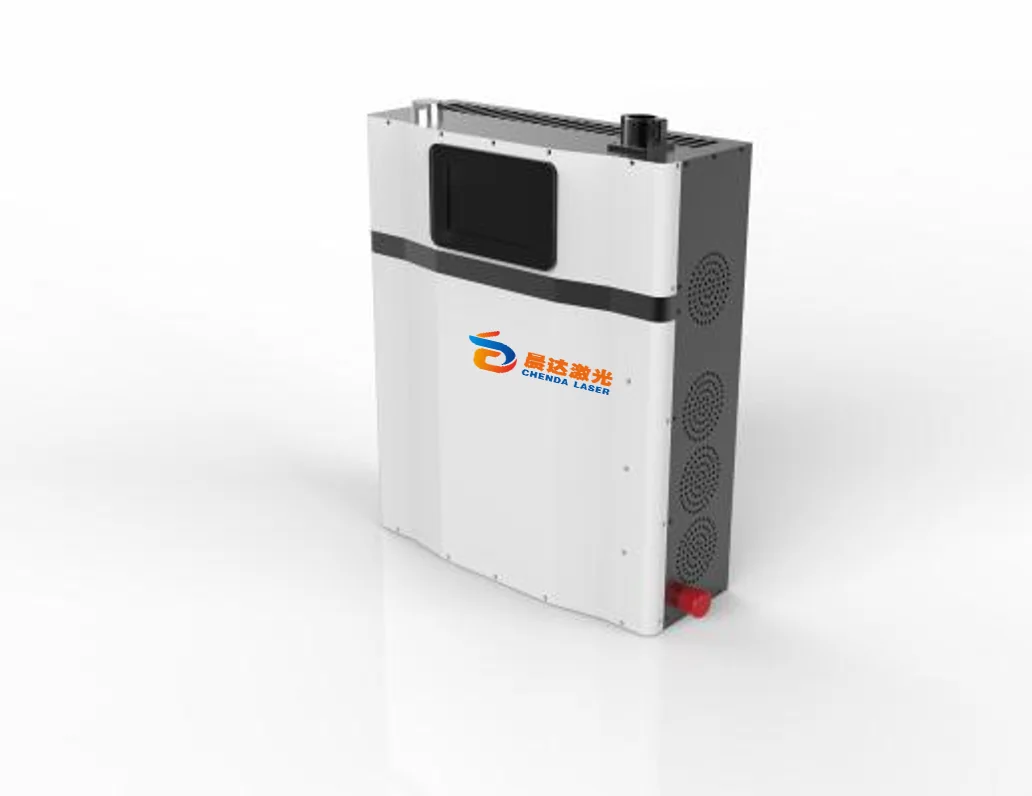
Handheld laser welding can support flexible thin-metal joining on suitable joints, but fit-up and laser safety matter. Automatic laser welding or robotic welding becomes more relevant when the part datum, seam and fixture repeat. Robotic MIG/MAG may suit a different frame or heavier joint than a laser process.
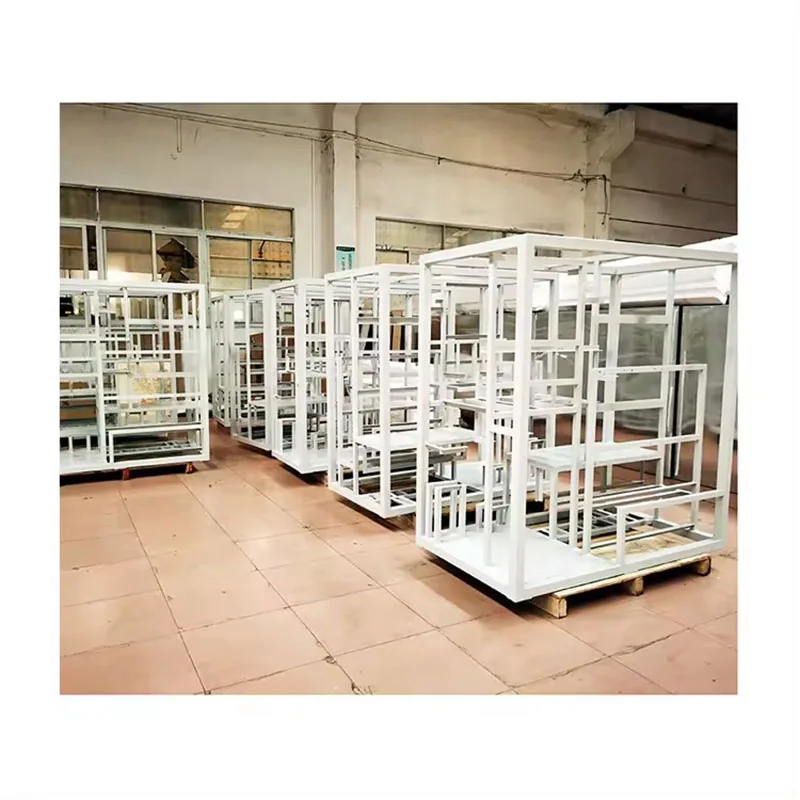
Fixture design should hold critical dimensions without blocking the torch or trapping heat. Use a welding sequence that controls distortion. Evaluate the assembly after cooling, not only the appearance of the hot seam.
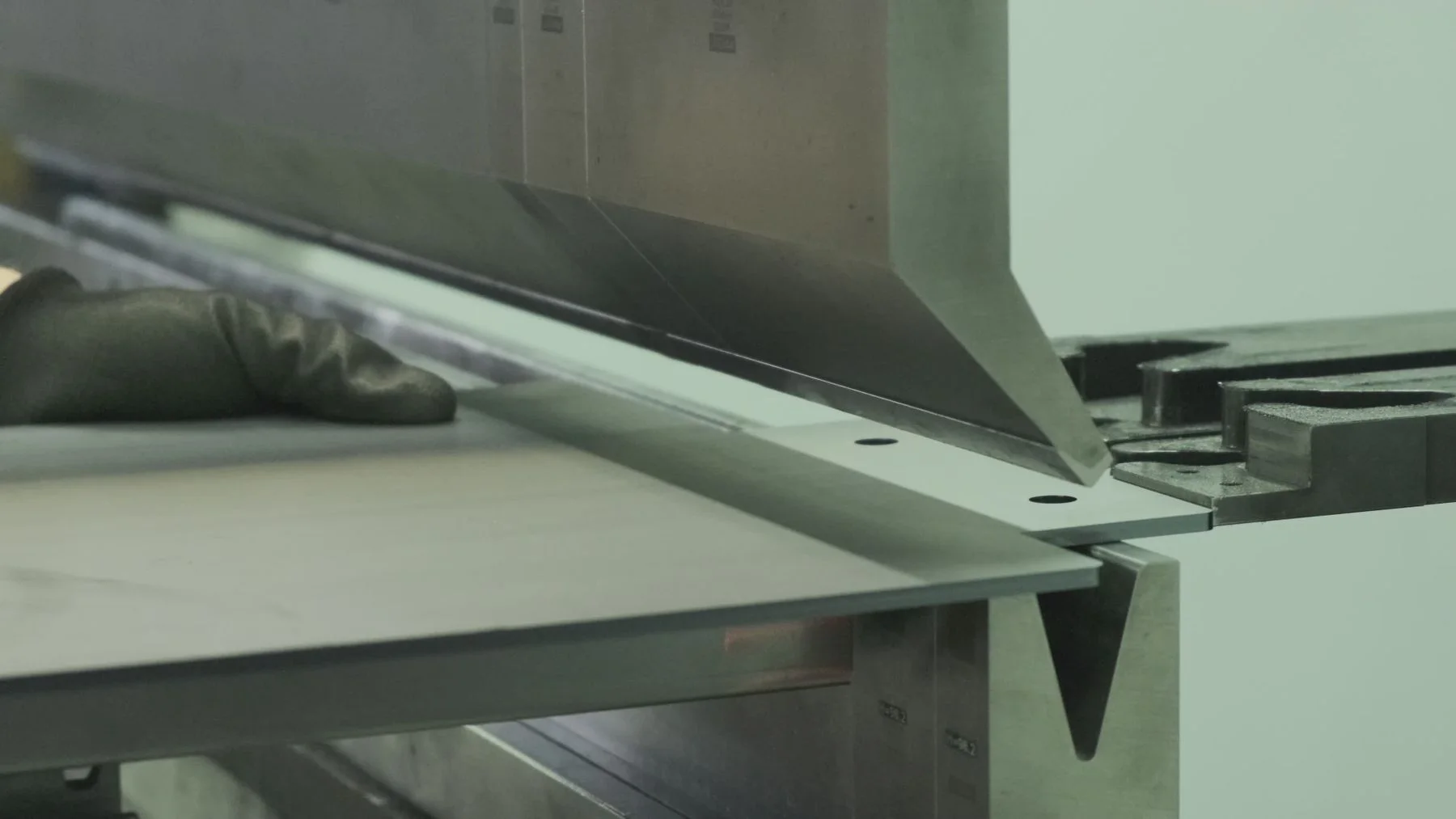
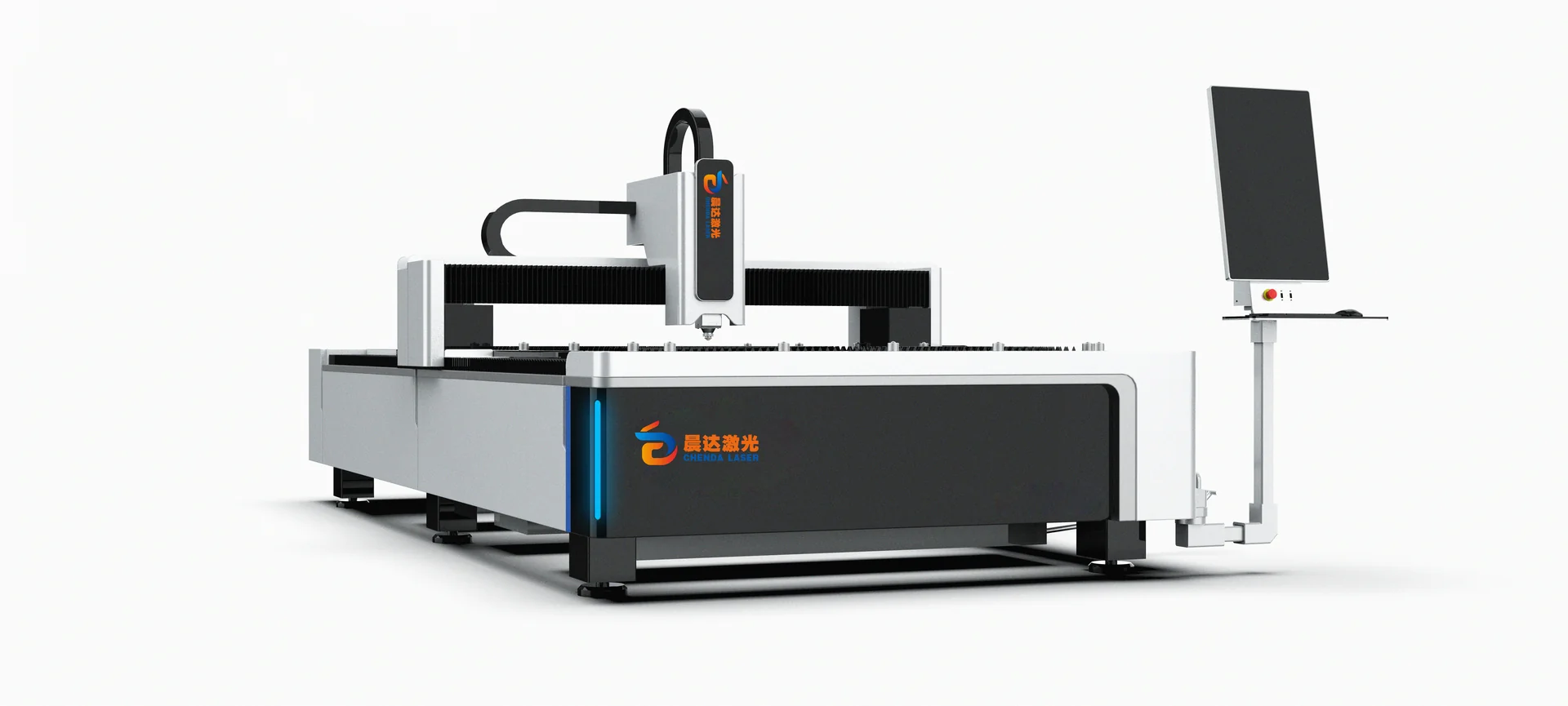
Torsion-bar press brakes may suit simpler work. Electro-hydraulic CNC machines provide a different control and axis direction for varied or precision work. Electric press brakes may suit selected part sizes and production priorities. Confirm the actual capacity, tooling, backgauge, compensation and safety configuration in the quote.
Material springback and bend deduction should be controlled by material lot, tooling and a verified program. Reusing a nominal value across different grades or coatings can shift finished dimensions.