Production and Delivery of Configured Industrial Equipment
Production and delivery should convert an approved equipment configuration into an identifiable, tested and transport-ready machine. The process depends on disciplined handoffs. Sales and technical requirements must reach production without losing detail, inspection must refer to the same configuration, and the shipment must preserve the identity of the equipment and loose items that the customer receives.
The sequence below explains the controls a buyer should expect. Actual milestones, timing, inspection method and logistics depend on the specific order.
Production should not begin from a product photo or a model name alone. The internal handoff needs the accepted quotation or contract, technical agreement, approved drawings, configuration list, destination requirements and any written amendments.
The configuration freeze should identify:
Machine model and working envelope
Performance range used for selection
Major component brands and versions where specified
Options, automation, tooling, fixtures and auxiliary equipment
Voltage, phase, frequency and language
Interface and software requirements
Required documents and spare items
Factory test, sample and witness requirements
Packing, shipping and installation responsibilities
If an input remains open, the project should record who will decide it and when. An unresolved voltage, workpiece size or loading interface can affect the whole build.
2. Material and Component Preparation
Procurement and fabrication follow the frozen scope. Incoming items should be identifiable against purchasing and project records. Storage and handling should protect precision, optical, electrical, hydraulic and surface-sensitive parts from damage or contamination.
For configured machines, equivalence cannot be assumed from appearance. A controller, drive, cutting head, chiller, sensor, valve or software license may have the same general function but different interfaces and service implications. Any proposed substitution should go through documented technical and commercial review.
3. Fabrication, Assembly and Integration
Machine assembly connects structural, mechanical, electrical, pneumatic, hydraulic, optical, software and process systems as applicable. Work instructions and inspection points should reflect the machine design.
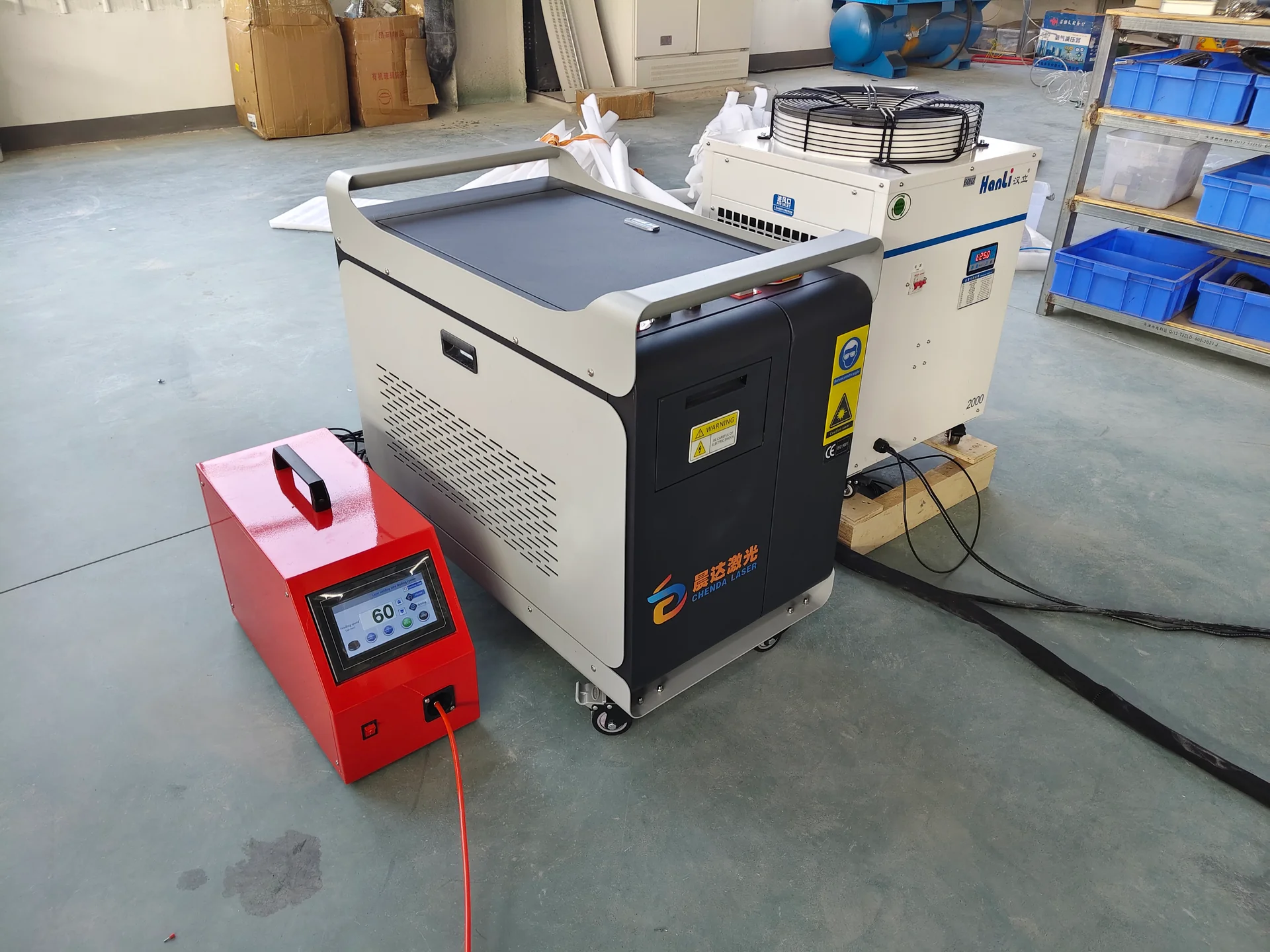
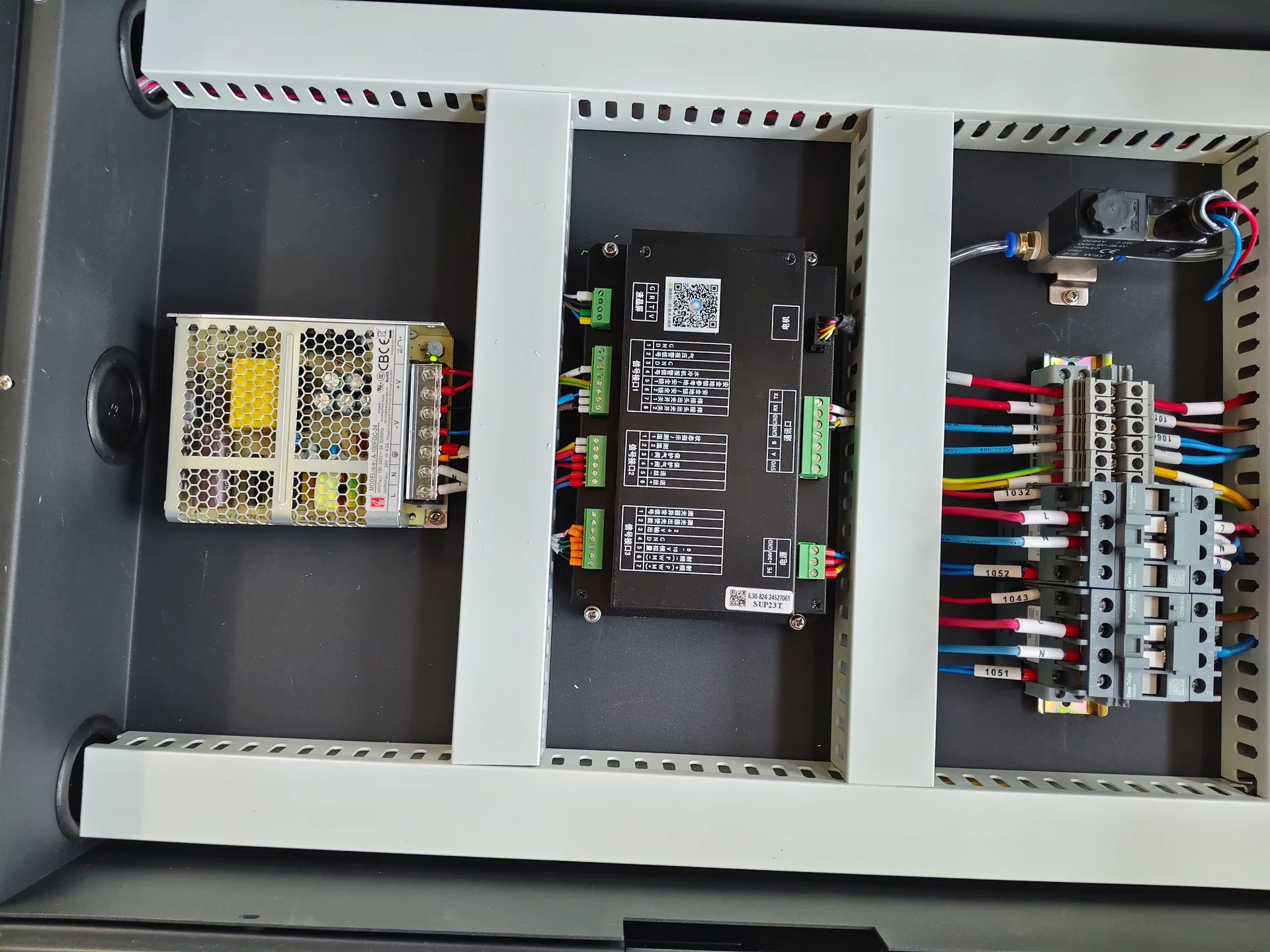
CHENDA’s laser-cutting project material shows attention to details such as bed and rail support, lubrication, heat protection, cable routing, separation of power and signal circuits, shield grounding, plug-based field connections and integration of pressure or equipment-state alarms. These details are useful inspection targets on the relevant configuration. They are not a substitute for checking the actual order.
During integration, the team should retain labels, cable references, settings and software information needed for later diagnosis. A clean electrical cabinet is useful, but correct protection, connections, grounding, signal integrity and documentation matter more than appearance.
4. Setup and Functional Test
After assembly, controlled energization and setup verify the machine systems before process trials. Depending on the equipment, the sequence may include:
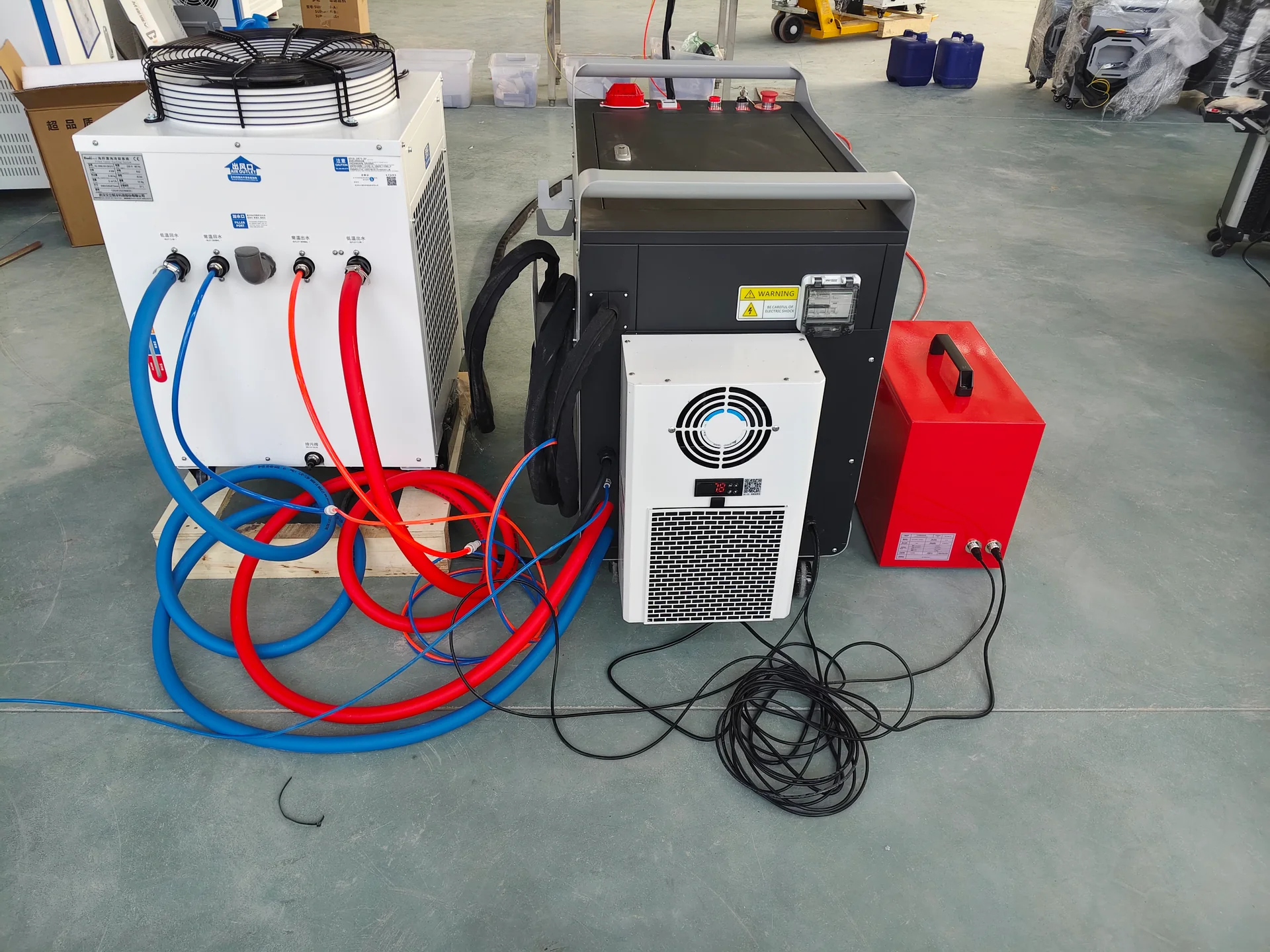
Cooling, power and process connections in the project material
Connection and grounding checks
Lubrication, cooling, air, gas, extraction or hydraulic preparation
Controller, drive, sensor and communication checks
Axis reference, travel, limits and motion checks
Table, chuck, support, backgauge, conveyor or robot functions
Alarm, emergency and agreed protective-function checks
Tooling, optics, abrasive, torch, head or knife setup
Dry cycle and controlled trial production
The team should record exceptions rather than repeatedly resetting an alarm until the machine runs.
5. Factory Acceptance
Factory acceptance testing is effective when it answers project-specific questions. The checklist should identify the machine and configuration, describe each test, state the acceptance criterion and show the result.
A sheet-laser project may focus on working area, table exchange, cutting functions, edge quality and small-feature accuracy. A tube or profile system adds chuck range, support, tail length, long-stock handling and section-specific features. A press brake needs tooling, bend sequence, angle and flange results. A welding system needs joint, fit-up, fixture, gas, filler and weld evaluation. Cleaning, marking and digital cutting require actual substrate tests.
If the buyer cannot attend, agree which photographs, video, measurements, screen records and documents will provide remote evidence. The evidence should show the ordered machine identity.
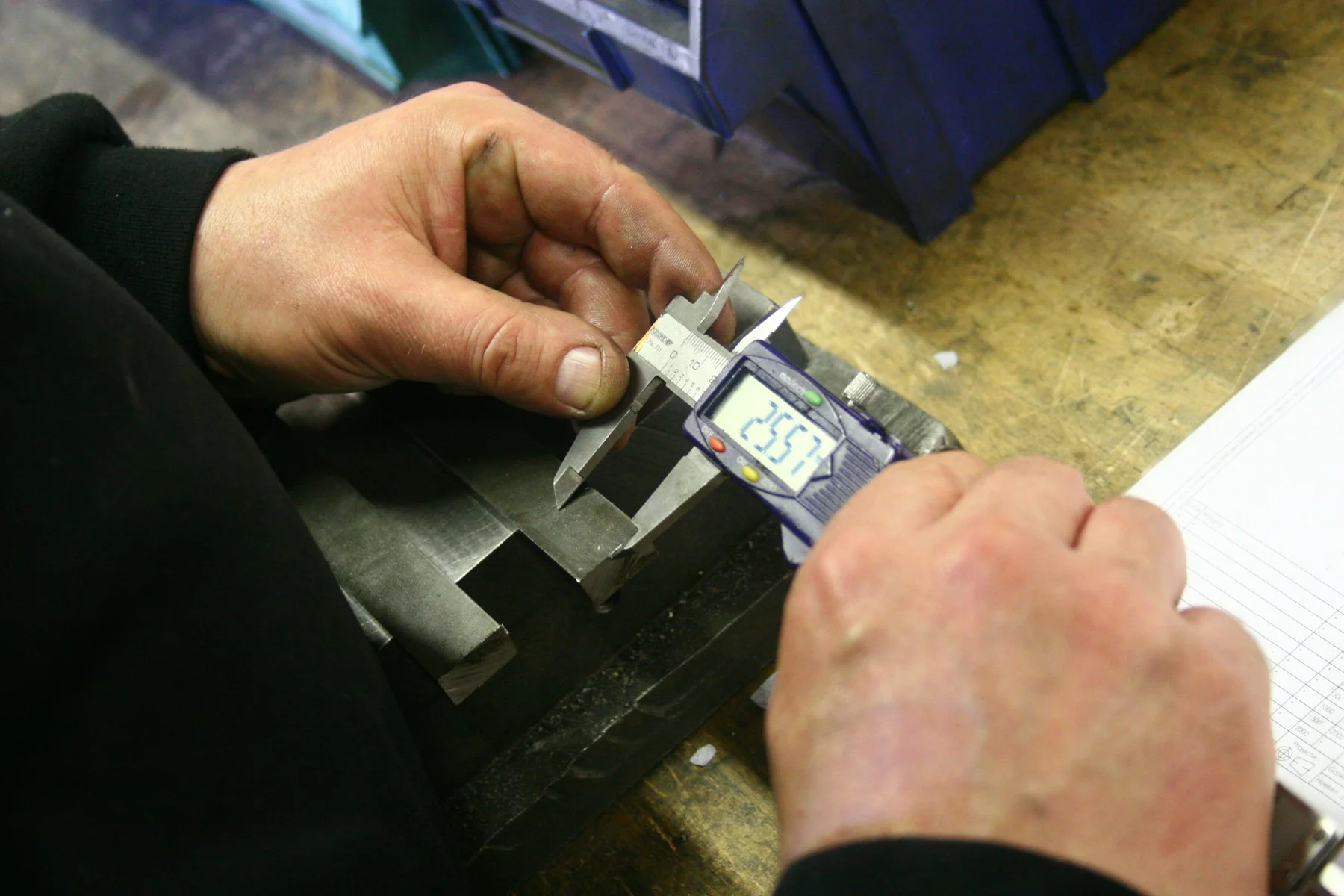
Features on a representative workpieceDimensional inspection · reference
6. Document and Backup Preparation
Documents should match the delivered configuration. Depending on the scope, the handover may include operating and maintenance manuals, layout and utility information, configuration or component lists, electrical information, software instructions, parameter backups, inspection records, packing list and warranty documents.
Third-party component manuals can be important for lasers, chillers, controllers, welding power sources, robots, compressors and other systems. They should be supplied in the available language and version agreed for the order.
7. Packing and Package Control
Packing must account for machine weight, dimensions, disassembled sections, lifting, moisture, vibration, corrosion, exposed connectors and destination conditions. Precision and loose items need protection and identification.
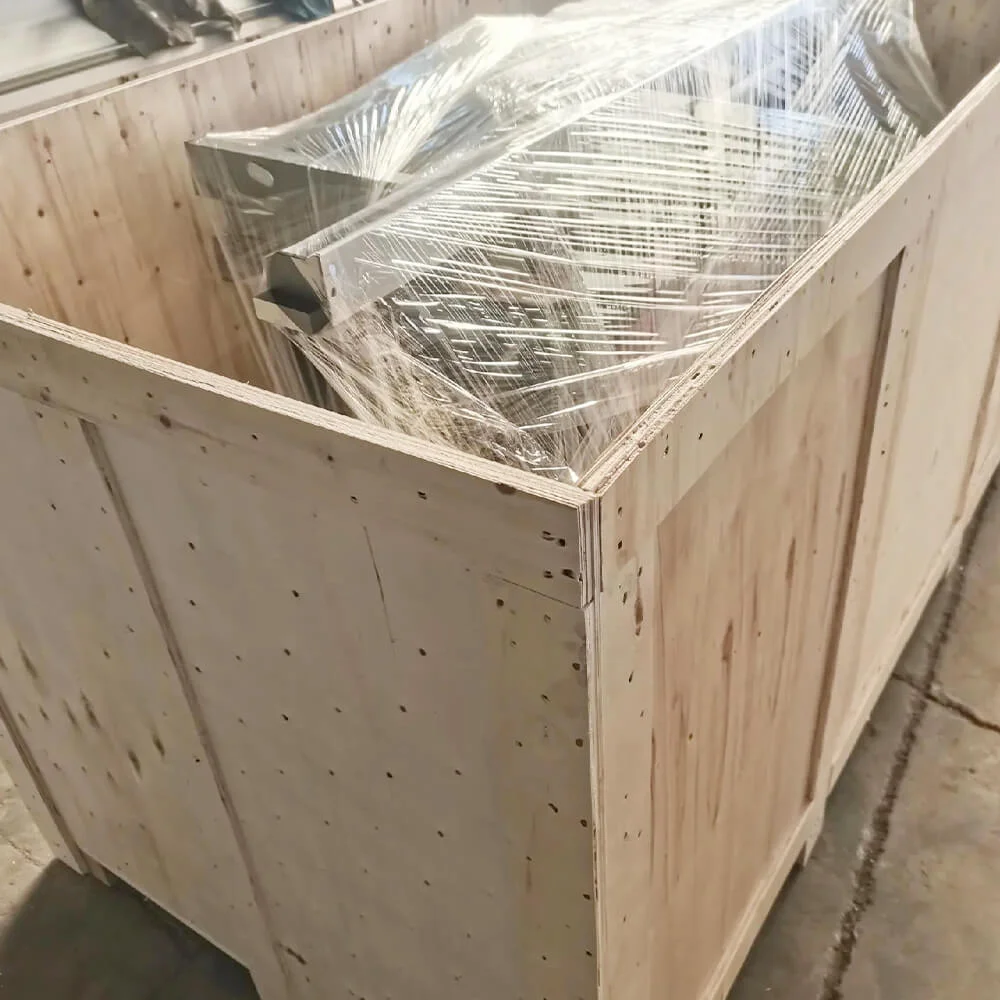
Protective wrapping inside an export crate · reference
Before closing the shipment, reconcile:
Main machine and separately packed modules
Removed guards, platforms, ducts, supports or cables
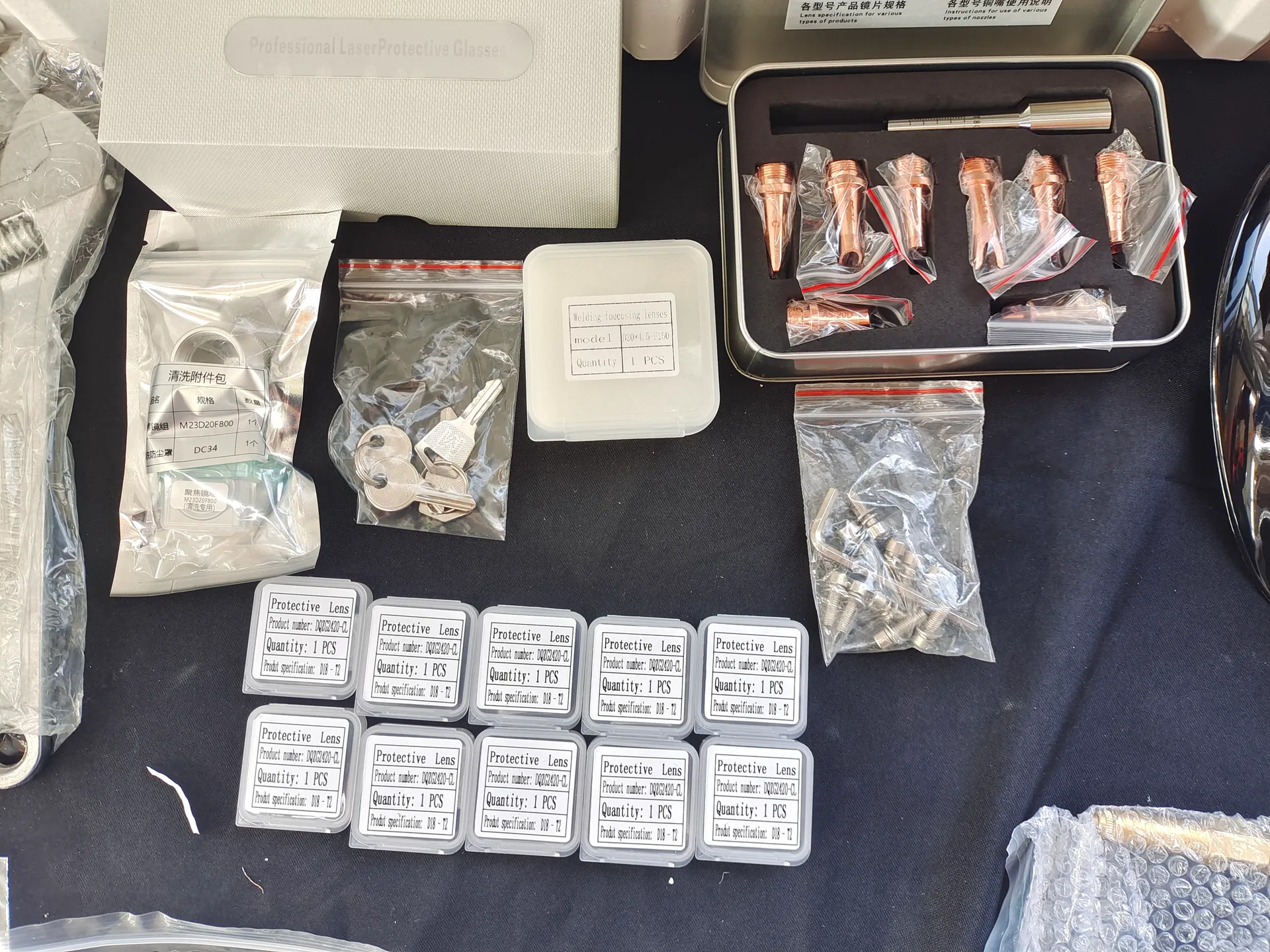
Tooling, fixtures, chucks, heads and accessories
Consumables and spare parts
Computers, controllers, handheld devices or licenses
Manuals and project documents
Package count, marks, gross dimensions and weight
Photographs taken during packing help the receiving team locate items and document pre-shipment condition.
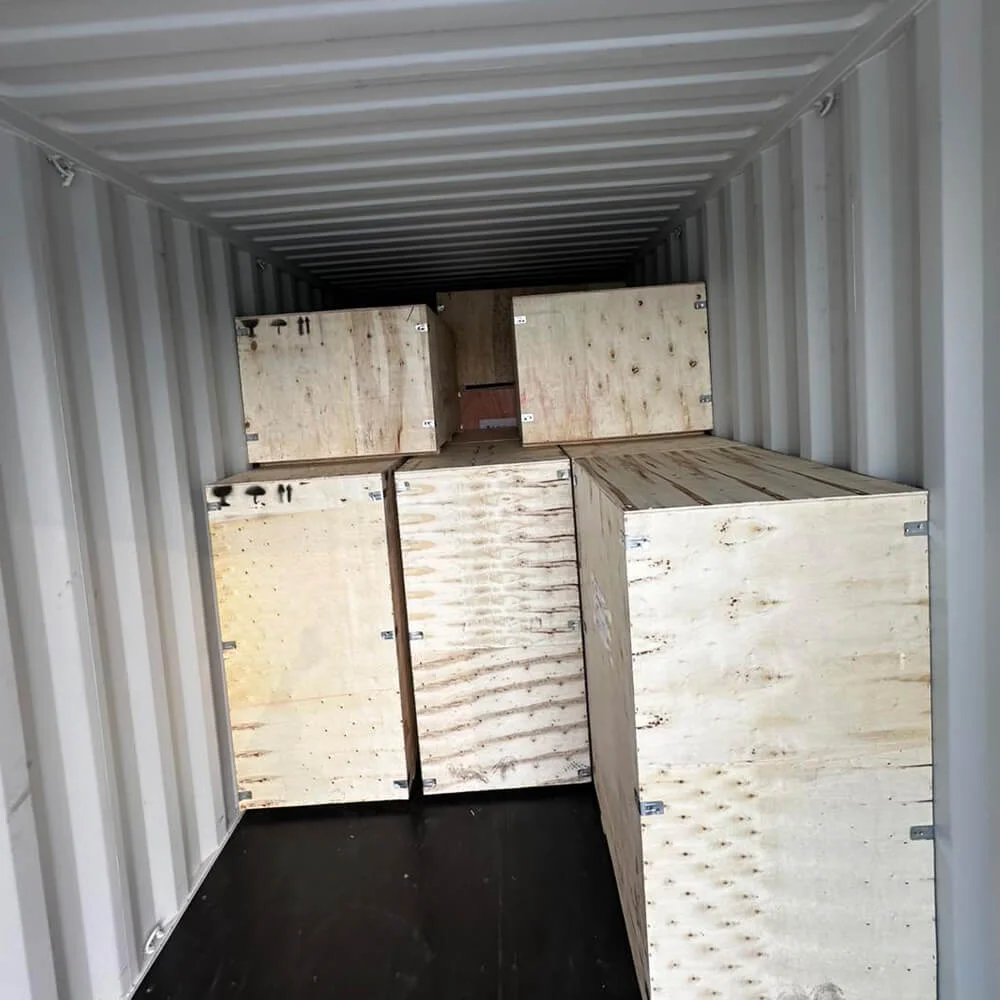
Crates loaded in a container · reference
8. Shipping and Destination Readiness
The commercial documents should state the agreed shipping basis and responsibilities. Before dispatch, the customer should receive enough information to arrange unloading, lifting, workshop access and storage.
The customer should confirm:
Unloading equipment has sufficient rated capacity
The route from vehicle or container to the final position is clear
Doors, turns, ceiling, floor and pits match package and installed dimensions
The site can protect equipment from weather and condensation
Electrical, grounding, gas, air, cooling and extraction work is scheduled
Representative materials and qualified personnel will be available for commissioning
On arrival, record container or vehicle condition, package marks, visible impact, moisture, broken seals and package count before moving or discarding packaging. Photograph labels and any suspected damage. Compare the shipment with the available packing information.
Do not power, straighten or disassemble damaged equipment simply to test it. Preserve evidence needed for transport, insurance, warranty or supplier review and contact the project representative.
10. Handover to Installation and Support
Delivery is not complete operational readiness. Installation positions and connects the equipment. Commissioning verifies controlled functions at the destination. Training prepares named operators and maintenance personnel. Production release remains the customer’s decision after site safety and operating procedures are in place.
Keep the machine model, serial number, order reference, final configuration, backups, manuals and service records together. These identifiers make later technical support and spare-parts requests faster and more accurate.
Questions to Resolve Before You Place the Order
Which milestone starts the stated production period?
Which customer approvals can affect the schedule?
What evidence confirms the configuration before shipment?
What is included in FAT and who supplies the material?
Which modules ship separately?
What are the package dimensions, weights and lifting requirements?
Which site utilities must be ready before commissioning?
Which installation and training tasks are included or excluded?