CHENDA support is organized around the exact machine, confirmed order scope, application, and stage of ownership. The most useful first step is to identify whether you are preparing to buy, preparing to receive equipment, installing it, training operators, diagnosing a fault, checking warranty coverage, or identifying a spare part. Each route requires different evidence.
This service center covers laser cutting machines, press brakes, welding systems, laser cleaning and marking equipment, deburring and finishing machines, digital knife cutters, and supporting equipment supplied through CHENDA. General guidance on this website helps you prepare. Machine-specific instructions, included services, acceptance criteria, warranty terms, and responsibilities are defined by the documents confirmed for your order.
Preparing for delivery: compare the final configuration list, agreed test or inspection scope, packing information, receiving access, lifting plan, utilities, and installation schedule. See Production & Delivery and Installation & Training.
Installing or commissioning a machine: use the machine-specific layout and utility information, confirm safe connections, record initial checks, and agree how trial operation will be evaluated. See Installation & Training.
Reporting a technical problem: preserve the alarm, record the operating condition, identify the machine, and provide clear photos or video. Use Request Technical Support.
Checking warranty coverage: collect the order reference, serial number, service history, maintenance records, affected component details, and evidence of the failure. Read Warranty & Service.
Ordering a component: identify the machine and the exact part revision before comparing appearance or price. Use the Spare Parts guide.
Support Begins Before the Order
Presales technical verification establishes what the equipment must do. It is not a factory acceptance test and does not prove that a final machine has been built to the order. A useful presales review asks:
What material, grade, thickness, diameter, profile, or flexible substrate will be processed?
What are the typical and maximum part dimensions?
What result matters: cut edge, bend geometry, weld condition, cleaned surface, mark quality, deburred edge, or finished pattern?
What output, batch size, product mix, and changeover pattern are expected?
Which loading, unloading, tooling, fixtures, software, extraction, gases, compressed air, cooling, or automation functions are required?
What utilities, space, access, and operator capabilities are available at the destination?
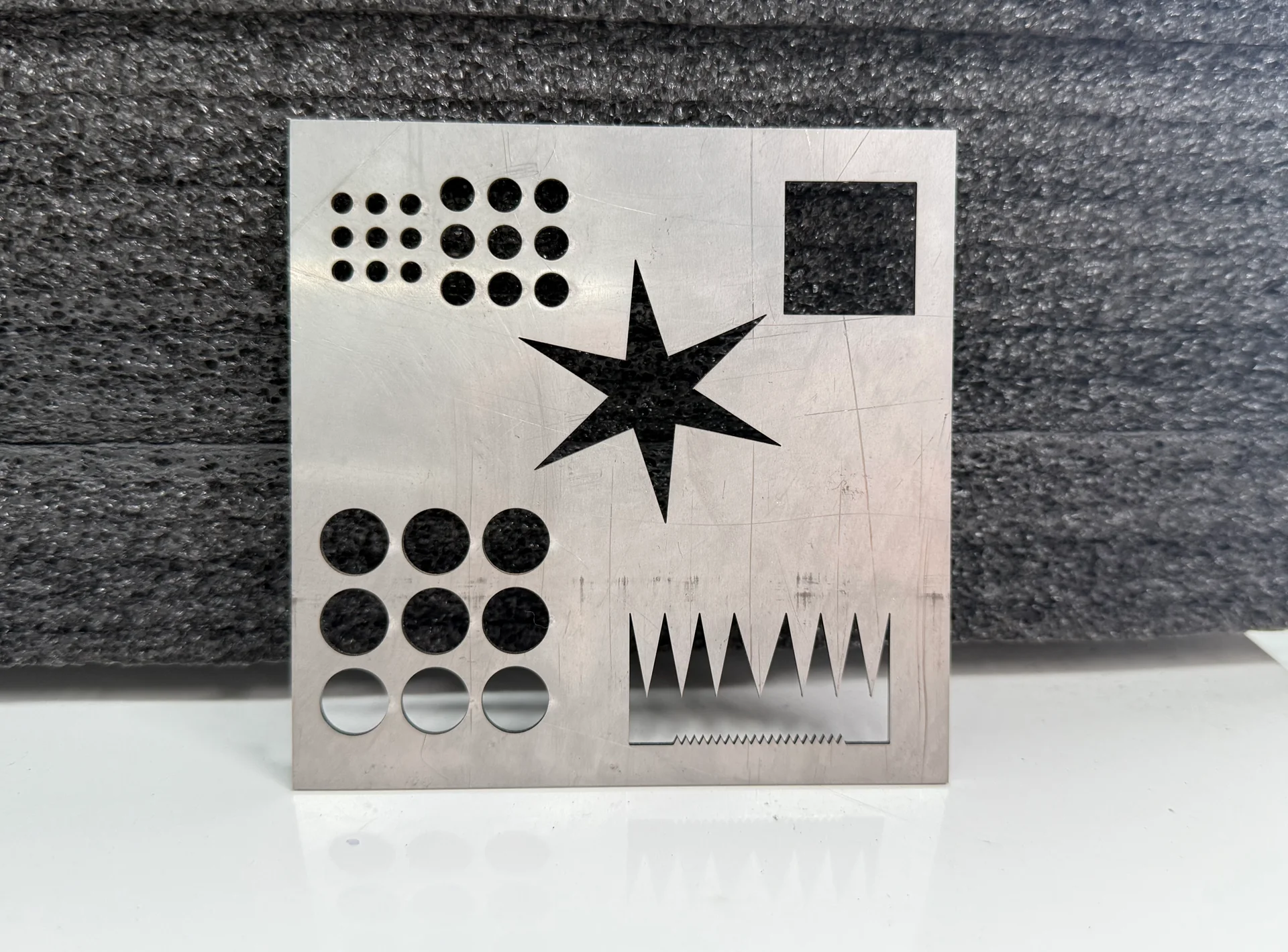
These details allow the proposed machine, options, and auxiliary equipment to be written into a comparable quotation. A demonstration or sample evaluation may add evidence, but its material, machine configuration, process settings, sample ownership, cost, and evaluation criteria must be agreed separately.
A factory acceptance test, when included or separately agreed, evaluates the completed machine against a defined checklist before dispatch. The checklist should identify the machine, configuration, test conditions, functions to be demonstrated, sample or measurement method, documents to be reviewed, and how observations will be recorded. A generic showroom demonstration is not the same as acceptance of the ordered machine.
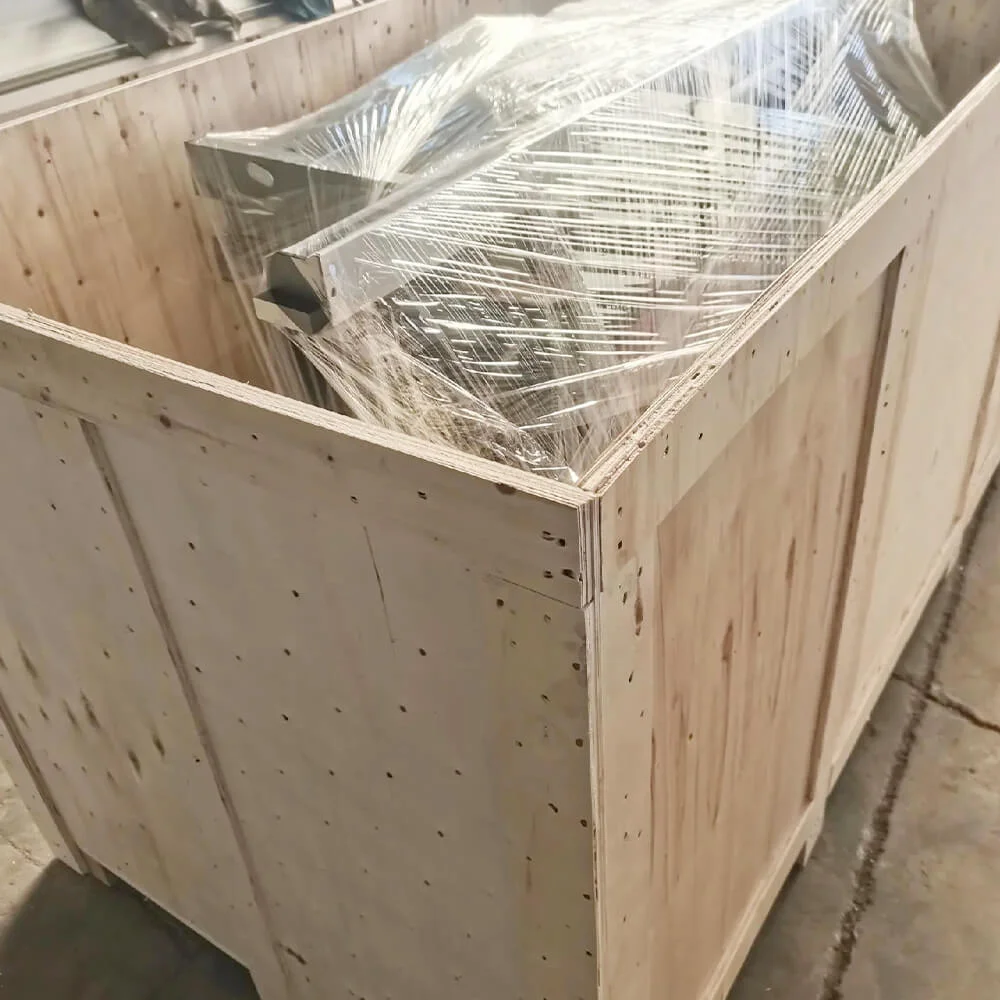
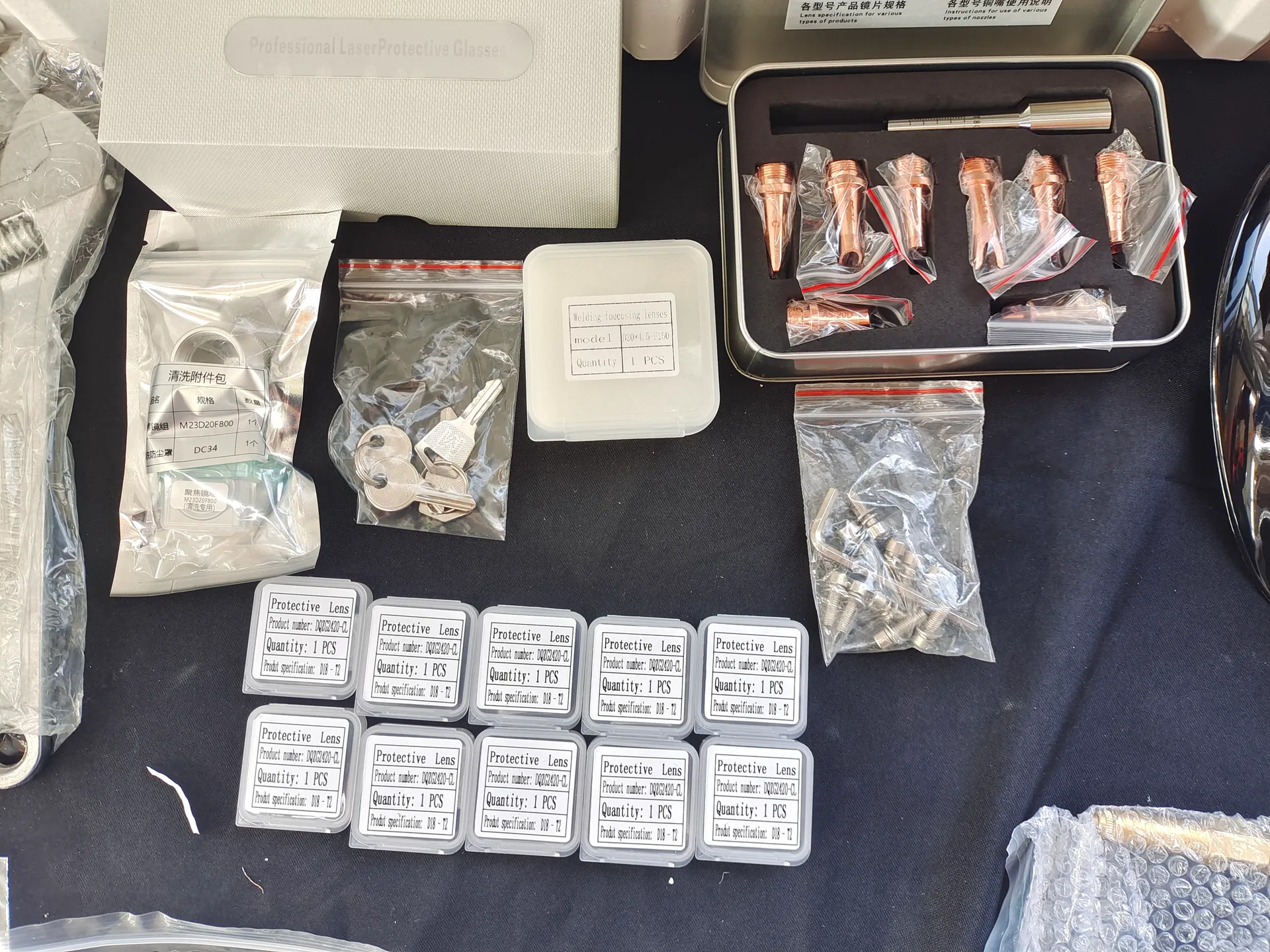
Delivery preparation continues after testing. The parties may need to confirm the packing list, loose accessories, tooling, manuals or project documents, machine identification, shipping marks, disassembly for transport, lifting points, and destination readiness. Photographs can document condition and supplied items, but they should be tied to the relevant machine or package reference.
The receiving team should know the package dimensions and weights, unloading method, route into the workshop, storage conditions, and who will inspect for transport damage or shortages. Do not energize or assemble damaged equipment until the condition has been documented and guidance obtained.
Installation, Commissioning, and Training
Installation places and connects the machine. Commissioning confirms that the assembled system can be checked and operated within the agreed scope. Training prepares named personnel to use and maintain it. These are related stages, but they are not interchangeable.
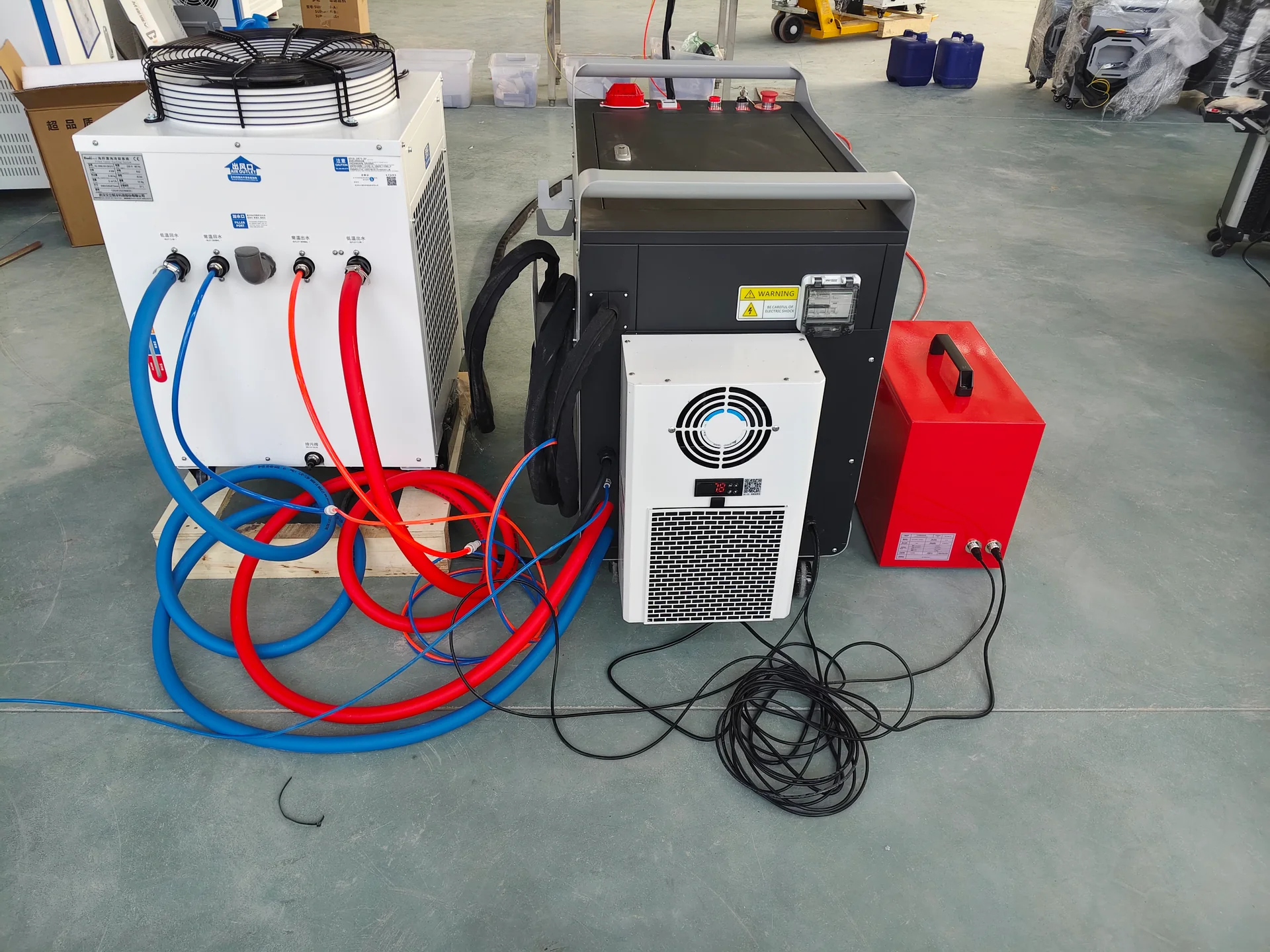
Site preparation may include floor capacity, machine clearance, safe access, electrical supply and grounding, gas or compressed-air arrangements, cooling water or chiller conditions, ventilation or extraction, temperature and humidity limits, network access, material handling, and waste management. Exact values depend on the configuration.
Training should cover normal startup and shutdown, controls, safety devices, file or program handling, tooling and consumables, process setup, routine inspection, cleaning, lubrication, data backup, and the information to capture when a fault occurs. Production release should follow successful commissioning, trained personnel, and the customer’s own safety and operating procedures.
Technical diagnosis asks what failed and how to restore safe operation. Warranty determination asks whether the diagnosed condition falls within the terms for that order. The first can begin from symptoms; the second requires the machine identity, affected item, cause, order terms, maintenance and operating evidence, and any relevant exclusions or third-party conditions.
A useful fault report includes the full alarm, time and sequence of events, program and material in use, recent adjustments, electrical or utility conditions, photos of labels and connections, and a short video when motion or sound matters. Do not bypass guards, interlocks, emergency circuits, or protective functions to create evidence.