CHENDA / Company

About Jinan Chenda Tech Co., Ltd.

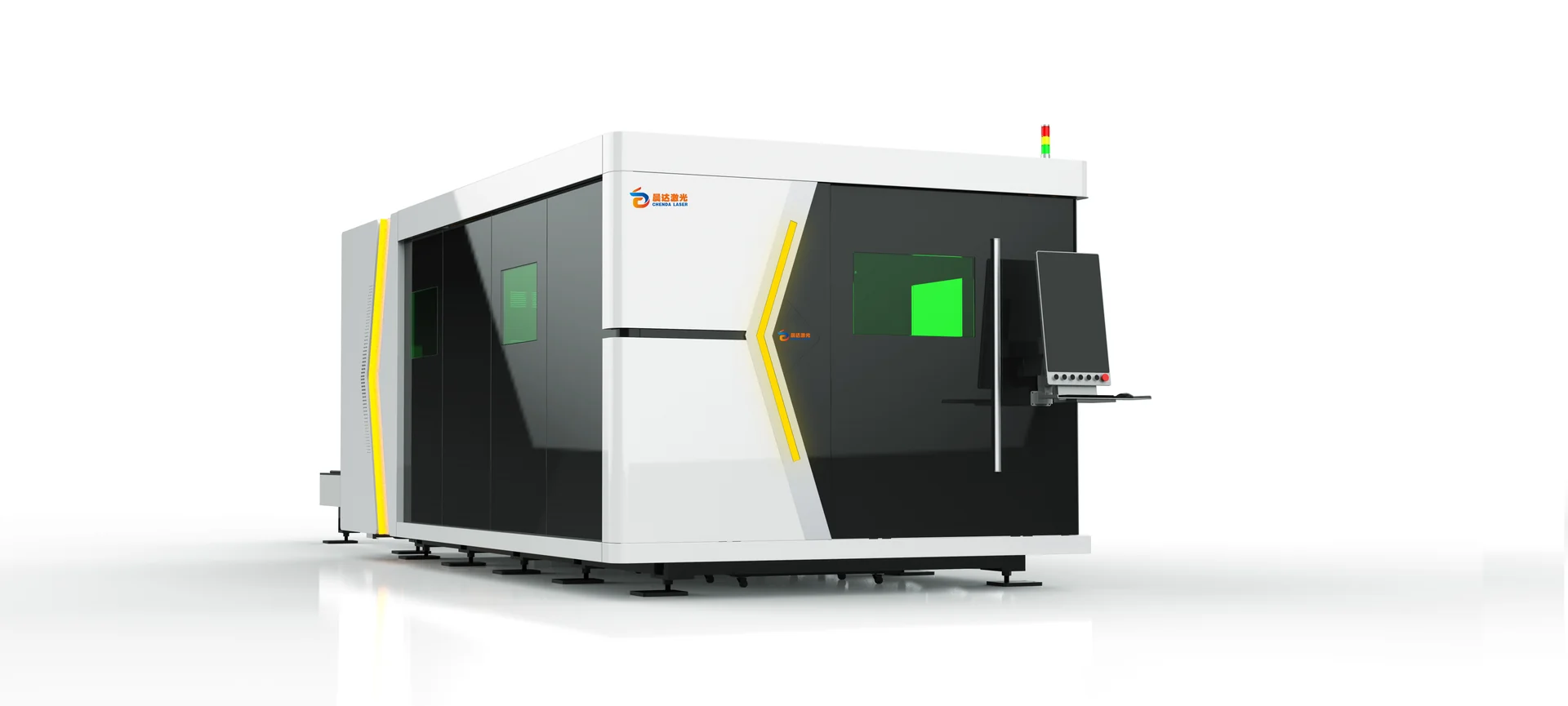
CHENDA enclosed laser cutting machine

Jinan Chenda Tech Co., Ltd. is an industrial equipment supplier based in Jinan, Shandong, China. The company’s current project material covers laser cutting for sheet, tube, combined sheet-and-tube work and structural profiles, as well as bending, welding, laser cleaning, laser marking, deburring, digital knife cutting and supporting workshop equipment.

This page does not ask buyers to trust broad claims about scale. It explains how CHENDA intends to earn confidence during an equipment project: understand the real application, define the configuration in writing, use inspection and test evidence, prepare the customer for delivery, and keep machine identification clear for later support.

What CHENDA Can Help You Evaluate

Equipment selection often crosses several operations. A fabricated component may need laser cutting, deburring, bending, welding, cleaning and identification before final assembly. A structural part may require plate and profile cutting, bevel preparation, heavy handling and controlled welding. Packaging and textile projects use different materials and require digital knife cutting, tool selection, nesting and hold-down tests.

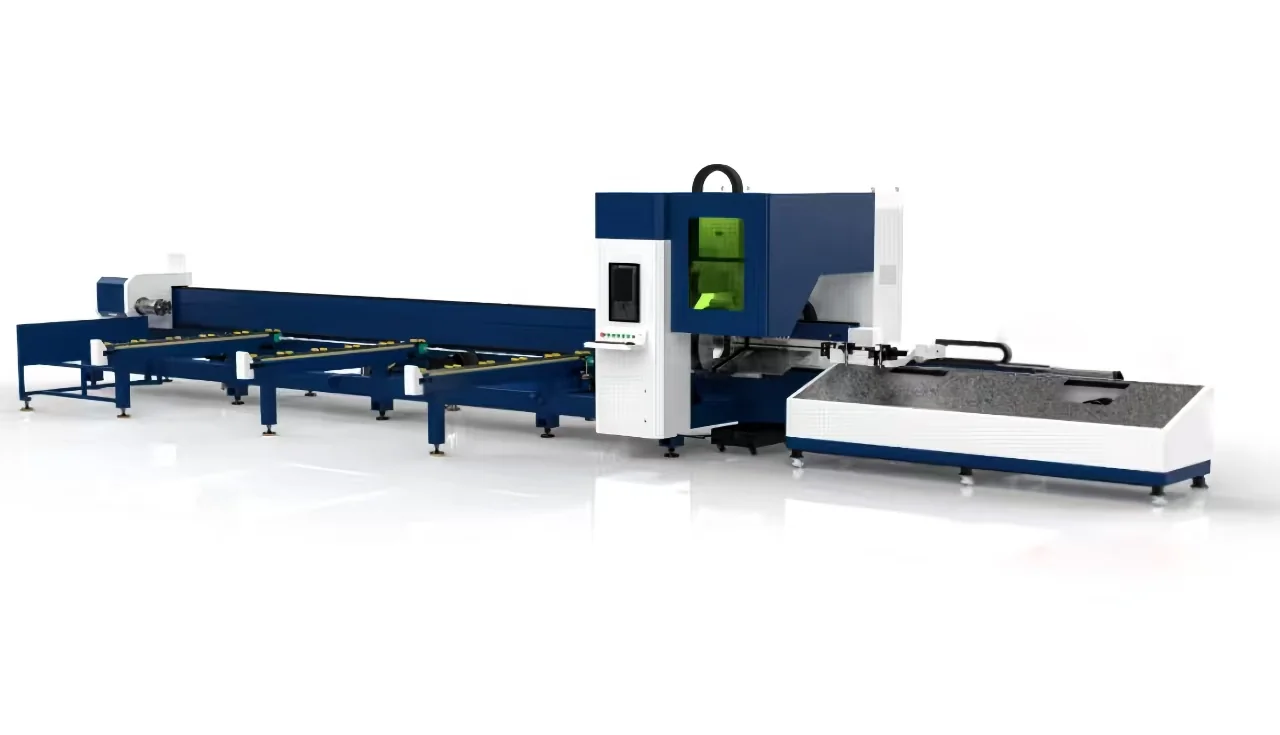
Tube laser cutting system with material handling supports
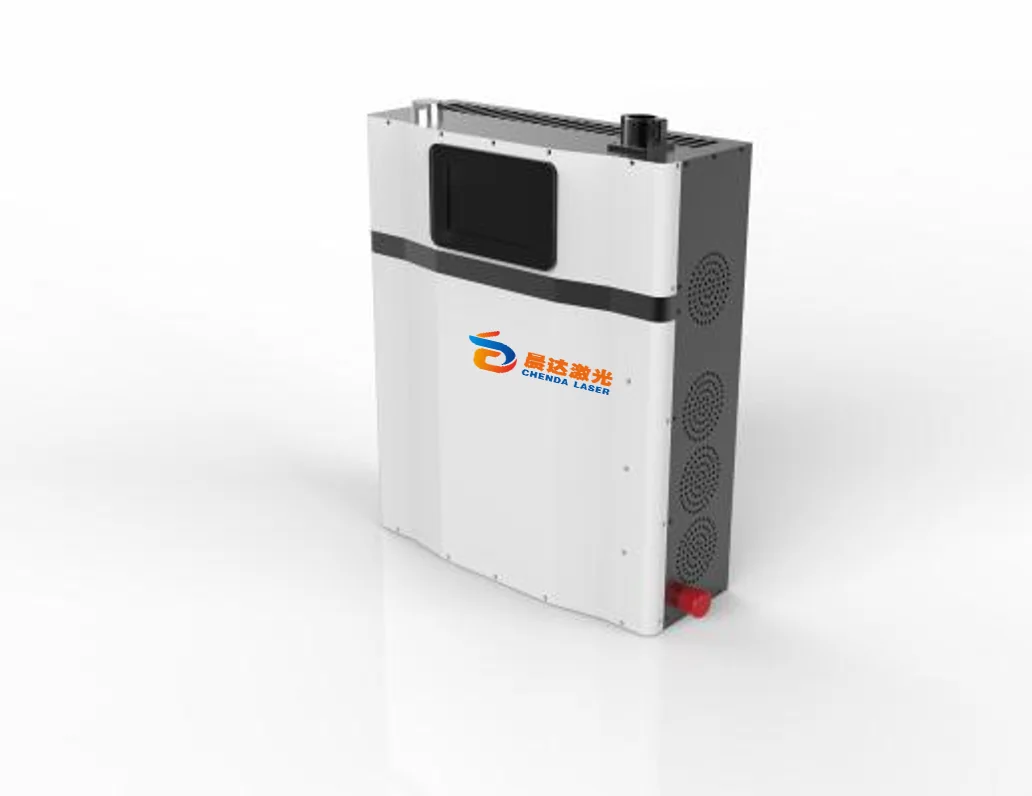
CHENDA laser cleaning equipment
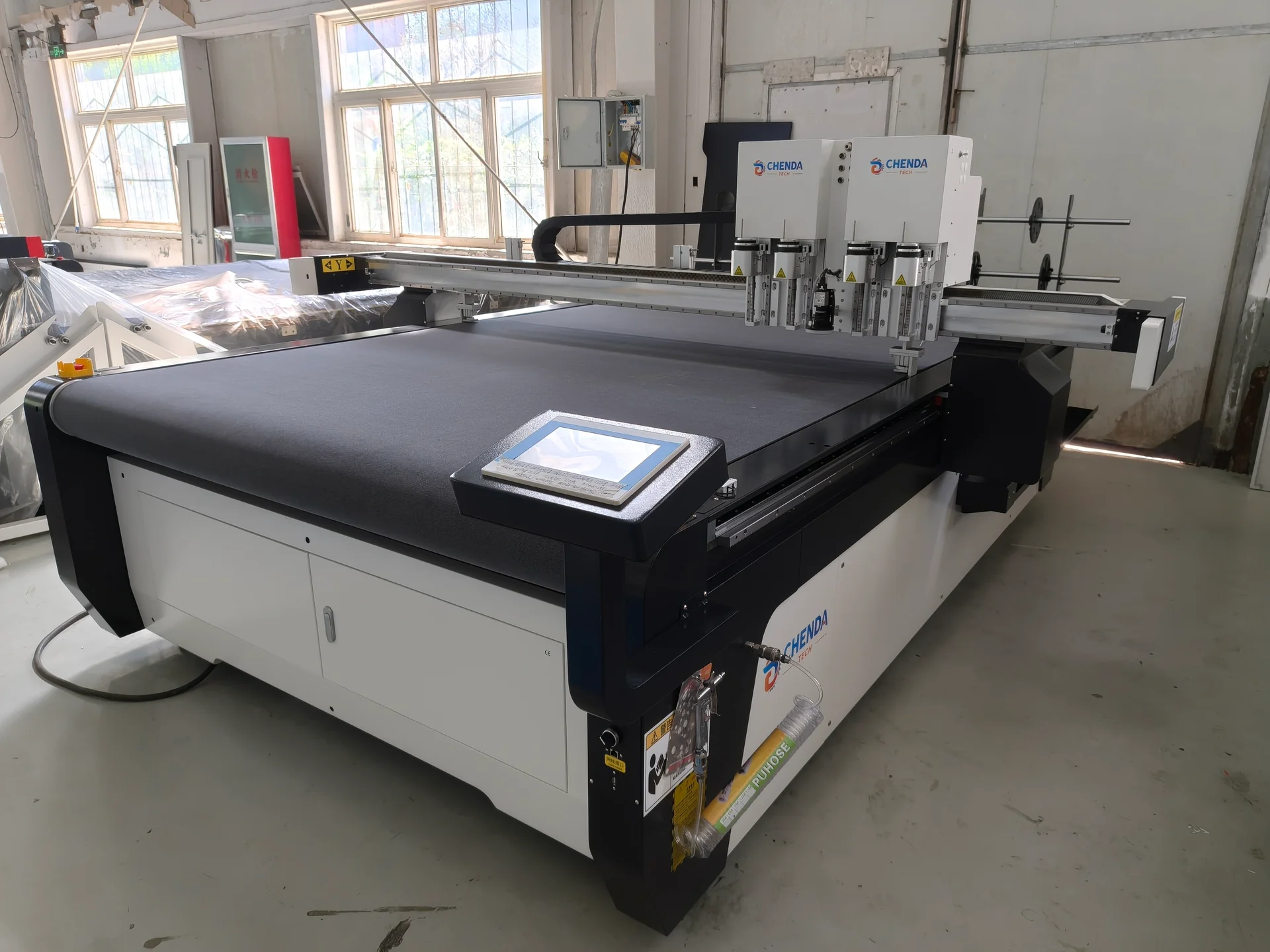
CHENDA digital cutting table

CHENDA organizes its range around these process decisions:

The final recommendation must be based on the material, workpiece, process result, output and site. A product category is a starting point, not a promise that every configuration covers every application.

Four Records That Protect the Buyer

A serious machine project should produce four connected records.

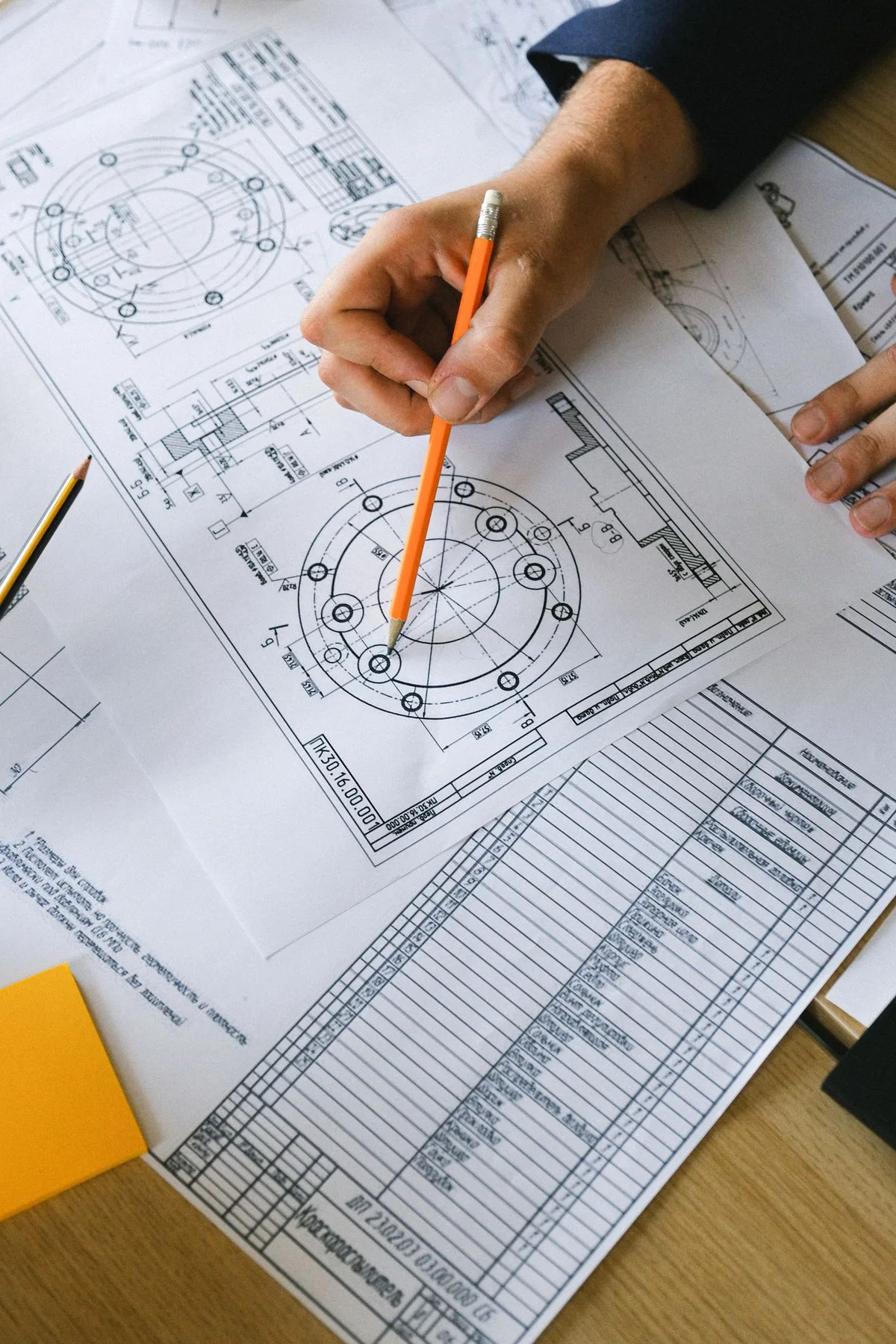
Mechanical drawings supporting an application review; reference

1. Application record

This explains what the customer intends to process. It should include materials, grades, thicknesses, dimensions, drawings, normal batch mix, quality requirements and downstream operations. It should also state which jobs are typical and which are occasional maximums.

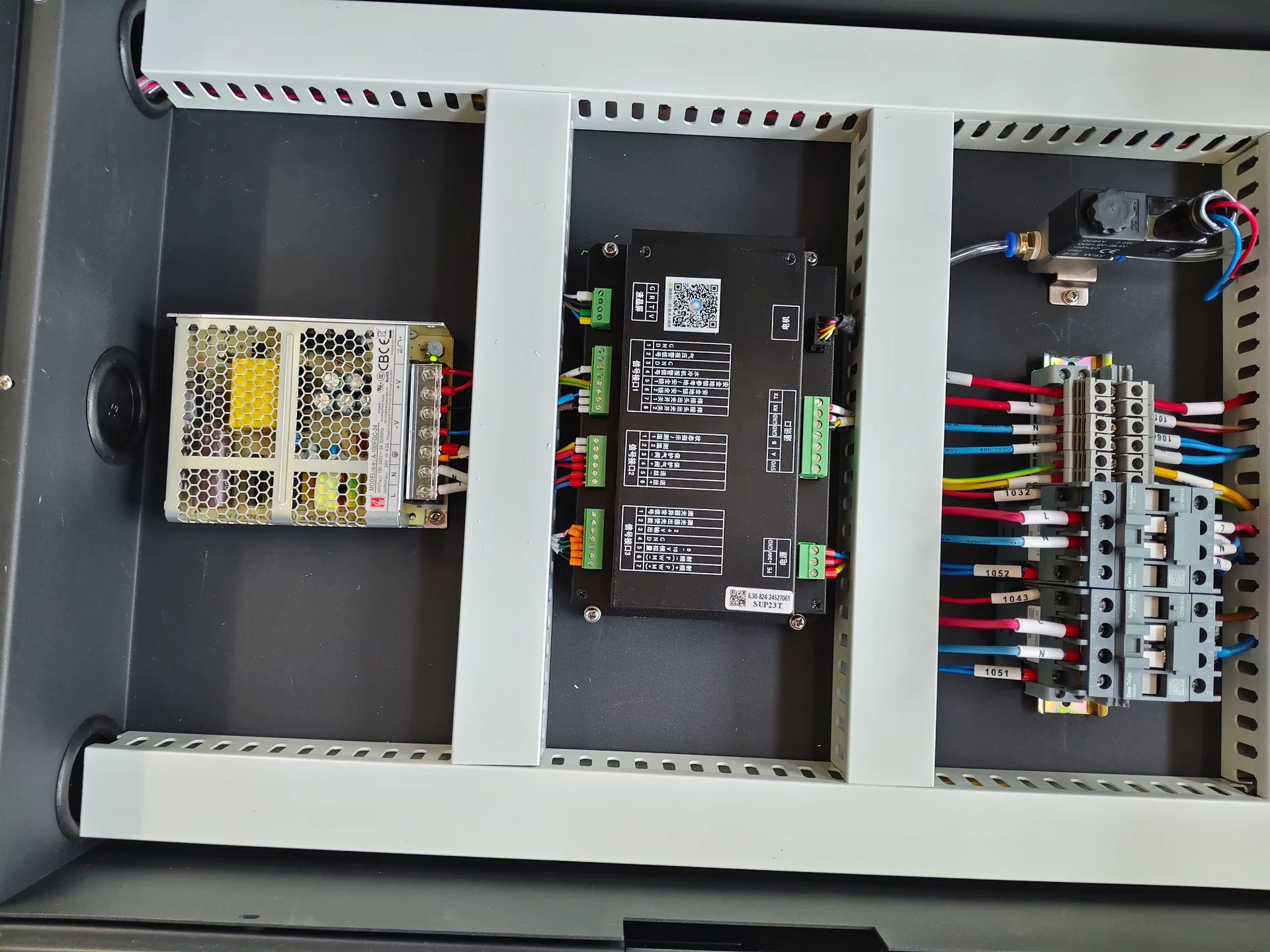
Control cabinet component layout and wiring

2. Configuration record

The quotation or technical agreement should identify the machine model, working range, major components, options, accessories, software, tooling, utilities, documentation and excluded items. If a component brand or option can change, the approval rule should be clear.

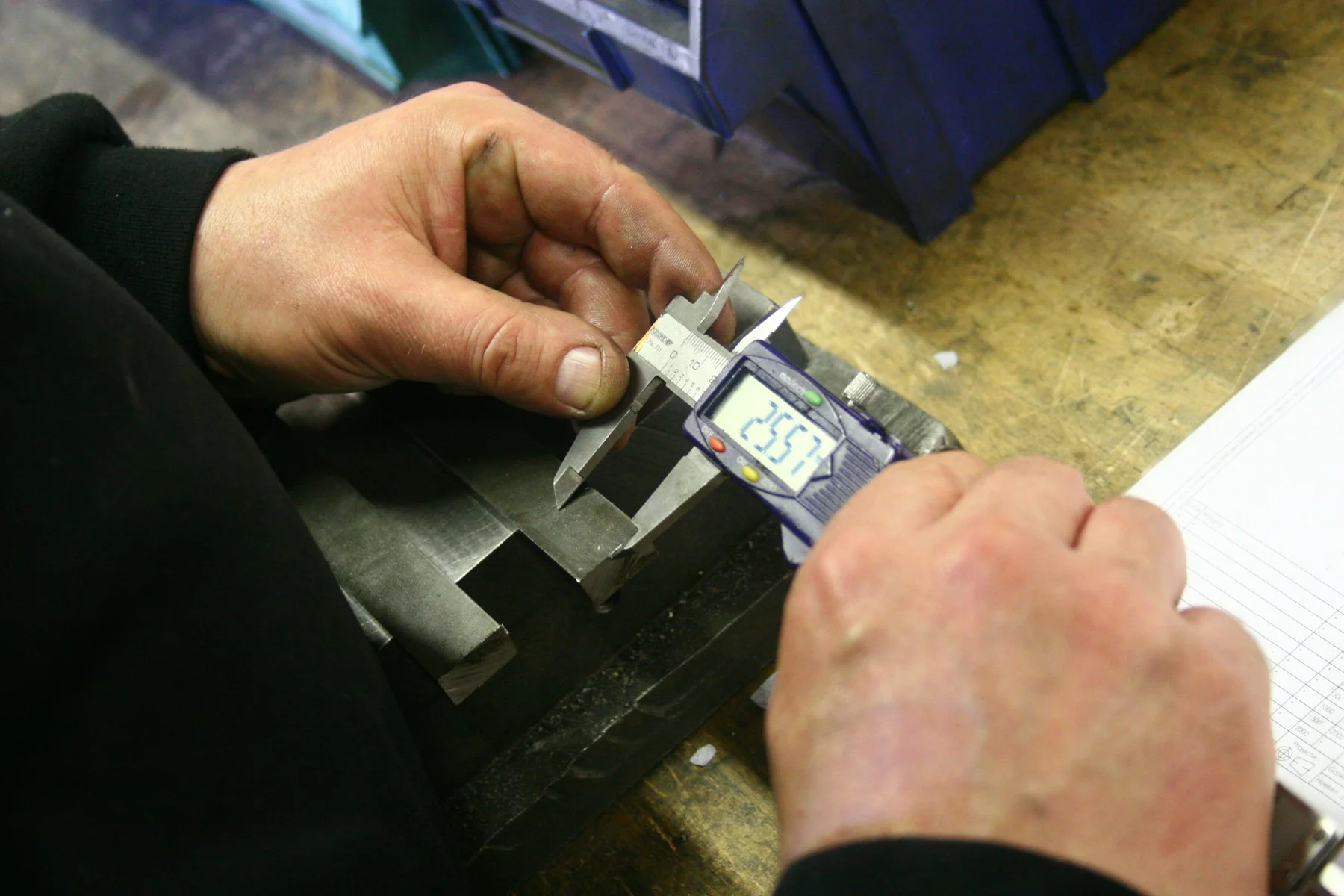
Dimensional inspection of a metal component; reference

3. Verification record

Inspection and factory testing should follow the agreed scope. Useful evidence can include machine and component identification, functional checks, alarm and safety checks, trial material, sample measurements, photographs, video and an open-item list. A polished demonstration that cannot be tied to the ordered machine provides weaker evidence.

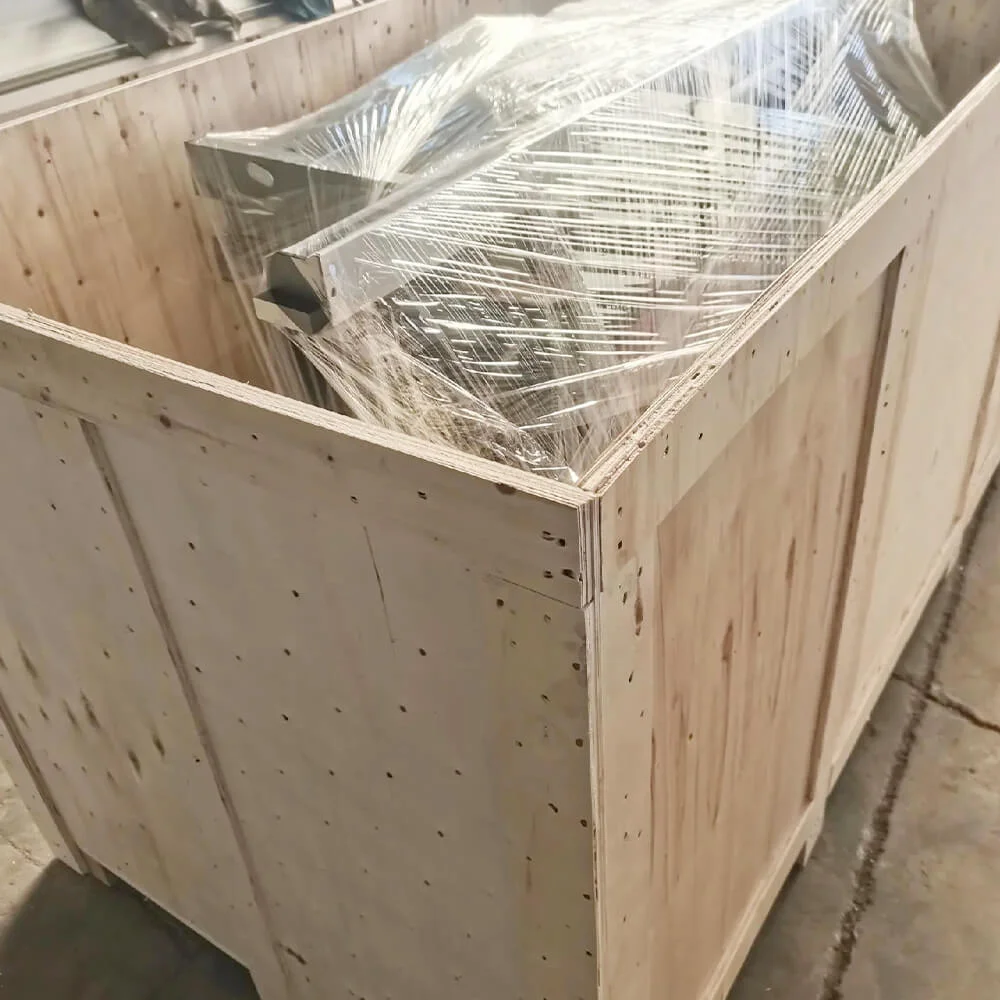
Protective machine packaging; industry reference

4. Handover record

Before shipment, the buyer should know the package count, loose accessories, transport condition, unloading needs, machine layout, utility requirements, installation plan, training scope and support route. These details determine how quickly the machine can move from arrival to controlled production.

Explore the Company Process

What We Will Confirm and What We Will Not Assume

Trust also depends on limits. CHENDA will not treat a brochure range as proof that a specific material and part have been validated. Published cutting tables, output claims or example parameters depend on the machine configuration, material quality, gas, optics, tooling, program and site conditions. Sample and acceptance conditions must be confirmed for the project.

The same rule applies to service. Installation method, training, warranty duration, travel, local responsibilities and spare-part supply should be written into the applicable commercial documents. A general website page cannot replace the terms for an individual order.

Company statistics, certifications, patents, customer counts or international service locations should be published only when current evidence can support them. CHENDA prefers a smaller set of verifiable facts over numbers that a buyer cannot audit.
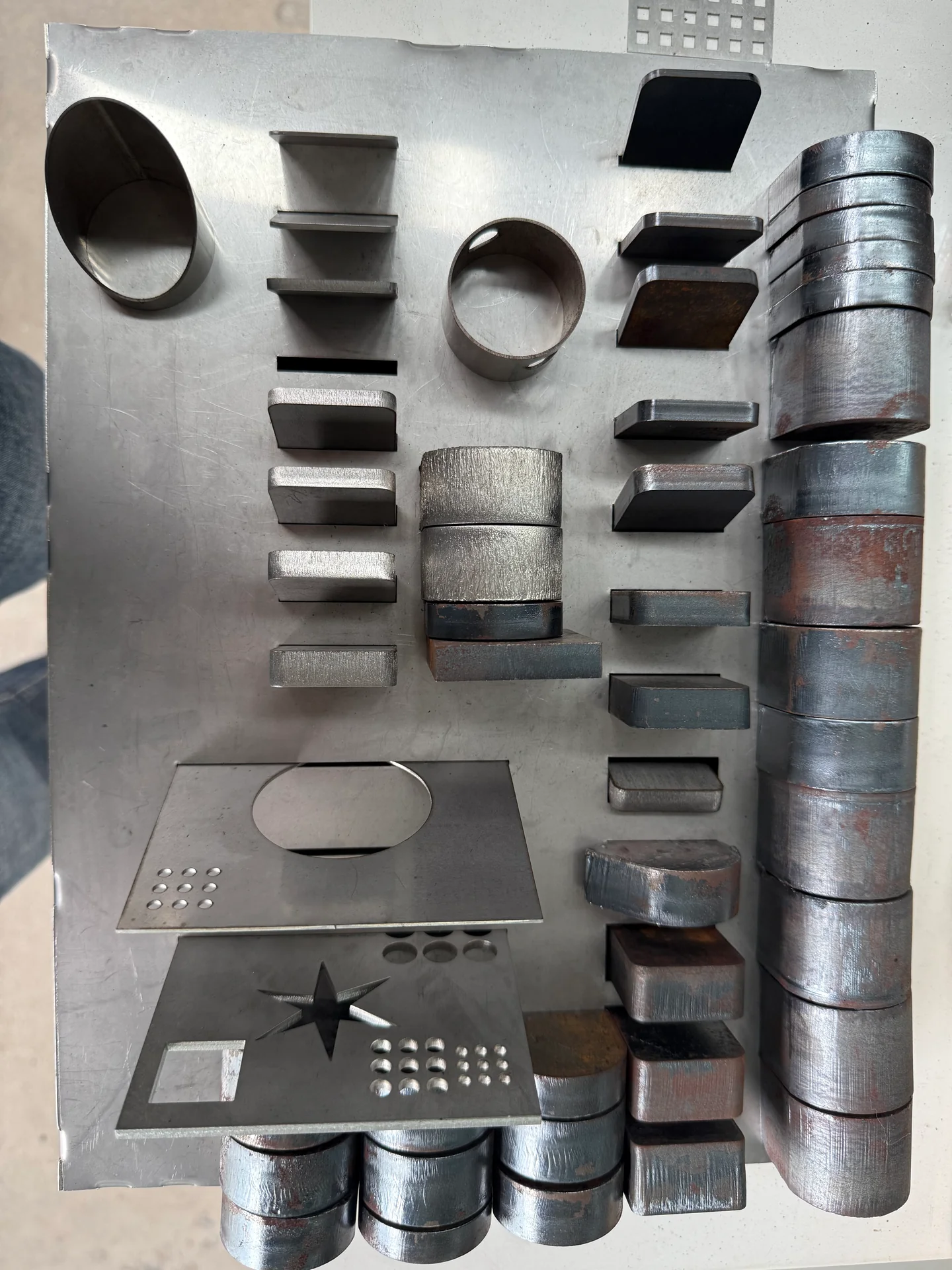
Metal plate and tube cut edges for workpiece review
Workpiece features provide a concrete basis for evaluation
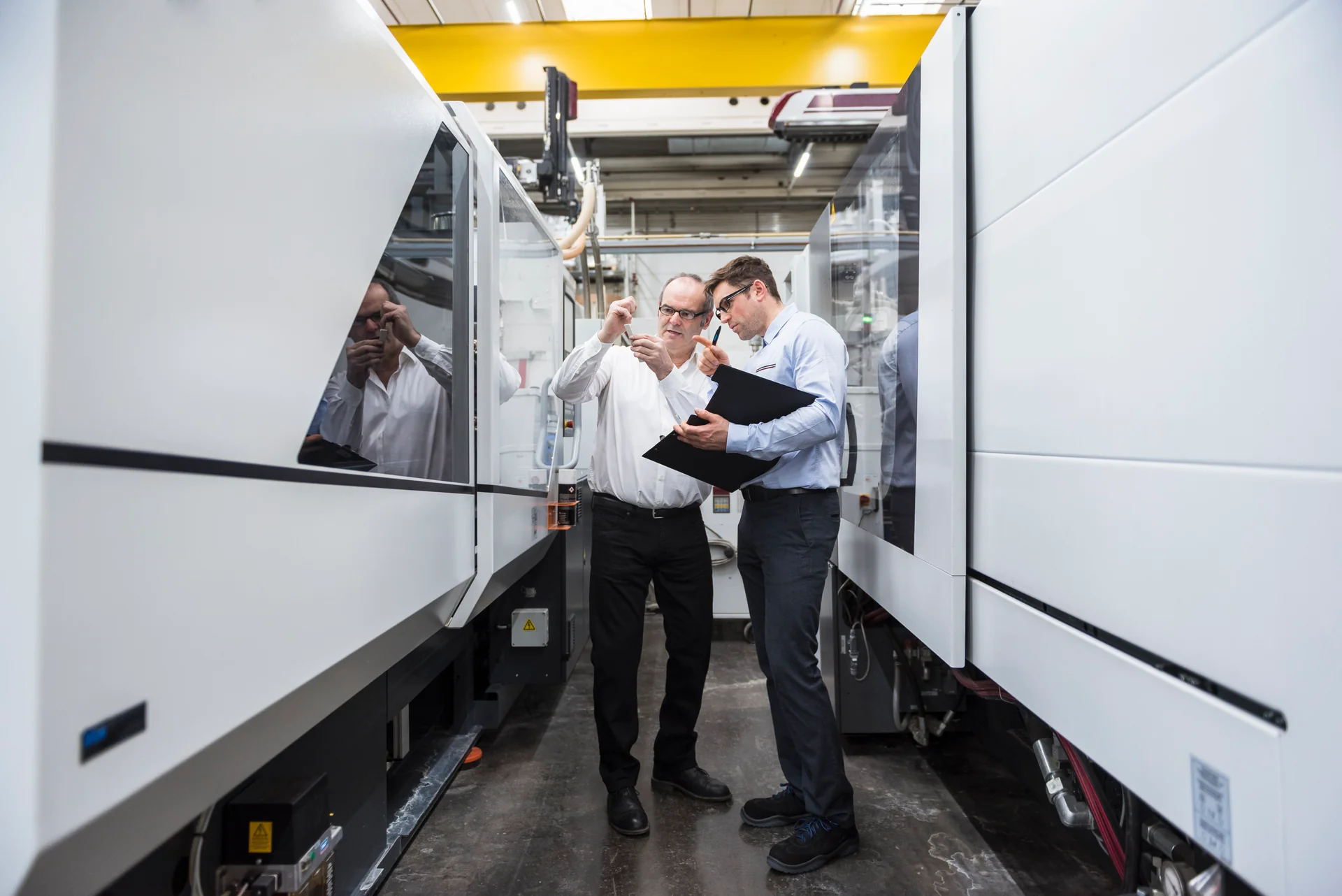
Engineers inspecting equipment; illustrative stock photograph

Questions Buyers Should Ask CHENDA

  • Which information was used to select this model and configuration?
  • Which workpieces are inside the proposed capability and which remain unverified?
  • What major components and options are included in the quoted machine?
  • Which utilities, gases, tooling, fixtures and software must the customer supply?
  • Which functions and samples will be tested before dispatch?
  • How will the ordered machine and supplied packages be identified?
  • What site work must be complete before installation?
  • Who receives technical questions after delivery and what information will they need?
  • Which warranty document applies to this configuration?

These questions turn a sales conversation into a project that both sides can manage.

Mechanical drawings supporting an application review; reference

Start With Evidence

Send one representative drawing or material sample, your production target, the destination and the quality result that matters. CHENDA can then identify the most relevant equipment path and the points that need technical confirmation.